Newsletters


Step into the birthplace of Ottoman wisdom. As Bilecik commemorates the 700th anniversary of Seyh Edebali, the mentor whose guidance shaped shaped the foundations of the Ottoman Empire, the city is emerging as a must-visit destination for history buffs, culture seekers, and nature lovers alike.
With centuries-old architecture, sacred monuments, and scenic landscapes, Bilecik is turning its rich heritage into an immersive tourism experience.
UNESCO’s declaration of 2026 as the “Seyh Edebali Commemoration and Celebration Year” has put Bilecik at the center of Türkiye’s cultural map.
Visitors are drawn to Seyh Edebali’s Tomb and the “Ottoman Sultans Historical Trail,” a chronological showcase of 36 Ottoman sultans featuring 3D models, interactive visuals, and digital exhibits.

In Sogut, the tomb of Ertugrul Gazi, father of Osman Gazi, attracts visitors to witness the ceremonial “Respect Watch”, performed by soldiers in traditional Alp attire, along with hourly guard changes that bring Ottoman military traditions to life.
The district also houses Kuyulu Mescit, the first Ottoman mosque, and the Sogut Museum, featuring ethnographic and archaeological artifacts that trace the region’s rich social and cultural history.
The Osmaneli district captivates visitors with nearly 150 registered historic houses, evoking an open-air museum of traditional Turkish architecture.
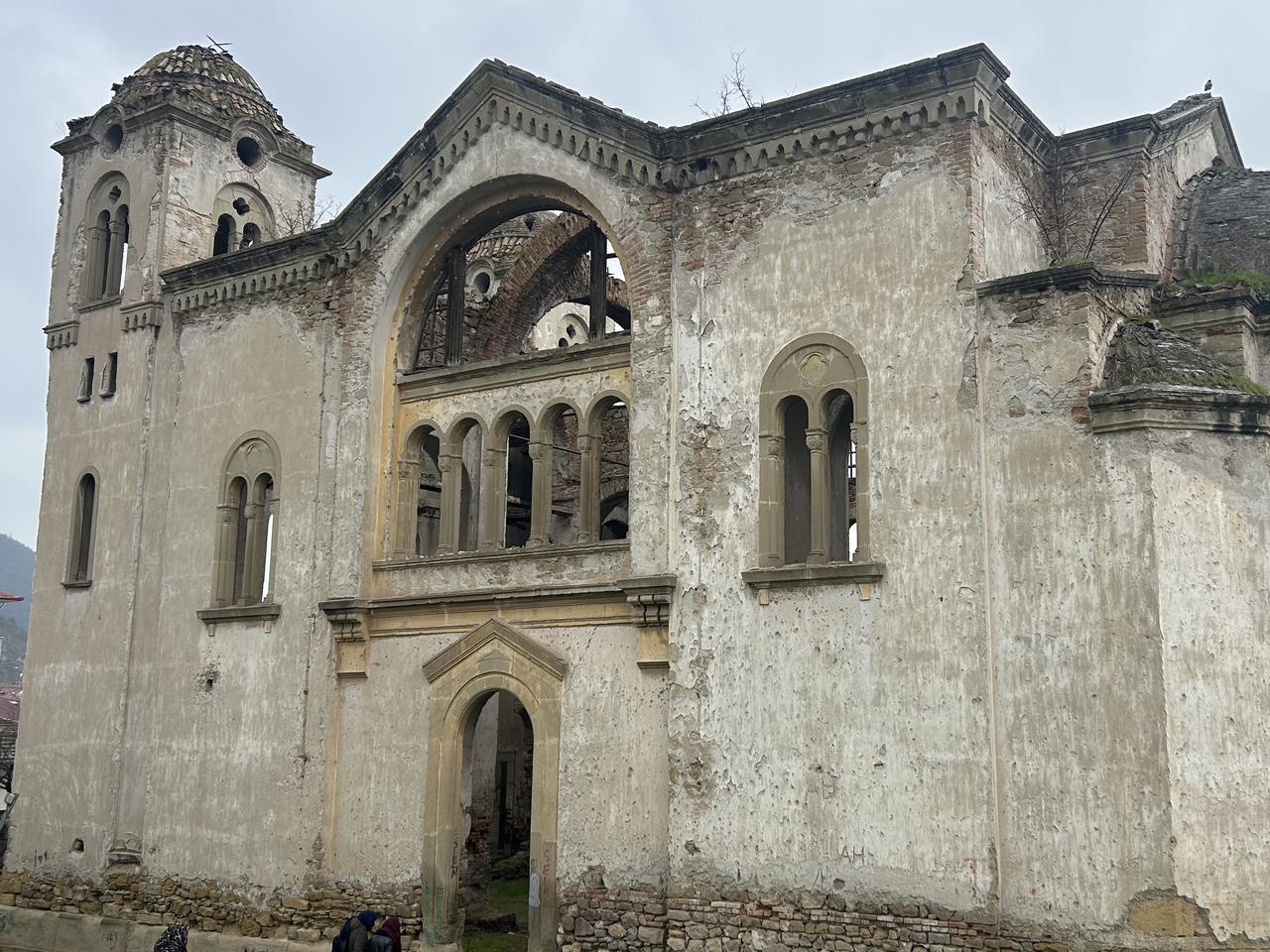
Highlights include the 16th-century Rustem Pasa Mosque and Aya Yorgi Church, reflecting Bilecik’s Ottoman and multi-cultural heritage.
Traditional crafts thrive here as well. The Osmaneli Women Entrepreneurs’ Cooperative preserves Lefke cloth weaving, a centuries-old textile recognized with a geographical indication, ensuring the craft lives on for future generations.
For nature enthusiasts, Pelitozu Lake, framed by pine forests and equipped with walking trails, cycling paths, picnic areas, and cafes, offers a serene escape and a growing attraction for visitors from across Türkiye.


 Set as preferred source
 Set as preferred source


 1 min read
 1 min read