Newsletters


The Hafiz Ahmed Agha Library continues to stand out as a rare surviving center of Ottoman intellectual heritage, safeguarding more than a millennium of accumulated knowledge through its carefully preserved manuscript collection.
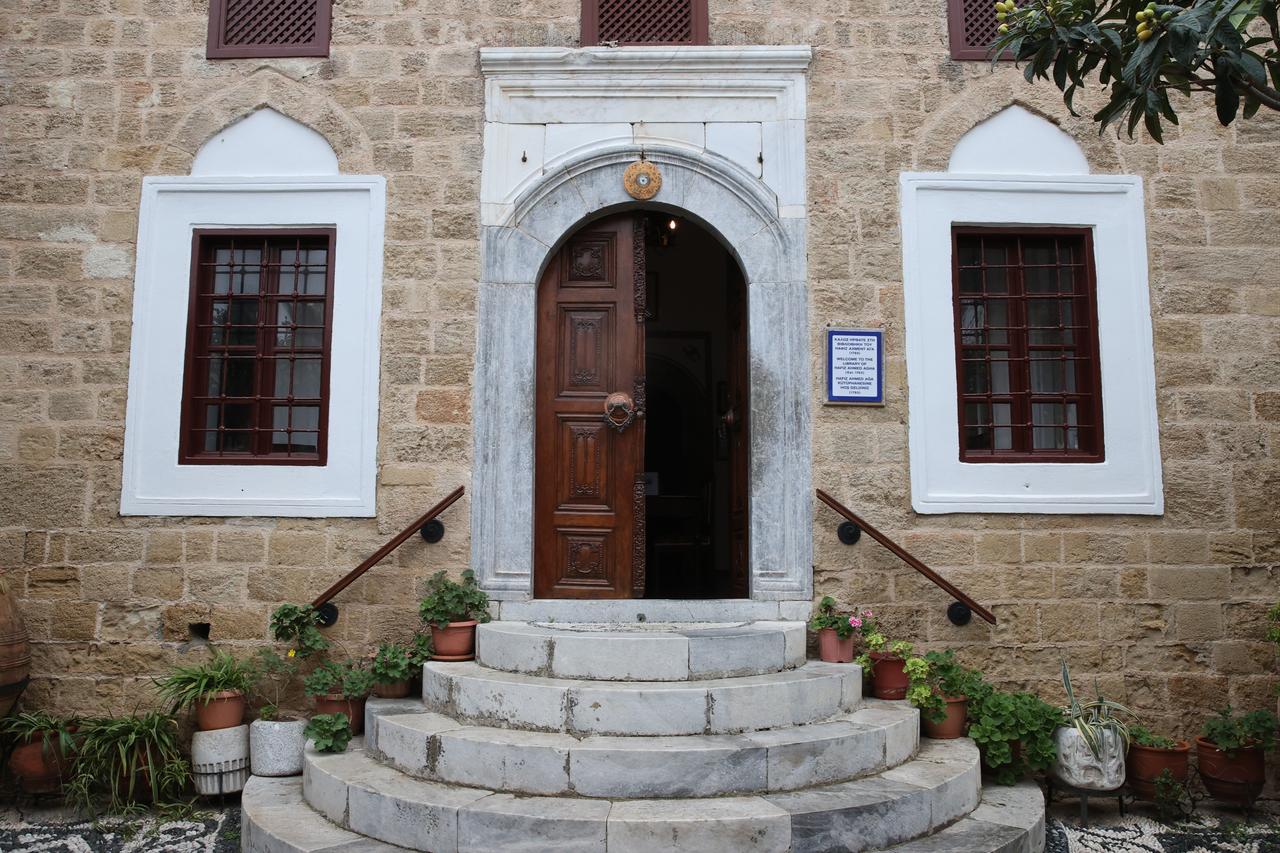

Located on the island of Rhodes, the library traces its origins back to 1793, when it was established through a foundation created in Istanbul by Hafiz Ahmed Agha.
It initially opened with a collection of 828 manuscripts, each marked with the founder’s personal seal, setting the tone for a structured and curated archive.
Over time, the collection was gradually built up through contributions from Ottoman institutions and private donors, reflecting a broader culture of knowledge-sharing across the Ottoman Empire.
Today, the library houses 1,265 manuscripts, offering a wide-ranging view into the intellectual life of the period.
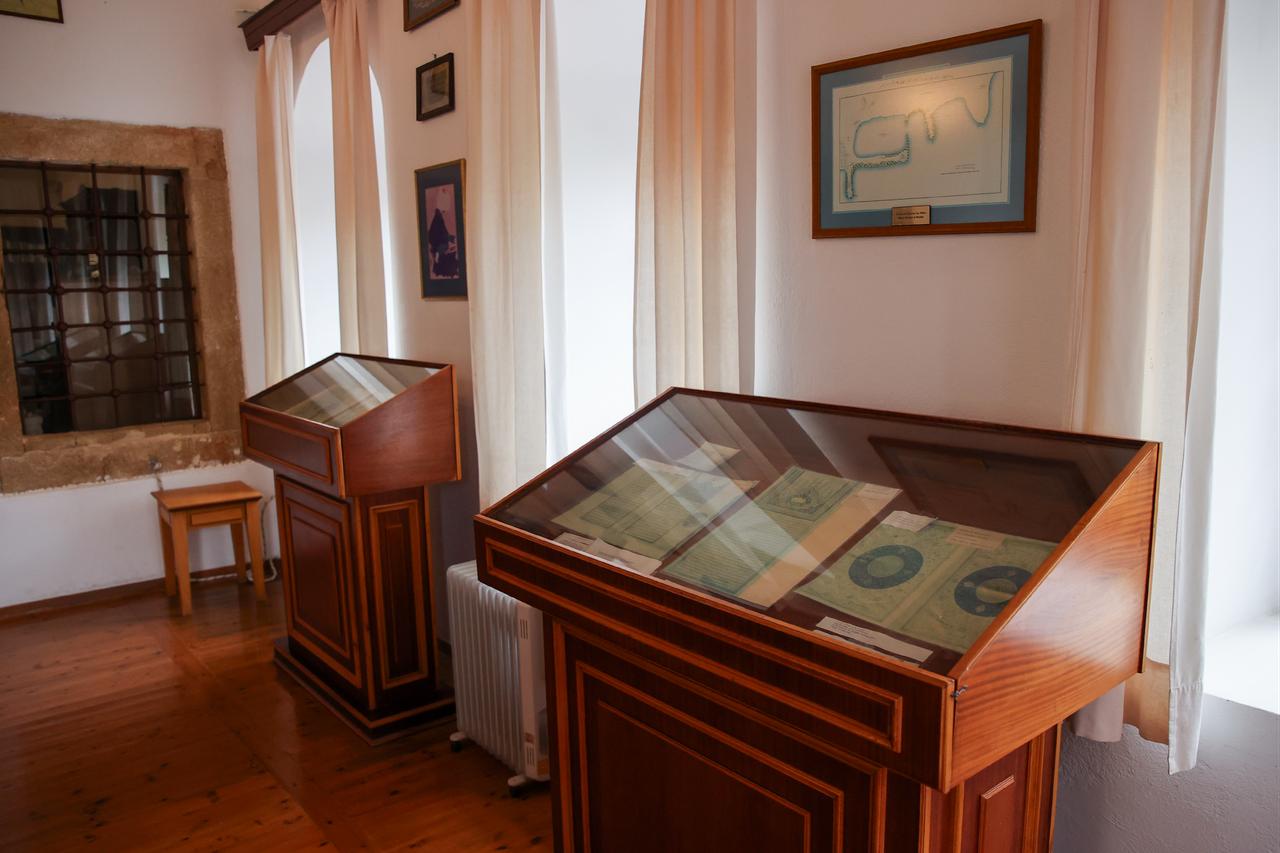
The manuscripts cover 20 distinct fields, bringing together works written in Ottoman Turkish, Arabic, and Persian.
These texts collectively shed light on a variety of subjects, including Islamic sciences, jurisprudence, history, medicine, astronomy, and Sufism.
At the heart of the archive lies an illuminated handwritten Quran, widely regarded as the library’s most valuable item.
The manuscript was produced over more than half a century, beginning in 1401 and reaching completion in 1454, reflecting the meticulous craftsmanship of Ottoman calligraphers.
The text, now around 600 years old, was once stolen but later recovered through international diplomatic efforts. It is currently stored under maximum security in a custom-built steel vault, underscoring its significance and fragility.
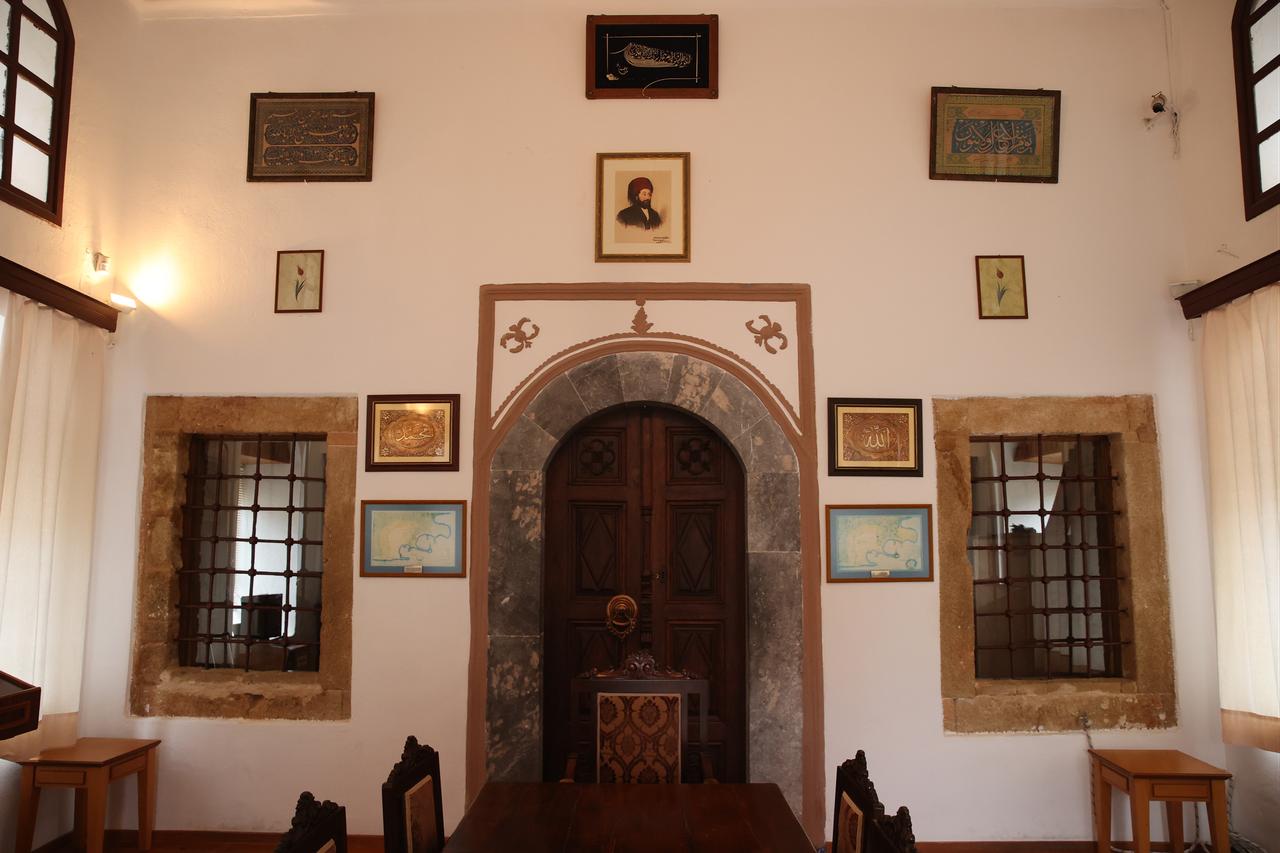
The library remained open to the public until the mid-20th century, after which it gradually shifted its role.
Following the death of its final librarian in 1963, the institution was formally turned into a museum, marking a transition from active use to preservation.
Efforts to protect and document the collection have continued steadily since its early years.
The first comprehensive catalog was compiled in 1795, and this work has been carried forward into the modern era through a digital archiving project completed between 2008 and 2010, ensuring that the manuscripts can be preserved for future generations.


 Set as preferred source
 Set as preferred source


 2 min read