Newsletters


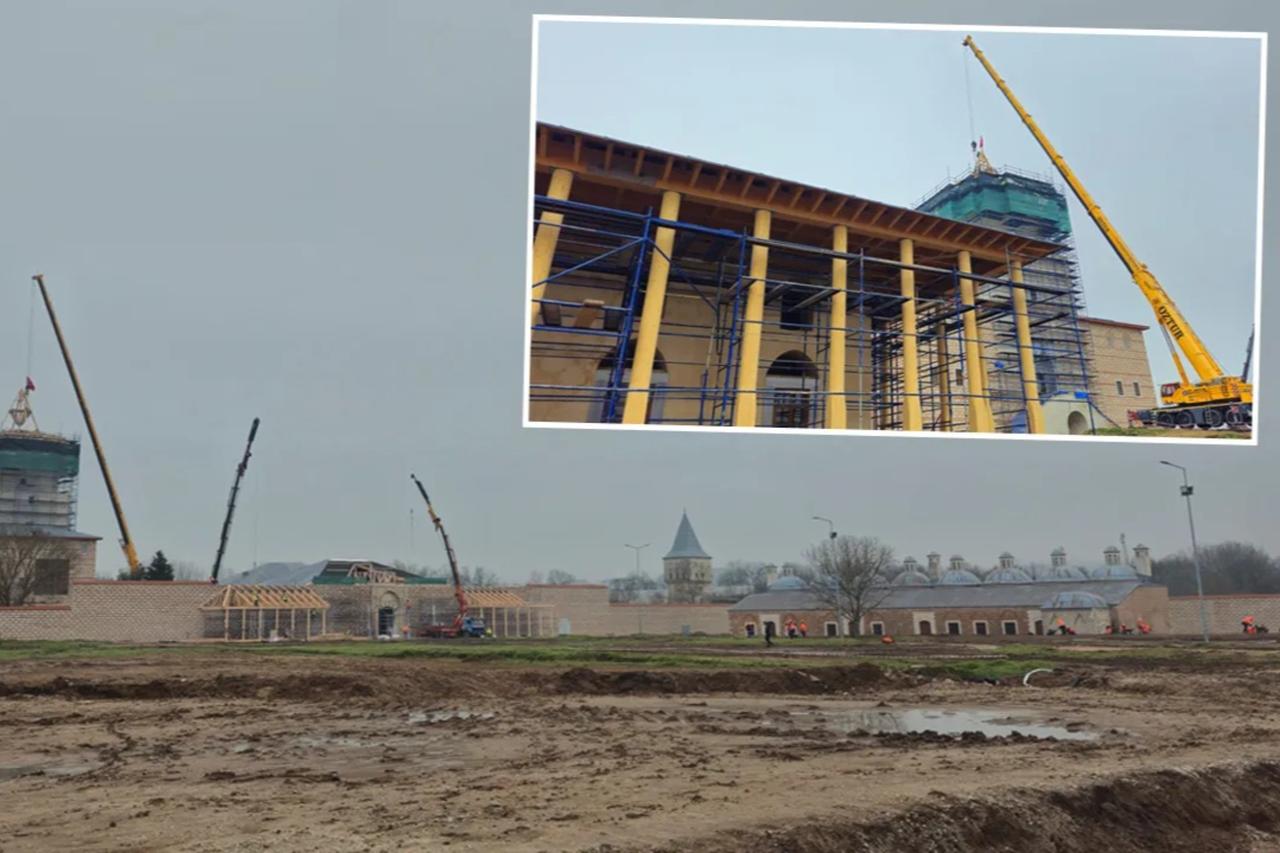


The Edirne Palace, which had fallen into ruins and come to be known as the “Lost Palace,” is rising back up from the ashes. Half of the revival work at the palace has been completed. By the end of 2027, a palace complex just like Topkapi will take shape in Edirne.
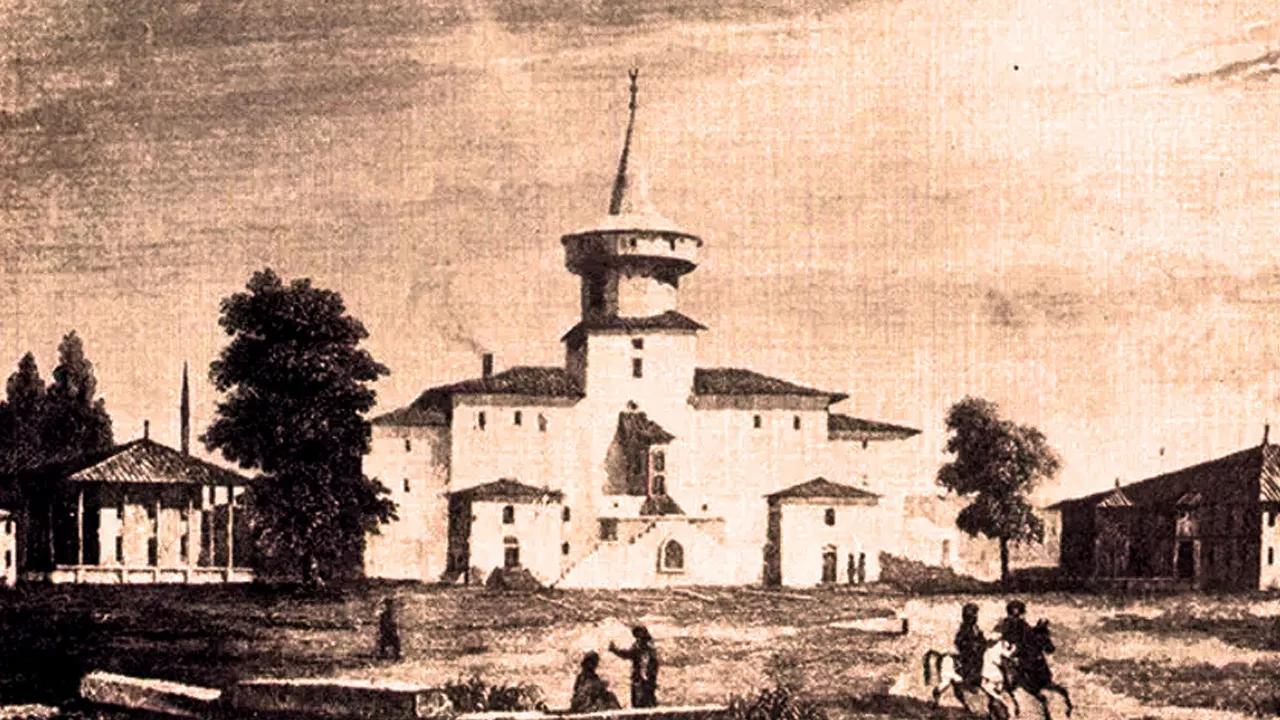
Once upon a time, Edirne had a massive Ottoman palace. Construction of Saray-i Cedid, the Edirne Palace, was started by Sultan Murad II in 1450 and then finished by Sultan Mehmed II. Spreading out over 3 million square meters, the palace contained more than 100 rooms, 13 mosques, four pavilions, many more structures, and a unique tavuk forest. It also had a Babussaade gate and an Adalet Kulesi (Tower of Justice), like the ones at Topkapi Palace, and the heart of the state beat here.
Over time, however, Edirne stopped serving as the imperial capital. The Edirne Palace was damaged in earthquakes in the 1750s, and then it was shaken further by fires, floods, and the neglect that set in as the empire was breaking apart. The Russian occupation in 1826 marked the start of the end for the palace. During the 1877-1878 wars, known as "93 War," some parts of the palace, such as the Cihannuma Kasri, were turned into an ammunition depot. When the Russians drew near, it had to be blown up.
According to legend, there was so much ammunition in the palace that the explosions kept going for three days. The complex that once welcomed sultans had by then turned into a ruin, and “Saray-i Cedid” had become the “Lost Palace.”
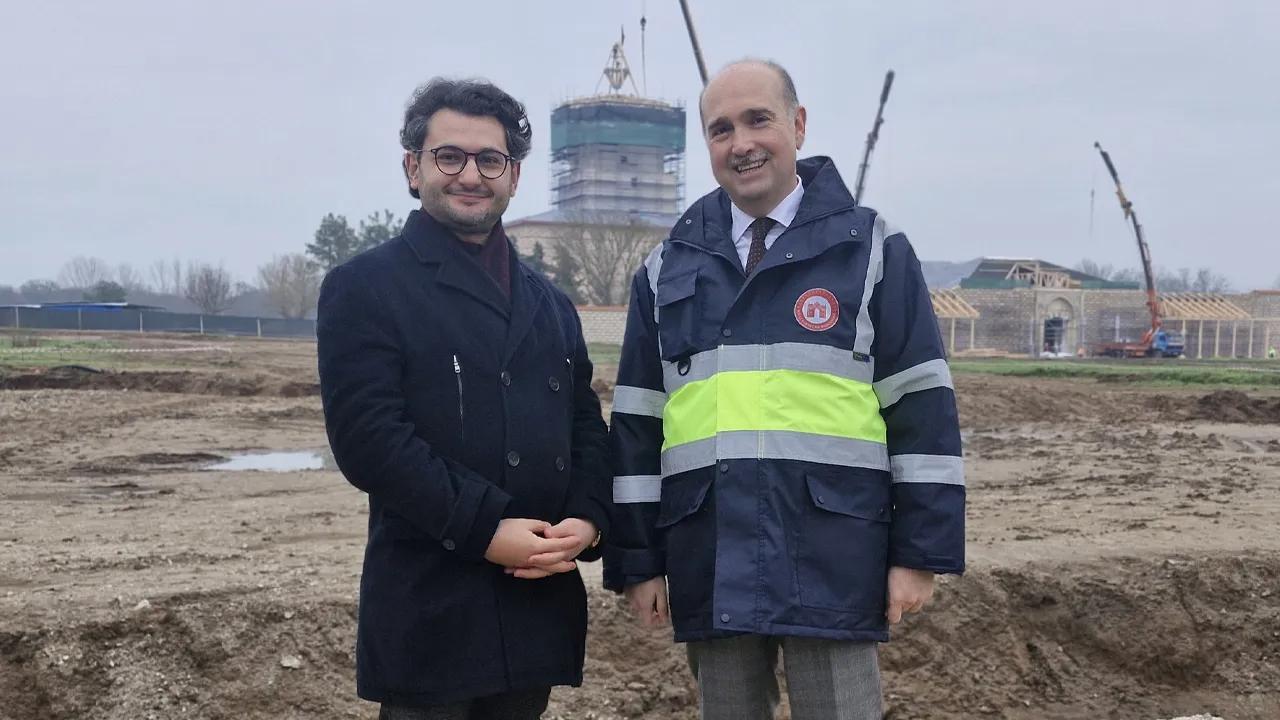

Now, the palace’s century-and-a-half-long dramatic story is finally coming to an end. The revival work that has been carried out by the National Palaces for three years has reached the halfway point. We were in Edirne to see the work on site. Putting on our boots and walking along muddy paths, we went in through the Babussaade gate, just like at Topkapi. The restored Adalet Kulesi stood before us in all its splendor and seemed to speak volumes about the Ottoman understanding of statecraft.
Meanwhile, the Cihannuma Kasri was also being raised back up, with stakes being driven in for the spire on its tower. Historic walls had been rebuilt, and the wooden-columned porticoes surrounding the Arz Odasi (Chamber of Petitions) had been finished off. Work, in turn, was continuing at the Kum Kasri. As the revival effort entered its third year, roughly half of the previously prepared master plan had been carried out.
In the documentation-based reconstruction work at Edirne Palace, historic stones unearthed from beneath the soil are being used. Where those stones do not measure up in quantity, the revival is being carried out with stones obtained from similar sources. National Palaces President Yasin Yildiz says that Edirne Palace once had more than a hundred structures, but that only some of them have made it to the present day. When I asked him about criticism aimed at reconstruction, meaning rebuilding structures from scratch, he responded: “We are not putting up imaginary buildings; we are working on the basis of documents. That is exactly why we are limiting it to 11 structures. These are structures whose features can be identified with all scientific criteria; they are in a condition to be revived through excavation remains, photographs, and other documents. Otherwise, more structures could have been revived.”
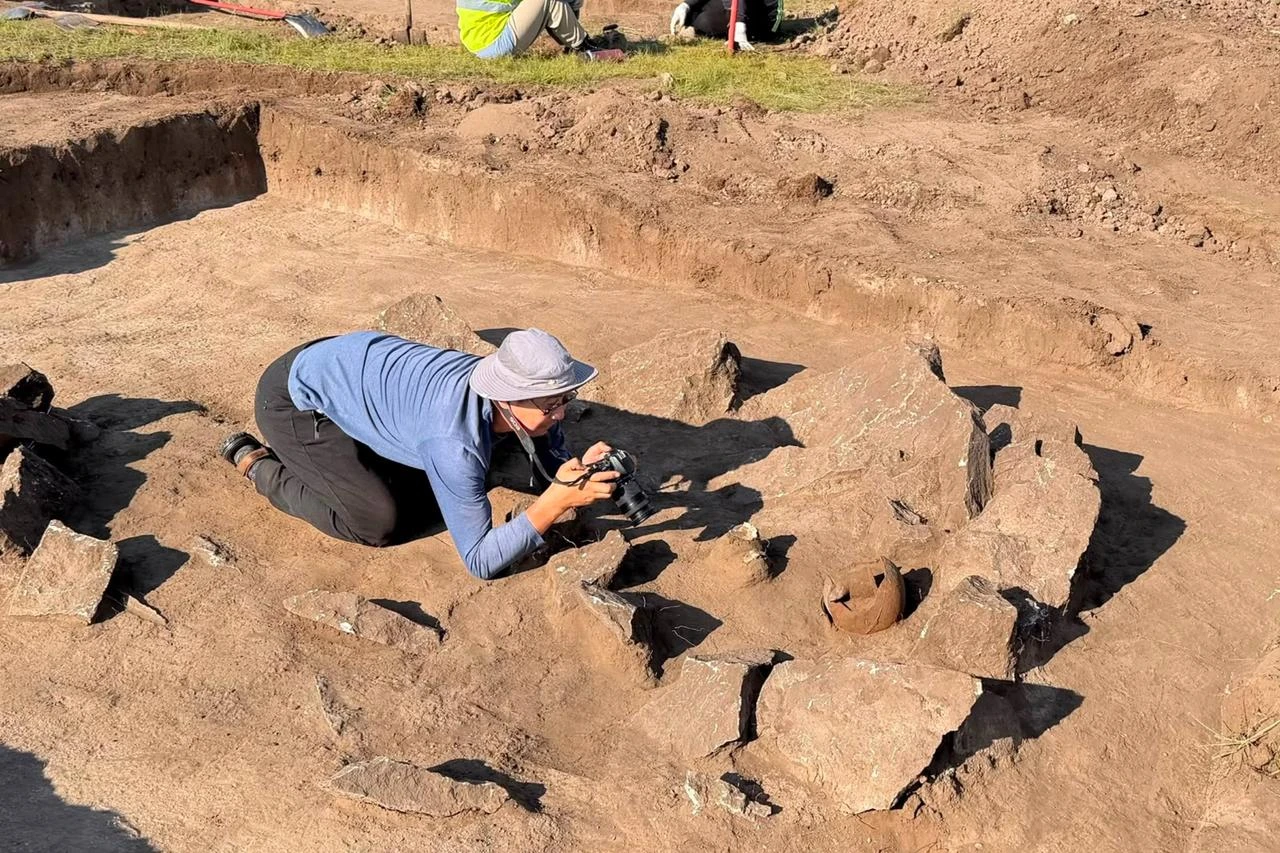
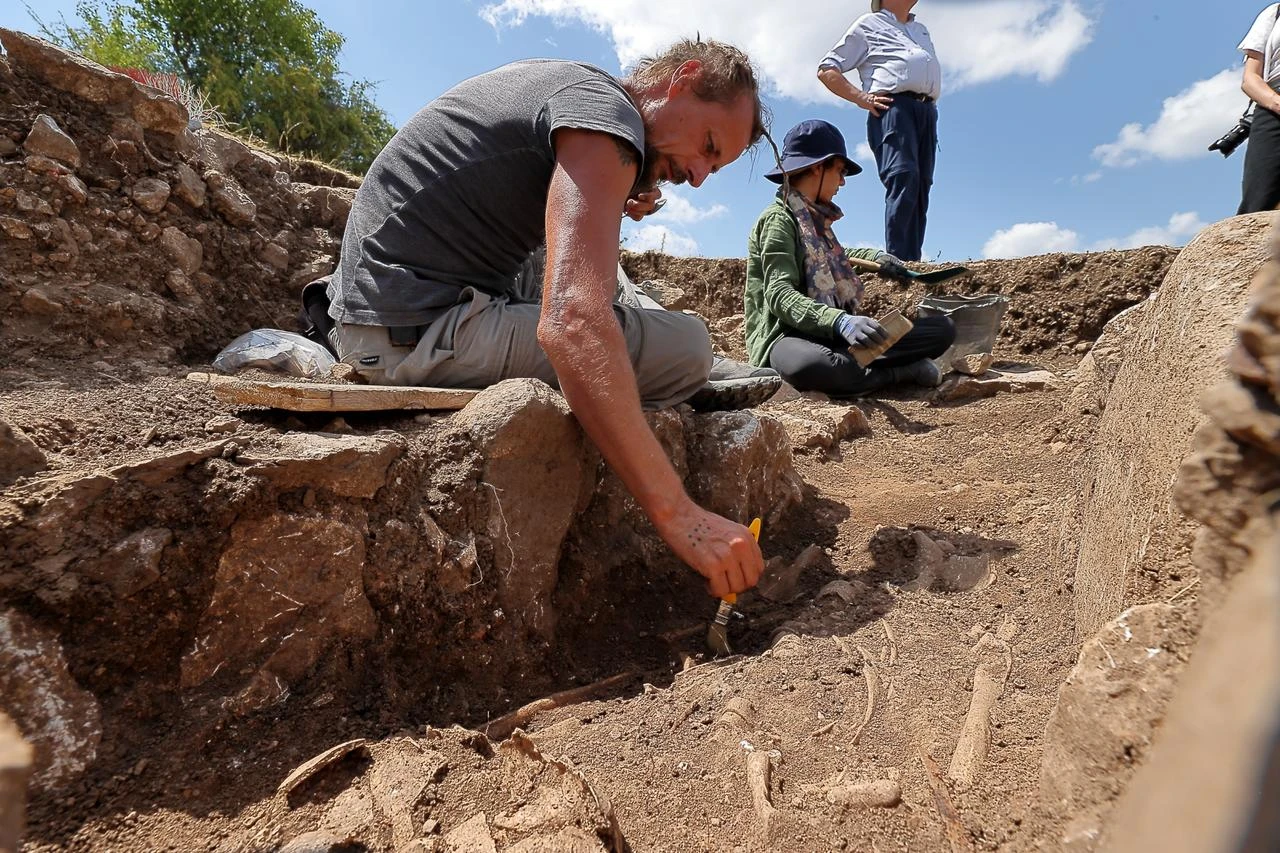
Many areas at Edirne Palace remain buried underground. The most enigmatic section is the Harem area, which has not survived to the present day.
Yasin Yildız said excavation work in this section is ongoing and will take several more years to complete. Many structures on the Harem side have not survived to the present day. Excavations to be carried out here can give us clues about the lost structures. There are some pools mentioned in the sources; we think we will reach them through excavations. In this way, we will bring 65 percent of the palace into the present day,” he added.
Yildiz said the revival work will finish by the end of 2027, and that in 2028, the Edirne Palace will open its doors and be toured with tickets, just likethe Topkapi Palace. He said, “This is a cultural heritage that was on the verge of being lost. Now it is being brought to light with the biggest revival project underway in Türkiye.”
Artifacts excavated at Edirne Palace will be displayed at the Edirne Palace Museum to be established at the Mahmudiye Barracks.
“Here, we found portable artifacts. We also have artifacts used by the sultans who lived in this palace in Edirne from 1450 to 1750. We have a significant portion of them as well. All of this cultural heritage will be exhibited at the Mahmudiye Barracks under the name Edirne Palace Museum,” Yildiz added.
As the Edirne Palace remained a ruin in past centuries, it is thought that some of its artifacts were taken abroad. It is claimed that smuggled pieces from the Edirne Palace include tile panels. Some of these are said to be located at the Victoria and Albert Museum in London, the capital of England.
It is known that Türkiye has made attempts to secure the return of such artifacts.


 Set as preferred source
 Set as preferred source


 3 min read