Newsletters


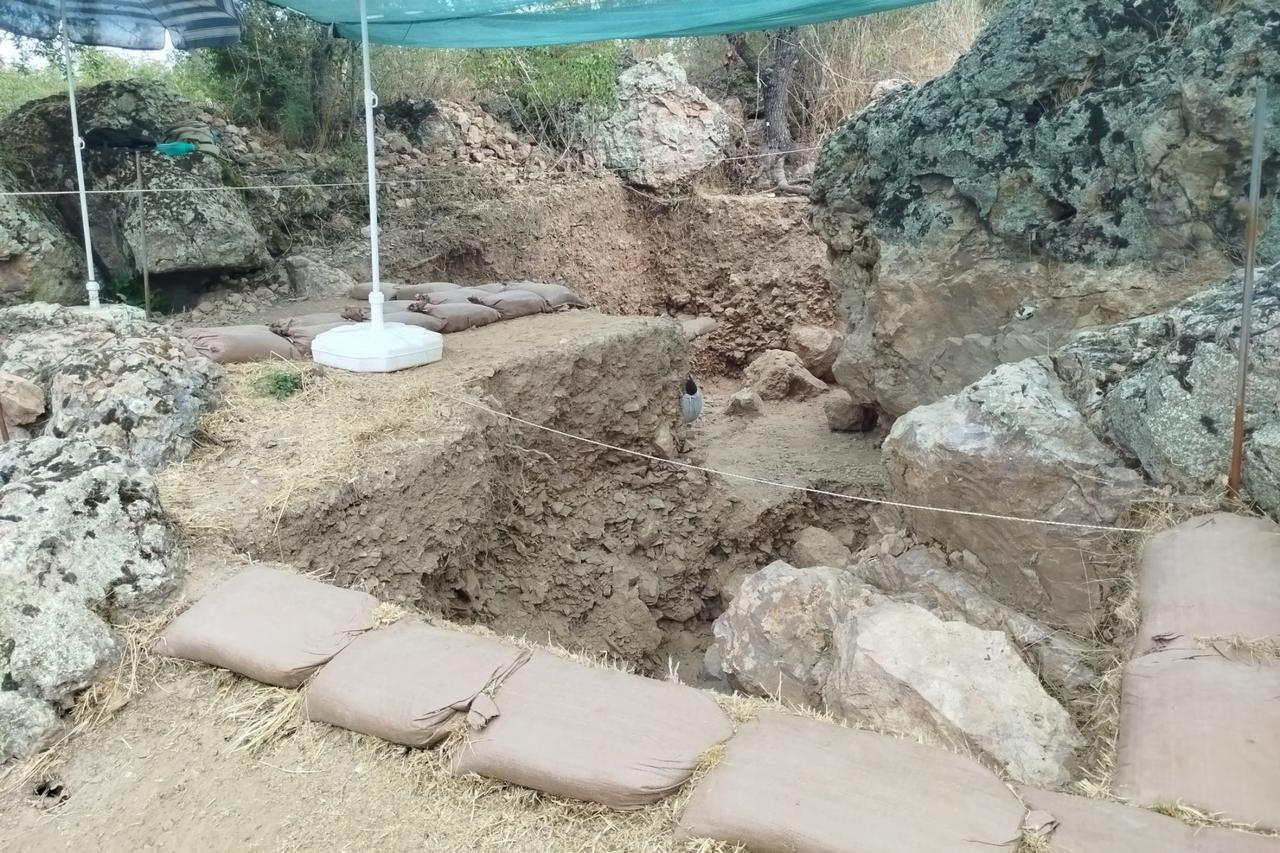


Archaeologists working at Inkaya Cave in northwestern Türkiye are preparing to use environmental DNA (eDNA) analysis on sediment from layers associated with human activity dating back as far as 86,000 years, as researchers seek to reconstruct the cave's prehistoric ecosystem despite the absence of preserved human, animal or plant remains.
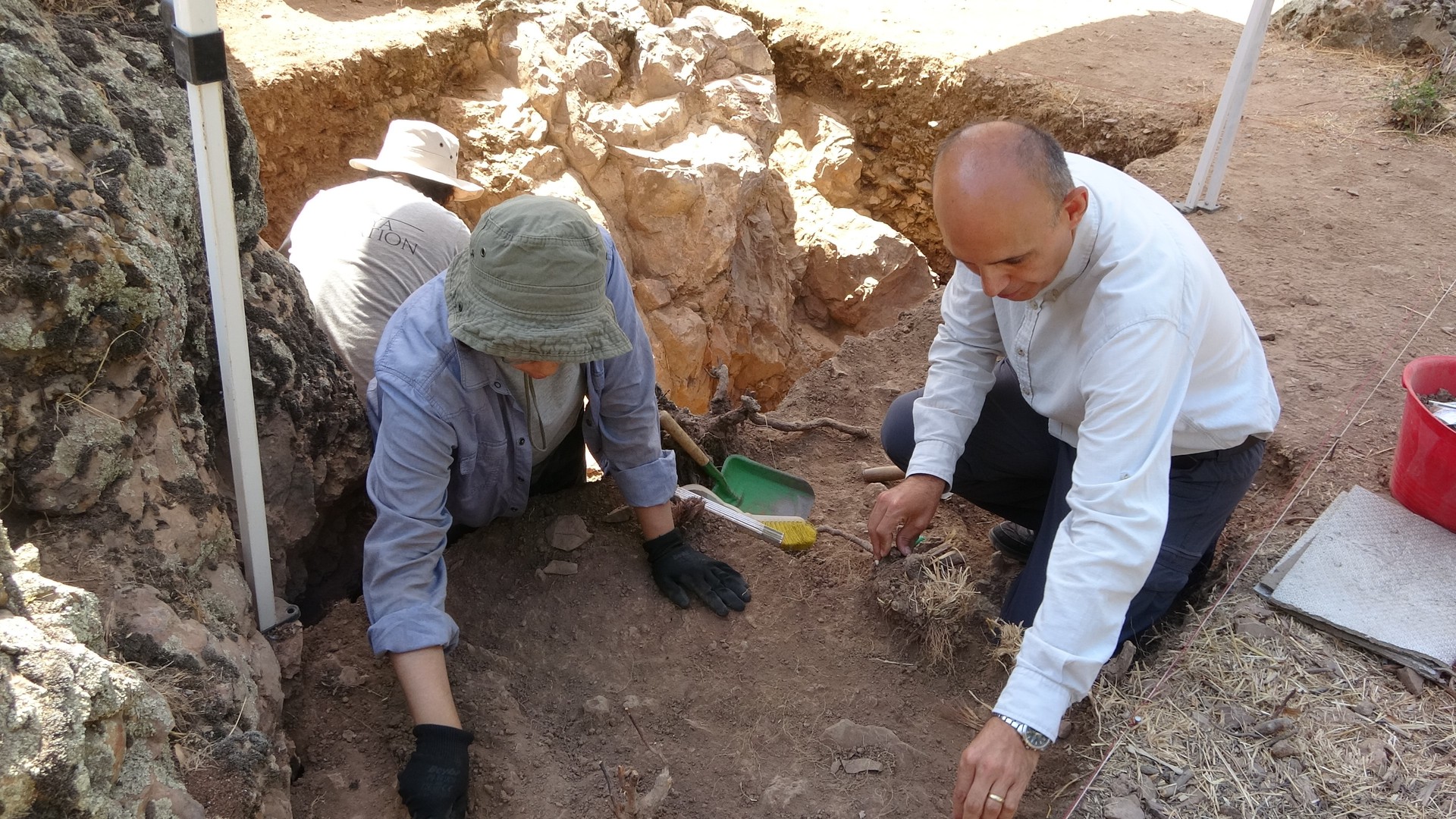
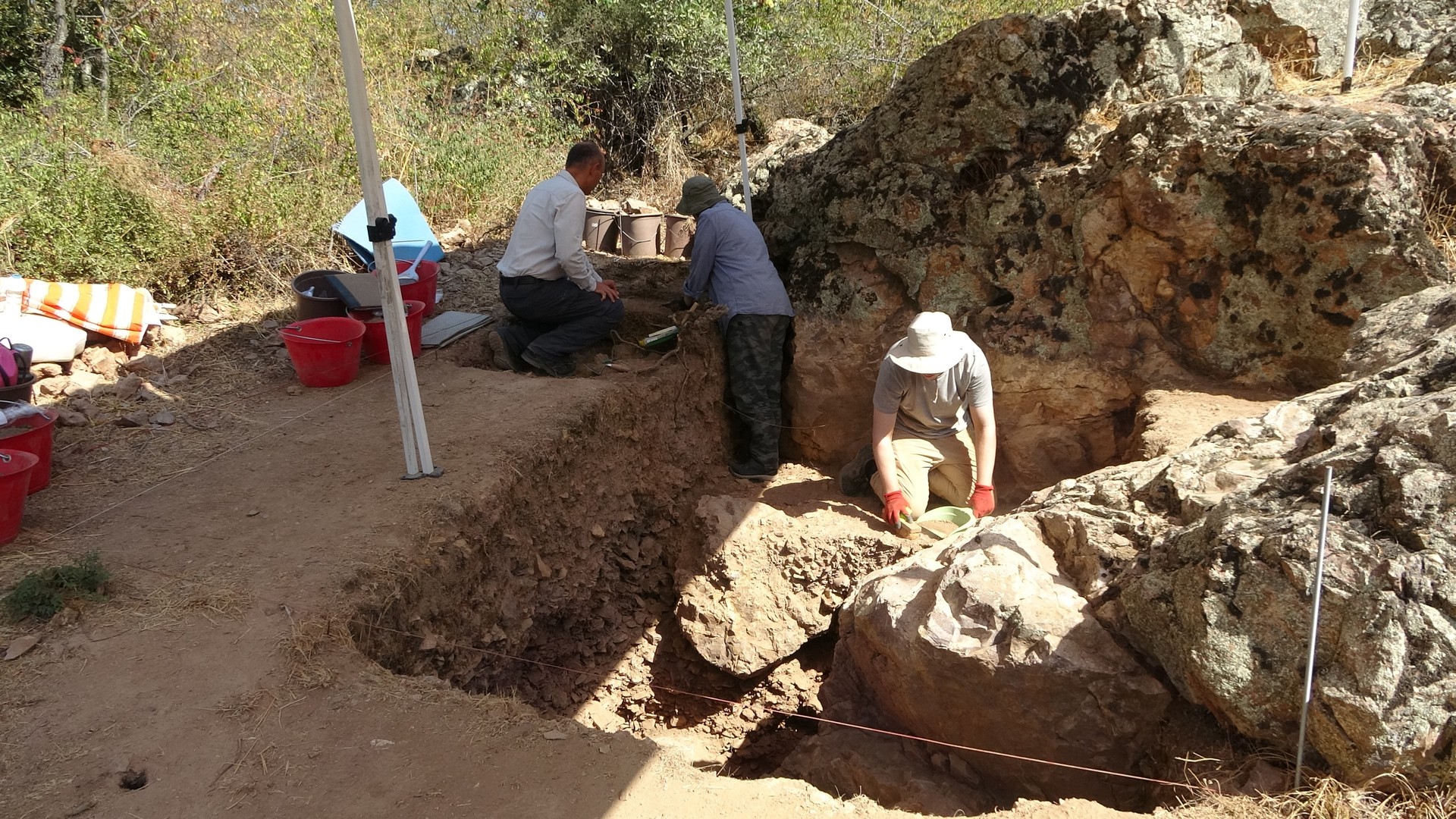
The 2026 excavation season is underway at the cave near Bahadirli village in Can district of Canakkale, where work has been ongoing since 2017. The excavation is led by Ankara University's Professor Ismail Ozer with a team of 25 researchers and is supported by Türkiye's Ministry of Culture and Tourism.
The term eDNA refers to genetic material preserved in environmental samples such as soil or sediment rather than DNA taken directly from bones, tissue or other visible biological remains.
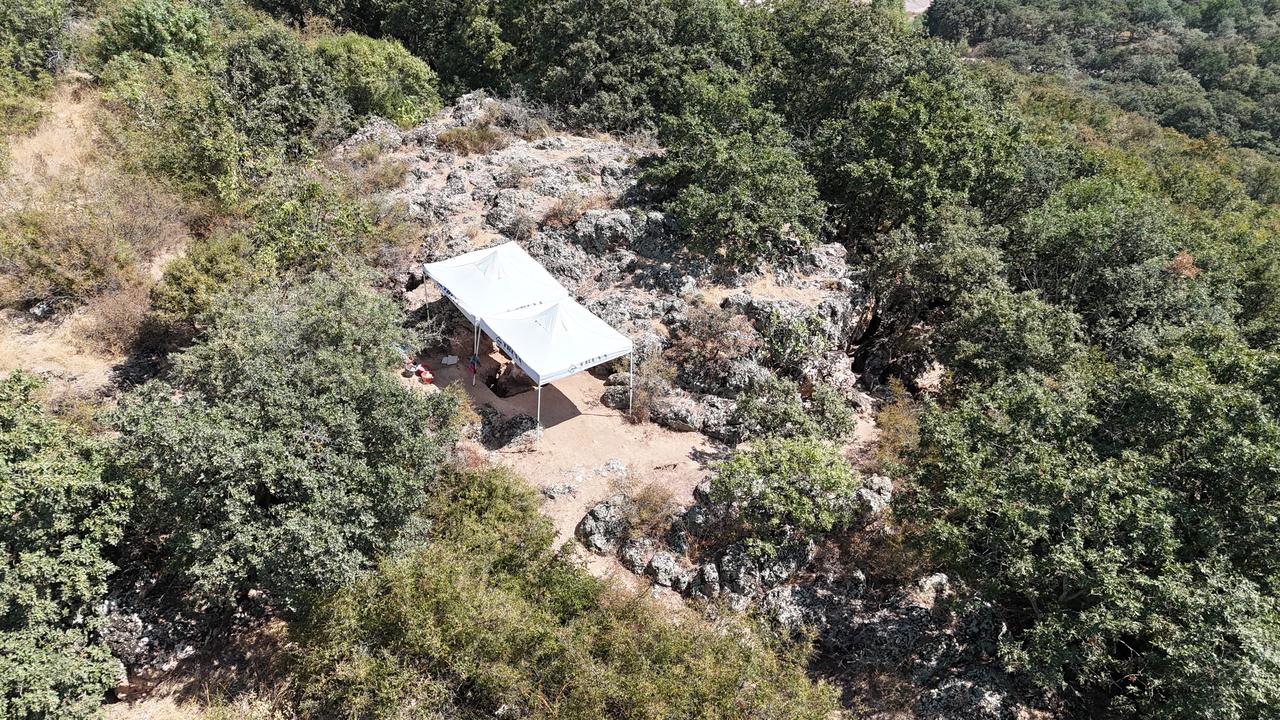

Although archaeologists have uncovered nearly 43,000 chipped-stone artifacts at Inkaya Cave over the past decade, no organic remains belonging to humans, animals or plants have yet been found.
Researchers therefore plan to take sediment samples from different parts of the excavation area. Specialists from Ankara University's Evolutionary Genetics Laboratory will work with the Agrigenomics Hub Animal and Plant Genomics Research Innovation Center to examine DNA traces preserved in the sediment.
The study will focus on genetic material belonging to plants, animals and microorganisms in an effort to build up a clearer picture of the area's past ecosystem and biological environment.
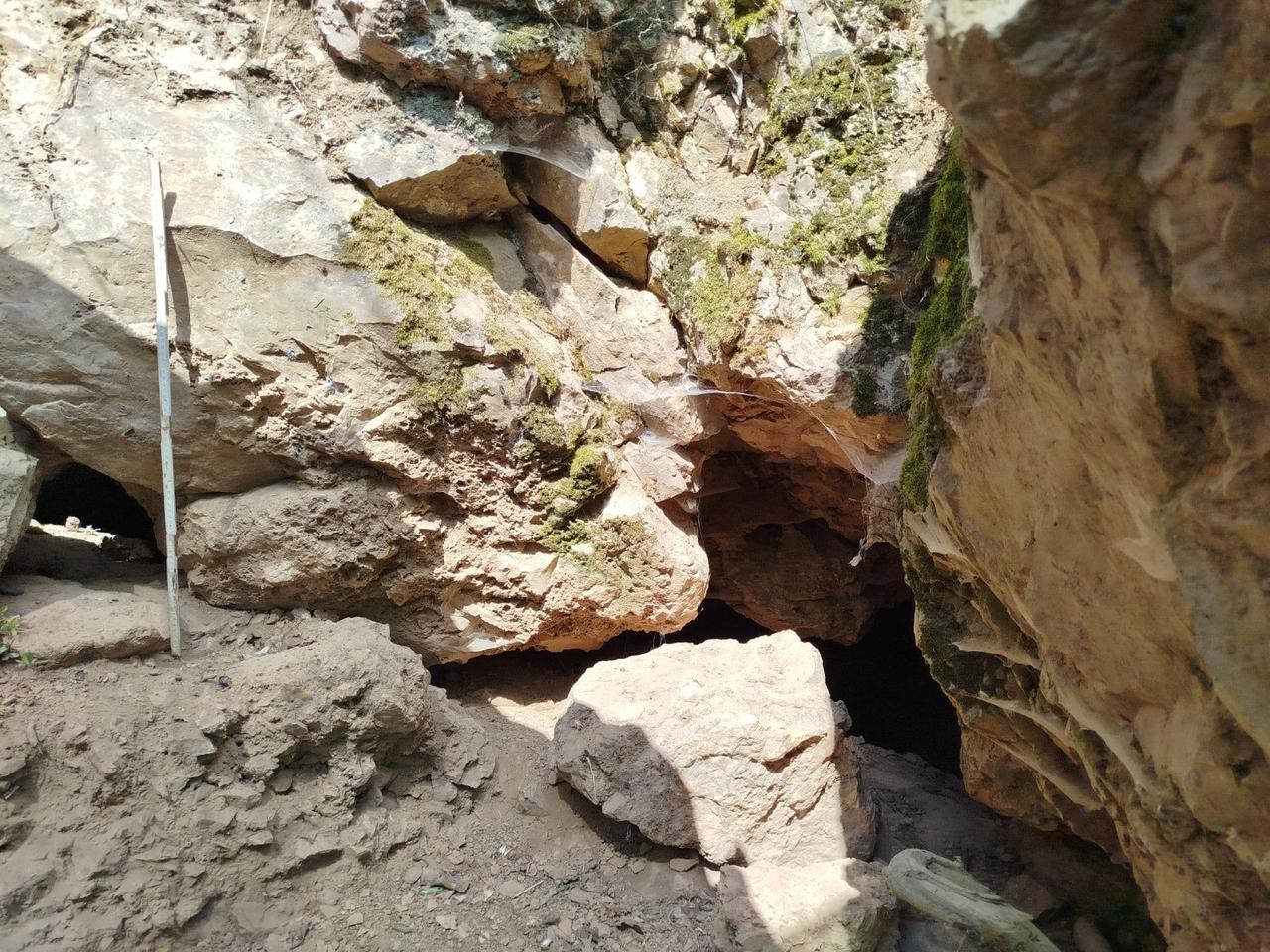
The cave has yielded flakes, blades, scrapers, points, notched and denticulated tools, cores and hammerstones made from flint and basalt.
Archaeological layers uncovered at the site contain traces of human occupation reaching back around 86,000 years. Researchers aim to use the stone tools and other finds, together with any future skeletal discoveries, to better understand how Paleolithic communities lived, what they ate, how they behaved and used different parts of the cave.
The Paleolithic, or Old Stone Age, refers to the long prehistoric period in which humans primarily relied on chipped-stone technology.
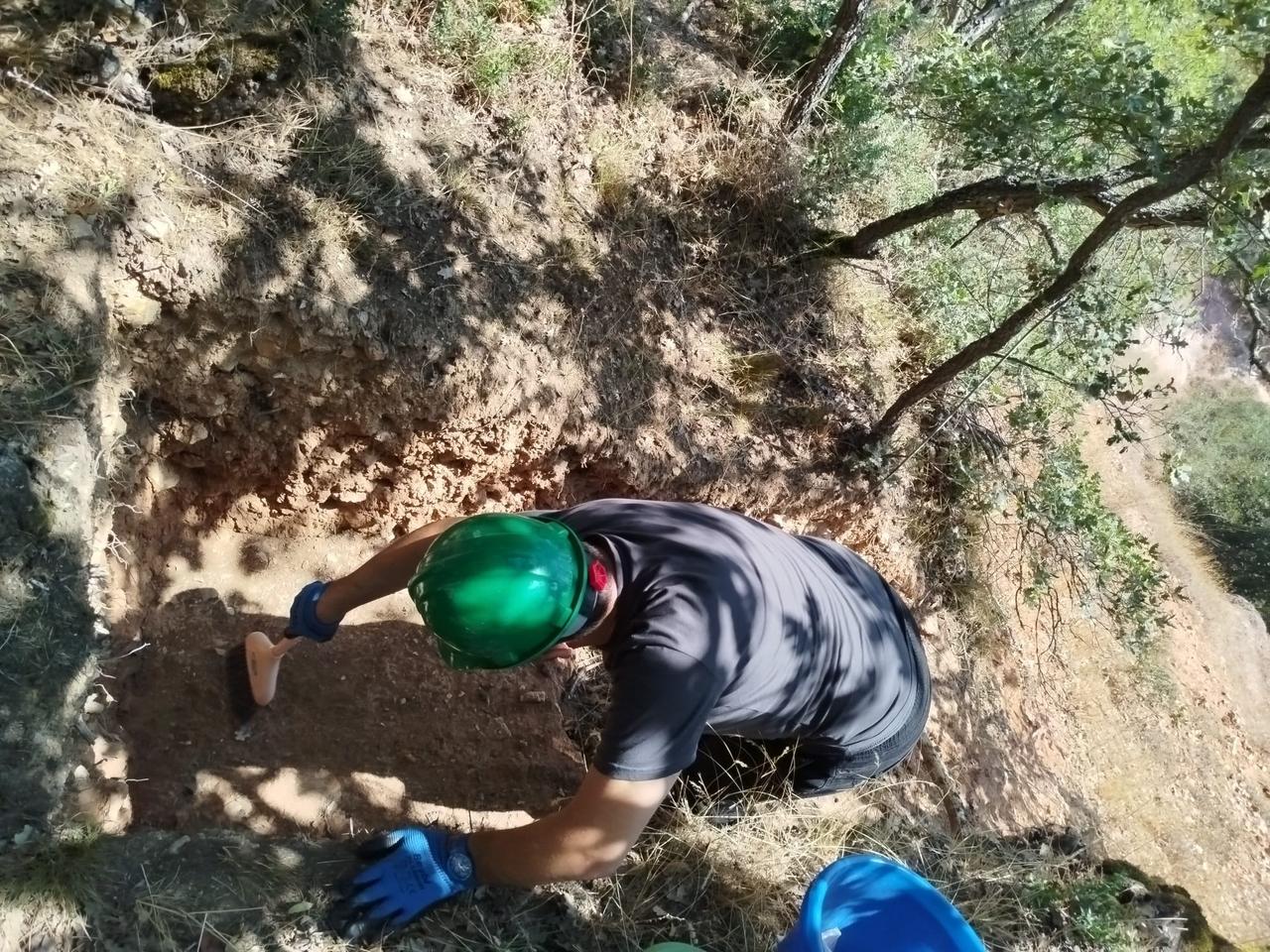
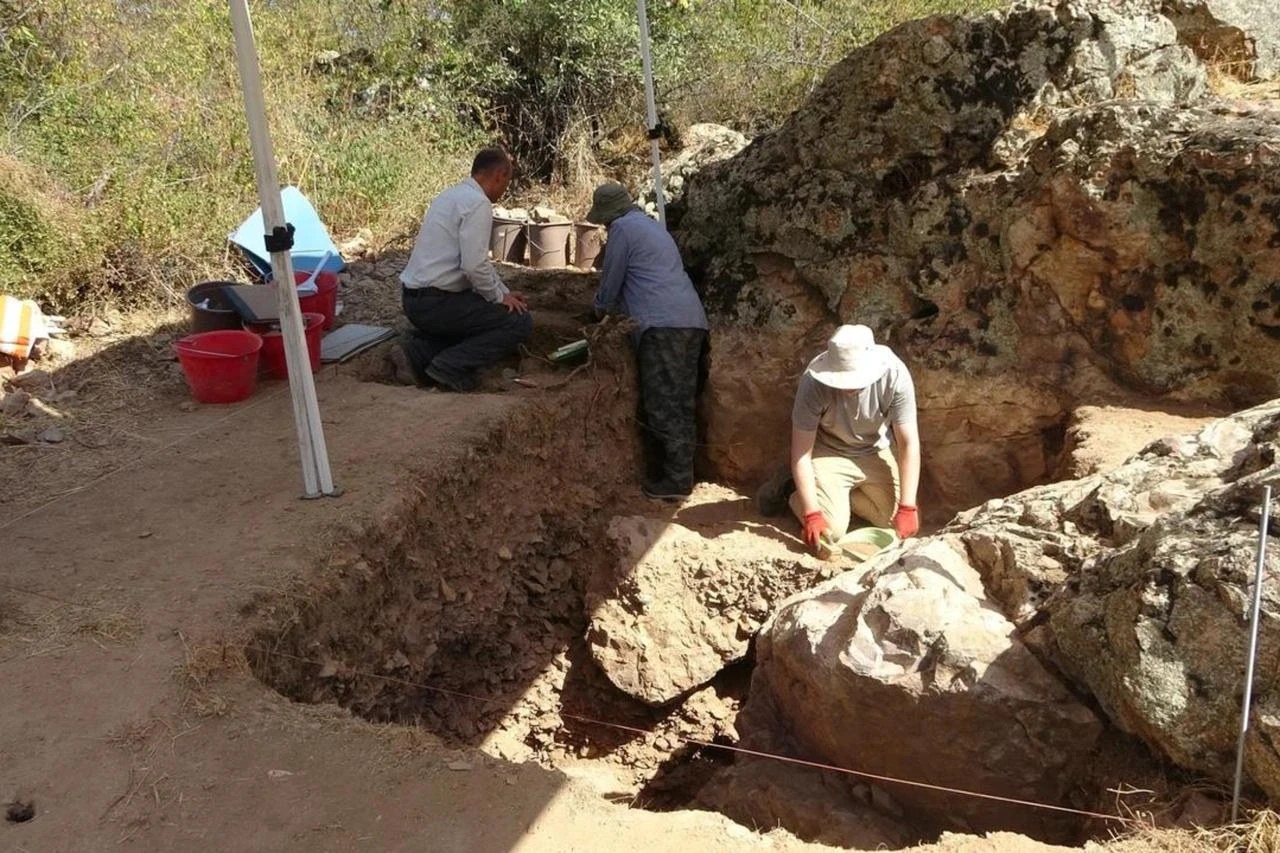
Work during the 2026 season is taking place in at least three areas, with much of the excavation centered on a workshop zone west of the cave's main section.
Researchers believe this was an area where prehistoric occupants produced stone tools before leaving behind manufacturing debris. The deposit there is now more than 3.5 meters deep and extends toward the cave's western entrance.
As archaeologists dig further down, they have also begun reopening an entrance that had gradually been blocked by accumulated soil. Expanding the excavation trenches is expected to allow researchers to work for the first time in undisturbed layers inside the cave.
Alongside archaeological work, the 2026 program includes landscaping and the installation of information panels for visitors.
Inkaya Cave was first identified during a surface survey in 2016, while excavations began the following year under the Canakkale Museum Directorate. The project entered its 10th excavation season in 2026.


 Set as preferred source
 Set as preferred source


 1 min read
 1 min read