

 Newsletters





Eurovision will no longer allow a winning broadcaster to host the song contest when armed conflict, geopolitical tensions or other instability puts security and safety at risk, under revised rules that will come into force next year.
The changes were approved by Eurovision's governing Reference Group following its annual review and feedback from participating broadcasters after the 2026 contest in Vienna, ahead of the next edition in Bulgaria.
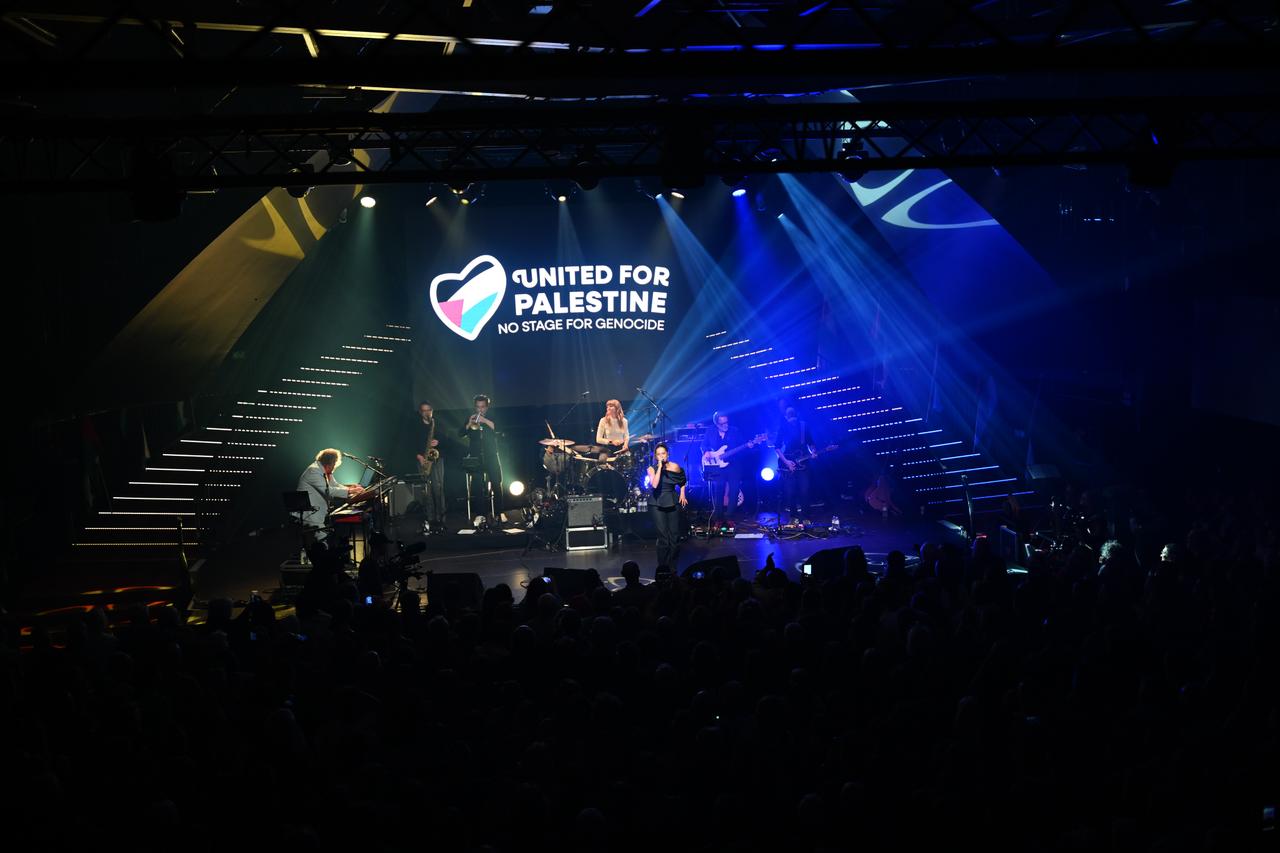

Under the revised rules, a winning broadcaster will automatically lose its right to host if conditions in its country or immediate region pose a serious threat to security, safety or stability.
"The Rules of the Contest now say the winning broadcaster will automatically be ineligible to host the Contest if an armed conflict, a sensitive geopolitical situation, or any other situation materially affects the security, safety or stability of their state or immediate region," Eurovision said.
The European Broadcasting Union (EBU), which oversees Eurovision, may also commission an independent security assessment before appointing an alternative host broadcaster when necessary.
In such cases, the replacement broadcaster will organize the contest in its own right rather than staging the event on behalf of another EBU member.
The revisions will also raise the minimum age for contestants, requiring every competing artist to be at least 18 on the day of their first rehearsal, up from the previous minimum of 16.
Eurovision has also clarified its rules on vocals, requiring lead singers to perform the main melody live. Pre-recorded elements and backing tracks will remain permitted, although they cannot replace or unduly assist the lead vocal.
Eurovision Director Martin Green said the changes were designed to strengthen clarity, artist protection and safety while maintaining the contest's "spirit and integrity."


 Set as preferred source
 Set as preferred source


 1 min read


 1 min read


