Newsletters


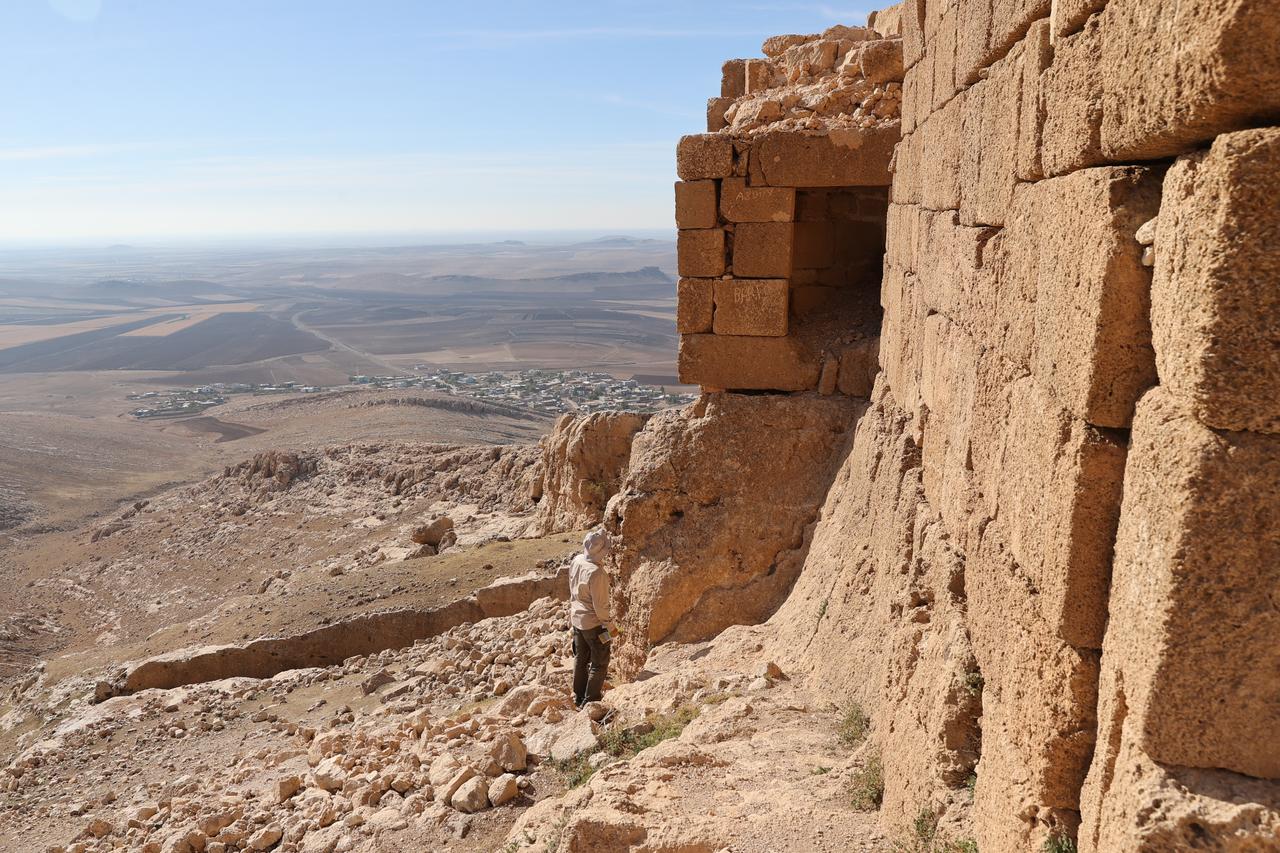


Archaeological excavations have begun at Rabat Castle in the southeastern Turkish province of Mardin, marking the first systematic dig at one of the region’s best-preserved historical sites.
The castle, located in the rural Hisaralti neighborhood, sits at an elevation of 955 meters and covers an area of around 5.5 hectares.
Experts believe it was built during the Late Roman period to protect trade routes and defend against incursions, including those linked to the Sassanid era.
The excavation is being carried out under the supervision of the Mardin Museum Directorate, with permission from the Ministry of Culture and Tourism’s General Directorate of Cultural Assets and Museums.
The work is led by Mardin Museum Director Idris Akgul, with archaeologists Mehmet San and Erkan Guzel taking part in the project.
Due to the lack of road access, the excavation team reaches the site on foot after a walk of about one and a half hours.
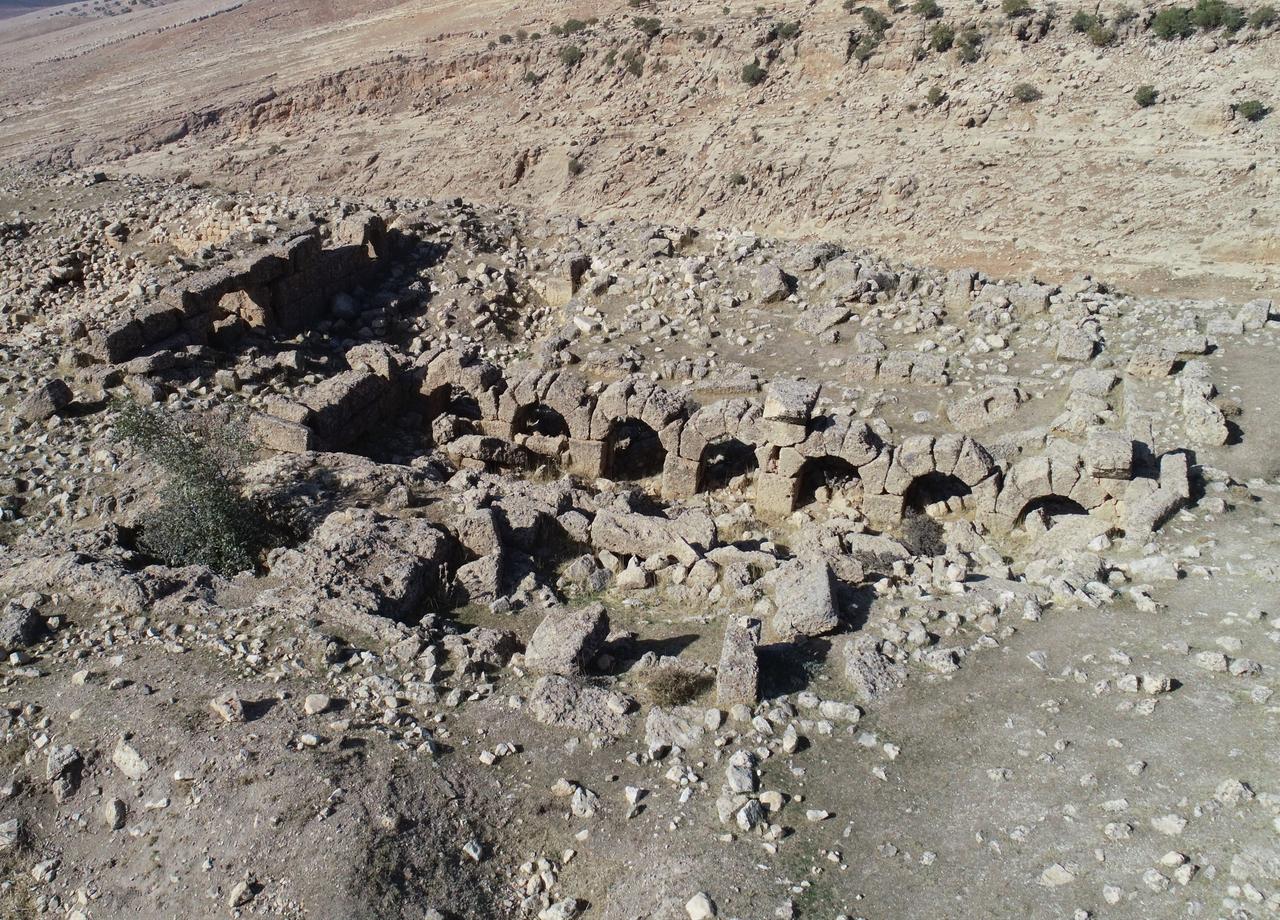

Rabat Castle contains a wide range of structures, including watchtowers, defensive walls, churches, military and civilian buildings, altars, rock tombs, and water channels.
Archaeologists say the site stands out for its level of preservation.
Akgul said the team began excavations this year at a structure believed to be a chapel. He noted that the site had first been documented in 1866 by travelers and researchers, who recorded the presence of churches, cisterns, and other well-preserved remains.
“Our surface studies of ceramic groups show that the site was used from the Hellenistic period through the Roman, Byzantine, and Artuqid periods,” Akgul said.
“We have identified ceramic fragments from each of these eras, as well as arrowheads and coins. These are important finds for documenting the history of the site.”
He added that the castle has a history of nearly 2,000 years and remains one of the most intact archaeological areas in the region after the ancient city of Dara.
According to researchers, Rabat Castle occupies a strategic position overlooking the Mesopotamian plain. It is believed to have controlled the area between Diyarbakir and the Viransehir district of Sanliurfa.
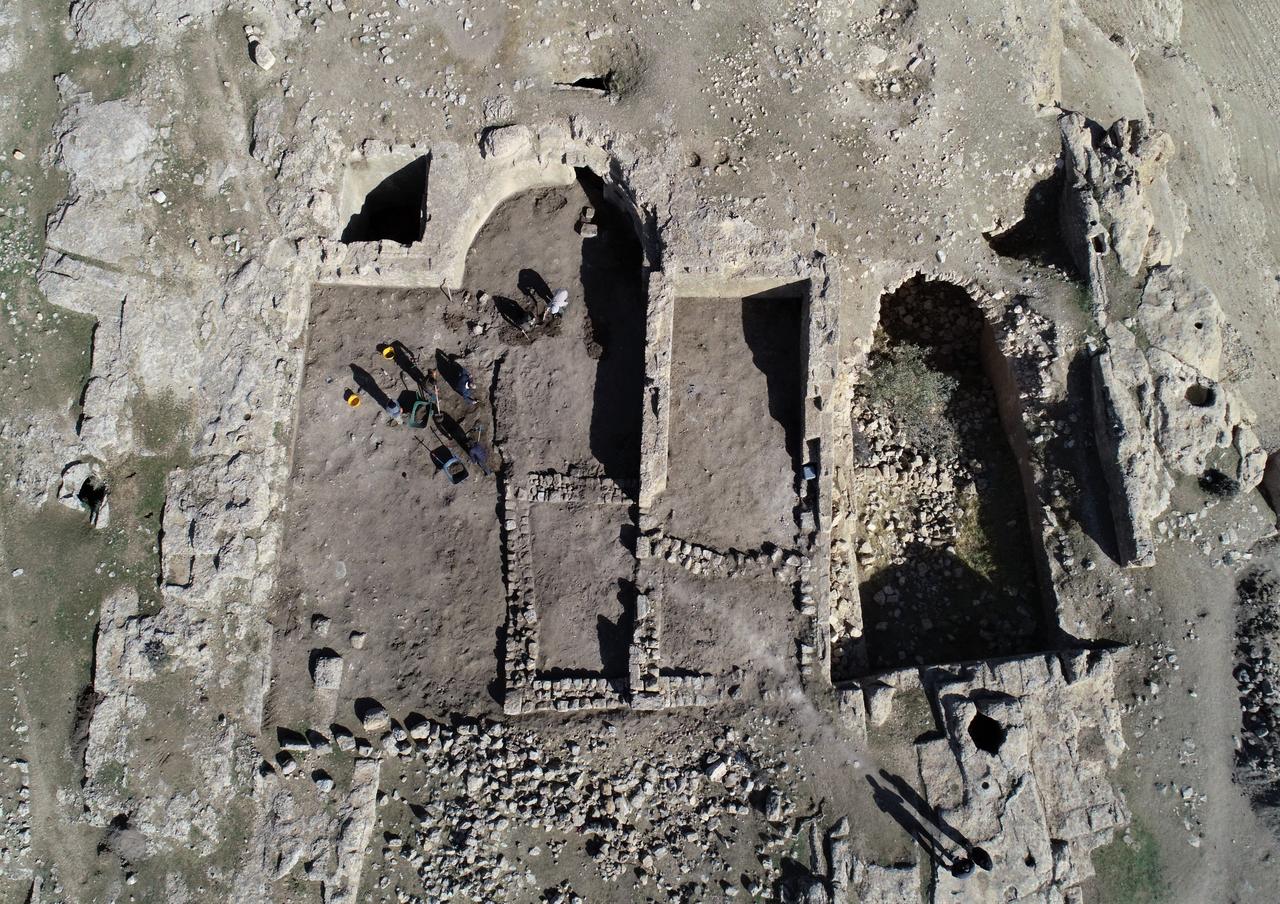
Akgul explained that the western section of the castle features large defensive walls and ditches, while the upper area contains religious and residential structures, including churches, chapels, cisterns, and housing units.
“The castle was built on an ancient route,” he said. “Its location suggests it served both defensive and commercial purposes. It was likely used to protect trade caravans and defend the region against attacks, particularly during the Sassanid period.”
Excavations are currently focused on a small rock-carved church. In future seasons, work is expected to continue at a larger structure known as the Rabat Church.
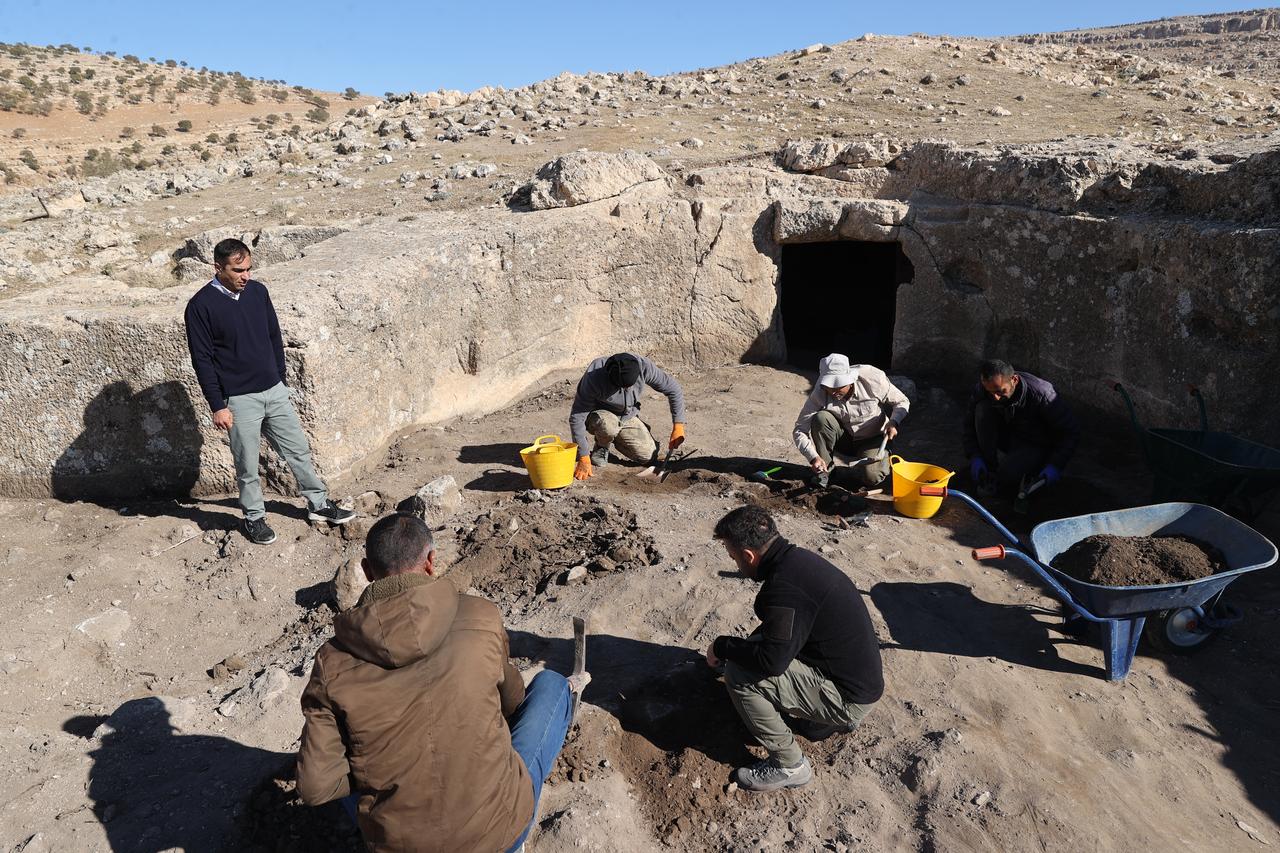
The excavation team aims to uncover and preserve the well-preserved structures in order to include the site in a broader cultural tourism route.
Akgul said the project will continue year-round in the coming years as part of the Culture and Tourism Ministry’s Heritage for the Future program.
“As excavations progress, we expect to shed more light on the history of the region,” he said.
Local residents have also expressed support for the project. Rohan Ates, who lives in Hisaralti neighborhood and works at the excavation site, said the discoveries have already changed how locals view the area.
“We walk for about one and a half hours every morning to reach the site,” he said. “It has a history of nearly two thousand years. We want it to be opened to tourism so everyone can see it. Our elders talked about this place, but we did not know it was this old. As the work continues, we believe very important structures will emerge.”
He added that residents hope the site will become a new cultural attraction for the region once excavations are completed.


 Set as preferred source
 Set as preferred source



 2 min read