Newsletters


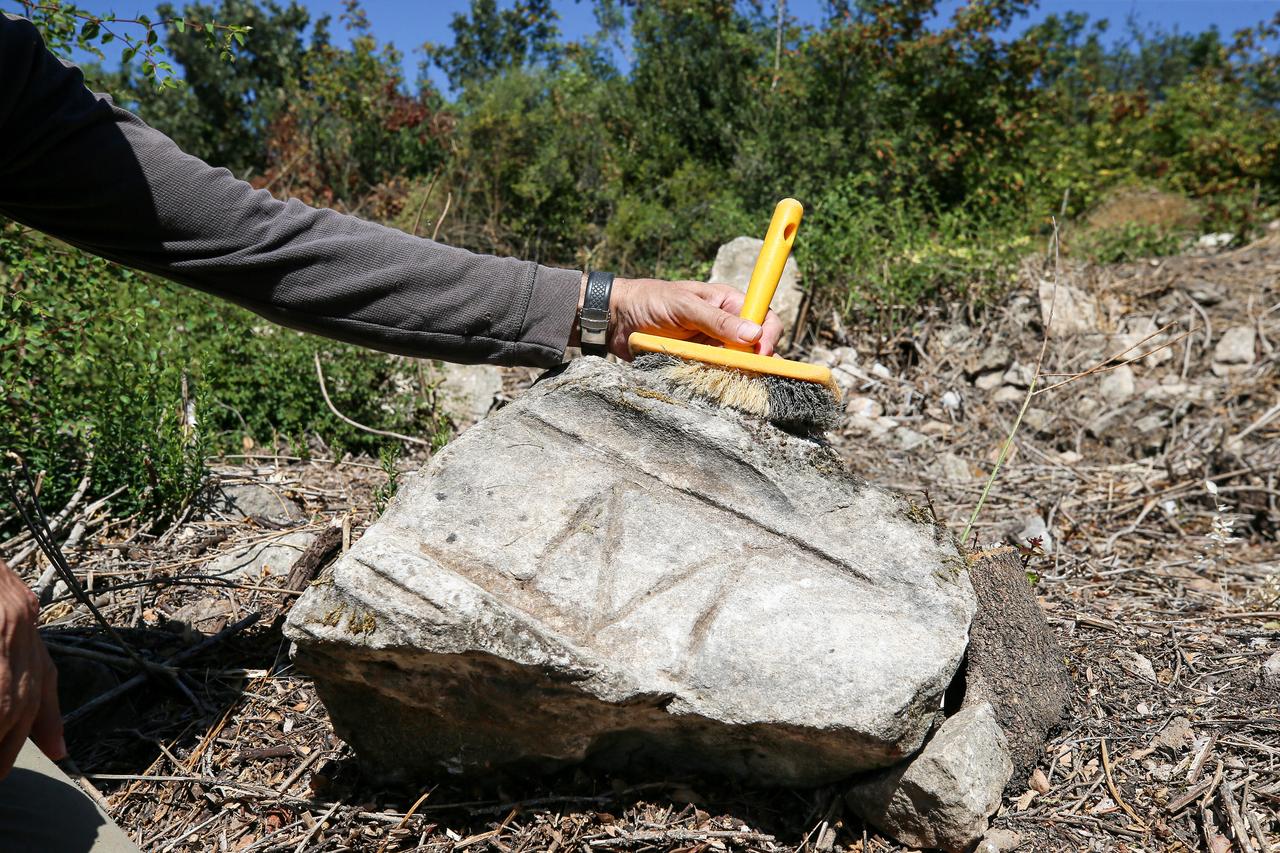


Archaeological excavations have begun at Hadrianoi, a Roman-era city founded by Emperor Hadrian in the year 123 in the Orhaneli district of Bursa, a city in northwestern Türkiye.
The dig covers about five decares (1.2 acres) and is being carried out under the authority of the Bursa Museum Directorate, with permission from the Ministry of Culture and Tourism. Derya Sahin, a faculty member at Bursa Uludag University's Department of Archaeology, is providing scientific advisory support for the project.
Hadrian founded Hadrianoi on the southern slopes of Uludag, a mountain near Bursa, in an area where he had hunted in the year 123. The excavation aims to pinpoint the city's exact location and establish the region's historical significance.
Bursa Museum Director Ahmet Turkmenoglu said Orhaneli, one of Bursa's oldest districts, has been continuously settled since the Roman period, adding that the existence of a city called Hadrianoi in the district has long been known.

Turkmenoglu said Hadrian traveled to Anatolia to inspect the region following an earthquake, visiting the Mysia and Bithynia regions before passing through Izmit and Iznik and continuing toward Erdek.
While passing the foothills of Uludag, Hadrian founded a city named after himself, drawn to the area for its suitability for hunting, one of his favorite pursuits.
Turkmenoglu noted that a road dating back to the Roman period and still in active use today passes through the area, connecting to Harmancik, Kutahya and Balikesir. He said the city was established along this road, and that thermal springs in the region may also have been used at the time.
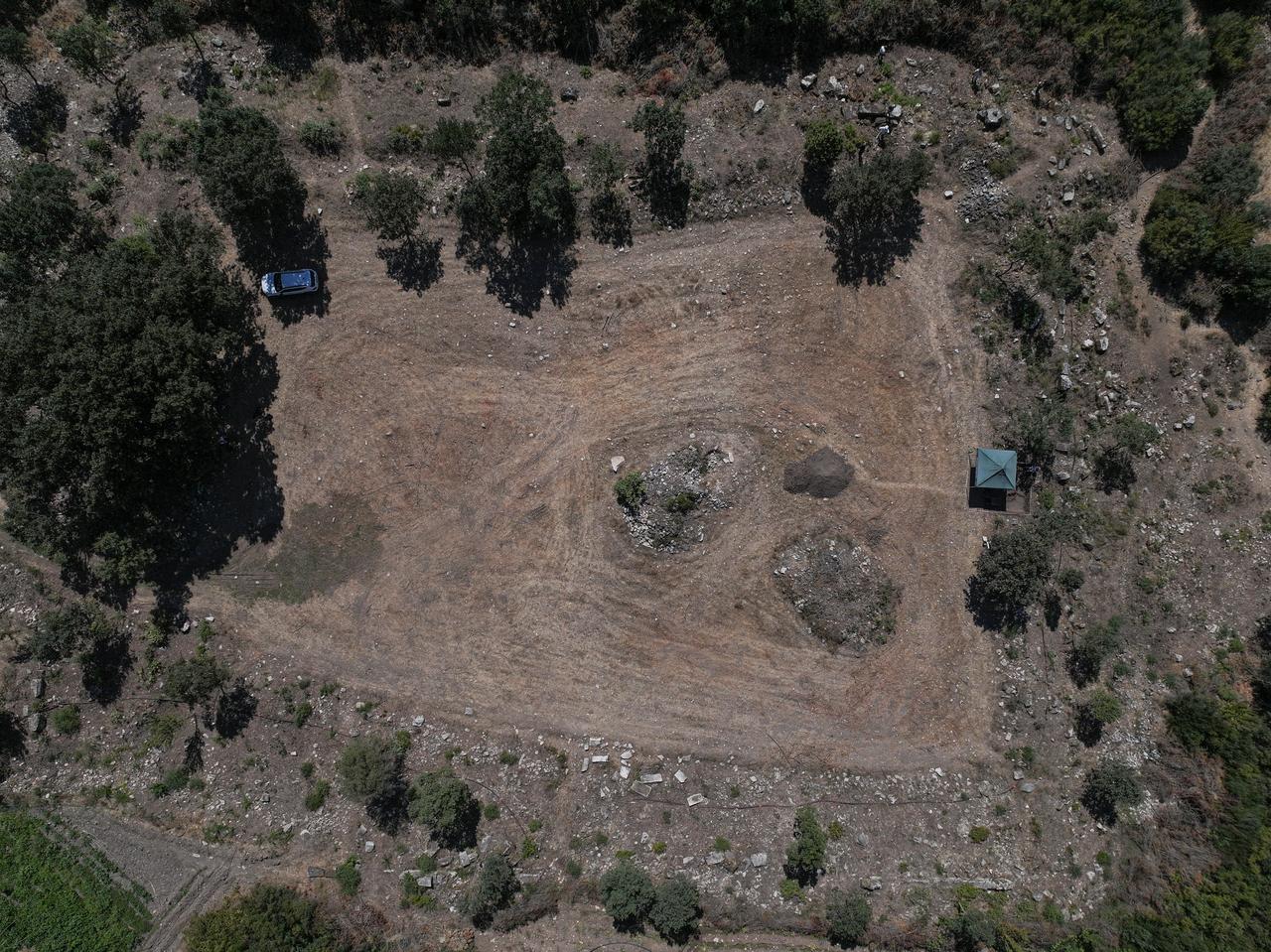
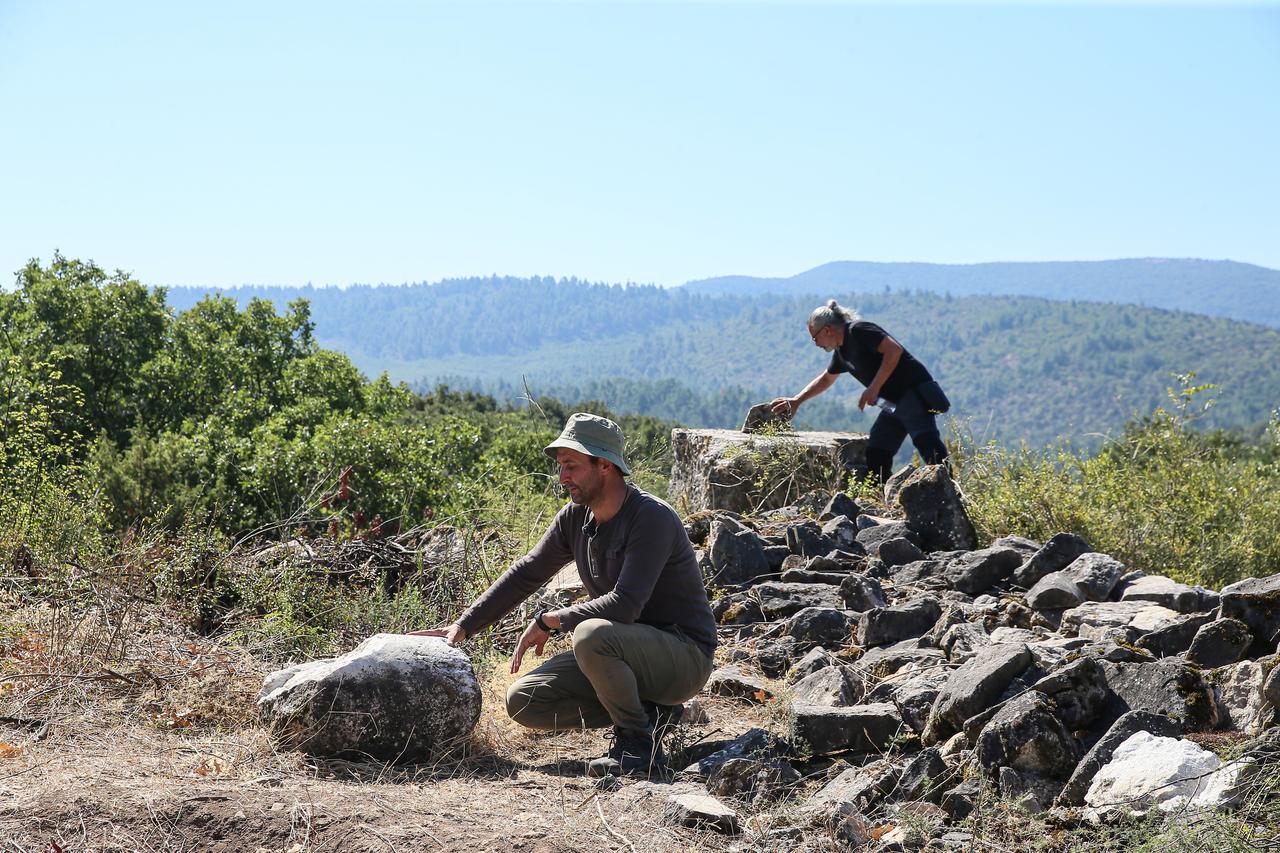
Describing the site as untouched before work began, Turkmenoglu said his team found itself inside a large, monumental structure after initial clearing work.
"We stepped into ground that had never been touched. After the clearing work, we found ourselves inside a massive, monumental structure. It may be an agora, a marketplace, or perhaps a gymnasium, an education complex. We will find out as we continue digging," he said.
Turkmenoglu said the five-person team is focusing on an area near the structure's entrance, close to its main wall, aiming first to reach the building's floor.
He said data gathered from that point would help reveal the structure's layout and architectural design, while other areas of the site would be excavated over time.
"As we continue digging within a monumental structure like this, we will likely encounter sculptural works in the floor sections over time. The structure is visible as it stands. Although the outer walls have crumbled in places, we can clearly see the walls and architectural elements still in situ, in their original position, in many areas," he said.
He added that the excavation and the work that follows are expected to create an important asset for the country's cultural tourism.


 Set as preferred source
 Set as preferred source



 1 min read