

 Newsletters




Recent excavations at the ancient city of Aspendos in Antalya have pushed back the known history of settlement at the site to around 6,000 years ago, after archaeologists uncovered pottery, bowls, and tools dating to the Late Chalcolithic period beneath the floors of ancient shops.
The findings show that the Aspendos acropolis, previously associated mainly with later periods, had human activity dating back to around 4000-3500 B.C., according to excavation director Associate Professor Mustafa Bilgin of Afyon Kocatepe University.
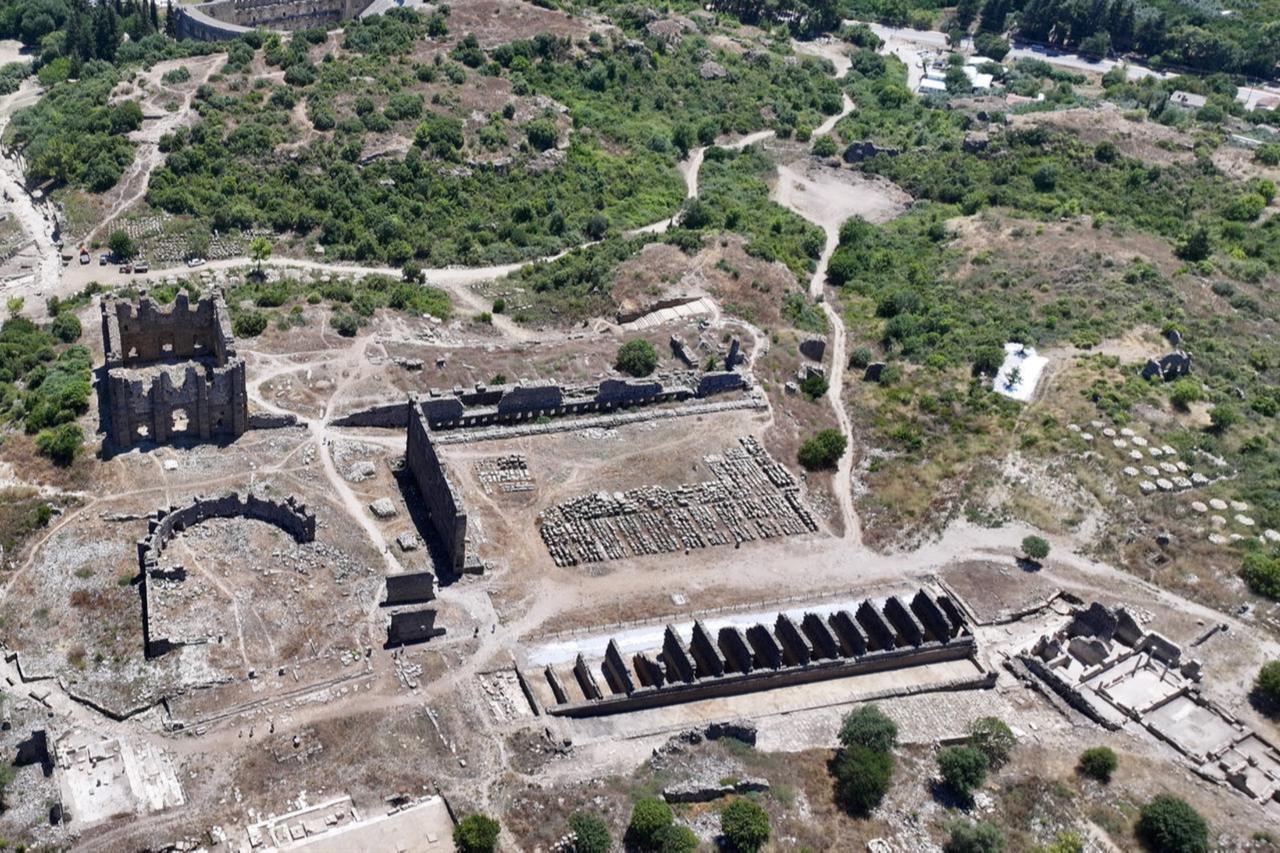
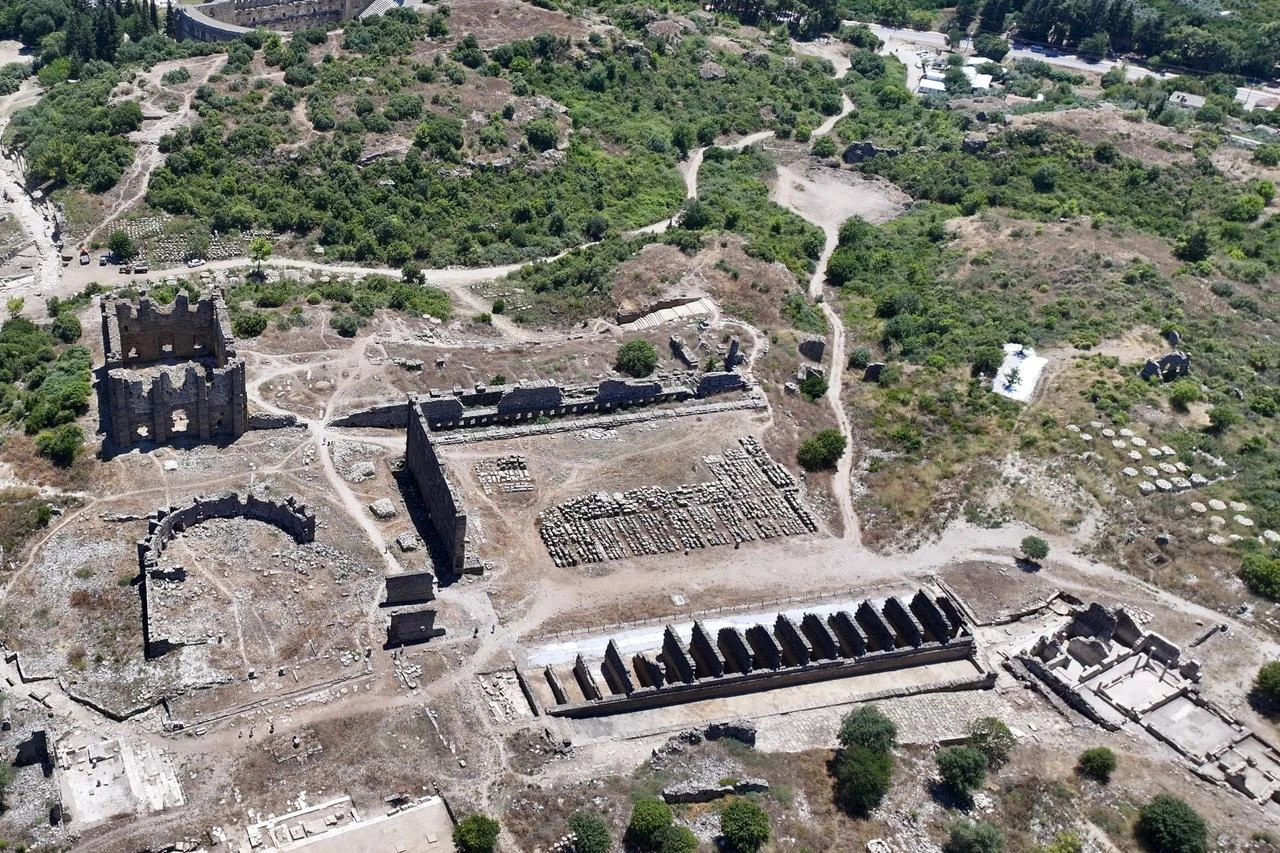
Located in the Belkis neighborhood of Antalya's Serik district, Aspendos was one of the major cities of ancient Pamphylia and is particularly known for its exceptionally well-preserved Roman-era theater and aqueducts.
Excavations at the site are continuing under Türkiye's Culture and Tourism Ministry's "Heritage for the Future Project."
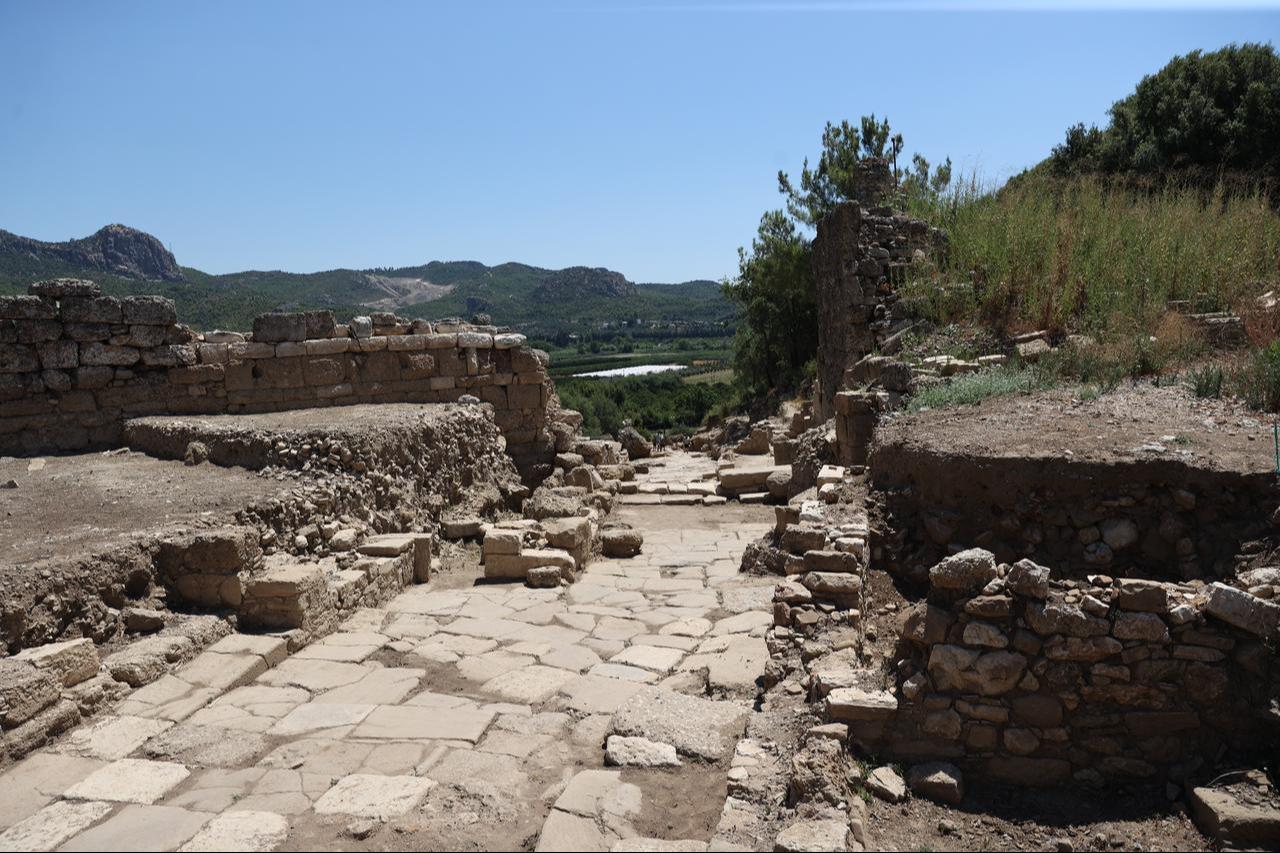

Bilgin said archaeological soundings carried out beneath the floors of two-story shops turned up material from the Late Chalcolithic, or Late Copper Age, significantly extending the known timeline of the settlement.
"With the excavations we have carried out recently, we understood that the history of the ancient city goes back 6,000 years from the present day. This fertile geography was not an area that had only been settled since the Iron Age. We understood this, and it became an important archaeological conclusion for us," Bilgin said.
He added that plates, bowls, and various tools found in the excavated layers showed that the historical background of the Aspendos acropolis reached back to around 4000-3500 B.C.
Bilgin described Aspendos as a multi-layered archaeological site, where remains from different periods have built up over time while many monumental structures have survived close to their original form.
Alongside its newly uncovered prehistoric past, Aspendos remains best known for its roughly 2,000-year-old theater, which Bilgin described as one of the rare examples in Anatolian and Mediterranean archaeology to have preserved its architectural elements to the present day.
The ancient city also includes aqueducts, an agora, a monumental fountain, a temple, a stadium, a council building, and an ancient theater street.
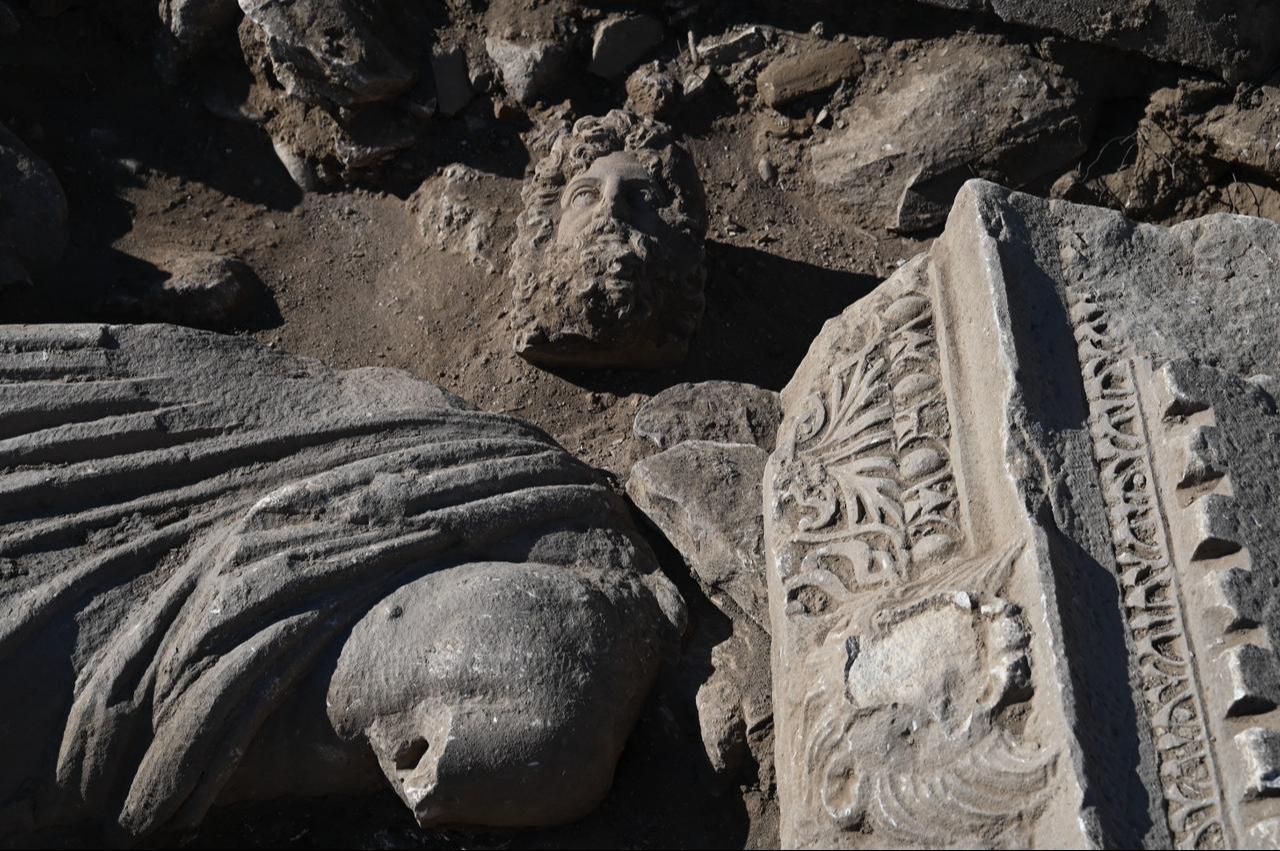
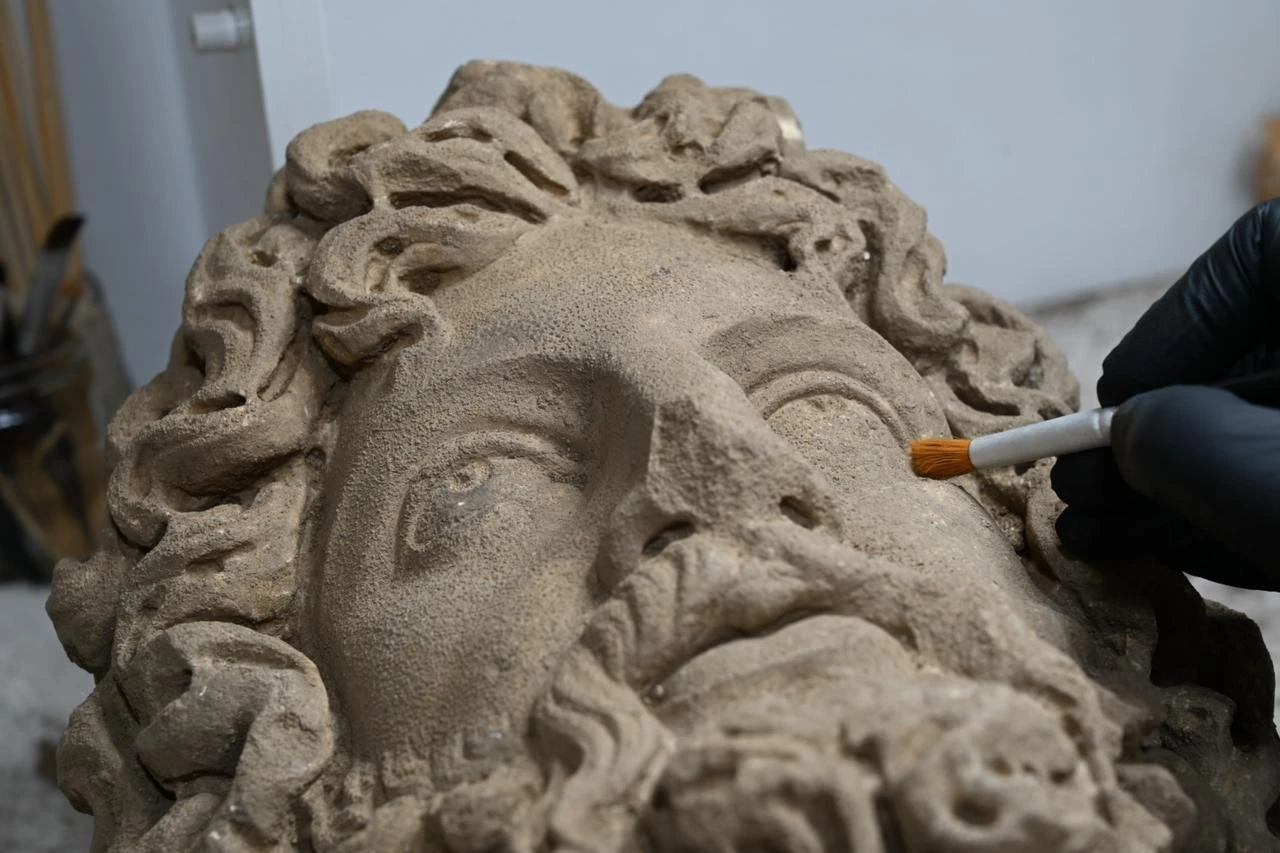
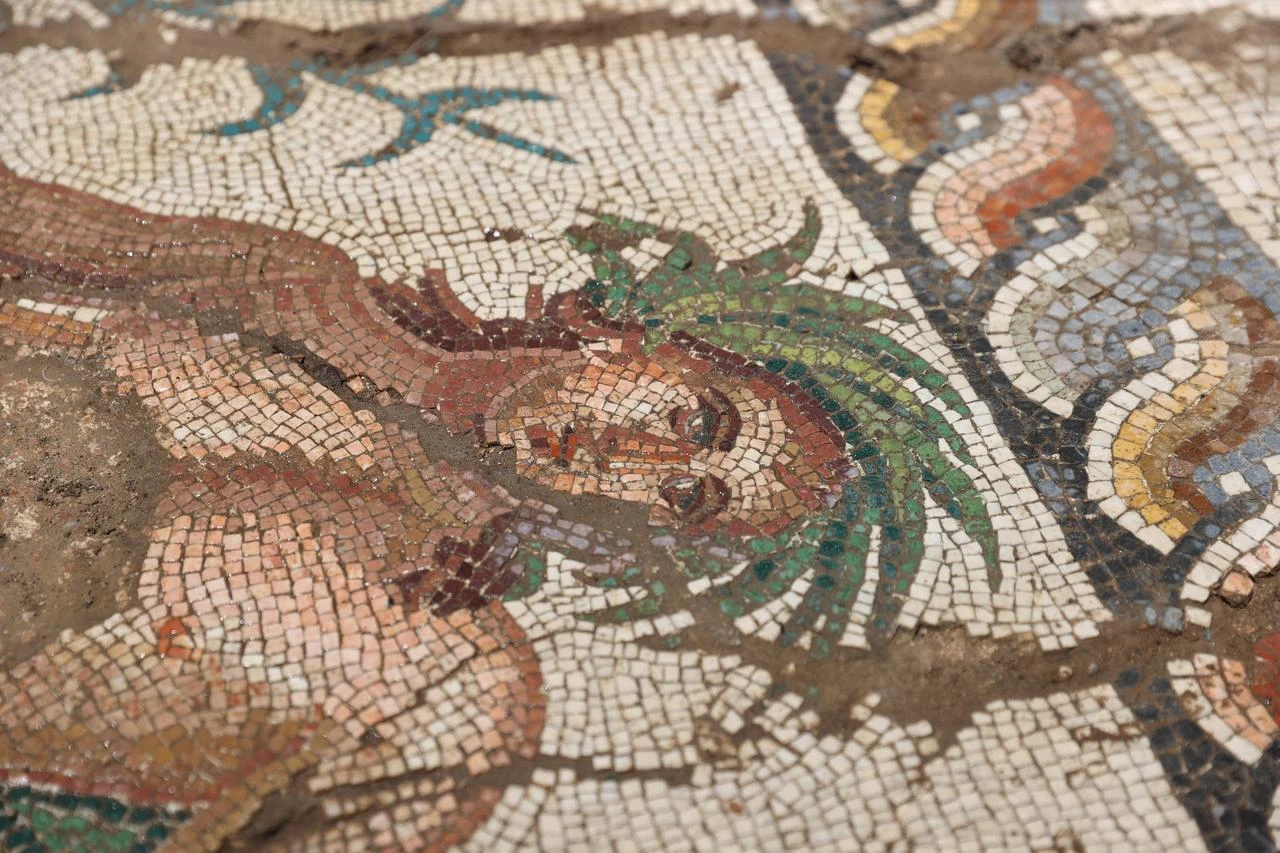
Recent excavations have additionally brought to light a third-century depiction of the river god "Young Eurymedon."
Bilgin said many of the structures on the acropolis remain standing almost up to roof level, allowing visitors to see monumental buildings that reflect the landscape of their historical periods.
Aspendos also draws visitors through the Culture and Tourism Ministry's night museum program, which allows tourists to walk through the ancient theater and monumental structures after sunset.


 Set as preferred source
 Set as preferred source


 1 min read
 1 min read


