

 Newsletters


Ongoing excavation work at the ancient city of Sebastapolis, located in Tokat's Sulusaray district, is bringing the site's historic layers to light. The founding date of Sebastapolis, most of which lies beneath the district's modern settlement area, is not known with certainty.
During the reign of Roman Emperor Trajan, between A.D. 98 and 117, the city was separated from the provinces of Pontus Galatius and Polemoniacus and incorporated into the province of Cappadocia.
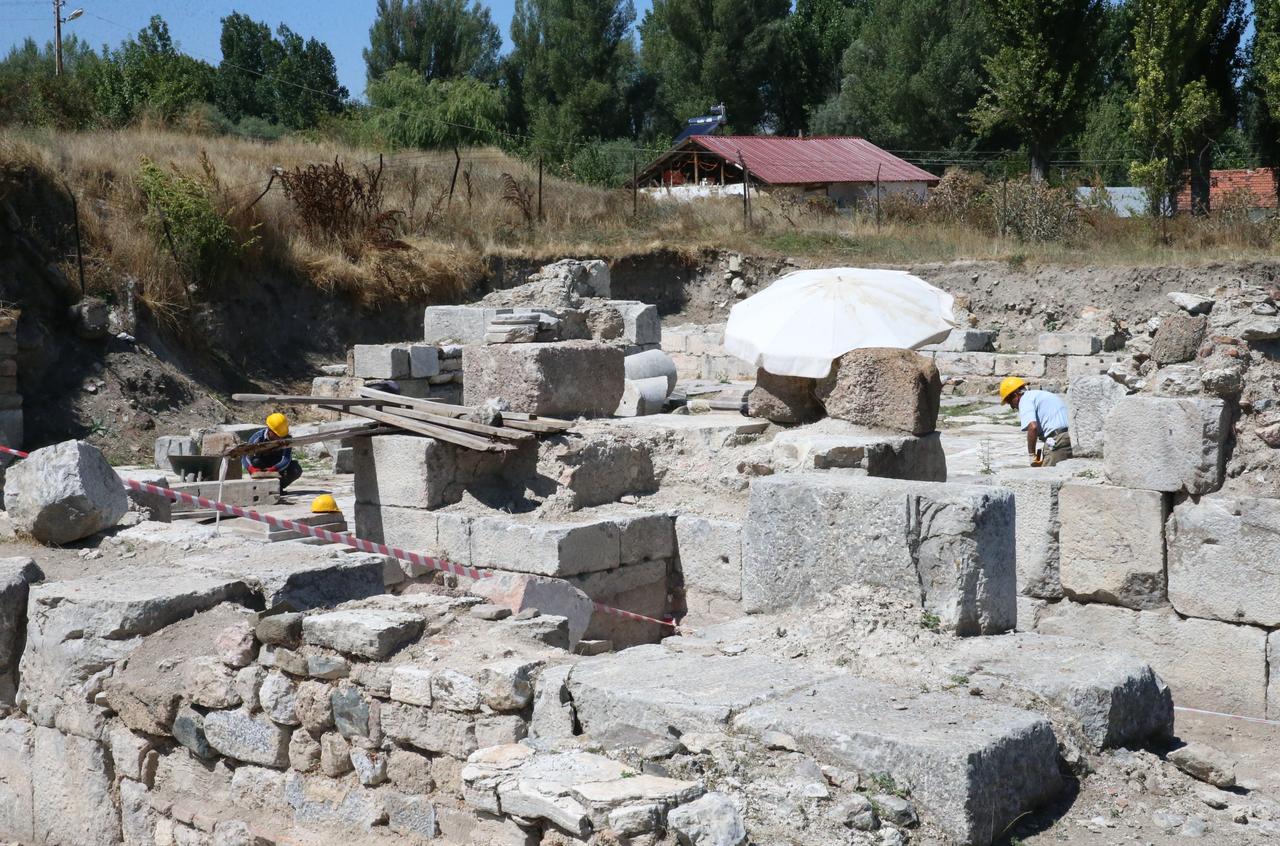

Considered one of the five largest cities on the Black Sea coast and a wealthy trade and settlement center with the authority to mint its own coins, Sebastapolis later lost its former significance due to major wars, destruction, and disasters, as well as changes in trade and transit routes.
Excavation work at the ancient city was first launched by the Tokat Museum Directorate in 1987 and continued in subsequent years in the form of rescue excavations until 1990, after which the work was paused for twenty years.
Since excavations resumed in 2010, part of the ancient city has been uncovered, and efforts continue to expropriate the structures built on top of the site. Residents of the district, which has a population of around 3,500, continue to live alongside the ancient remains.
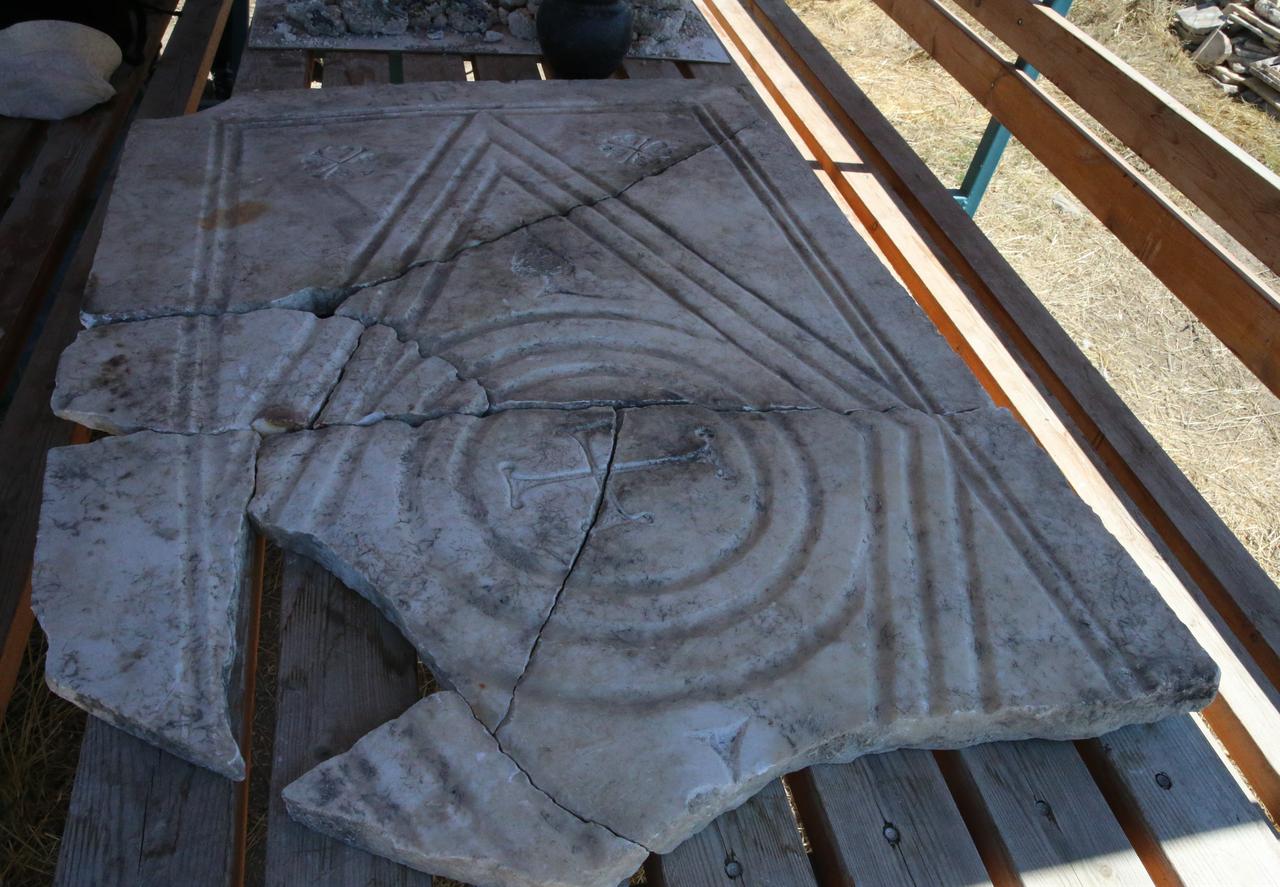
This year's excavation work is being carried out under the leadership of Prof. Dr. Davut Yigitpasa, a faculty member in the Department of Archaeology at Ondokuz Mayis University's Faculty of Humanities and Social Sciences, with a team of 48 people, including 28 academics and students from various universities.
Tokat Governor Abdullah Koklu inspected the excavation site, where work is concentrated on the church and bathhouse sections and is planned to last 14 weeks. He said that this year's excavations were progressing faster than before.
Koklu said uncovering more of the city would be an important step for Türkiye, both in terms of tourism and in reflecting the ancient period. "If we can uncover more of the city, it will be an important step both in terms of tourism and in terms of reflecting the ancient period, for Türkiye as well, God willing," he said.
He also recalled that Britain's King Charles had previously visited the ancient city of Sebastapolis, a visit that drew attention to the site at the time.
Koklu added that the excavation area would expand further once the expropriation process is completed. He noted that the scale of the church, bathhouses, and bridges already uncovered points to a very large urban settlement, saying such massive structures would not have been built for a small settlement.
"Part of a Roman road has also been found," he said. "God willing, as more is uncovered, we too will witness firsthand just how large this place truly is."


 Set as preferred source
 Set as preferred source


 1 min read
 1 min read


