Newsletters


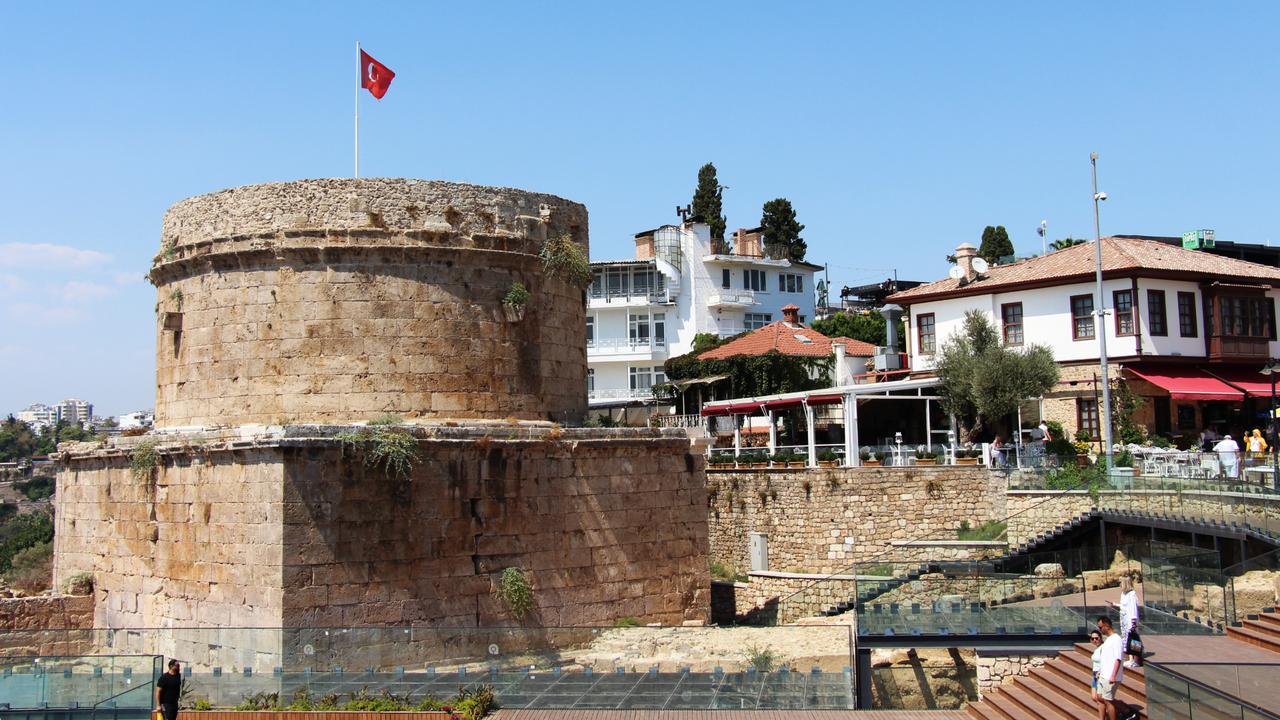
Narrow streets lined with bougainvillea wind through Kaleici, the walled old town at the heart of Antalya on Türkiye's Mediterranean coast.
Behind its ancient fortifications, layers of Roman, Byzantine, Seljuk and Ottoman rule remain visible in the stonework, drawing visitors year-round into what functions as a living, open-air museum.
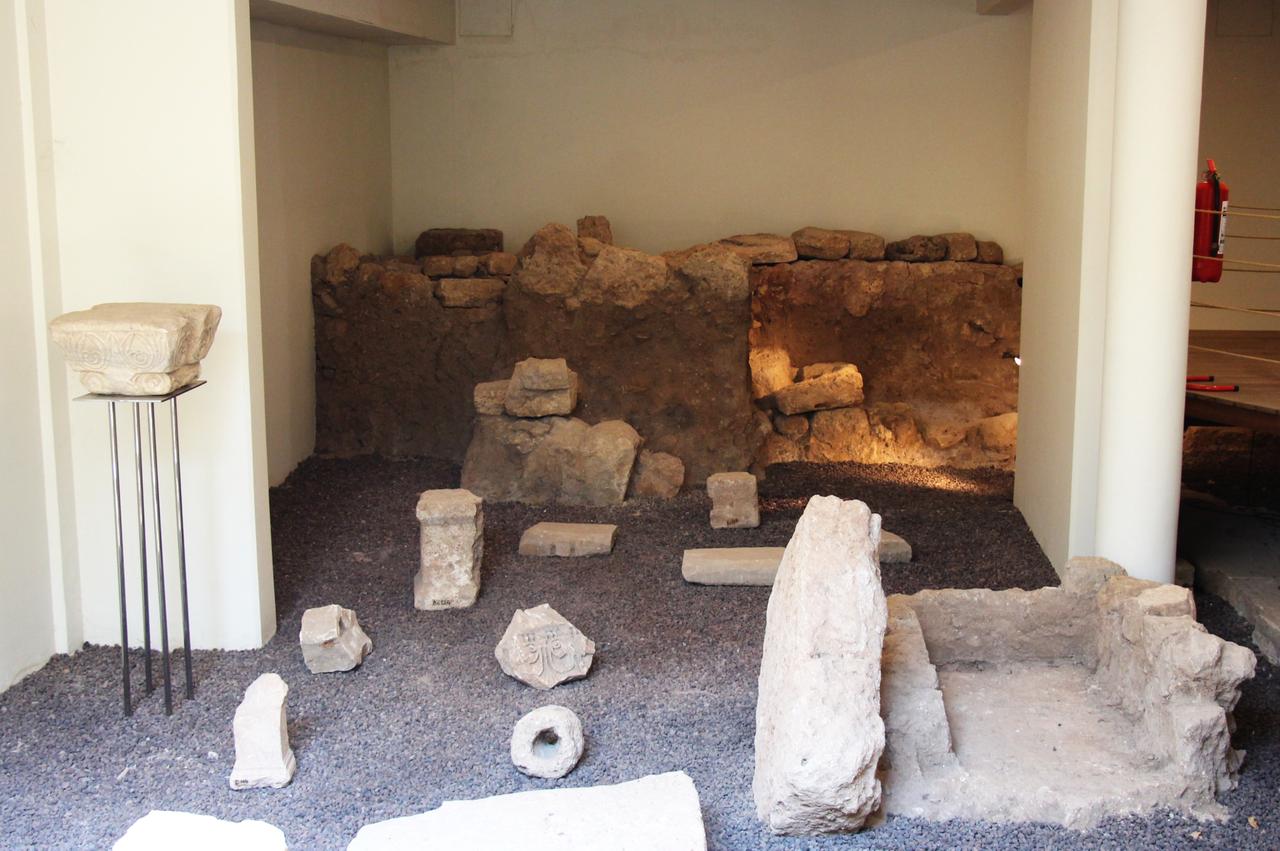
In the mid-2nd century BC, King Attalos II of Bergama turns the settlement into a port city, laying the earliest foundations of what becomes Kaleici.
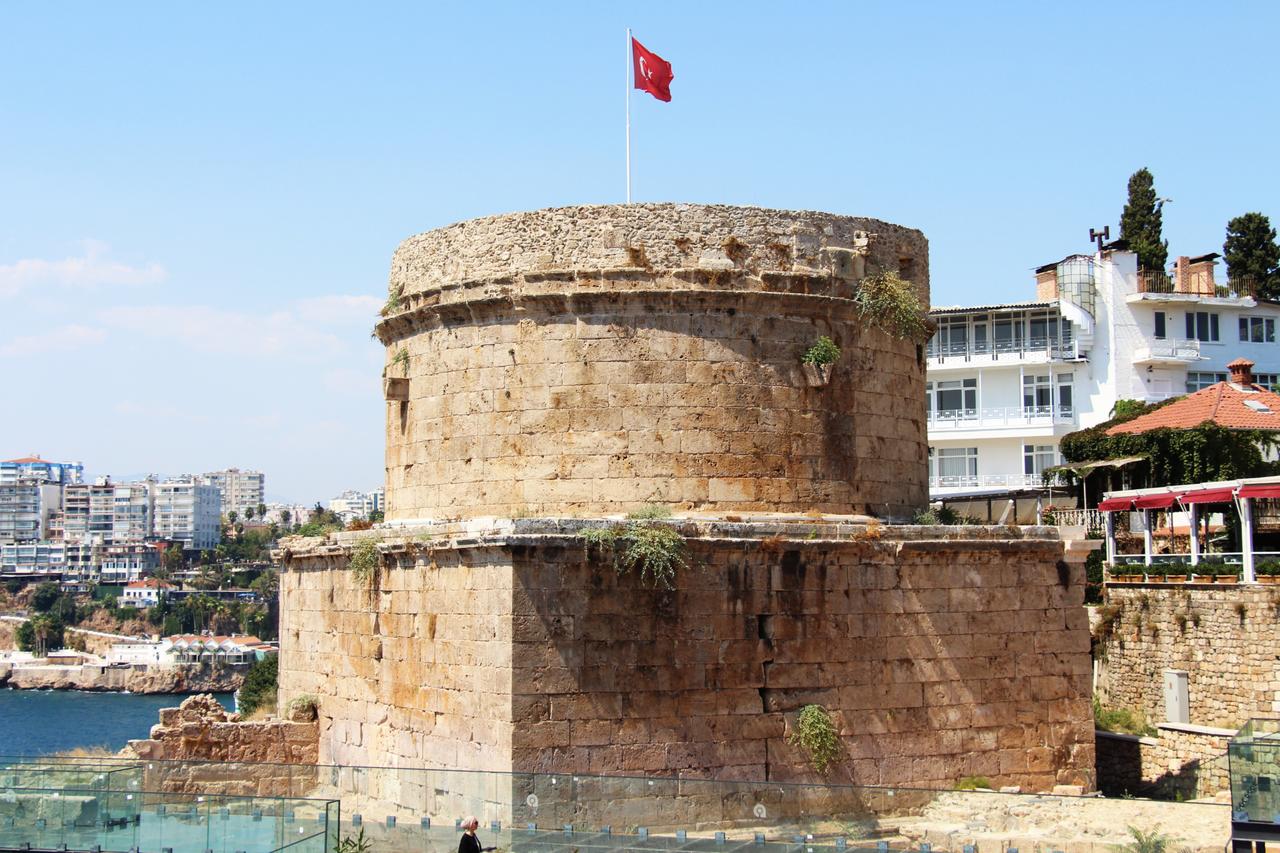
Traces of that Roman-era planning survive in structures such as Hadrianus Gate, built to mark a visit by Roman Emperor Hadrian, and Hidirlik Tower, which overlooks the harbor from the seaward edge of the old town.
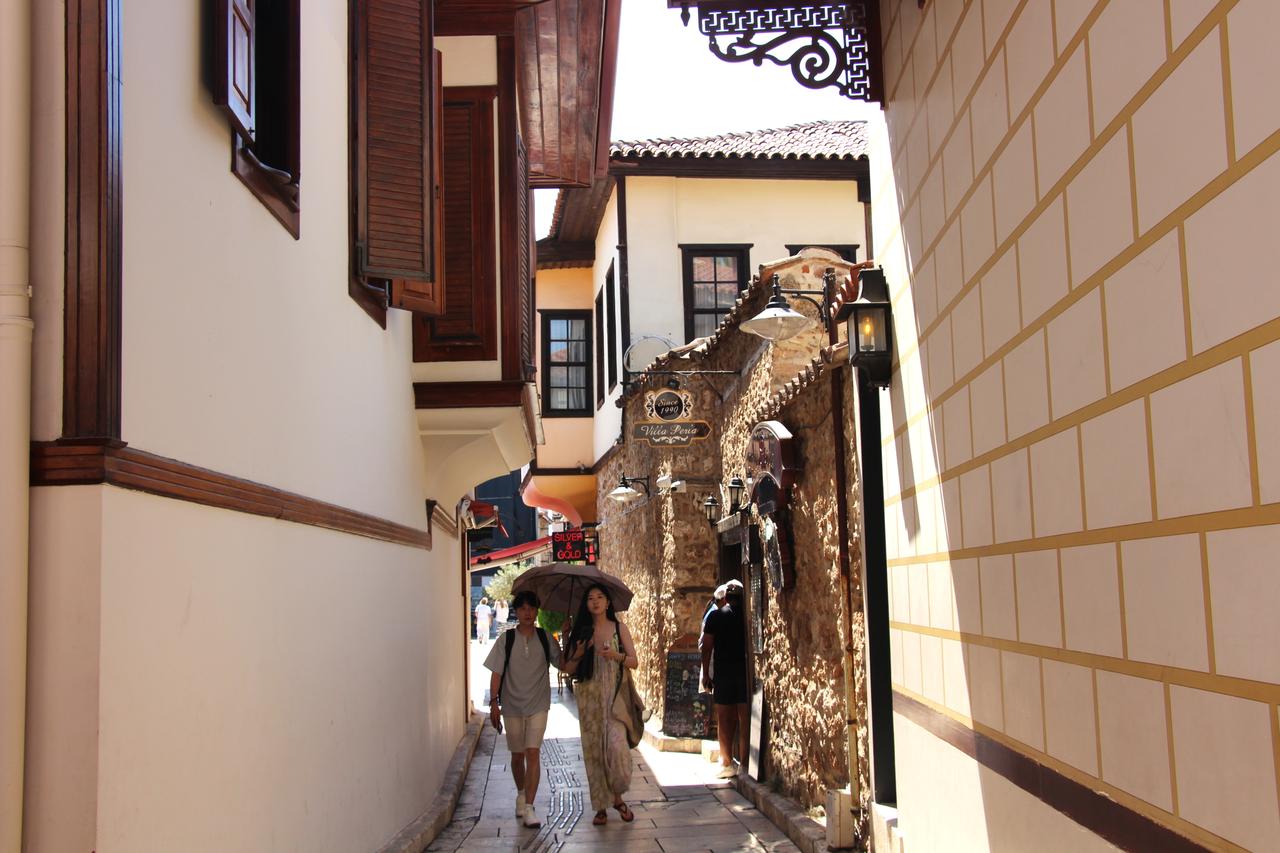
Kaleici's defenses evolve further under Byzantine rule, when the site remains part of the empire's Mediterranean network of fortified port towns.
The quarter today retains 56 towers and stretches of the original city walls, a fortification system later declared a protected site in 1972 to preserve its layered military architecture.
Seljuk rule brings some of Kaleici's most recognizable landmarks. Sultan Alaeddin Keykubat I commissions the Antalya Mevlevihanesi, while the Fluted Minaret, regarded as one of the earliest Turkish-Islamic monuments in the city and included on UNESCO's World Heritage Tentative List, comes to define the skyline at the quarter's entrance.
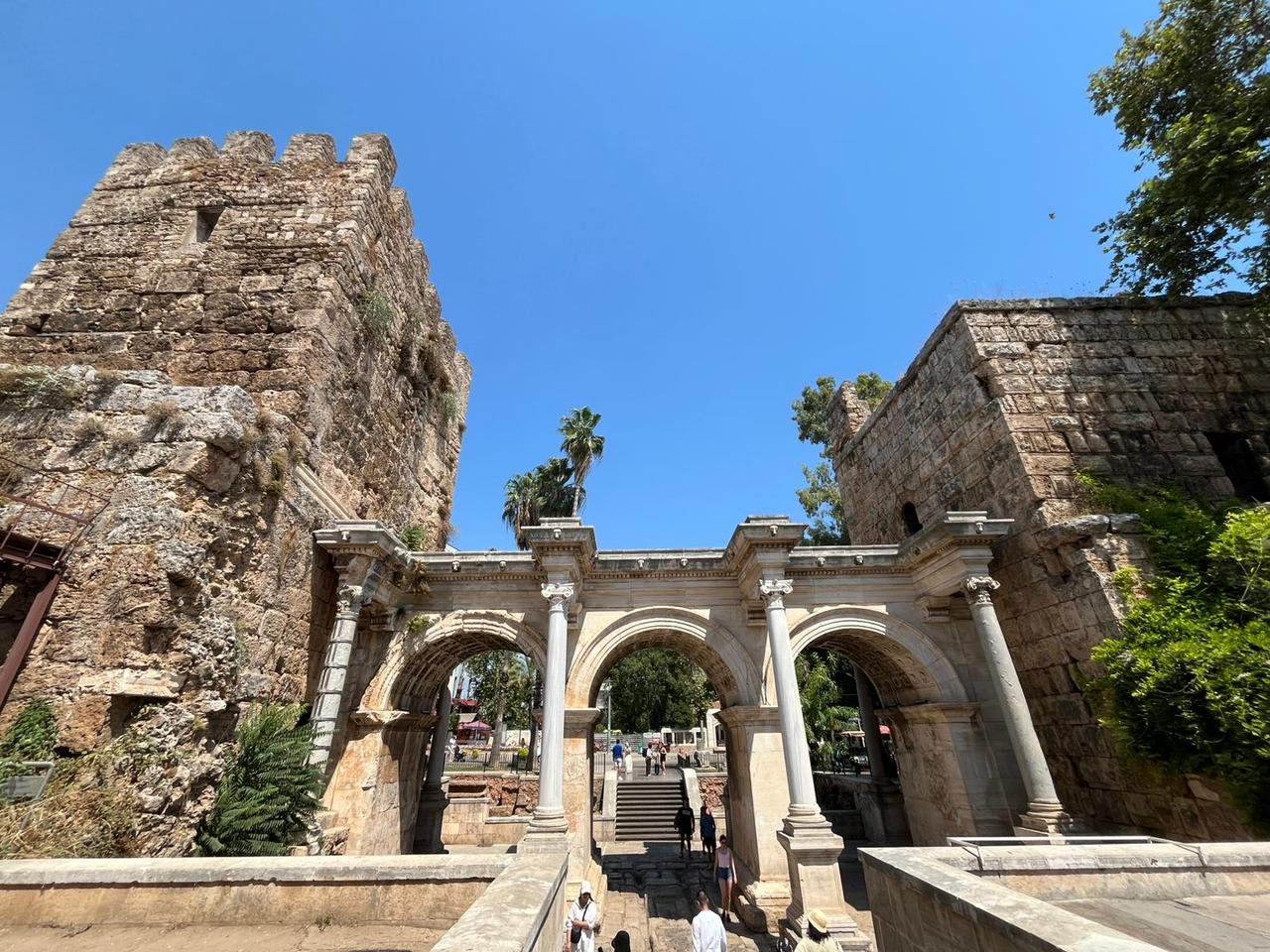
Ottoman rule reshapes several of Kaleici's Roman-era structures. A tower built on a former Roman bastion beside the city gate is converted into a clock tower and still stands today.
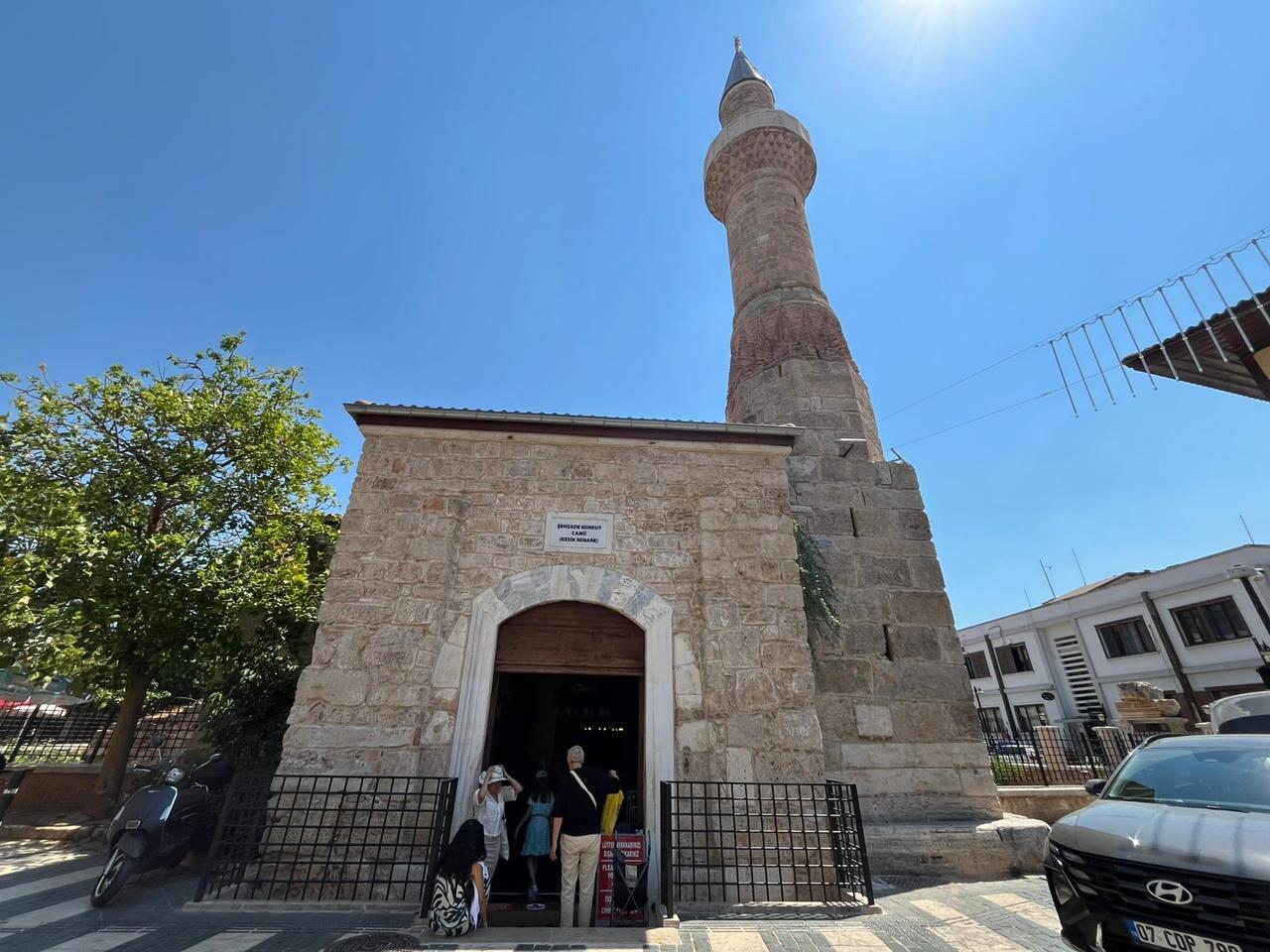
Sehzade Korkut Mosque, adapted from an earlier structure during this period, becomes known locally as the "Kesik Minare," or Cut Minaret, after part of its structure is lost.
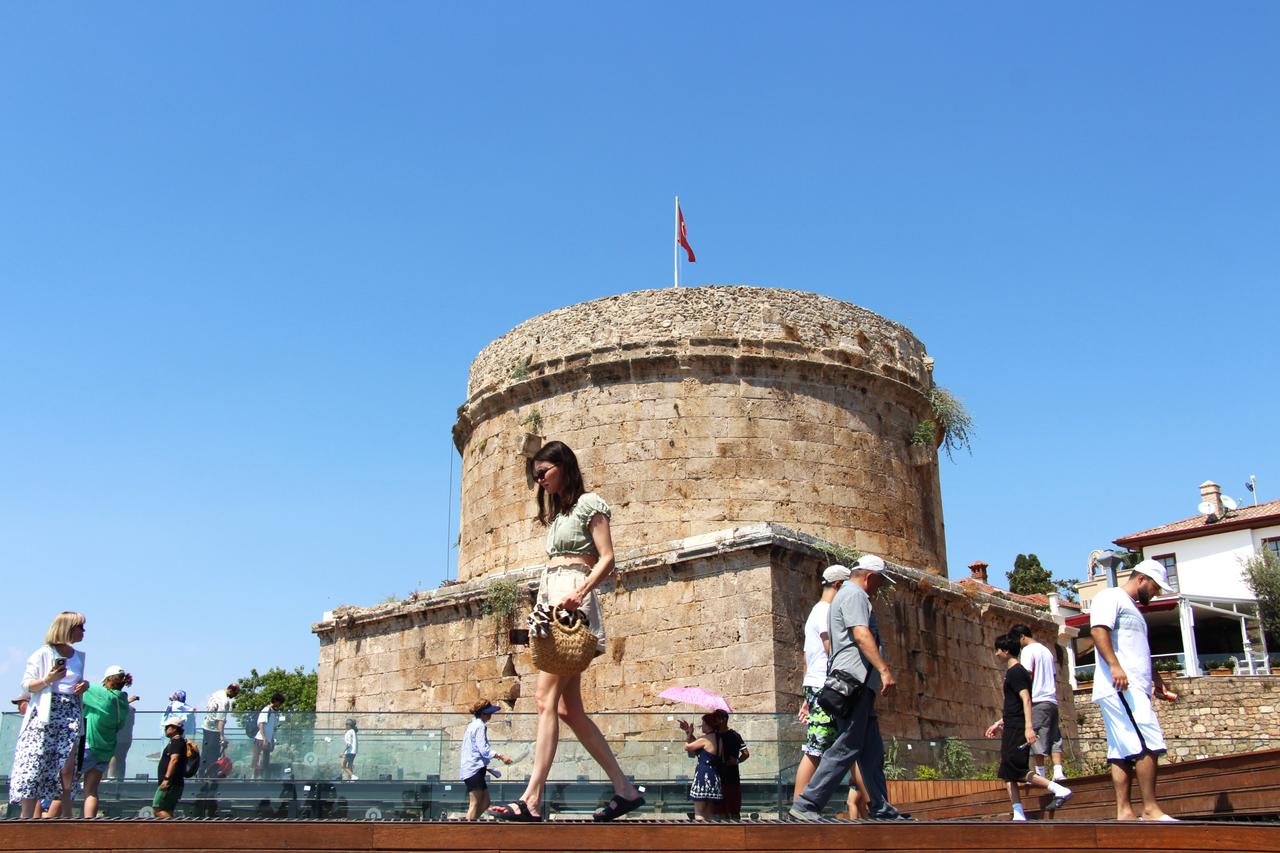
Kaleici's marina, shaped like a natural half-moon harbor, has anchored the district through each of these eras.
Framed by centuries-old walls and narrow lanes leading down to the water, the harbor remains one of the most visited stops on routes through the quarter, linking its history to present-day use.
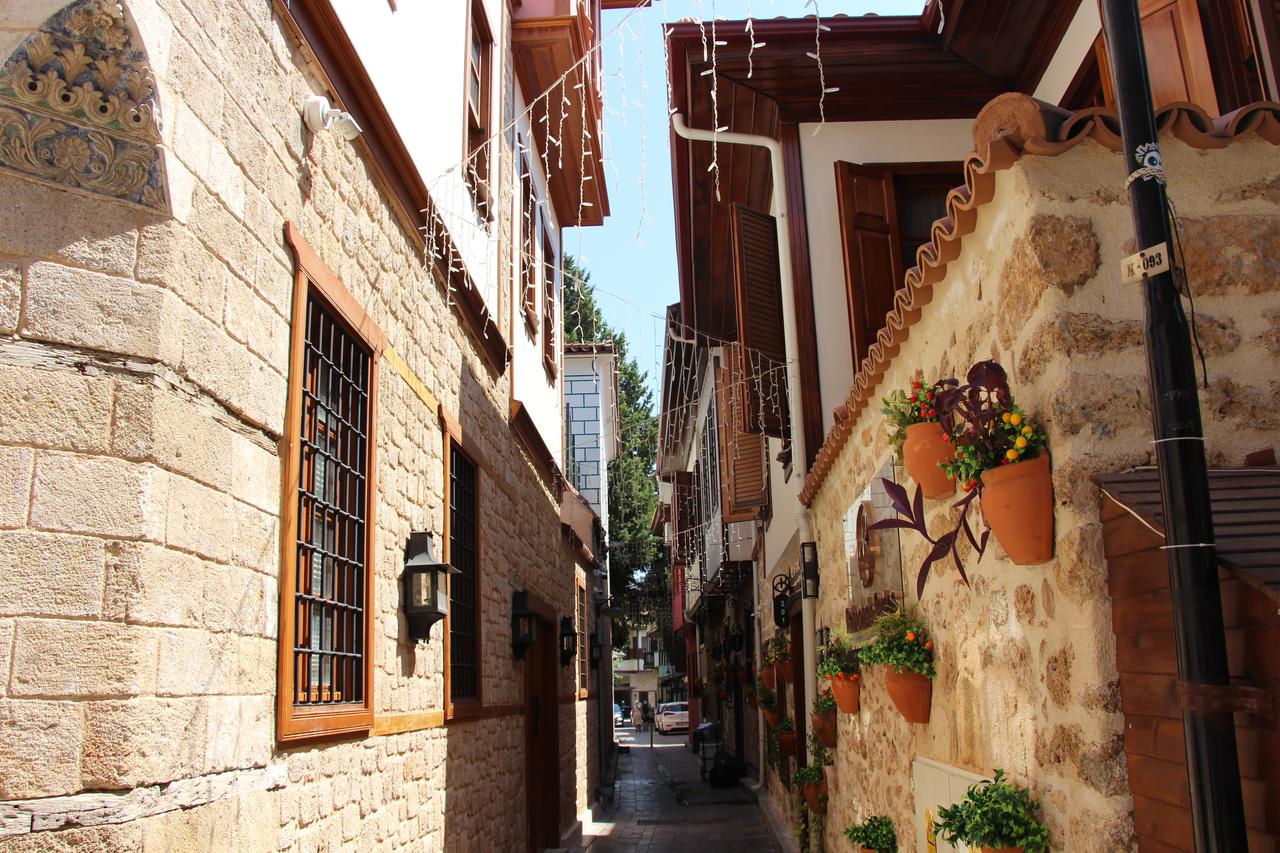
Antalya Governor Hulusi Sahin says Kaleici ranks first when visitors leaving Antalya Airport are asked which sites they toured, describing it as the city's brand and a nostalgic, romantic setting for residents.
He compares the district's shifting streetscapes to scenes from a film, with each lane offering a different view.
Alp Ozel, head of Antalya's Association of Touristic Hotels and Guesthouses, says Kaleici has stood for more than 2,000 years, with every corner carrying traces of past civilizations alongside present-day life.
He estimates the district draws about 40,000 visitors a day, a figure officials say underscores its lasting appeal in Türkiye's tourism sector.

 1 min read
 1 min read
 3 min read


 Set as preferred source