Newsletters


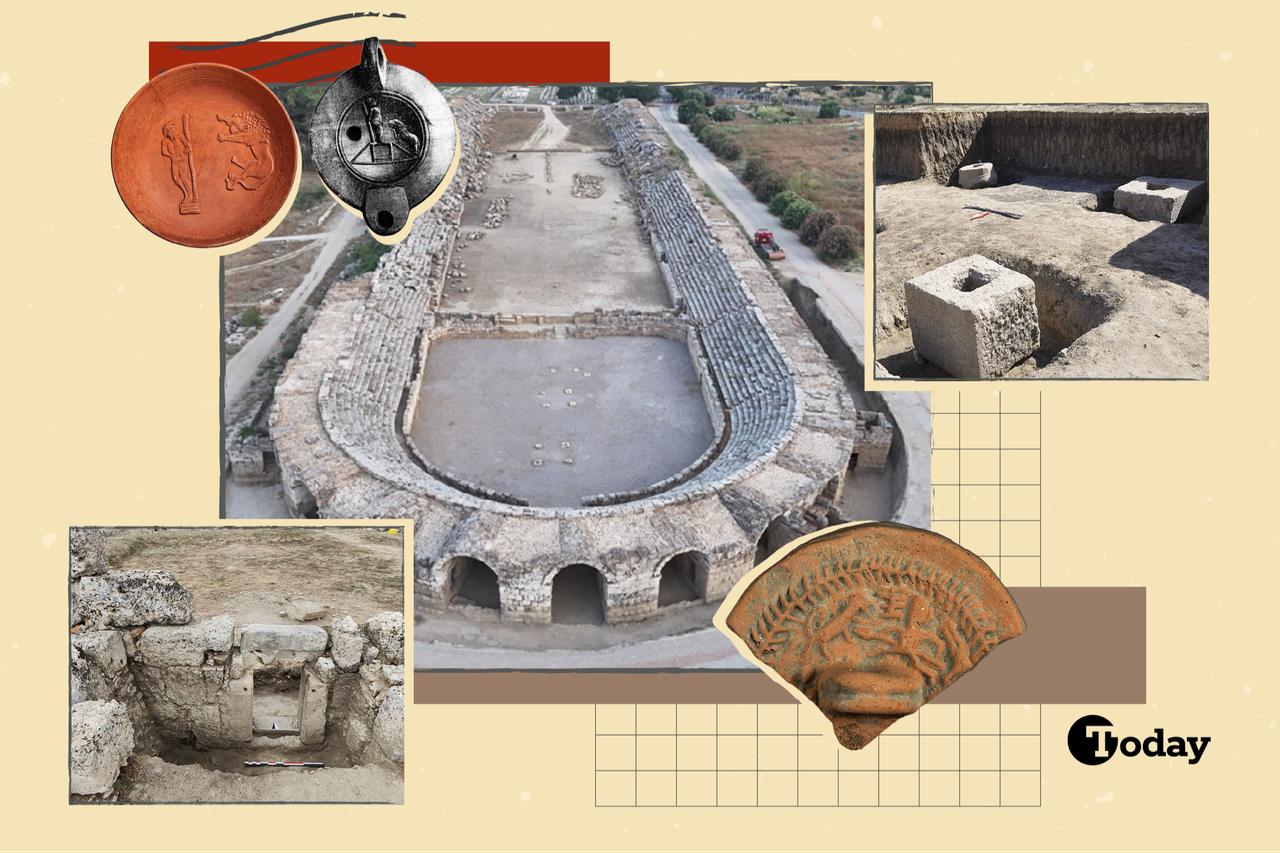


In the ancient city of Perge in southern Türkiye, new archaeological findings show that a section of the Roman-era stadium was later transformed into an arena where executions took place, offering rare insight into how public spectacles evolved in antiquity.
During a special on-site visit with excavation director Professor Sedef Cokay Kepce and deputy director Asst. Prof. Aytac Donmez, the transformation of the structure, and its role in violent spectacles, emerged as the most striking discovery.
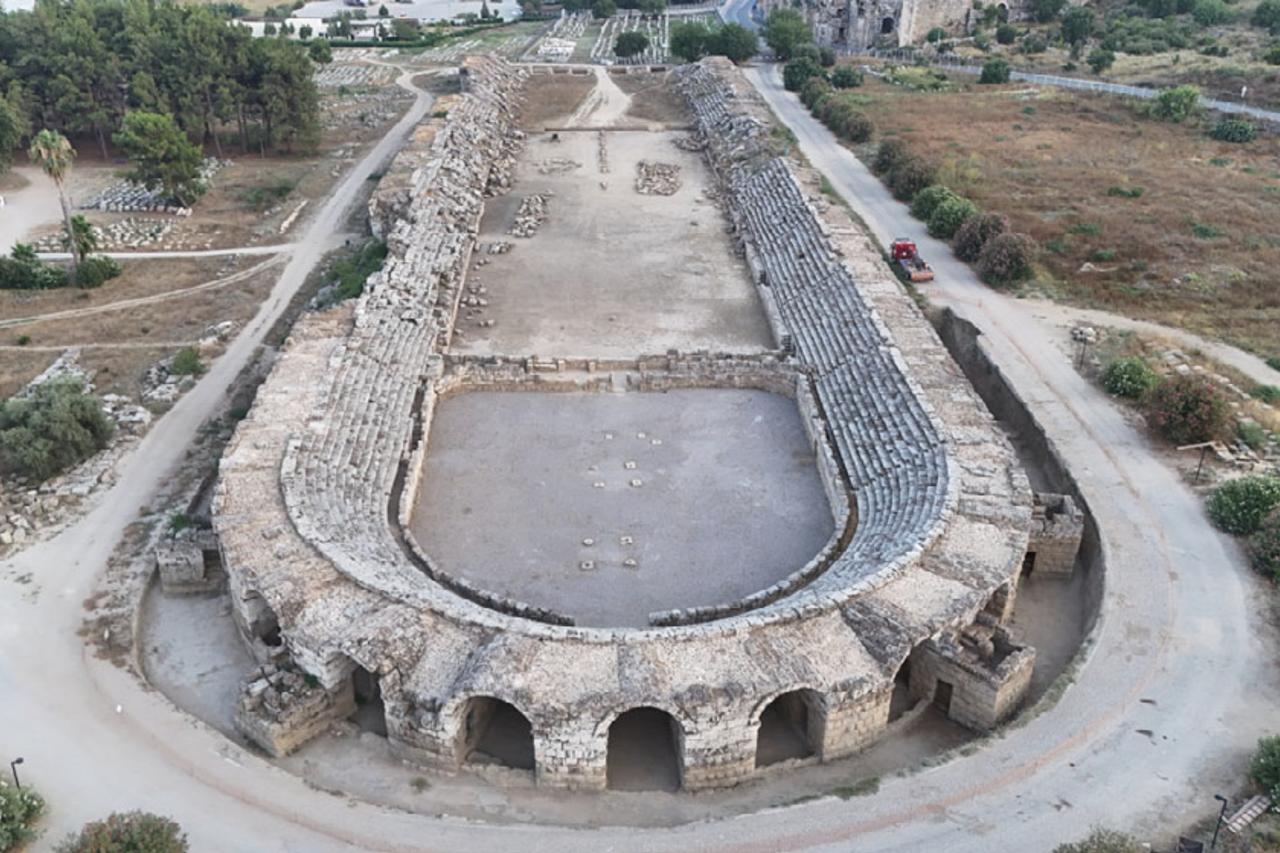
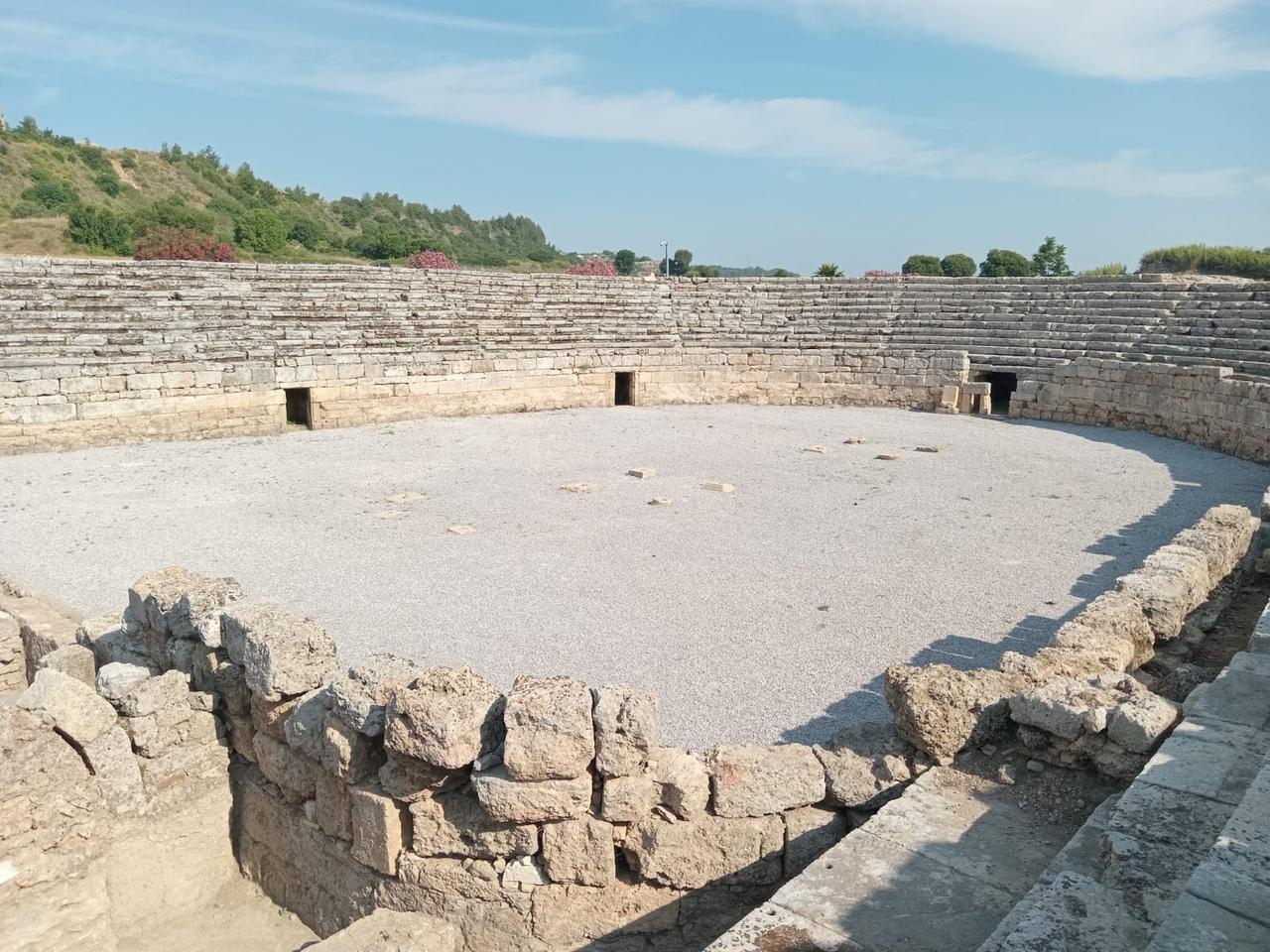
The stadium, originally built during the Roman period, underwent a significant transformation between the late third and fourth centuries A.D., when it was adapted into an amphitheatre-like structure designed for Roman spectacles.
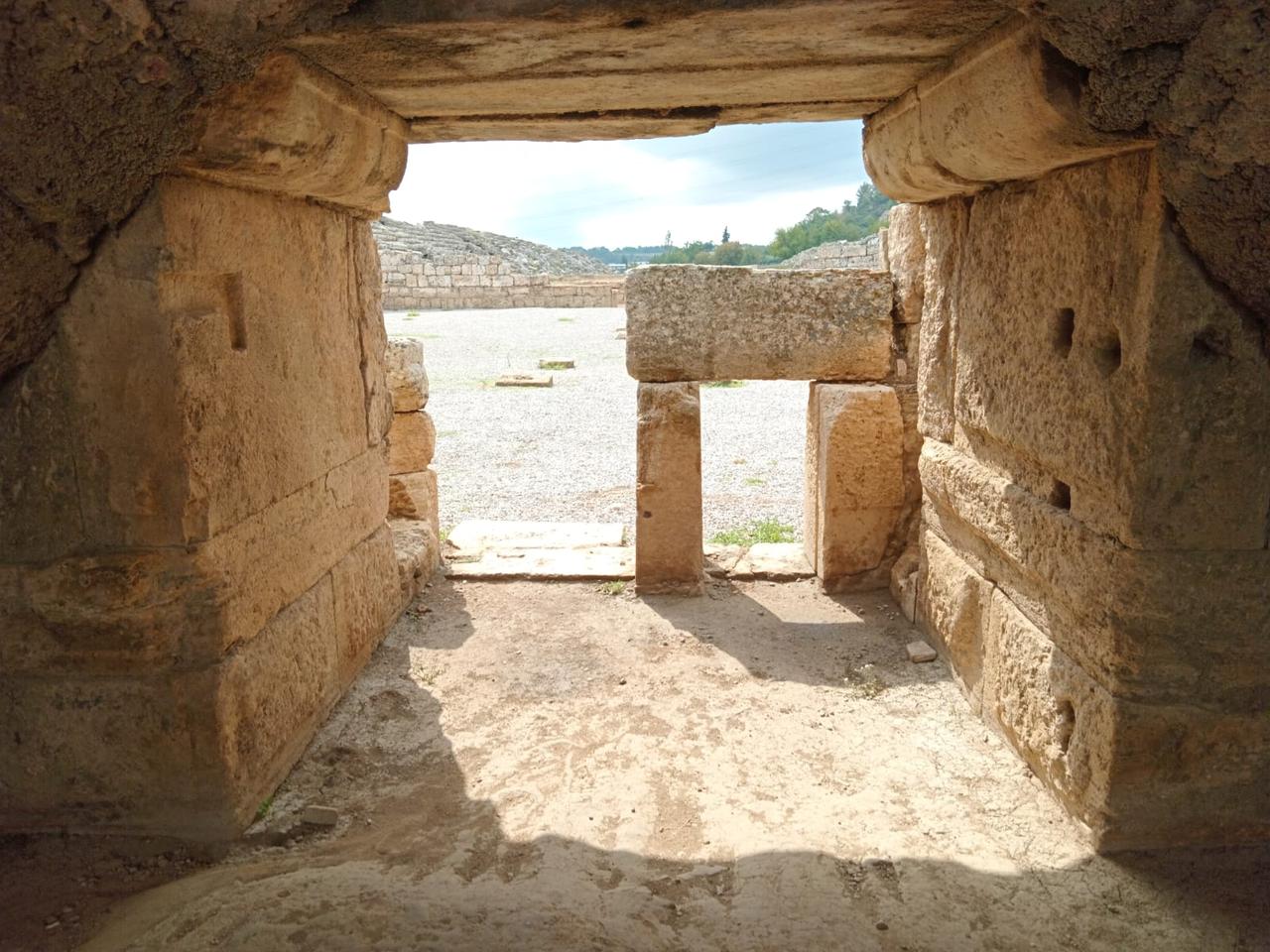
Excavations led by Donmez revealed architectural features that point to this shift, including an elliptical arena, animal holding cells (known as carceres), and specialised door systems used to release animals and possibly prisoners into the arena.
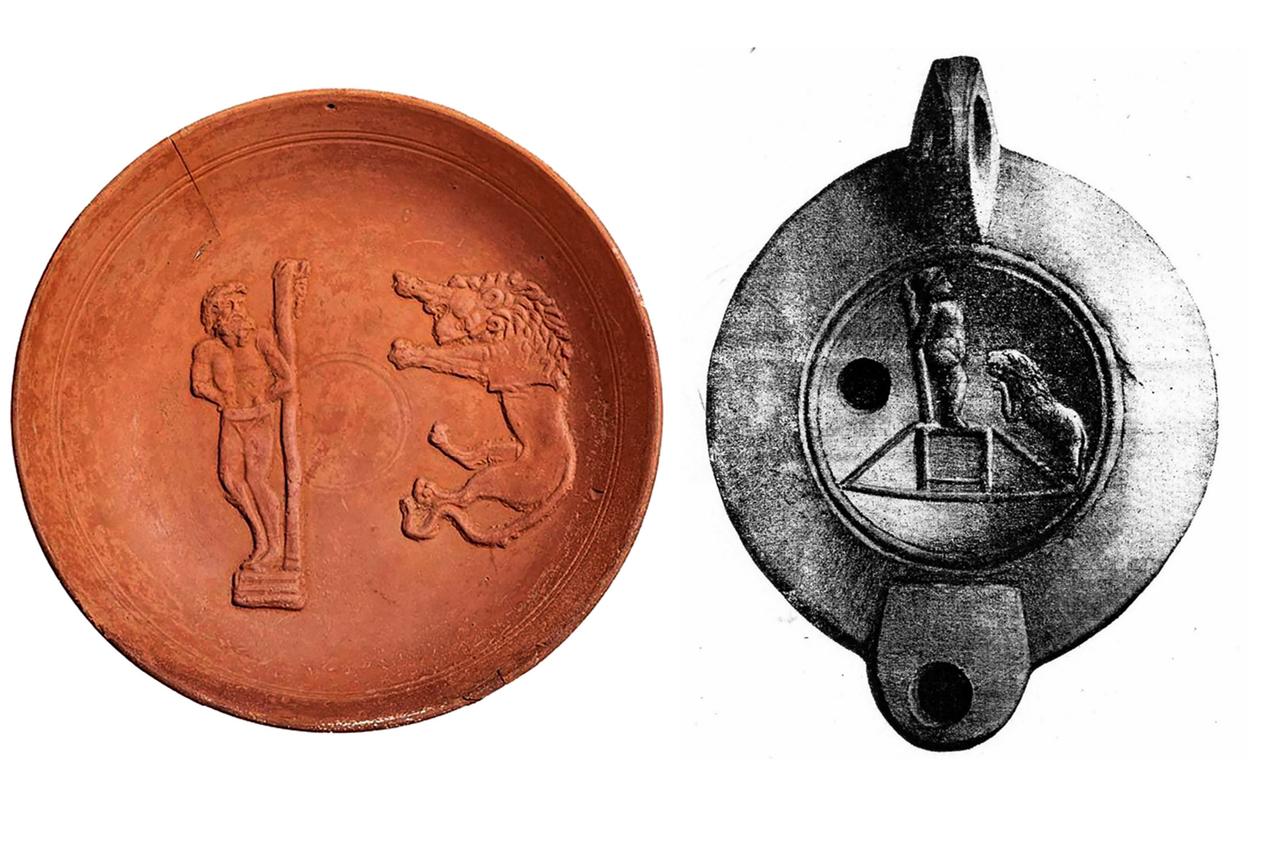

These findings suggest that the space was no longer used solely for athletic competitions but became a venue for public spectacles such as gladiatorial combat and executions. As Asst. Prof. Aytac Donmez explained to Türkiye Today that this included damnatio ad bestias, a Roman practice in which individuals were condemned to death by wild animals.
Donmez also noted that visual culture elements observed in the archaeological data recovered from the site support this interpretation.
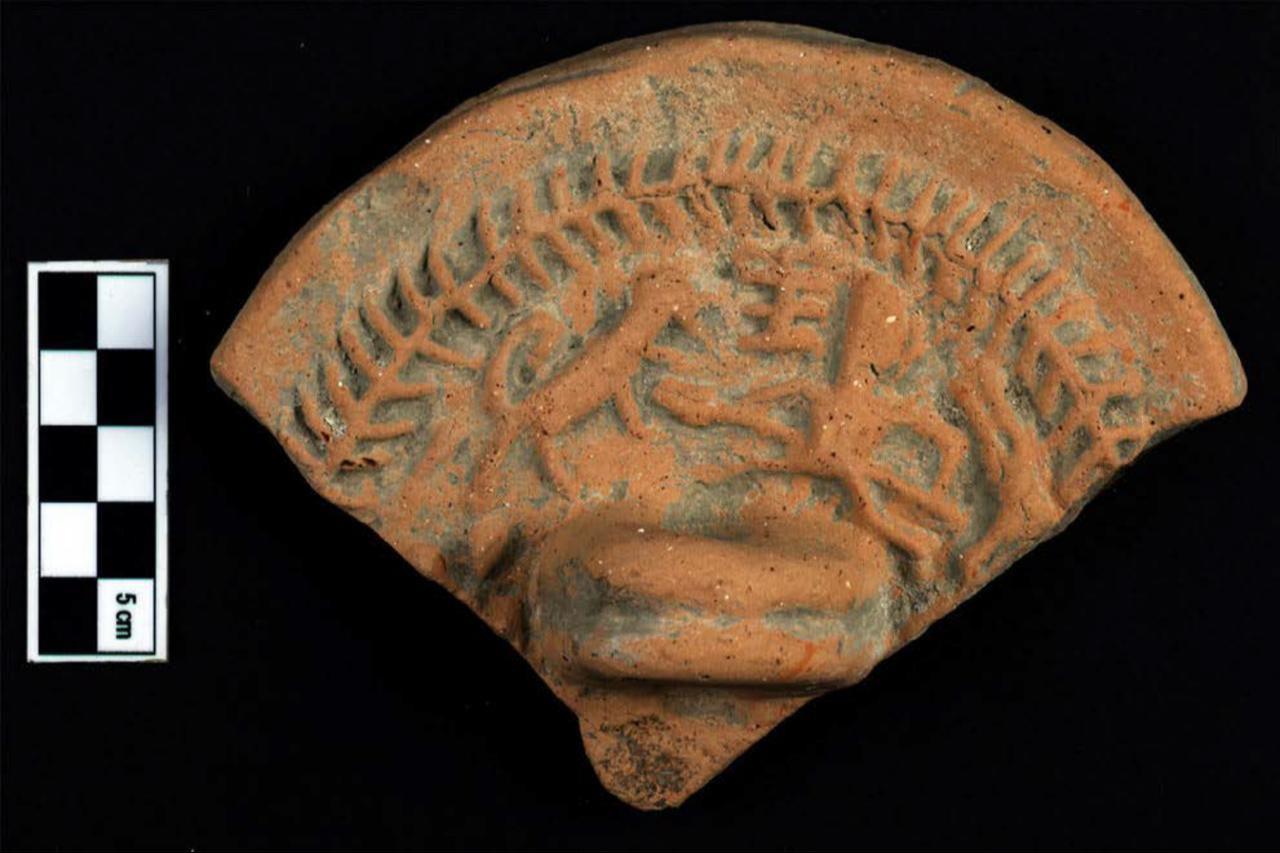
He stated that epigraphic evidence indicates that dog hunting took place in the area. He further emphasized that interpretations related to dog hunting and execution spectacles are reinforced by the visual representations uncovered at the site, as well as by archaeozoological data.
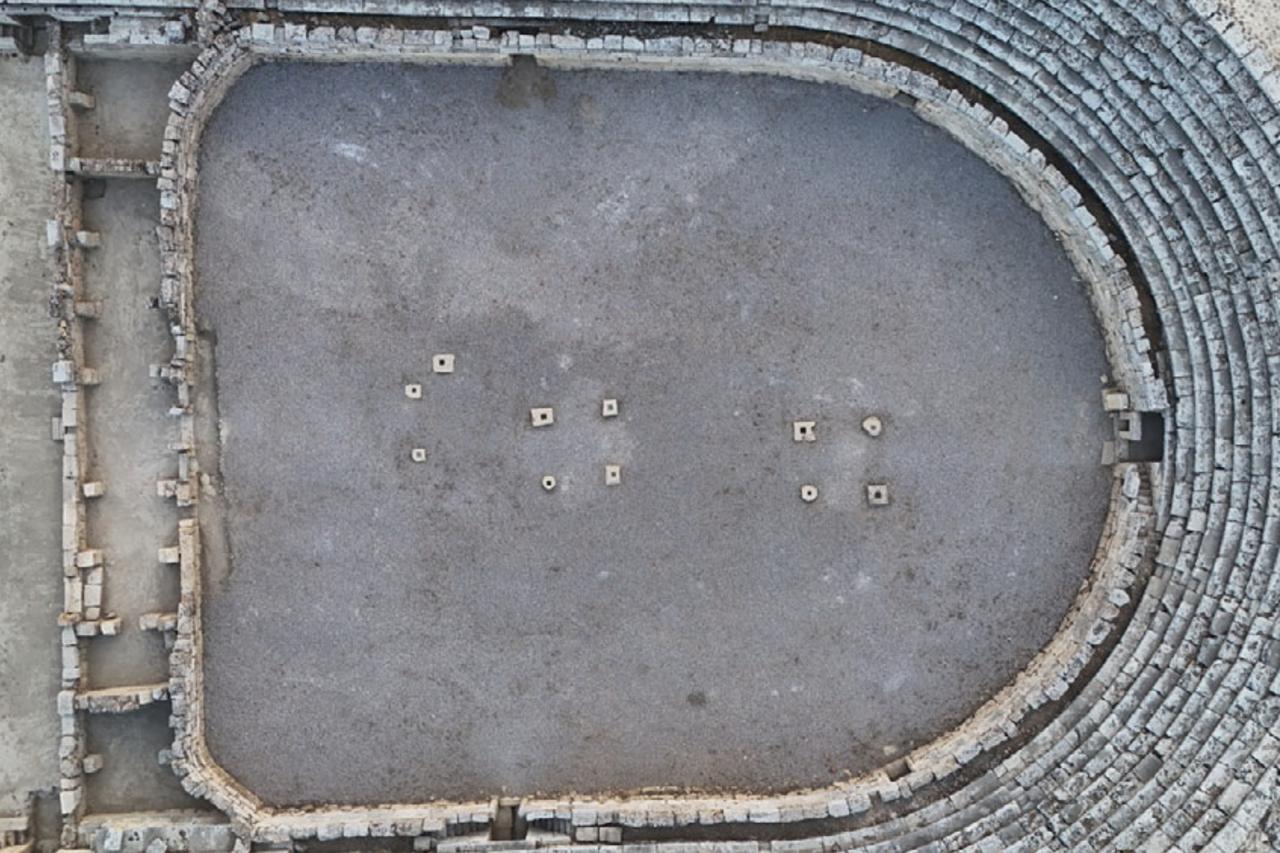
The research also identified multiple base blocks in the arena, which were not linked to platforms but instead associated with individual executions, reinforcing interpretations of the site as a space of public punishment.
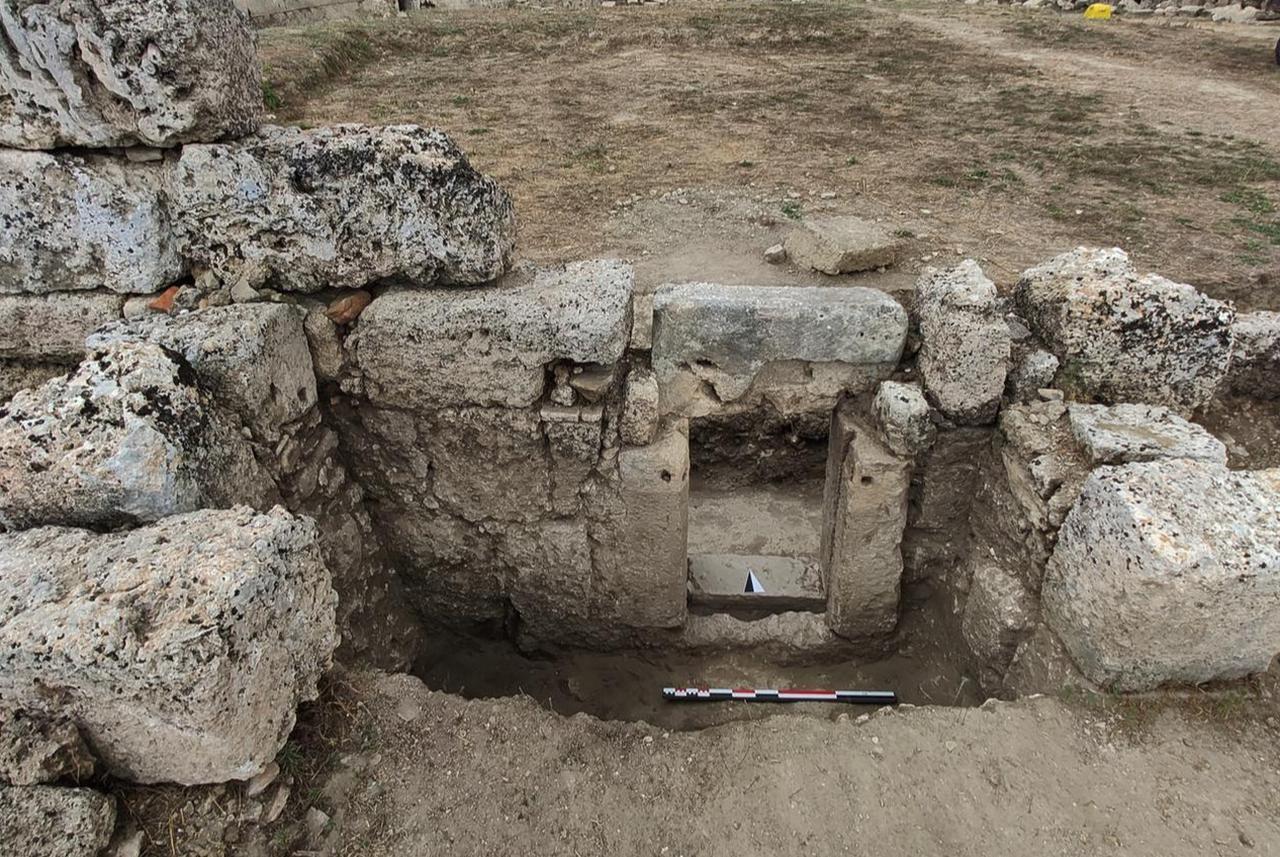
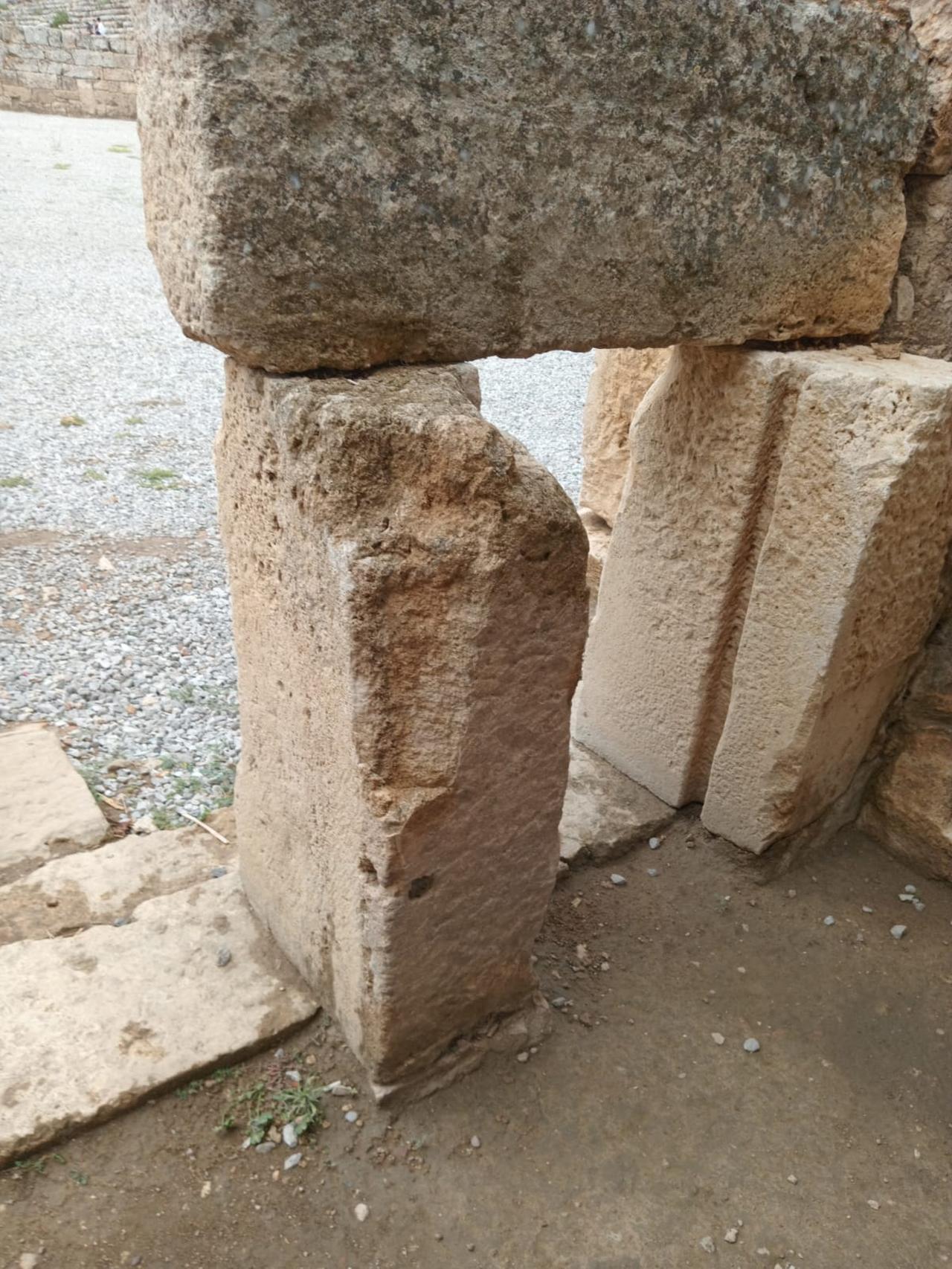
One of the most defining discoveries is a five-door system uncovered along the southern side of the arena. These gates, including vertically operating “guillotine-style” doors, opened directly into the performance space and were connected to animal cells and staging areas.
According to the research, while this system resembles the “hypogeum” known from the Roman world, it presents new evidence for Roman-period architecture through its horizontal, rather than vertical, staging organization, offering important insights into how spectacles were structured and performed.
The layout functioned as a coordinated release mechanism, similar to underground systems seen in major Roman amphitheatres. As Asst. Prof. Aytac Donmez told Türkiye Today that this architectural arrangement reflects a carefully planned staging system used to orchestrate spectacles involving animals and executions.
He further noted that additional features, such as tethering holes for animals, vaulted corridors, and base blocks within the arena, reinforce the interpretation that the site hosted organised and repeatable execution events.
Recent excavation seasons have also uncovered multiple base blocks in the arena, which researchers associate not with temporary platforms but with individual execution spots.
Fragments of ceramics depicting scenes of spectacle culture were also found, supporting the interpretation that these events were visually staged and socially significant.
Donmez’s research, published in two articles in the Oxford Journal of Archaeology, provides the academic framework for understanding how Roman spectacle culture was locally adapted in Perge and across the wider region.
All these findings reveal that, unlike practices in Rome, spectacle traditions in the provinces differed significantly, underscoring the great importance of the data obtained.
While the stadium findings highlight the darker side of Perge’s past, the site also revealed a striking moment of revival.
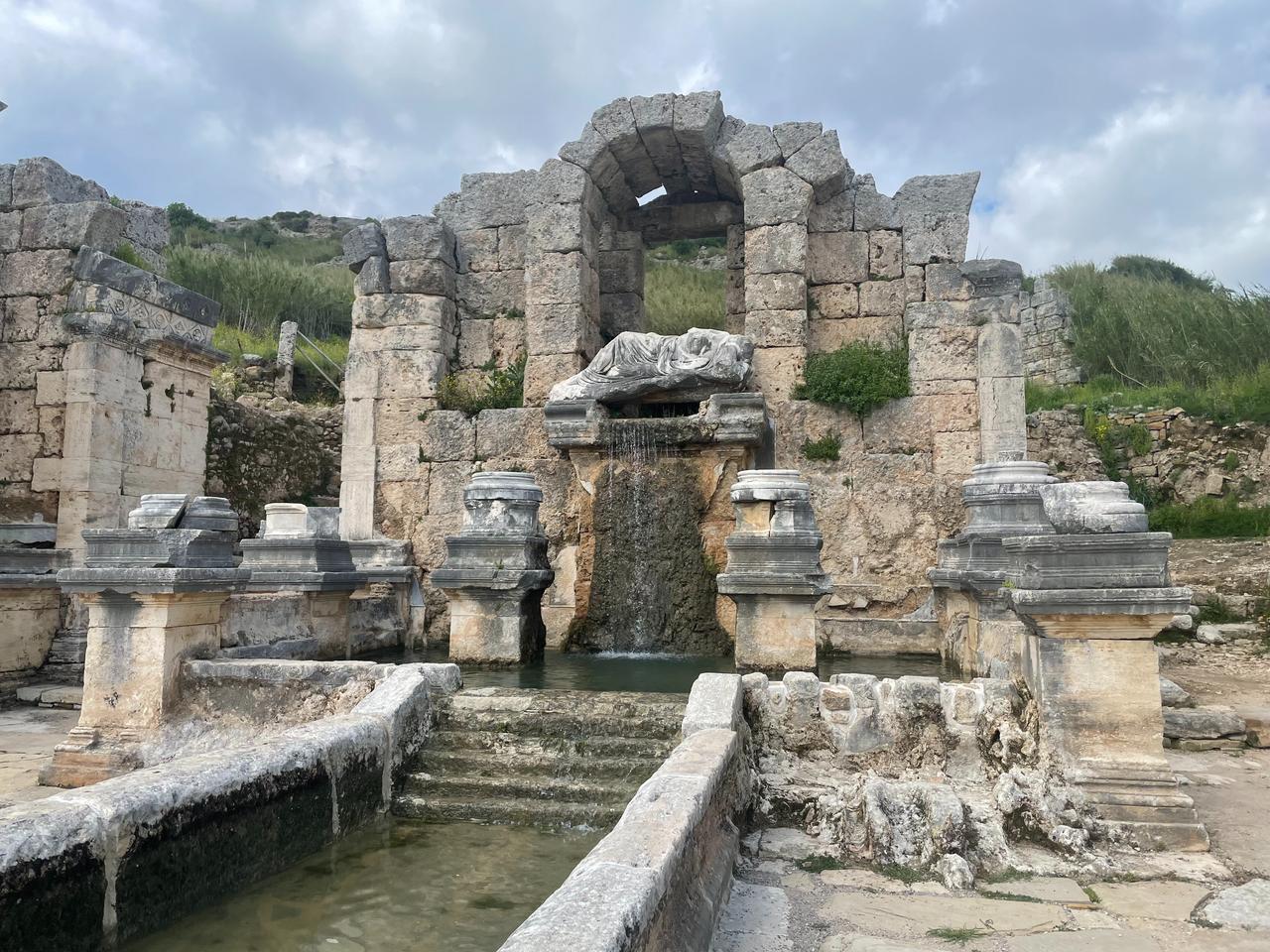
The Kestros fountain, one of the city’s most monumental water structures, has begun flowing again after approximately 1,800 years. Built in the second century A.D., likely during the reign of Roman Emperor Hadrian, the fountain once marked the end of Perge’s main collonaded street.
During recent work, the excavation team tested the ancient water system using a tanker supplied by the local municipality. The system proved functional, and water now flows through the fountain and continues into nearby agricultural land.
Professor Kepce explained that the fountain had long been a focus of restoration efforts since the early excavation campaigns initiated in 1946 by Professor Arif Mufid Mansel. She noted that water originally reached the structure from the Kursunlu Waterfall through aqueducts and underground channels, collecting in a basin before flowing beneath the statue representing the river deity Kestros.
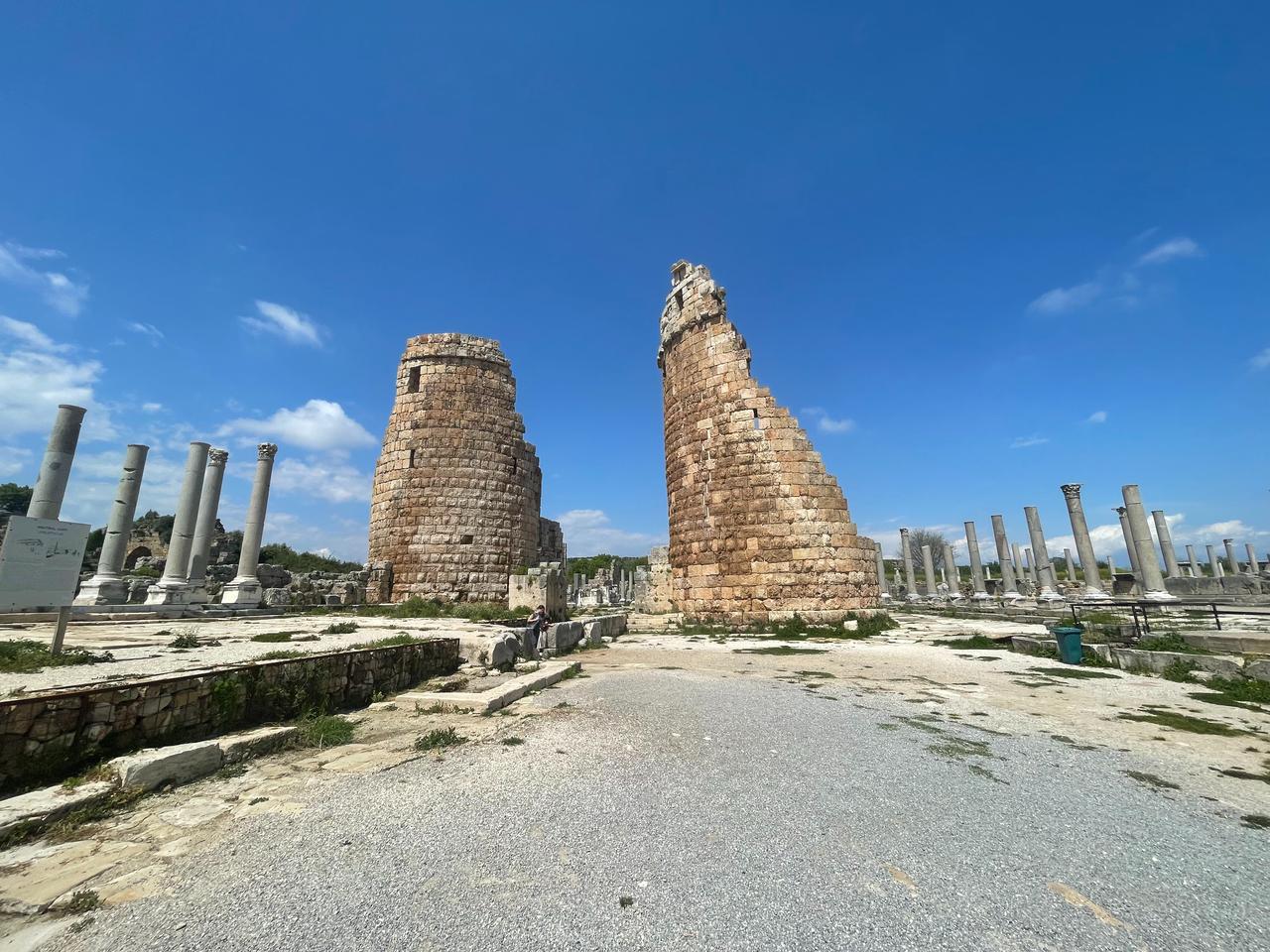
Located about 18 kilometers east of Antalya, Perge was once the capital of the Ancient Region of Pamphylia, a coastal area in southern Anatolia known for its prosperous cities during the Hellenistic and Roman periods.
Believed to have been founded in the Bronze Age, the city later became one of the most prominent urban centers of the ancient world, known for its monumental architecture, advanced water systems and cultural significance. It is also the birthplace of the Greek mathematician Apollonius.
Today, the site remains on UNESCO’s Tentative World Heritage List, reflecting its historical and archaeological importance.


 Set as preferred source
 Set as preferred source


 3 min read