Newsletters


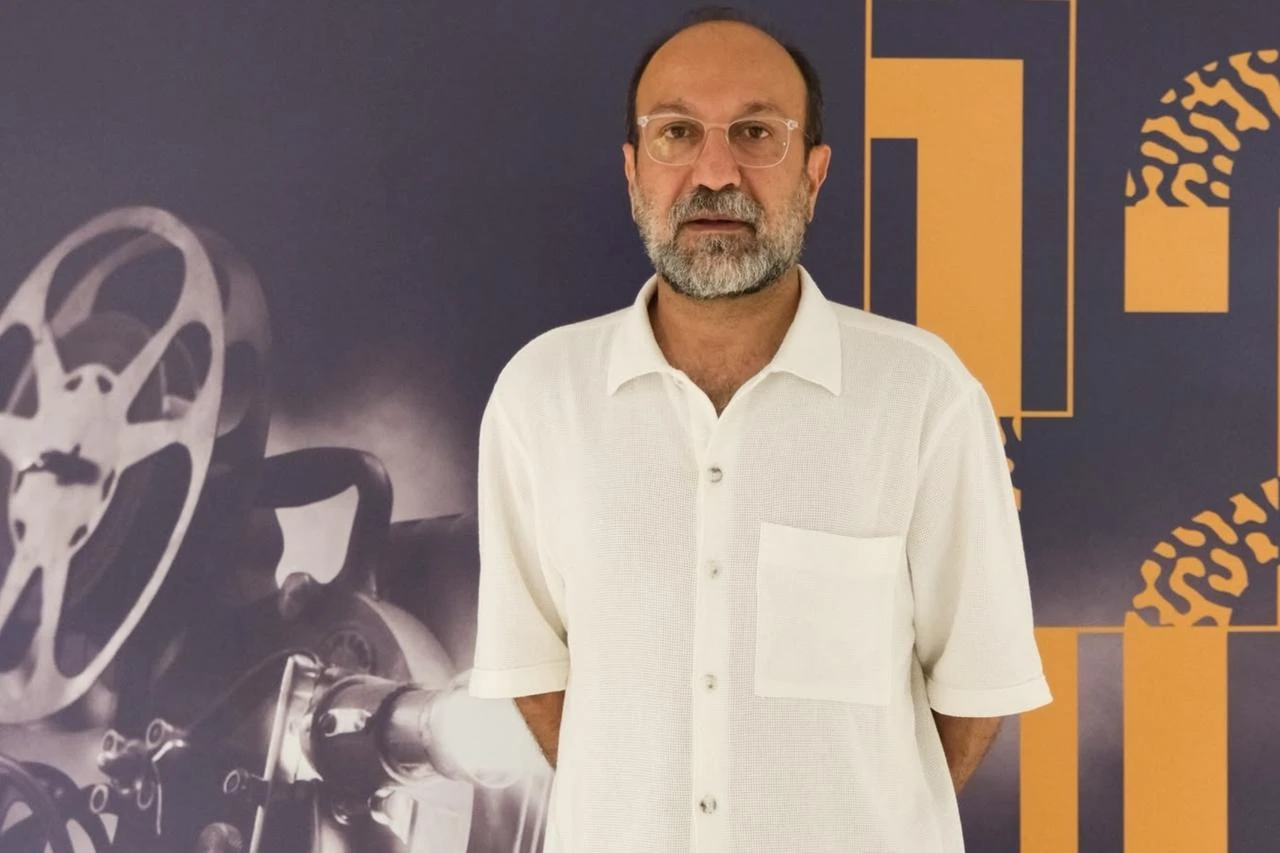


Two-time Oscar-winning Iranian director Asghar Farhadi says cinema should first build up an emotional connection with audiences rather than set out to win awards, pull in box office revenue or achieve commercial success.
Speaking to Anadolu Agency while serving as chair of the international jury at TRT 12 Punto 2026, Türkiye's annual screenplay development and co-production platform run by public broadcaster TRT, Farhadi discussed the foundations of his storytelling, the impact of streaming platforms, the influence of war and cinema's role in holding on to historical memory.
Farhadi became the first Iranian director to win an Academy Award with A Separation in 2011, a film that also picked up the Golden Bear at the Berlin International Film Festival. He later won a second Oscar for The Salesman in 2016, while The Past, A Hero and his latest film, Parallel Tales, further built up his international reputation.
Although Farhadi's films are deeply rooted in Iranian society, he said they travel across cultures because they draw on emotions shared by people around the world.
He pointed out that love, fear and anxiety may be expressed differently from one culture to another, but their core meaning remains the same.
"If the key to your story is emotion, everyone can understand it," Farhadi said.
That same personal connection shapes the way he begins a screenplay. Rather than searching for an idea designed to sell, he first considers whether a subject reaches into his subconscious and feels as though it comes from the heart.
He described writing as a gradual process that starts with a feeling, develops through reflection and only later turns into action, comparing the first spark of a screenplay to waking up with inspiration from a dream.
When asked which human issue concerns him most, Farhadi pointed to war, saying it has left him saddened, confused and deeply occupied.
He said he does not yet know whether war will directly enter his next projects, although it may already be shaping his work without him fully realizing it.
"The suffering we are witnessing affects everyone. No one can honestly say they are not saddened by what is happening," he said.
Farhadi also said streaming platforms have changed how audiences take in films by delivering information more quickly and shortening attention spans.
Although he praised the quality of many films, series, screenplays and performances released through streaming services, he said the broader shift has made viewers less willing to spend time uncovering deeper meanings or looking beneath the surface of a story.
In his view, audiences once went to cinemas ready to discover a film, while today's viewing habits often encourage faster consumption and less patience.
Turning to young filmmakers, Farhadi warned against starting a project with awards, box office performance or recognition already in mind.
He said that focusing too heavily on success can take filmmakers in the wrong direction and turn the creative process into a burden rather than something they can enjoy.
"Cinema is not like a football match where only the result matters. What matters is whether a film reaches people and establishes a connection with them," he said.
Farhadi also highlighted cinema's ability to preserve events that might otherwise fade from public memory, while stressing that filmmakers must remain faithful to what happened and approach historical subjects objectively.
He pointed to classic Hollywood Westerns as an example of how cinema can also distort the past, noting that many such films portrayed Native Americans as villains in ways that were not truthful.
For Farhadi, that history underlines both cinema's power to record events and the responsibility that comes with shaping how future audiences understand them.


 Set as preferred source
 Set as preferred source



 1 min read