Newsletters




After months of mounting pressure, a humiliating jewellery heist, and repeated closures, the Louvre has replaced its chief at the height of a crisis.
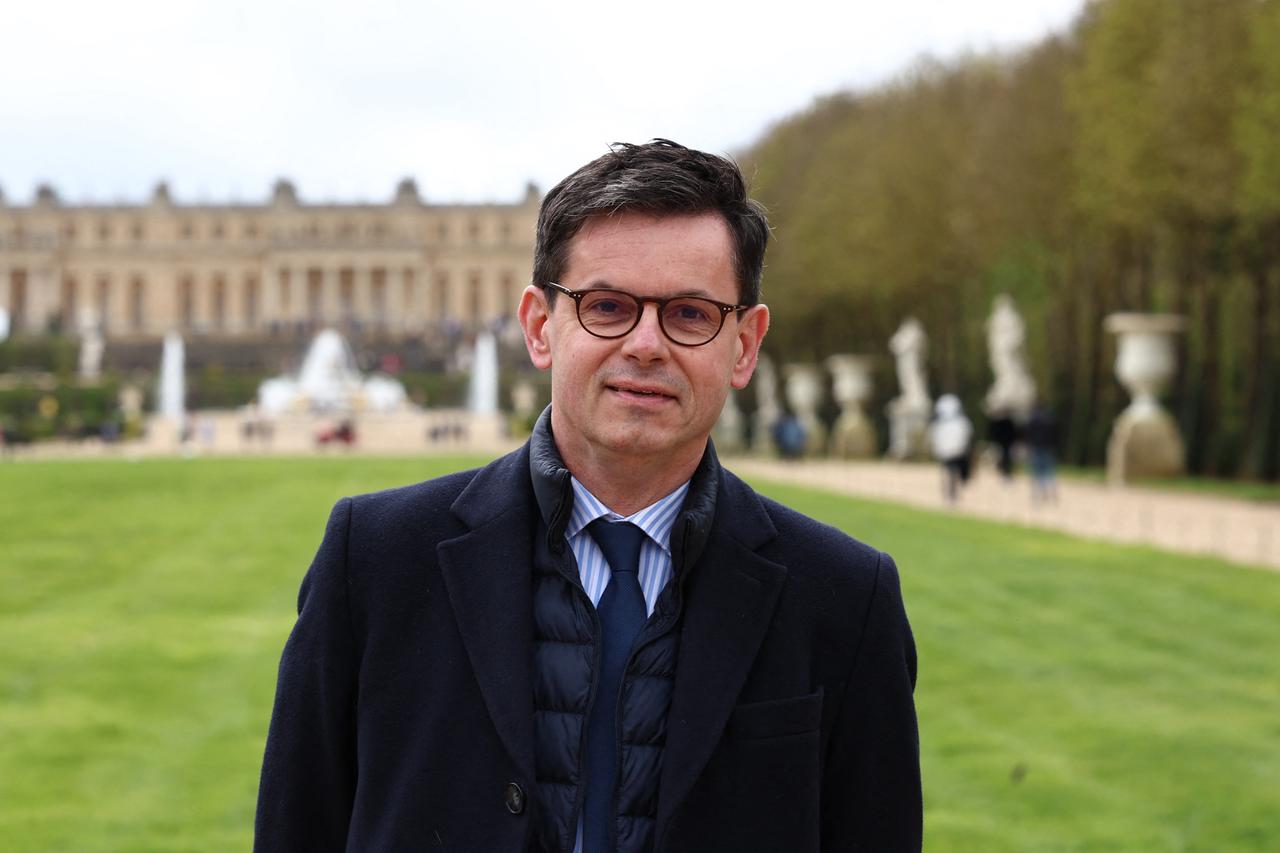
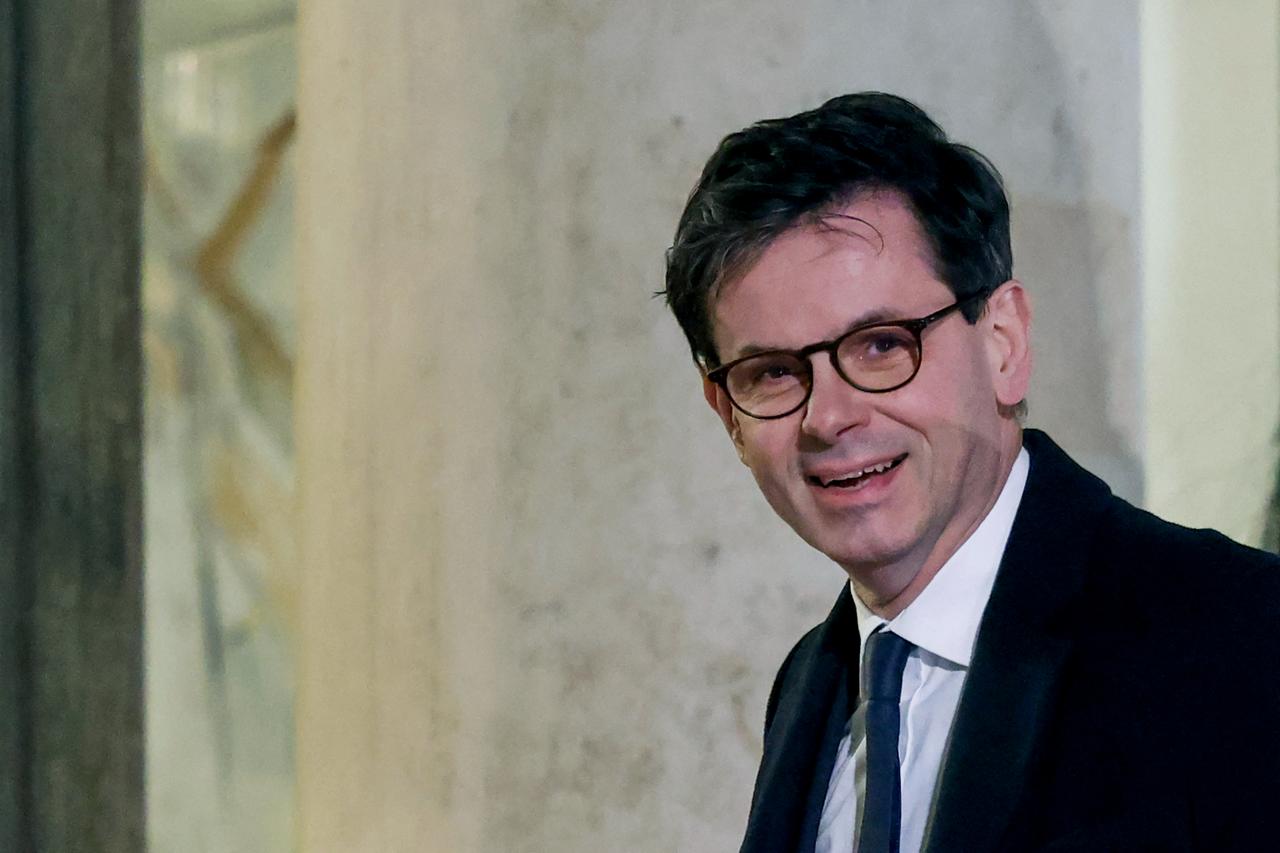
French President Emmanuel Macron has appointed Christophe Leribault as president of the Louvre Museum, less than a day after the resignation of Laurence des Cars, the first woman to lead the institution.
The appointment was confirmed on Wednesday following a Council of Ministers meeting. Government spokesperson Maud Bregeon said Leribault will be tasked with leading “major projects for the institution’s future,” including strengthening security and advancing modernization efforts.
Des Cars stepped down on Tuesday after months of pressure following a high-profile jewellery theft in October.
Burglars stole French crown jewels worth an estimated €88 million to $102 million, exposing serious security gaps at the world’s most visited museum. The jewels remain missing, and an inquiry continues.
Macron’s office described her departure as an “act of responsibility” at a time when the Louvre needs “calm and a strong new impetus” to carry out major security and modernization projects.
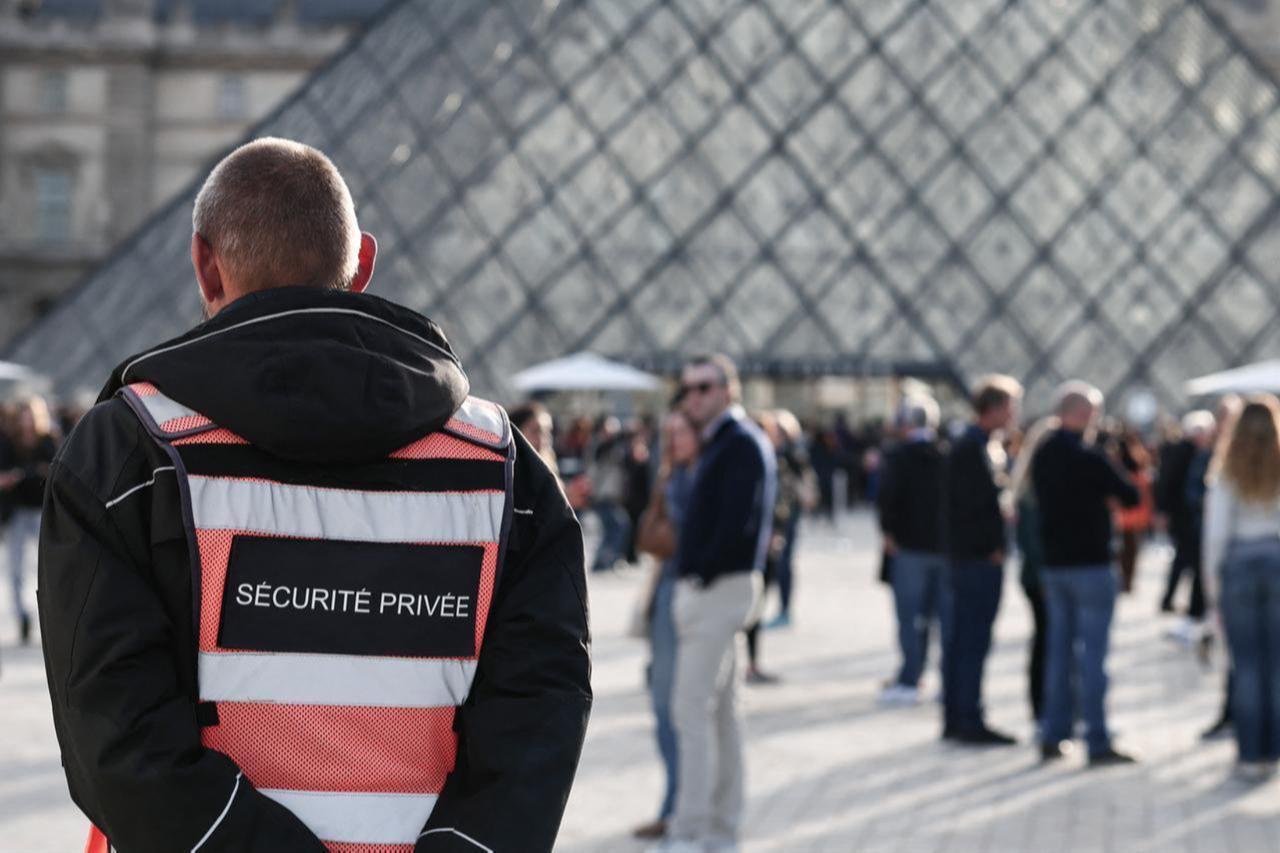

The Oct. 19 burglary marked a turning point for the Louvre’s leadership.
Days after the theft, des Cars acknowledged a “terrible failure” and admitted that camera coverage of the museum’s exterior walls was “highly inadequate.”
A state auditors’ report last year had already warned of delayed security upgrades. Only 39% of rooms had been fitted with CCTV cameras as of 2024, according to the report.
Lawmaker Alexandre Portier, who heads a parliamentary commission of inquiry, described the Louvre as a “state within a state” and said the burglary revealed “systemic failures” and “a denial of risk.”
The heist was followed by additional crises:
The Louvre welcomed more than 8.7 million visitors last year and remains one of France’s most important cultural and tourist landmarks. The scale of the problems has sharpened scrutiny on Culture Minister Rachida Dati, who faces a mayoral race in Paris next month while managing the fallout from the crisis.
In an interview with Le Figaro, des Cars said she chose to resign to allow modernization plans to move forward “without distraction.”
“The Minister of Culture asked me to stay the course during the storm, which I did,” she said. “But staying the course is not enough.”
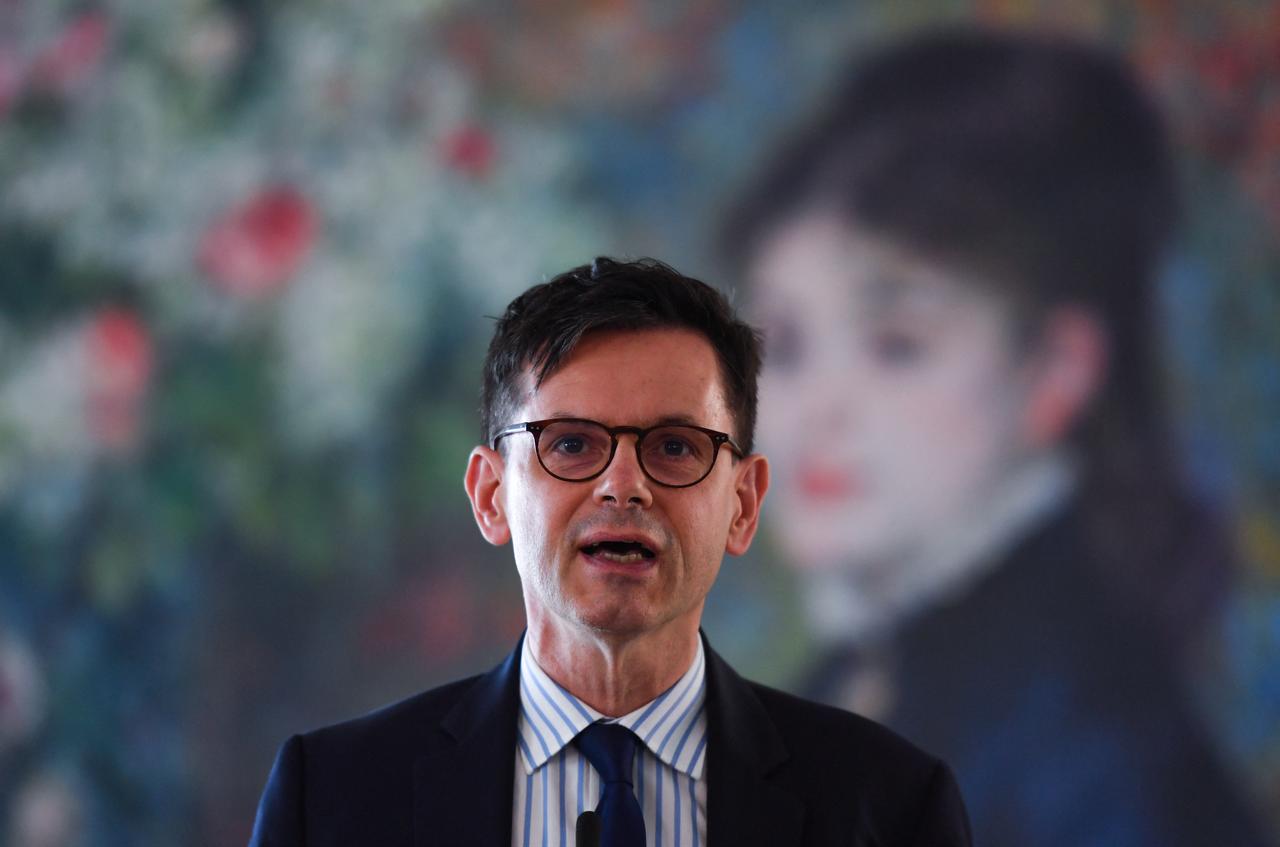
Christophe Leribault, 62, is a French art historian who specializes in 18th-century art and has led several of Paris’s most prominent cultural institutions.
Before his appointment to the Louvre, Leribault served as president of the Château de Versailles, a position he took up in 2024.
Under his leadership, the palace hosted competitions during the 2024 Olympic and Paralympic Games, reinforcing its role as both a heritage site and an active cultural venue.
Leribault previously directed the Musée d’Orsay and the Musee de l’Orangerie, institutions known for their 19th century and Impressionist collections. Earlier in his career, he led the Petit Palais and served as deputy director of the graphic arts department at the Louvre Museum between 2006 and 2012.
The culture ministry said his priorities at the Louvre will include strengthening the safety and security of the building, collections, and visitors, restoring a climate of trust, and advancing long-delayed modernization projects.
As part of the broader reshuffle in France’s cultural institutions, Annick Lemoine, who currently heads the Petit Palais, has been appointed director of the Musée d’Orsay and the Musée de l’Orangerie. She will take up her post on March 19.
Leribault now assumes leadership of the Louvre at a moment of heightened scrutiny, as the museum works to recover from the October jewellery heist, labor strikes and infrastructure concerns that have shaken confidence in its management.


 Set as preferred source
 Set as preferred source



 2 min read