Newsletters


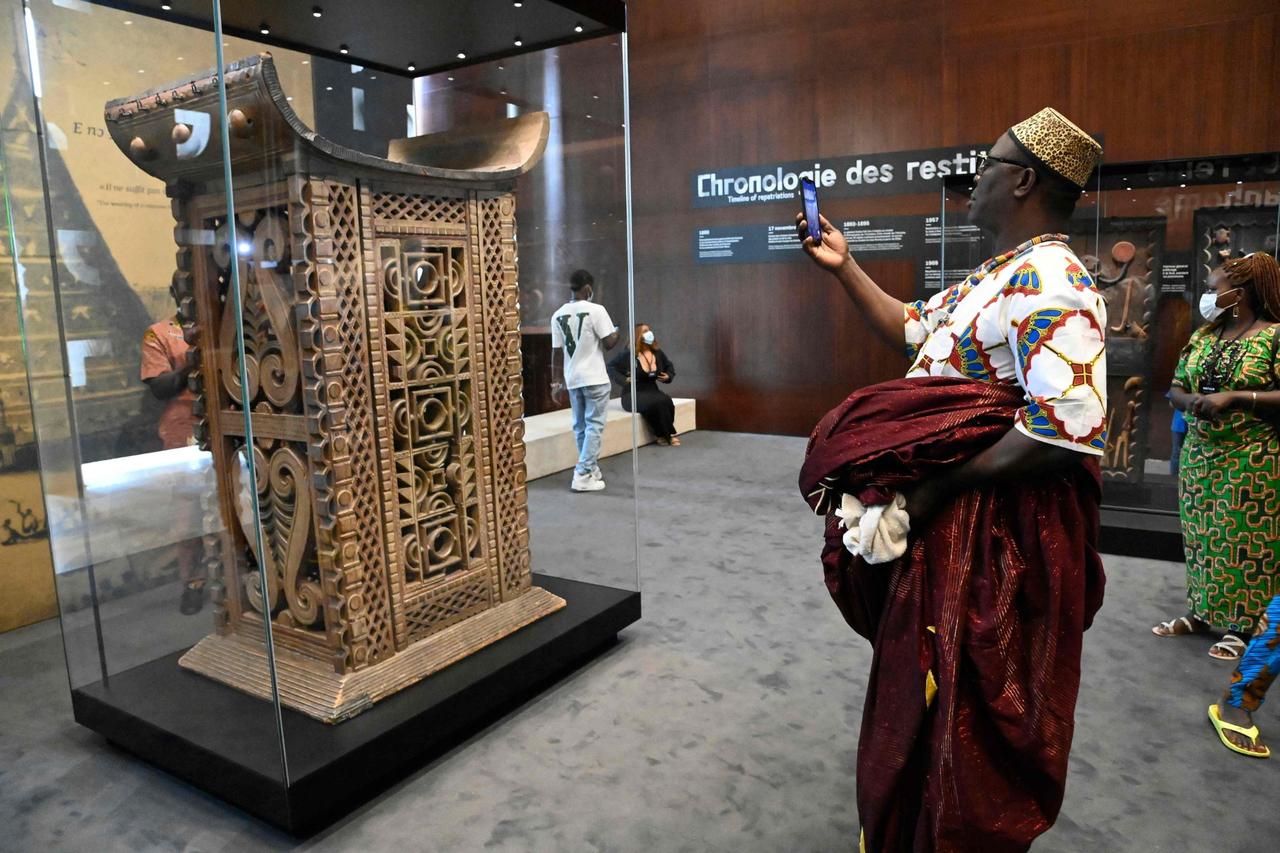


For 500 years, French law said once an object entered a national museum, it could never leave. That "forever" ended Wednesday evening. In a unanimous vote, the French Senate just cleared the way for tens of thousands of looted treasures to finally head home.
The proposal, which focuses on items removed under questionable or illegal circumstances, was passed unanimously during an evening vote in the upper house of Parliament.
The bill, put forward by the French government, is intended to pave the way for the removal of certain colonial-era cultural objects from national museum collections. It applies to artifacts acquired between 1815 and 1972, a period that largely overlaps with France’s colonial expansion, where authorities have determined that the items were unlawfully obtained or where serious doubts remain about the legality of their acquisition.
By setting up a clearer legal framework, the legislation seeks to smooth the process of returning these works to their countries of origin, a step that has long faced legal and institutional barriers within France.
While the bill covers a wide range of cultural objects, it deliberately leaves out military-related items and archaeological artifacts. These exclusions underline the government’s intention to narrow the focus to museum-held cultural works rather than items tied to defense or formal archaeological research.
Following its approval in the Senate, the draft law will now move on to the National Assembly, the lower house of Parliament, where debates are still ongoing.
France has already carried out similar returns under specific legal arrangements. In 2021, it handed back 26 historical objects that had been taken from Benin in the 19th century and were later displayed in museums in Paris. That move was widely seen as a symbolic milestone in France’s approach to colonial-era restitution.
Other requests remain unresolved. Algeria, for instance, is asking for the return of personal belongings linked to Emir Abdelkader, the country’s founding leader, whose legacy remains central to Algerian national history.


 Set as preferred source
 Set as preferred source



 3 min read