Newsletters


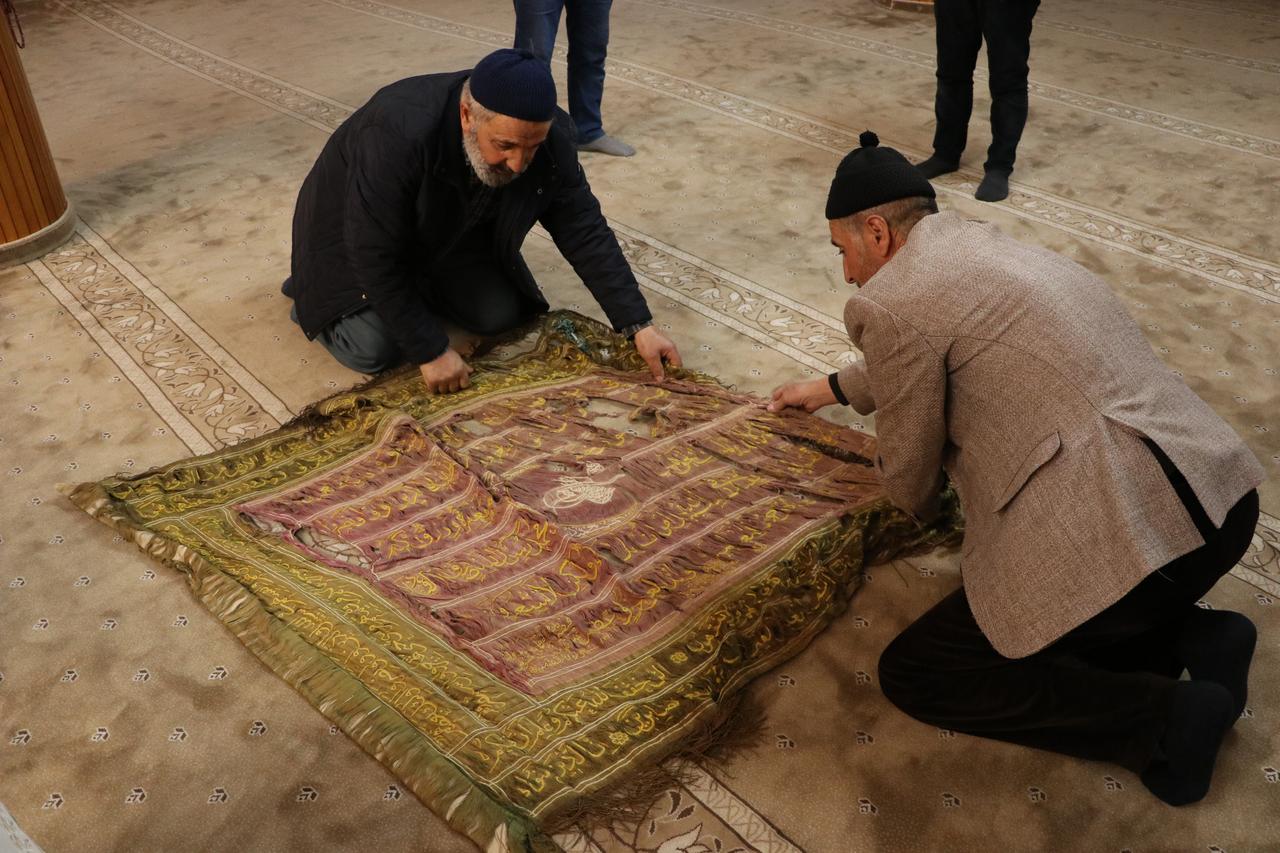


In a small neighborhood in central Türkiye, residents have been carefully preserving two historic banners for generations, treating them not just as artifacts but as a shared legacy passed down through families.
In the Karakaya neighborhood of the Bunyan district in Kayseri, locals continue to safeguard two banners dating back to the Eretna Beylik and the Ottoman era.
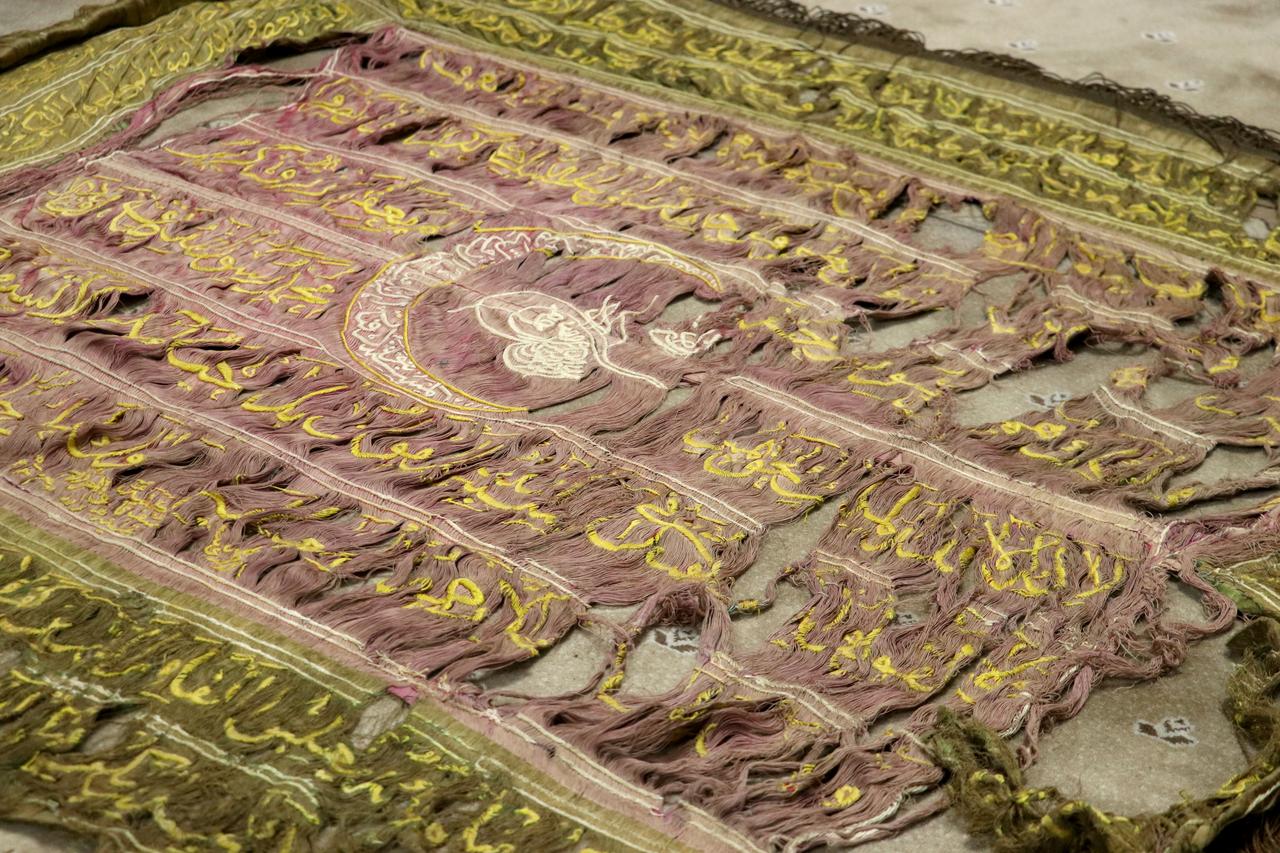
The fabrics feature symbols and inscriptions that hold deep historical and cultural meaning, including the Ottoman tughra (imperial monogram), crescent and star motifs, the Kelime-i Tevhid (Islamic declaration of faith), and other religious expressions. For international readers, a tughra refers to the stylized signature used by Ottoman sultans, while the Kelime-i Tevhid is a central statement of belief in Islam.
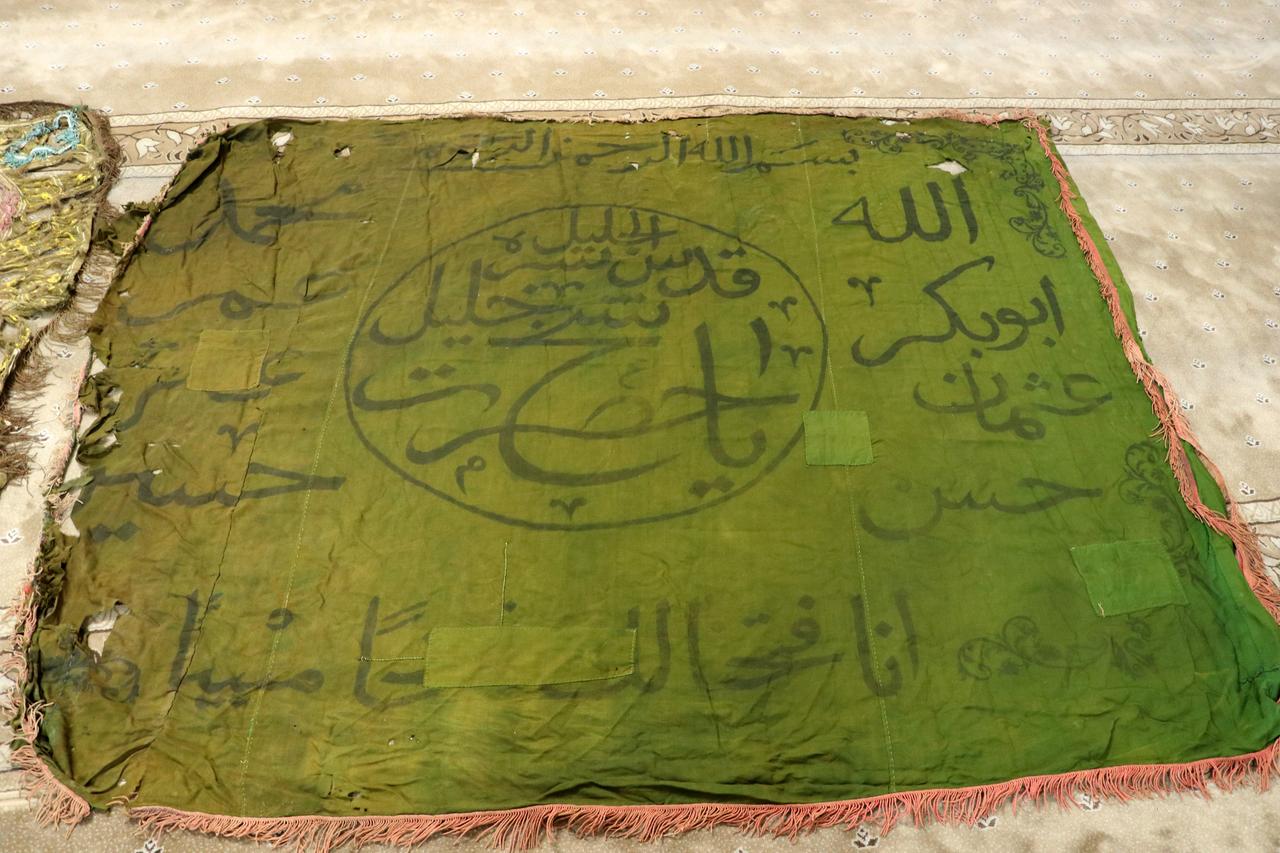

According to Suayip Ertekin, head of the Karakaya Mosque Construction and Preservation Association, one of the banners dates back to the Eretna Beylik, a medieval principality established in the Sivas and Kayseri region. He explained that Karakaya once functioned as a frontier, or “uc beyligi,” within that political structure.
The second banner belongs to the late Ottoman period and was issued during the reign of Sultan Abdulhamid II. Ertekin noted that this banner is approximately 120–130 years old and bears the sultan’s tughra, placing it in the final decades of the empire.
He added that both banners were transferred to the village mosque after the closure of tekkes and zawiyas—religious lodges—during a period of institutional reforms.
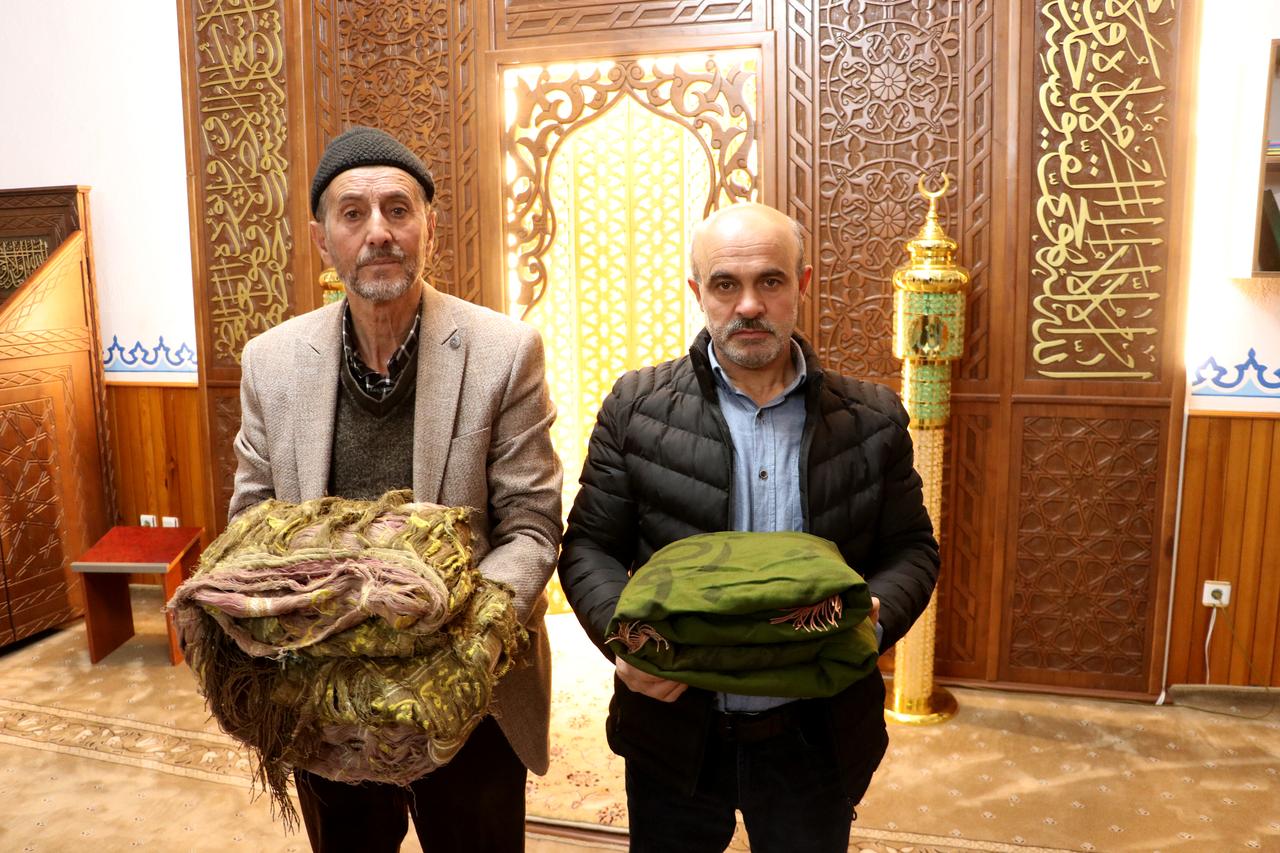
Over time, the banners have shown signs of aging, yet they remain under careful protection by the local community. They are taken out only on significant days, reinforcing their symbolic value rather than serving as everyday objects.
Ertekin emphasized that the banners have also drawn academic interest. Scholars from Selcuk University examined them in 1996 and proposed restoration work, while historians from universities in the Aegean region, Ankara, and Istanbul have also studied them.
Highlighting the emotional and symbolic weight attached to the objects, Ertekin described the banners as inseparable from the community’s identity. He stressed their responsibility to preserve and pass them on.
“We protect these banners and will continue to do so. They were handed down to us by our ancestors, and we will leave them as a legacy to our children,” he said.
He also noted plans to carry out restoration work while continuing to preserve the banners with great care, ensuring that both their historical value and the sense of identity they represent are passed on to future generations.


 Set as preferred source
 Set as preferred source


 6 min read