Newsletters


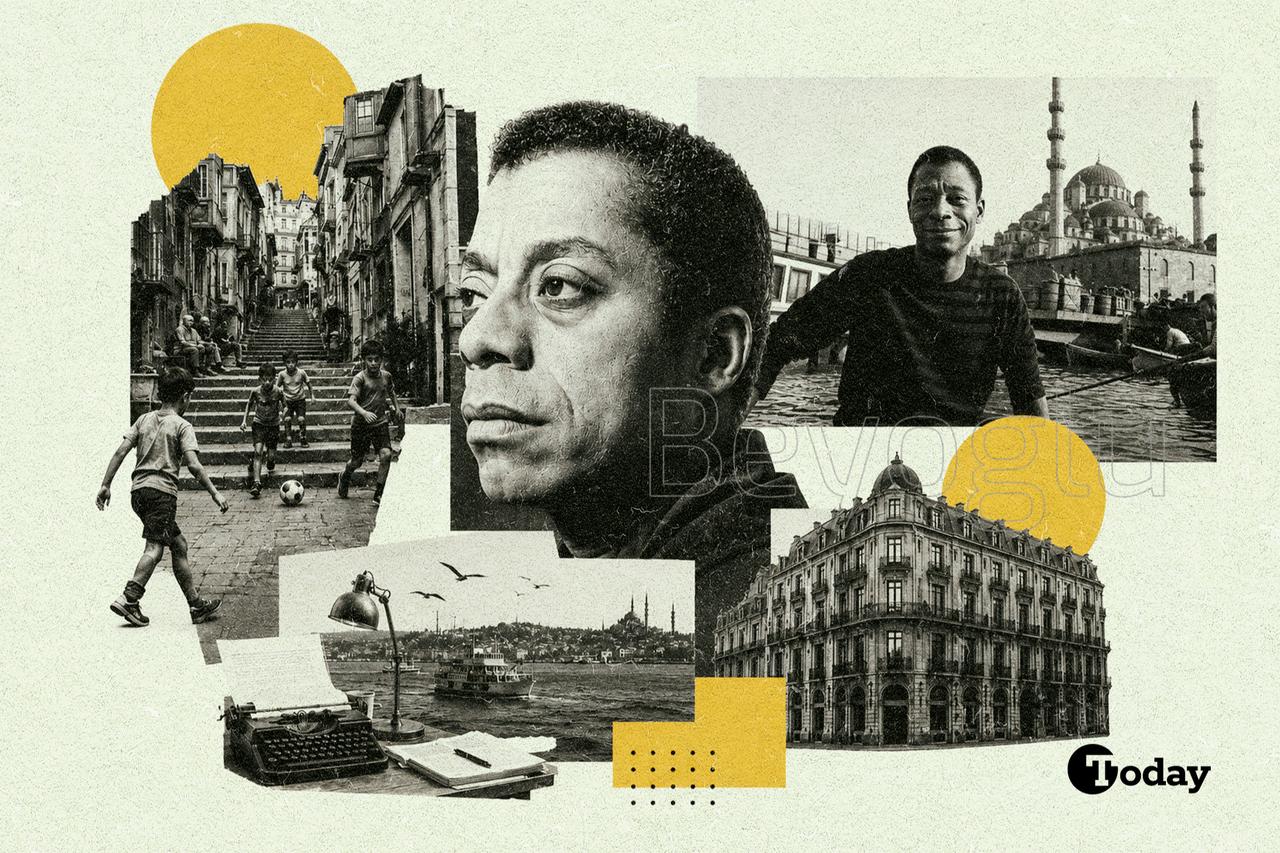


The Ebe Hanim Street in Istanbul's Beyoglu neighborhood is an alley tucked away from the surrounding chaos, and is easy to miss if you are not looking for it. The small street is bordered by Istanbul's unforgiving hills.
During the summer months, Ebe Hanim turns into an outdoor communal living room with children playing football and neighbors reimagining the steep steps into sun loungers where gossip and observations go deep into the night.
The confining narrowness of the street, at times, has a suffocating feeling of oneness. If you spoke too loudly, the entire street's residents would fall into sudden curiosity. Nothing on the street went unnoticed.
After a series of unfortunate events, I found myself at the gentle mercy of this street and one of its inhabitants, Dutch Arabist and researcher Rena Netjes, who housed me here for the summer of 2024.
During the many months I spent at Rena’s apartment, the street served as both a backdrop and a witness to life's unfolding happenings. On summer nights spent on her four-story apartment building's rooftop terrace that overlooked the Bosphorus Strait, we discussed everything from world events to life's personal tragedies.
For Rena, who had fled to Istanbul years earlier following her father's death and a ten-year prison sentence in Egypt—based on accusations of supporting the Muslim Brotherhood that she and her fellow Al Jazeera journalists ardently deny—the terrace and the surrounding streets had become a refuge from life's outside burdens.
On any given summer evening, the rooftop terrace would serve as our hosting space to an eclectic mix of journalists, activists, political exiles, academics, religious scholars and many others who happened to wander through Beyoglu.
At other times, Rena would turn the rooftop into a dance hall where parties would go into early hours of the summer morning with guests conversing with one another in English, Dutch, Arabic and Turkish.
“I thought I would go to Istanbul for half a year, but I liked it so much that I stayed,” Rena recalled
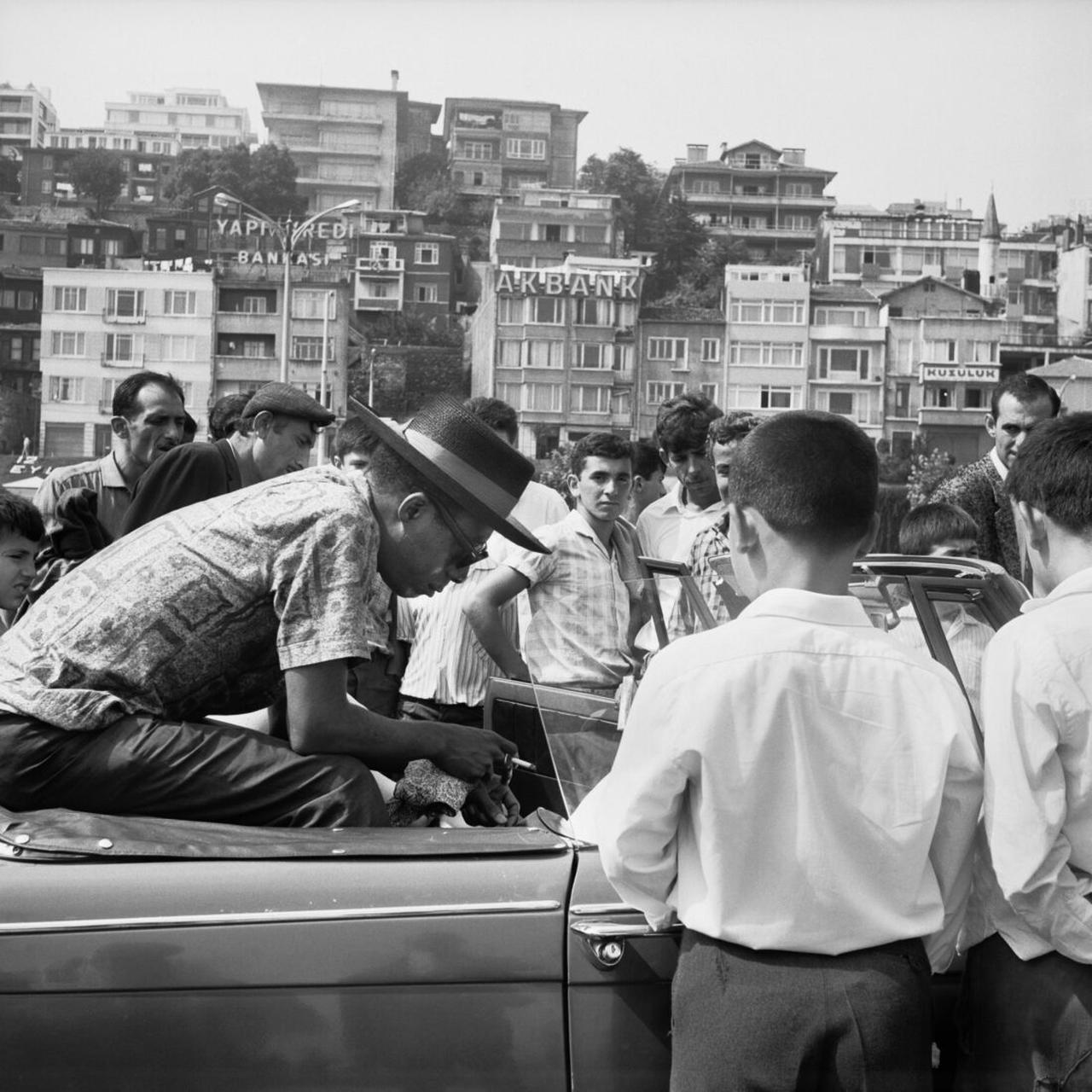

Unbeknownst to us, years before our arrival, someone else had already laid claim to Ebe Hanim.
American essayist and novelist James Baldwin, who lived in a four-story building much like the apartment we had congregated in decades later.
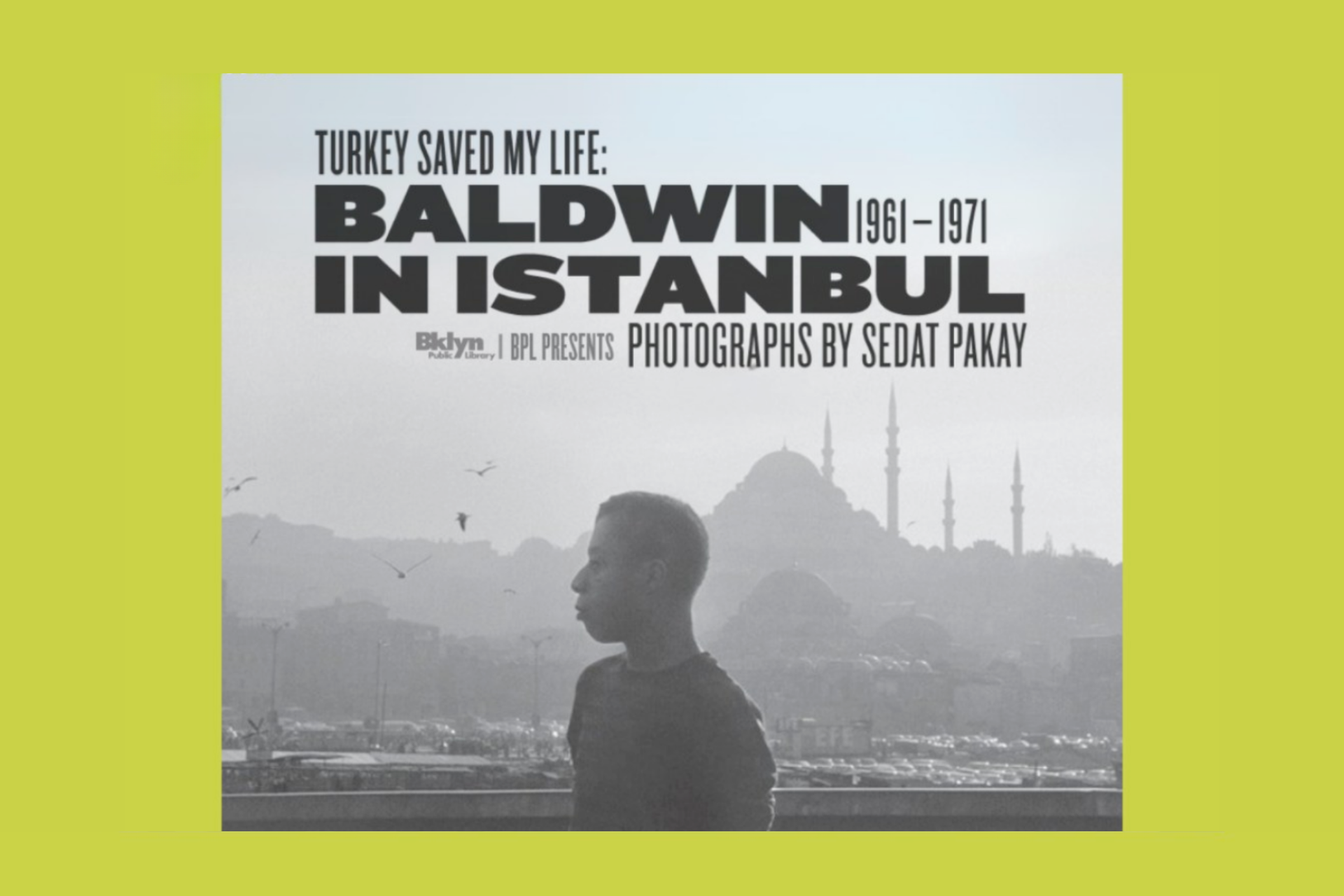
Baldwin, one of the most prominent African-American public intellectuals to come out of the civil rights era, had self-exiled to Istanbul in the 1960s at his professional peak. For the next decade, Istanbul would serve as a safe space that shielded him from the rot of America’s racism and inequalities that kept him mentally burdened in his everyday life. As Baldwin put it, “Türkiye saved my life!”
Baldwin, asChristina Greer, associate professor of political science at Fordham University, argued in a TED-Ed animation on his life in exile, often felt “trapped in his moment in history.” His identity as a Black American was something he could never fully escape within the constraints of U.S. society.
By contrast, Istanbul and the broader Turkish society offered him a sense of personal freedom and space for artistic reflection. Here in Türkiye, Baldwin was able to focus on some of his most significant works, including "Another Country" and "Tell Me How Long the Train’s Been Gone." Istanbul also served as a place of privacy where Baldwin could wrestle with more intimate themes in his life of personal identity and exile.
Anyone who has spent an iota of time exploring Istanbul, or simply wandered more deeply through Beyoglu’s winding slopes, would understand that the sense of release Baldwin felt within Beyoglu and greater Istanbul is not an uncommon experience.
While structurally, Ebe Hanim is shut in from the rest of Beyoglu, for us, its foreign dwellers, it provided an unburdening from the much larger forces out of our control. For Baldwin, it was American racism; for Rena, it was political persecution. For me, it was navigating an unexpected season of grief.
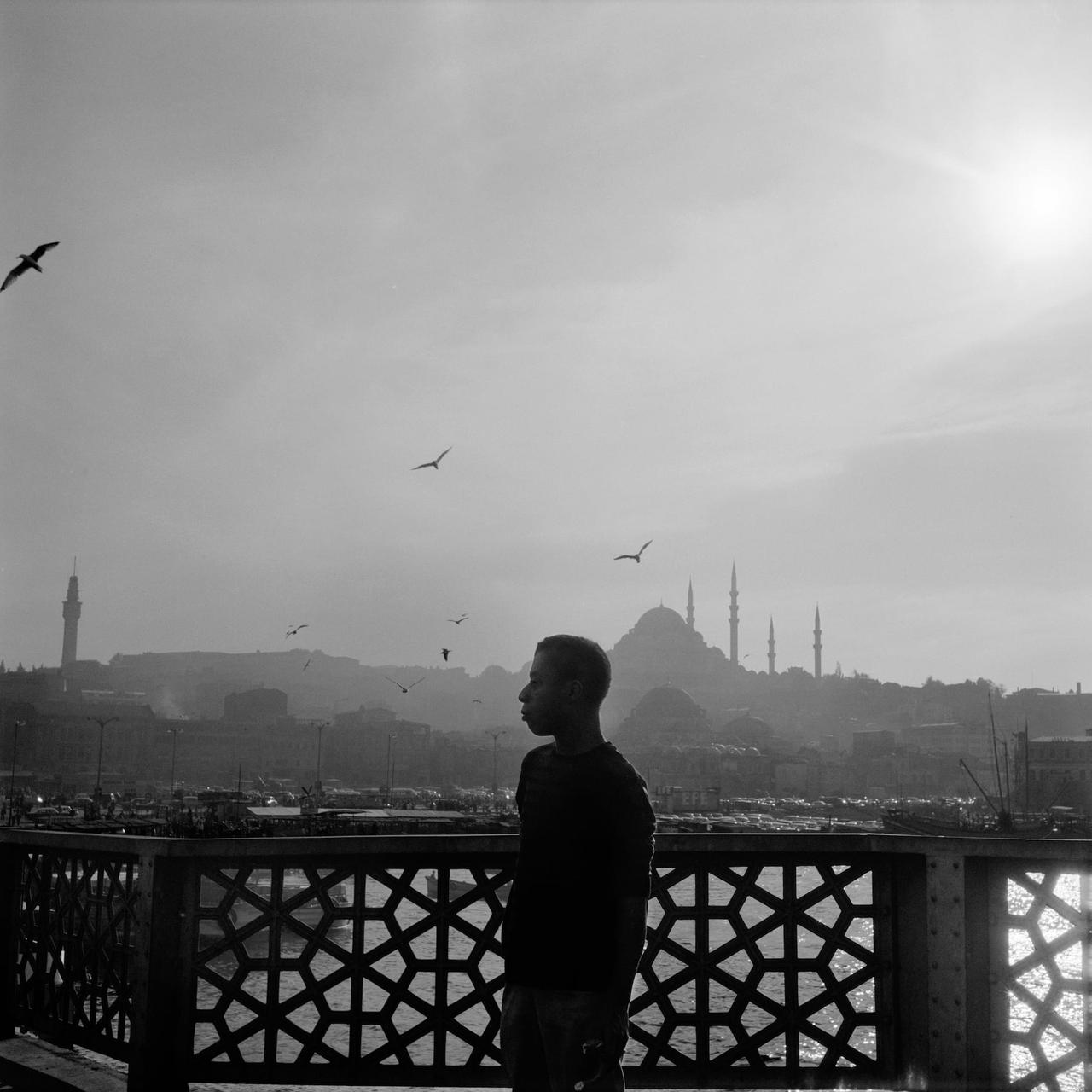
Throughout its history, Beyoglu has always attracted the intellectual nomad.
Writers like Ernest Hemingway, John Dos Passos, and British traveler and imperial political officer Gertrude Bell, who is credited with assisting in the foundation of modern-day Iraq, had all found themselves passing through Beyoglu’s streets.
During the interwar period, the neighborhood famously housed British writer Dame Agatha Christie, who would take her extended stays at the Pera Palace Hotel. It was here in room 411 that she would pen the global best seller "Murder on the Orient Express."
In the 1980s, Beyoglu’s architectural treasures were marveled upon by British writer and broadcaster Daniel Farson, who described the lift in the Pera Palace as “the most beautiful elevator in the world" ascending "like a lady who curtsies."
And during all hours of the day, Beyoglu’s infamous Istiklal Street beckons tourists and locals alike, where people from all corners of the world seem to converge along a single bustling pedestrian artery.
Government institutions such as the German, French and Dutch consulates, along with the Ataturk Cultural Center, where opera and symphonies are held regularly, ground the neighborhood in its enduring civic and cultural significance.
During the late summer months of 2024, I received a visit from a British-based scholar and journalist whose own writings had been influenced by some of Baldwin’s most celebrated works.
Like many who came before him, he found a creative sanctuary in Istanbul when he first arrived in 2017, choosing to settle in the historic Beyoglu neighborhood. As my confidant recalls, “I came to Istanbul to write. If I could write anywhere in the world, it had to be here.”
Now based in the United Kingdom, over the years, he made it a habit to return to the locality he adoringly describes as a “vibrant and cultural neighborhood for everyone.”
 2 min read
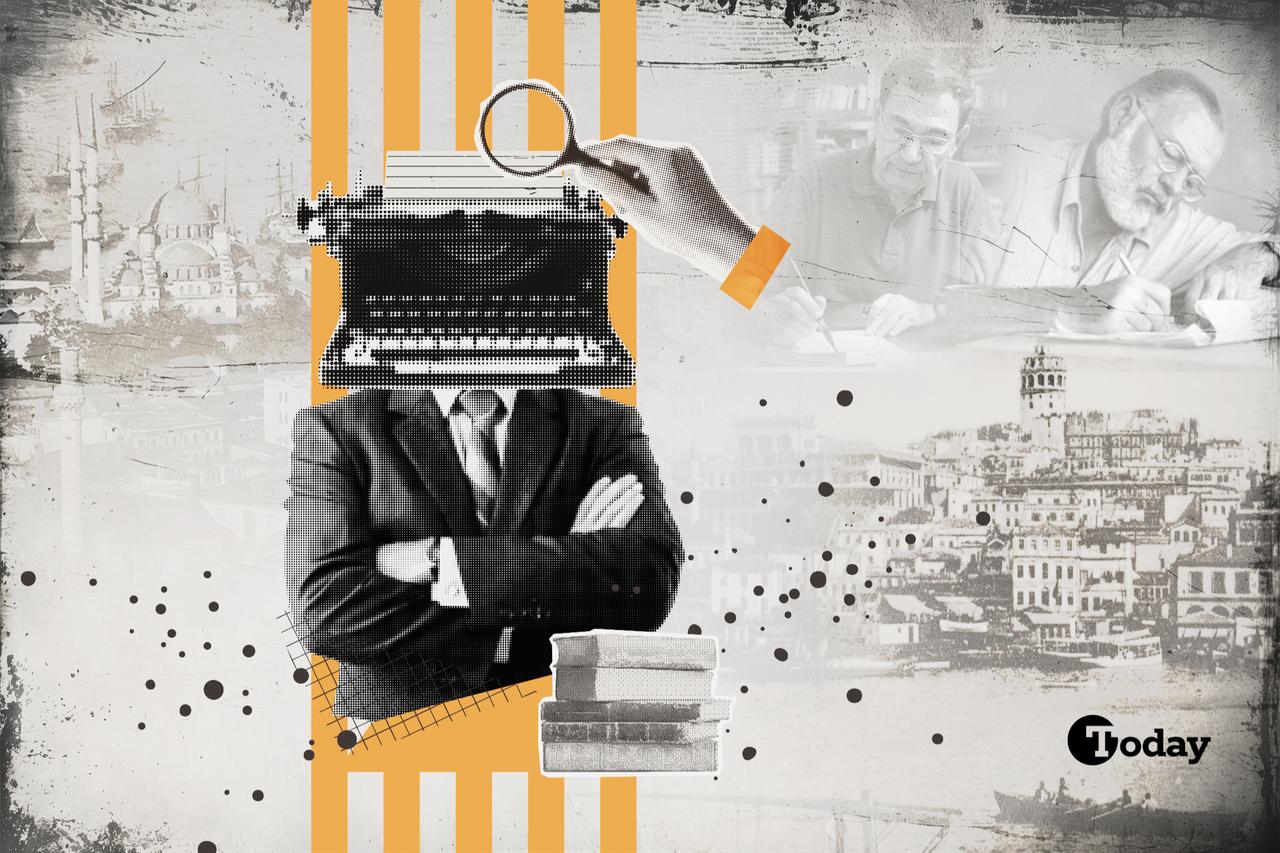
During a predictably hot day that summer, he and I decided to retrace Baldwin’s steps. Our self-guided tour was an attempt to understand the inner world of a man whose writings on American race relations led to one of the FBI’s most extensive surveillance campaigns against a writer in its history.
Our itinerary took us through all of Baldwin's familiar haunts, including the cafes near the Istiklal Street that Baldwin would frequent and the Pera Palace Hotel off the Taksim corridor. As the day neared its end, our final stop was to pay homage to Baldwin's apartment. I had discovered its address in a 2017 Washington Post article on Baldwin’s life in Istanbul.
As we stepped further away from the congestion of Taksim Square and deeper into Beyoglu’s urban backroads, I told my friend that the local landmarks had started to look familiar to me.
Expecting to find a plaque dedicated to Baldwin’s influence, I instead found myself back on the street of Rena’s apartment, where the same children were playing the same street games they had been playing all summer, and where the same neighbors looked at me in quiet acknowledgement. We, of course, were bemused by the coincidence that Ebe Hanim’s own boundedness had absorbed some of its most striking history.
But there was also an unspoken understanding that in many ways Ebe Hanim's significance continued to live on long after Baldwin, as the street remained a gathering place for both locals and wanderers with burdens to shed. People who, just like Baldwin, were able to recapture a bit of themselves during their stay on the street for however long that may have been.
Baldwin left Istanbul in 1971 and spent his remaining years in France. During the spring of 2026, after almost eight years on the Ebe Hanim Street, Rena left as well.
Two years have passed since my days on Ebe Hanım. Yet, whenever I pass the steps leading down to that unassuming street, I wonder about its latest wayfarer and what heavy burdens they have brought with them to release to Ebe Hanim.


 Set as preferred source
 Set as preferred source


 1 min read