Newsletters


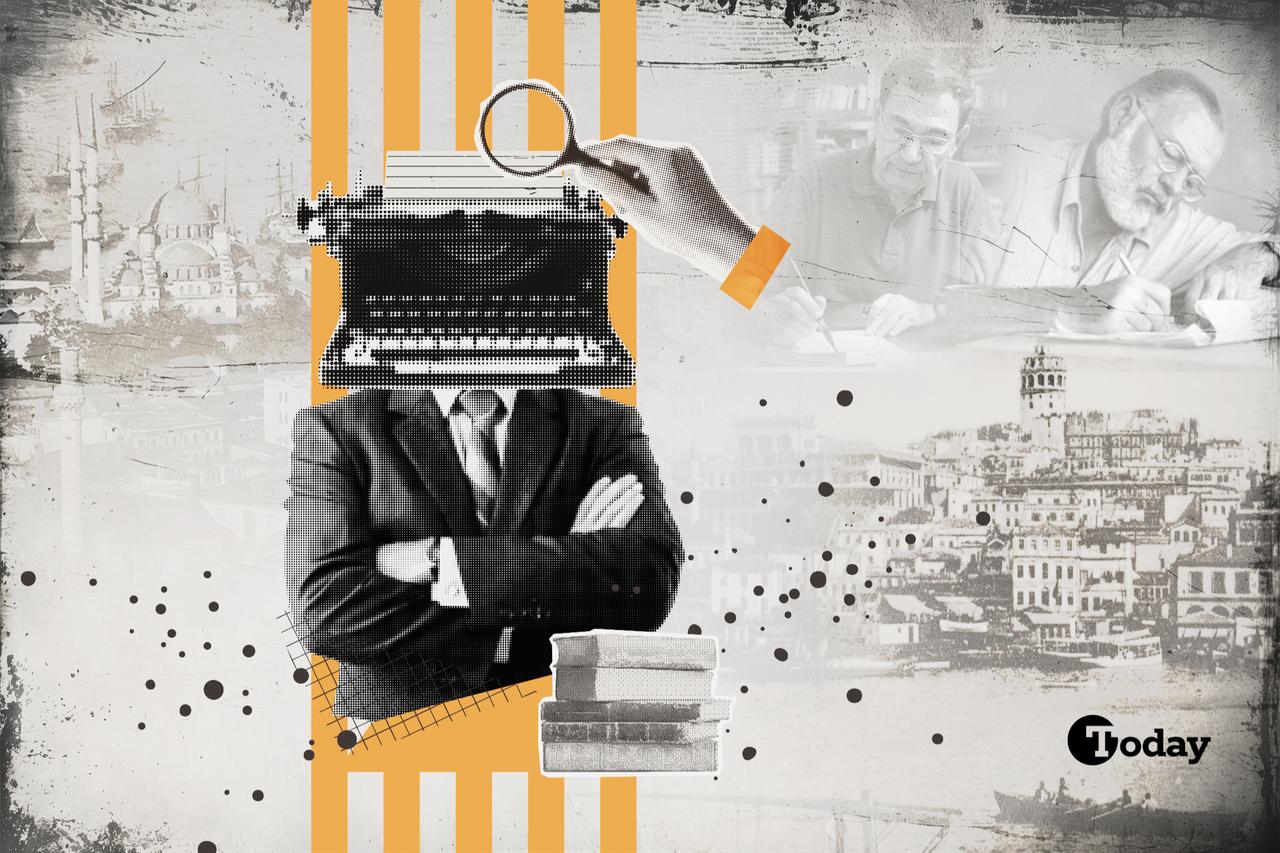


Long ago, before the Turkish author Orhan Pamuk was awarded the Nobel Prize for Literature in 2006, another future Nobelist dipped his pen deeply into Türkiye, mesmerizing readers with “mosquitos who had supped too heavily to fly away from my face.”
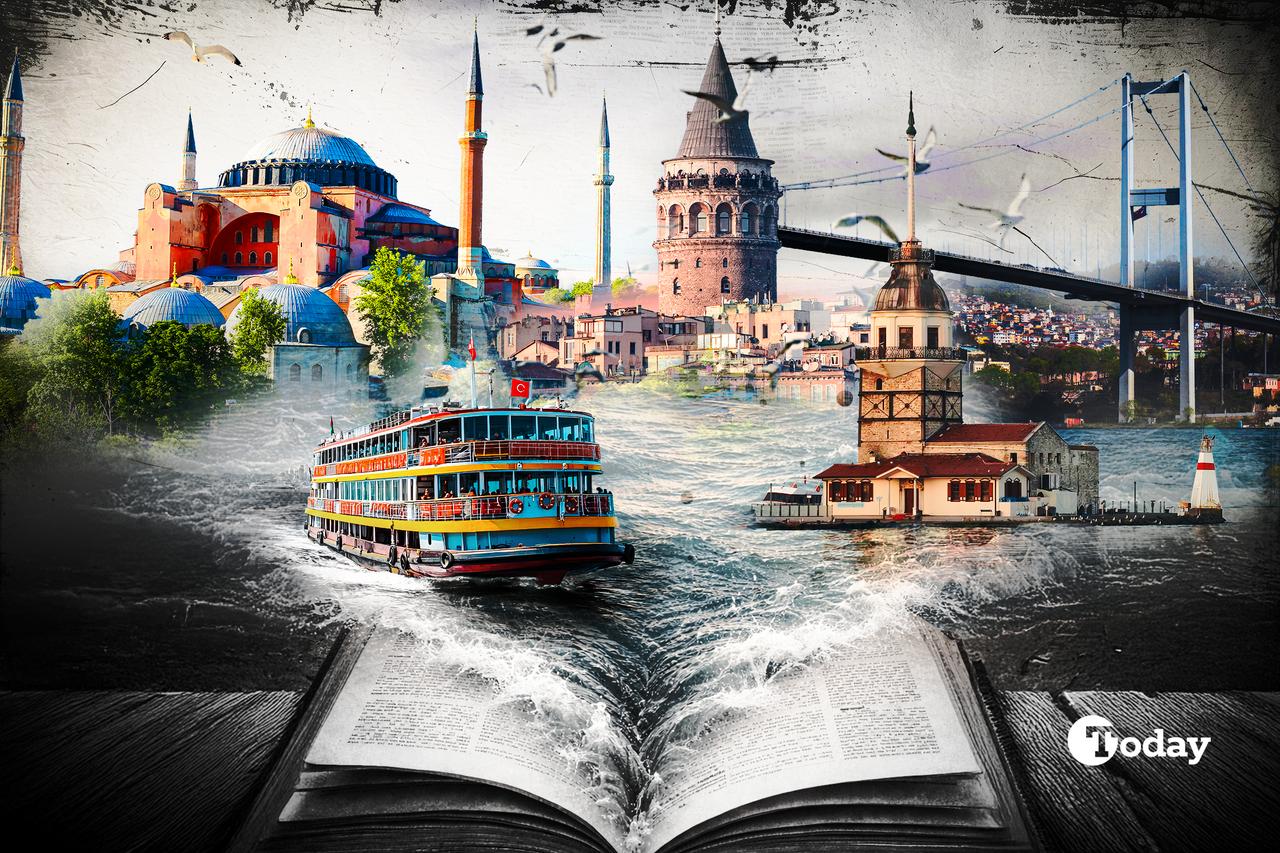
Ernest Hemingway arrived in Constantinople aboard the Orient-Express in September 1922, two months before the collapse of the 623-year-old Ottoman Dynasty. He was a 23-year-old correspondent for the Toronto Star. It would take another three decades and Four Lads to assure the outside world that Papa’s beloved city on the Bosphorus was "Istanbul Not Constantinople."
“In the morning,” Hemingway wrote from his lodgings at the Hotel des Londres, “when you wake and see a mist over the Golden Horn with the minarets rising out of it slim and clean towards the sun and the muezzin calling the faithful to prayer in a voice that soars and dips like an aria from a Russian opera, you have the magic of the East.”
Hemingway famously titled Paris “A Moveable Feast,” but his memories of Constantinople—on display in his too often overlooked book “By-Line”—were every bit as indelible. Having spent only two months in the city, Hemingway for decades continued to write about its sights, sounds, and aromas.
As Hemingway’s fellow Nobel Laureate Pamuk later observed in “My Name is Red”:
“When you love a city and have explored it frequently on foot, your body, not to mention your soul, gets to know the streets so well after a number of years that in a fit of melancholy, perhaps stirred by a light so falling every so sorrowfully, you’ll discover your legs carrying you of their own accord toward one of your favourite promontories.”
Hemingway had come to Türkiye to cover the Greco-Turkish War at a time when the conflict was nearly over and the Allies had already encamped in Constantinople. Still, Hemingway would file 22 stories, including his classic, “Old Constan.”
After living happily in Paris with his wife Hadley for two years, Constantinople was a true culture shock—the roads were either dusty or muddy, and so narrow that “everyone has to walk in the street and the streets are like rivers. There are no traffic rules,” with wild turkeys running rampant.
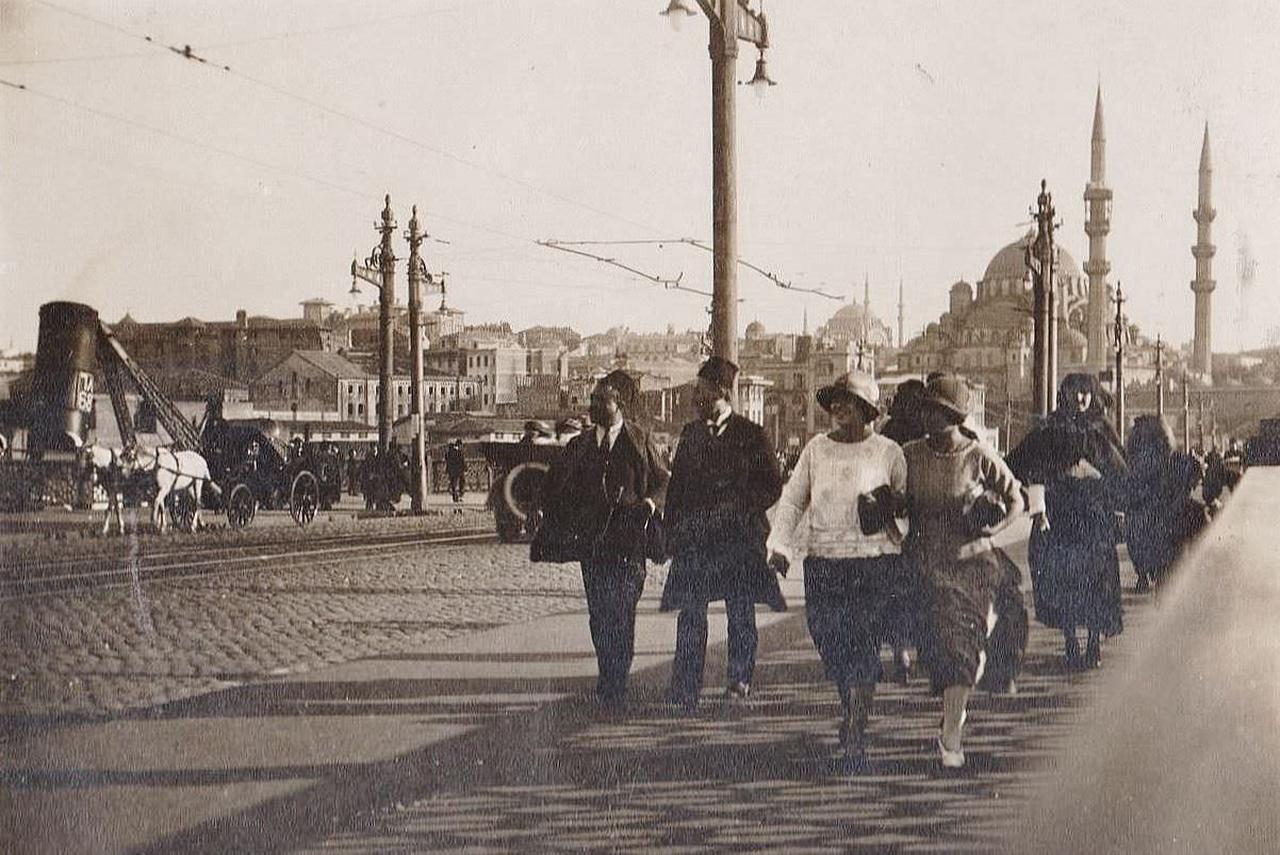

Having feasted on Marenne oysters and cold Chablis in Paris, Hemingway found the available food in Constantinople dreadful, moaning, “My jaw muscles are beginning to bulge like a bullfrog’s from chewing, or chawing, Turkish meat. The fish is good, but fish is a brain food and anyone taking about three good doses of a brain food would leave Constan at once, even if you had to swim to do.”
But food prices were rock-bottom cheap. A dinner in Paris cost 6 francs, in Constantinople 3.
Hemingway scornfully dubbed the local liquor, deusico, as a “tremendously poisonous, stomach rotting drink that has a greater kick than absinthe and is so strong that it is never consumed, except with an hors d’oeuvre of some sort.”
Hemingway mostly dismissed the city’s food and drink as cameo performers in a marquee attraction. It was Old Constan’s intriguing characters of the night that lured Papa and his pencil into the streets, taking notes until the sun rose over Asya Yakasi, the Asian side of the Bosphorus
“All night, hot sausage, fried potato and roast chestnut stands, run their charcoal brazier’s on the sidewalk to cater to the long line of cab men who stay up all night to solicit fares from revellers,” Hemingway wrote. “The nightclubs open at two, the more respectable nightclubs, that is. The disreputable nightclubs open at four in the morning.”
Yet Hemingway’s keen reportorial instincts sensed the new Kemalist government was set to tamp down the steamy side of Stamboul (as the city was known in Western usage). To confirm, he tracked down Hamid Bey, one of Mustafa Kemal Ataturk’s local deputies and a senior administrator at the Banque Imperiale Ottomane. Papa reported finding Bey “at the top of a steep hill beyond an old seraglio.”
“Next to Kemal,” Hemingway continued, “(Hamid Bey) is perhaps the most powerful man in the Angora government.” His takeaway from the interview was as sober as it was prophetic.
“The man who raises a thirst somewhere east of Suez is going to be unable to slake it in Constantinople once Kemal enters the city,” Hemingway forewarned. “Constantinople will be as dry as Asiatic Turkey, where alcohol is not allowed to be imported, manufactured or sold.”
Along with alerting readers that backgammon and playing cards would also be taboo, Hemingway continued to report dutifully on the Greco-Turkish War. After two months, with the combat ended, he happily looked forward to a quiet sleeping car on the Orient-Express back to Paris.
Having served in an Italian ambulance corps and been severely wounded in World War I, Hemingway had experienced the ravages of battle, and, after Constantinople, he would always be drawn to the next one, reporting on the Spanish Civil War and following the troops after D-Day in France during World War II.
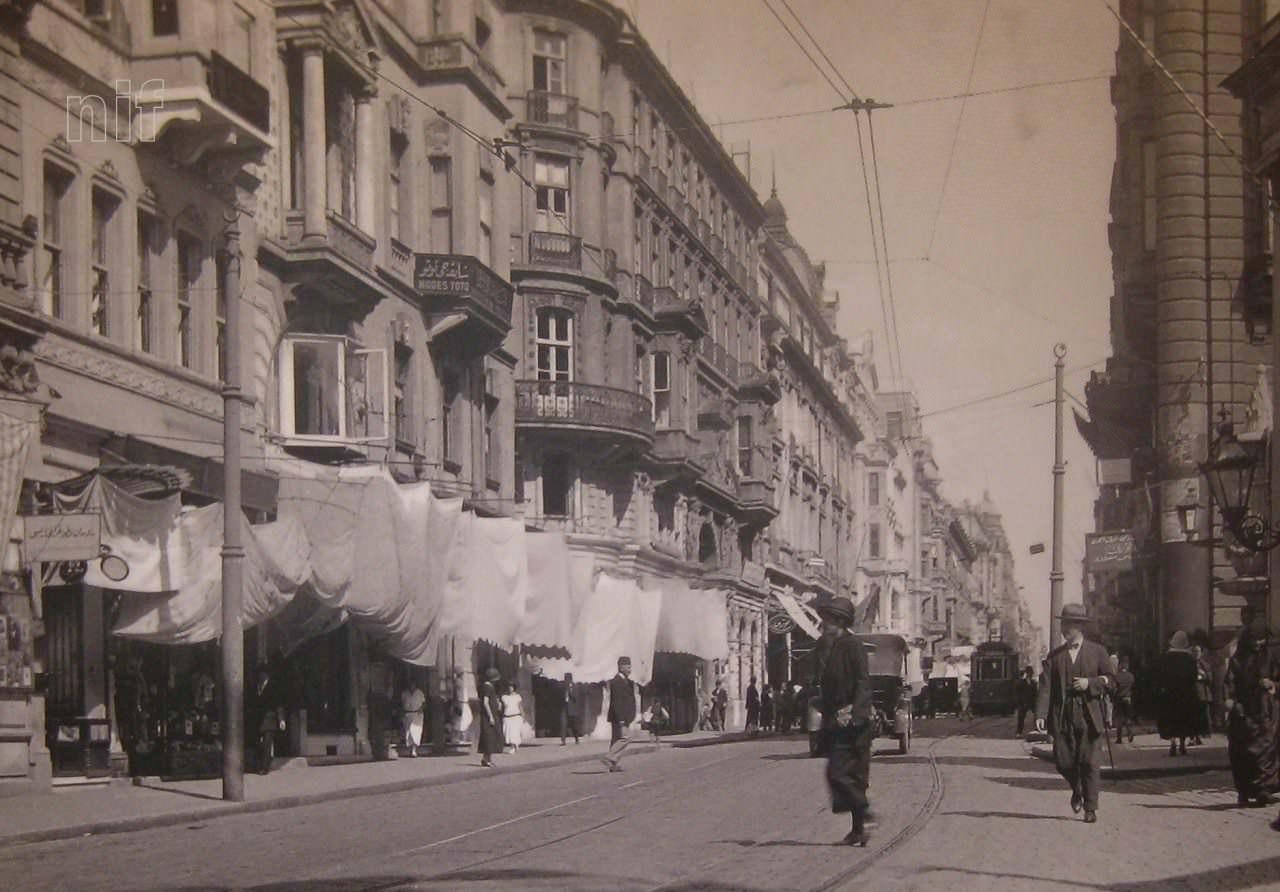
Hemingway never returned to the newly named Istanbul, but for years afterward peppered his stories and novels with images of the city, as in his 1933 novel “God Rest You, Merry Gentlemen,” where he compares Constantinople to Kansas City, referring to its free-wheeling nightlife. There are also passages in “Death in the Afternoon” about the city and the war in “A Natural History of the Dead.”
“The Snows of Kilimanjaro” offers the strongest suggestion of how Hemingway must have indulged himself in the city’s erogenous underbelly during his two months in residence. In the story, his hero, also a writer suffering from fever, has reveries of how once in Constantinople, “He had whored the whole time and then, when that was over, he had failed to kill his loneliness.”
For Hemingway’s development as a young journalist writing under deadline, Constantinople gave him the light and dark imagery and intensity that was the start of his unique, fast-paced, wry prose, full of the color and biting observations that made him a Nobelist. Papa may have left Constantinople behind but the magic and mystery of Türkiye never left him.
Indeed, Hemingway’s remembrances of Old Constan echo Pamuk’s overarching refrain that “the beauty and mystery of this world only emerges through affection, attention, interest and compassion … open your eyes wide and actually see the world by attending to its colours, details and irony.”


 Set as preferred source
 Set as preferred source


 1 min read
 3 min read