Newsletters


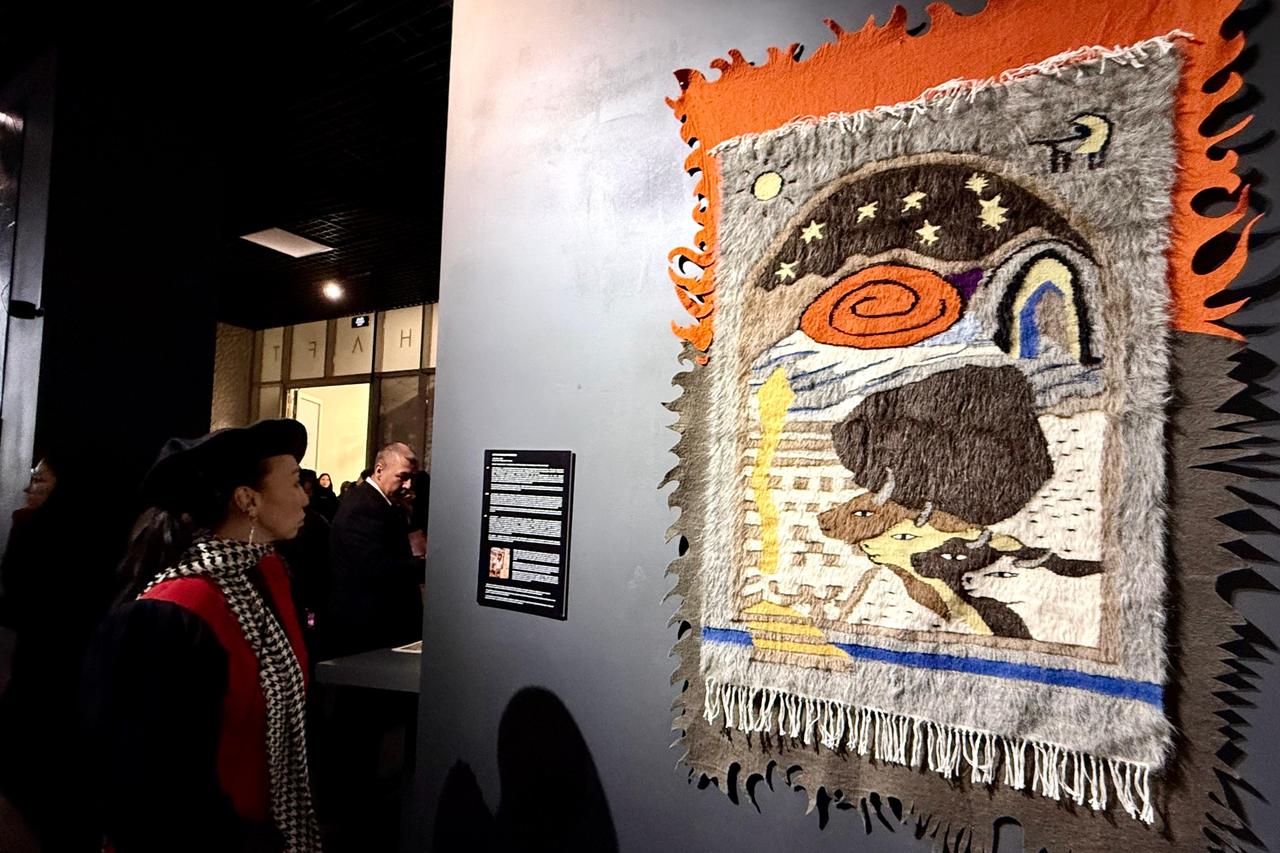


Ancient Gobeklitepe, widely described as the world’s oldest known ritual site with a history of around 12,000 years, has inspired a new generation of Kazakh contemporary artists, bringing the cultural heritage of southeastern Türkiye to the capital of Kazakhstan.
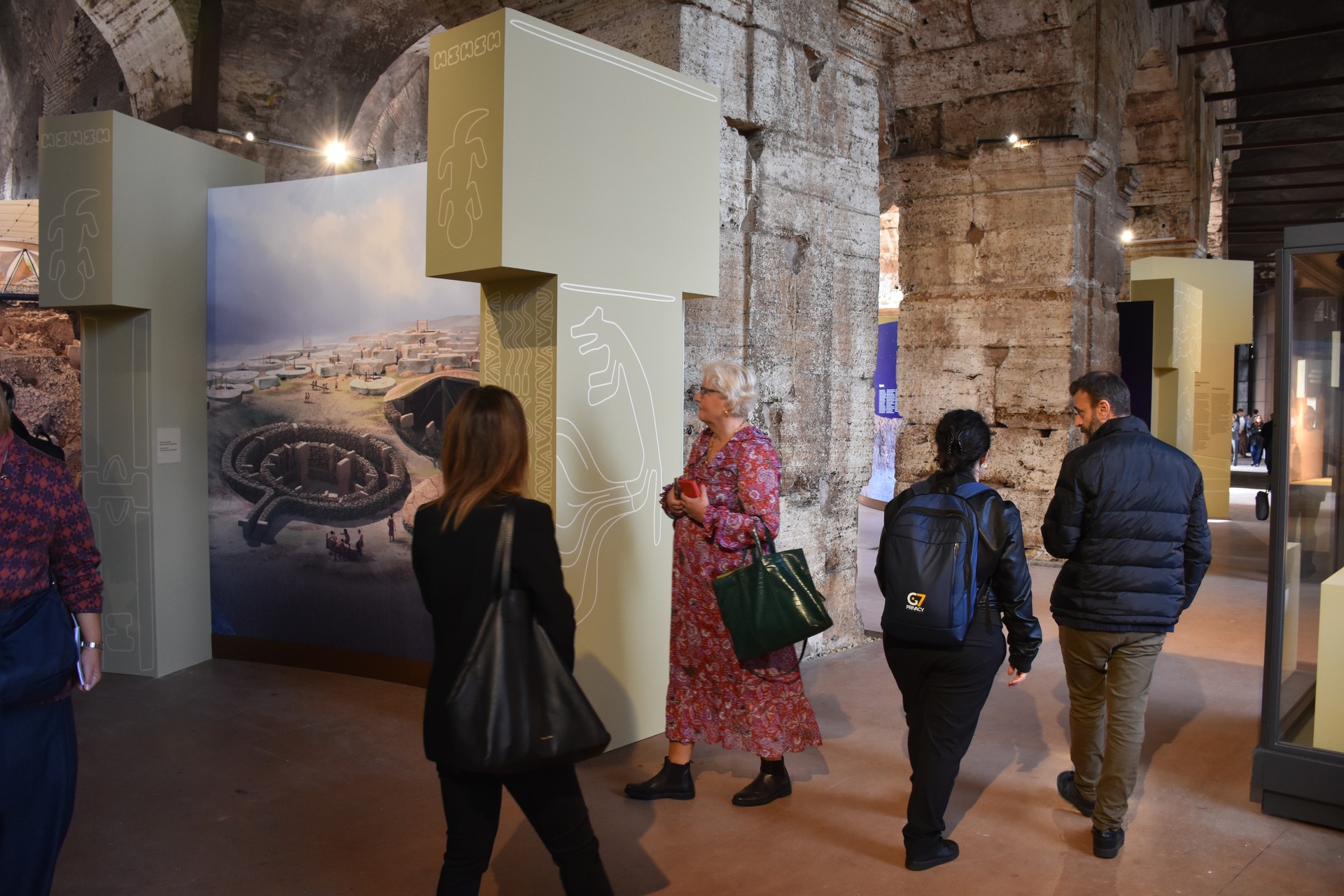
An exhibition titled “SHAFT. Unearthing Hidden Threads” has opened at the National Museum of Kazakhstan in Astana, featuring works by young Kazakh artists who drew inspiration from the historical and cultural landscape of Türkiye’s Southeastern Anatolia region. The exhibition was organized by the Turkish Embassy in Astana and has attracted strong interest from diplomatic, academic, and cultural circles.

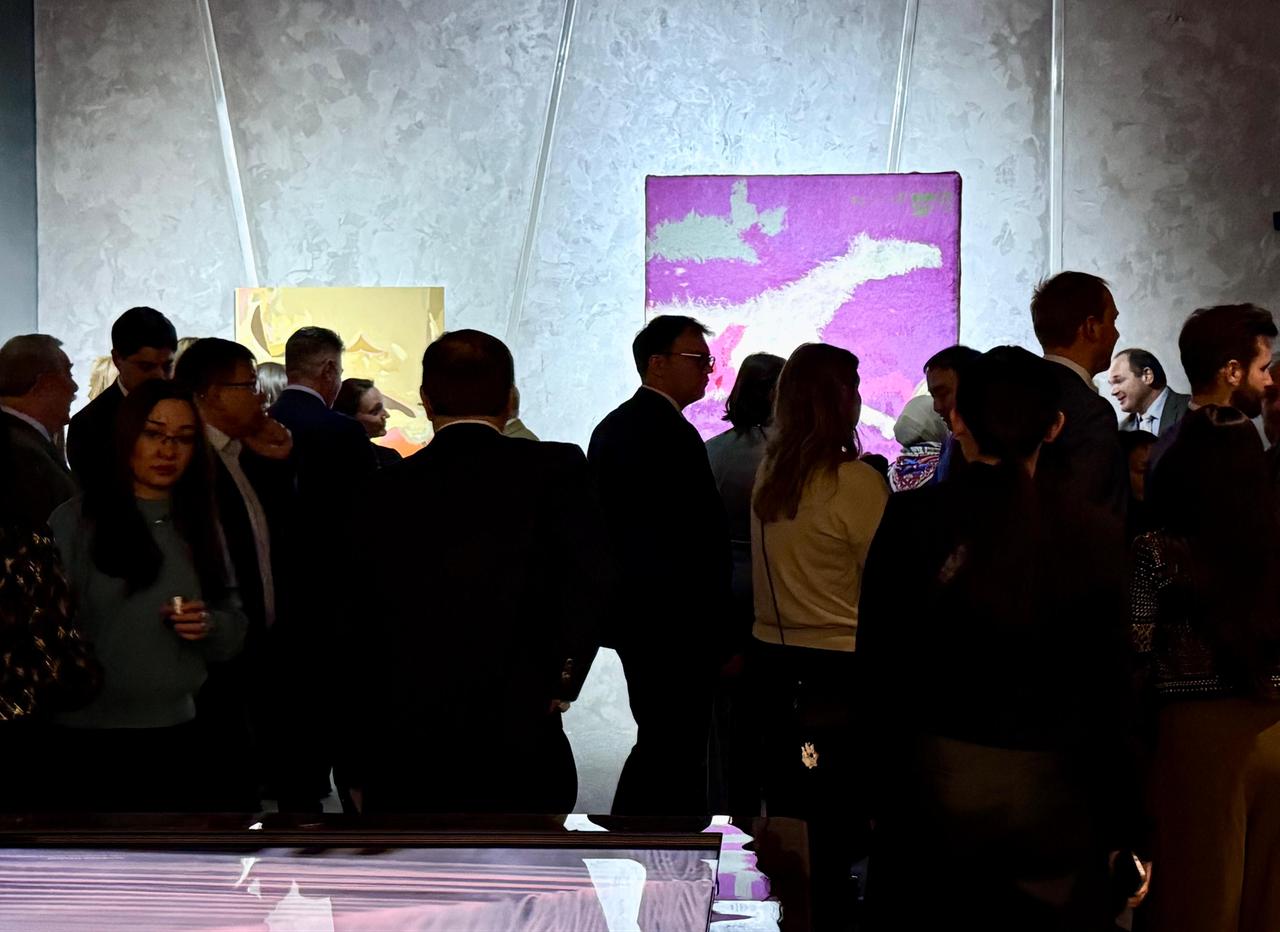
The opening ceremony was attended by Turkiye’s Ambassador to Astana Mustafa Kapucu members of the Kazakh parliament, prominent figures from the Kazakh art and culture scene, historians, archaeologists, foreign ambassadors based in Astana, and representatives of Turkish institutions. Also present was Professor Necmi Karul, head of Tas Tepeler projects, who was invited specifically for the event.
Curated by Kazakh artists Baurcan Sagiyev and Madina Sergazina, the exhibition was shaped by a research and art trip they made last year to southeastern Türkiye. Paintings by artist Dariya Nurtaza, produced after that journey, are on display and reflect the visual and symbolic impressions left by the region’s ancient sites.
Speaking to Anadolu Agency, Sagiyev said the exhibition grew out of their combined artistic and scientific travels in southeastern Türkiye. During the trip, the group visited Gobeklitepe, located near the city of Sanliurfa, which is often referred to as the “zero point of history” because it predates settled village life and agriculture.
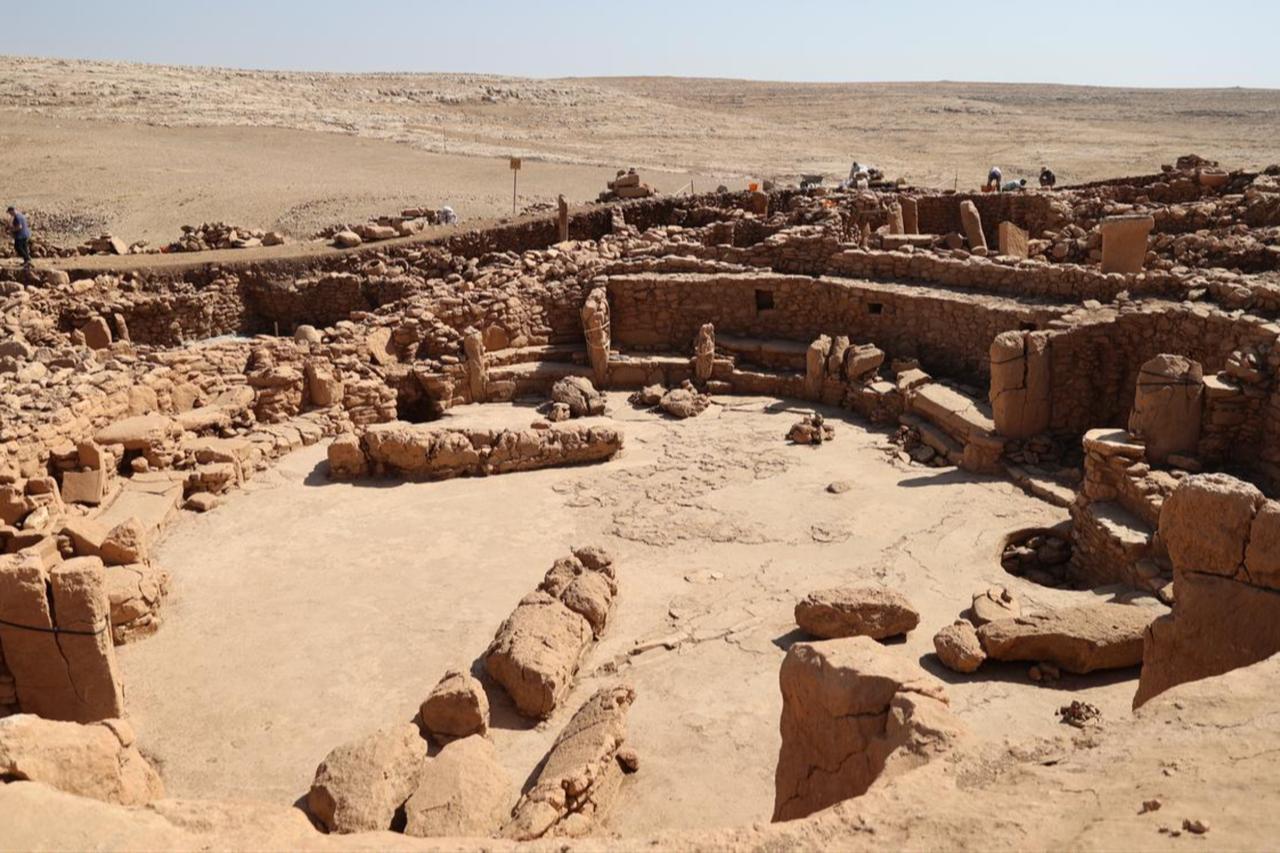
Sagiyev explained that seeing Gobeklitepe, regarded as the earliest known trace of human civilization, left a deep impact on them. He also recalled visiting Karahantepe, another Neolithic site located about 40 kilometers away, where excavations are still ongoing. According to him, observing the excavation process up close and witnessing the discovery of a new human statue was an unforgettable experience.
He noted that these visits helped them better understand not only how people lived some 12,000 years ago, but also how far back the roots of art, belief systems, and cultural expression actually go.
Painter Dariya Nurtaza said she was especially struck by the animal figures carved into stone pillars at Gobeklitepe and by the way ancient communities related to nature. She said the site made her realize how limitless human imagination can be, even in prehistoric times.
Nurtaza added that the artworks she created for the exhibition incorporate animal motifs inspired by the stone reliefs at Gobeklitepe. The exhibition will remain open to visitors until the end of March.
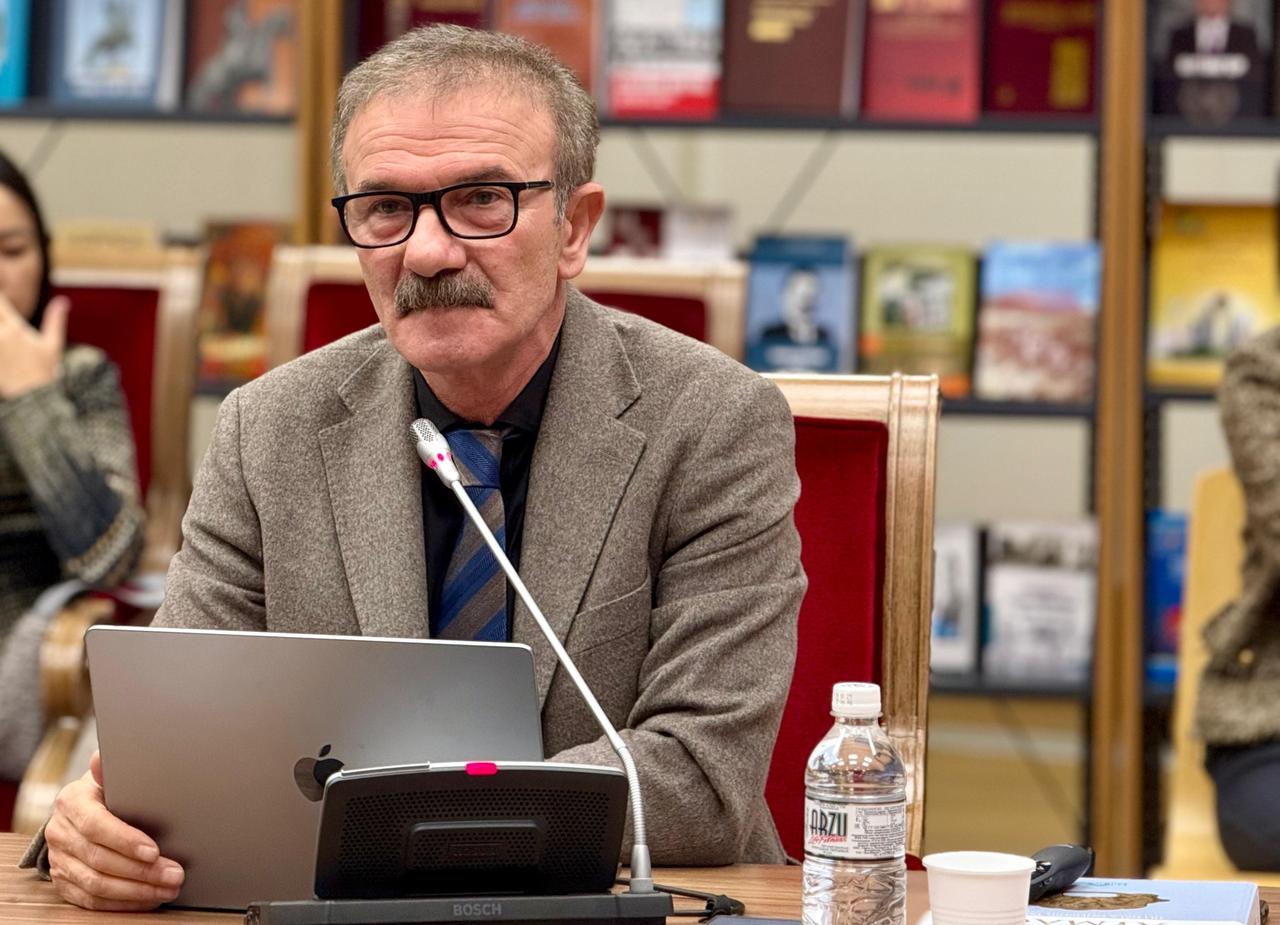
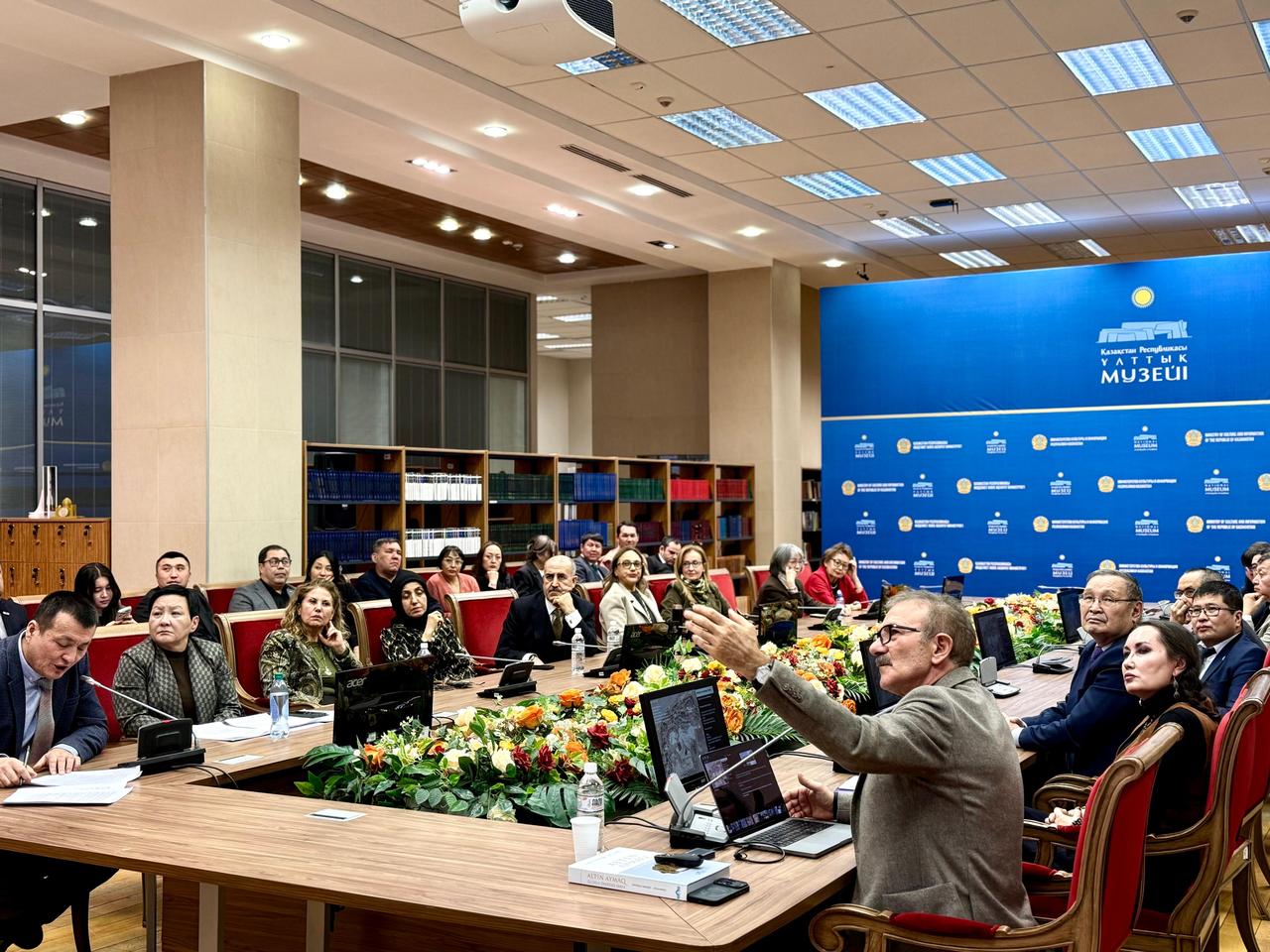
While in Astana, Professor Necmi Karul also delivered a seminar at the National Museum of Kazakhstan, where he presented scientific insights on the Gobeklitepe and Karahantepe sites to leading Kazakh archaeologists and historians.
Following the seminar, Karul said the strong interest shown by his Kazakh colleagues was highly motivating, noting that attention from such distant regions to the archaeological work being carried out in Sanliurfa was encouraging. He recalled that the Turkish Ministry of Culture and Tourism launched the Stone Hills Project in 2021, under which excavations at Gobeklitepe and several other prehistoric sites are being conducted. He said these sites are revealing unique remains from the period when humans were transitioning to settled life.
Karul also shared his excavation experience during the seminar and suggested that Kazakhstan, which is known for its rich burial mounds known as kurgans, could benefit from a similar large-scale archaeological initiative, given the challenges posed by extreme weather conditions.
 2 min read
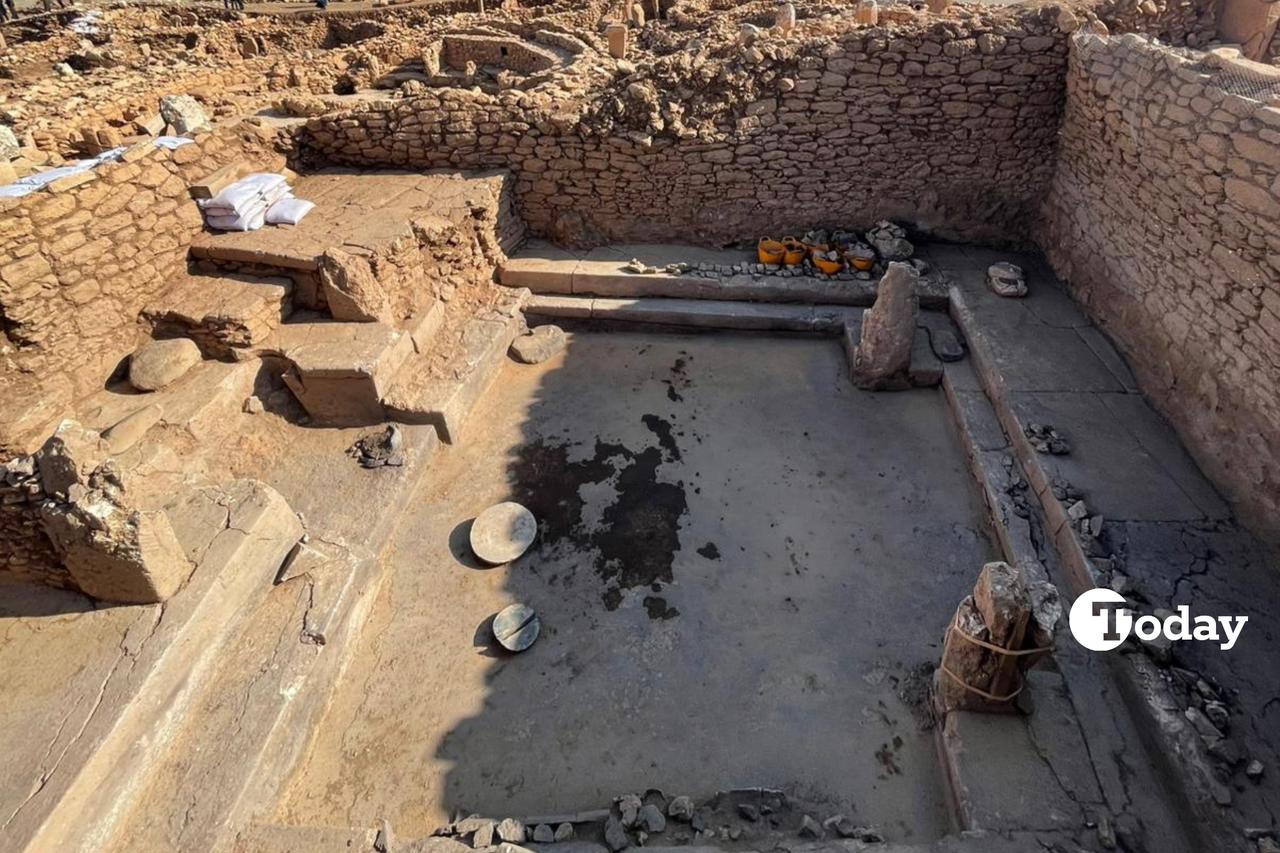
Kazakh archaeologist Talgat Mamirov described the seminar as highly productive, saying it offered valuable findings related to the Neolithic period through the examples of Gobeklitepe and Karahantepe. He underlined that Karul’s work has brought forward important scientific data and noted that certain parallels could be observed with sites in Kazakhstan.
Mamirov added that the construction of monumental structures like Gobeklitepe and Karahantepe points to complex social relations in early societies. He explained that such structures were not built for everyday use but required significant time, labor, and intellectual effort, indicating that these communities had reached a more advanced level of social and symbolic thinking.


 Set as preferred source
 Set as preferred source


 1 min read