Newsletters


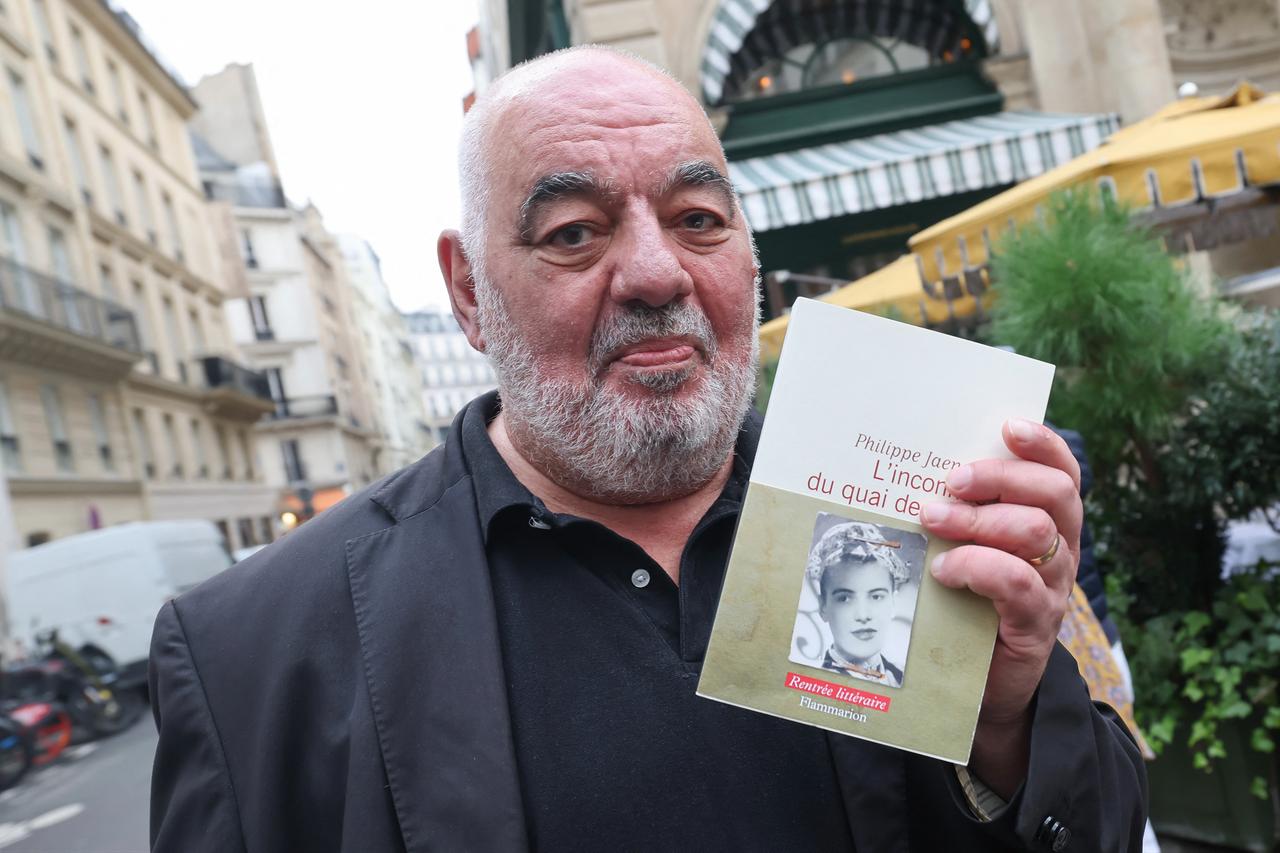


Philippe Jaenada, winner of France’s Goncourt Prize, said he used artificial intelligence three times while writing his novel, a day after receiving the award.
The 62-year-old author made the remarks Wednesday in an interview with France Inter radio, The Guardian reported.
Jaenada won the prize Tuesday for “The Unknown Woman of the Quai de Javel” (“L’Inconnue du quai de Javel”), a novel that revisits an unsolved 1949 murder in Paris.
The award was announced at the Drouant restaurant in the city’s 2nd arrondissement, where the Academie Goncourt jury meets.
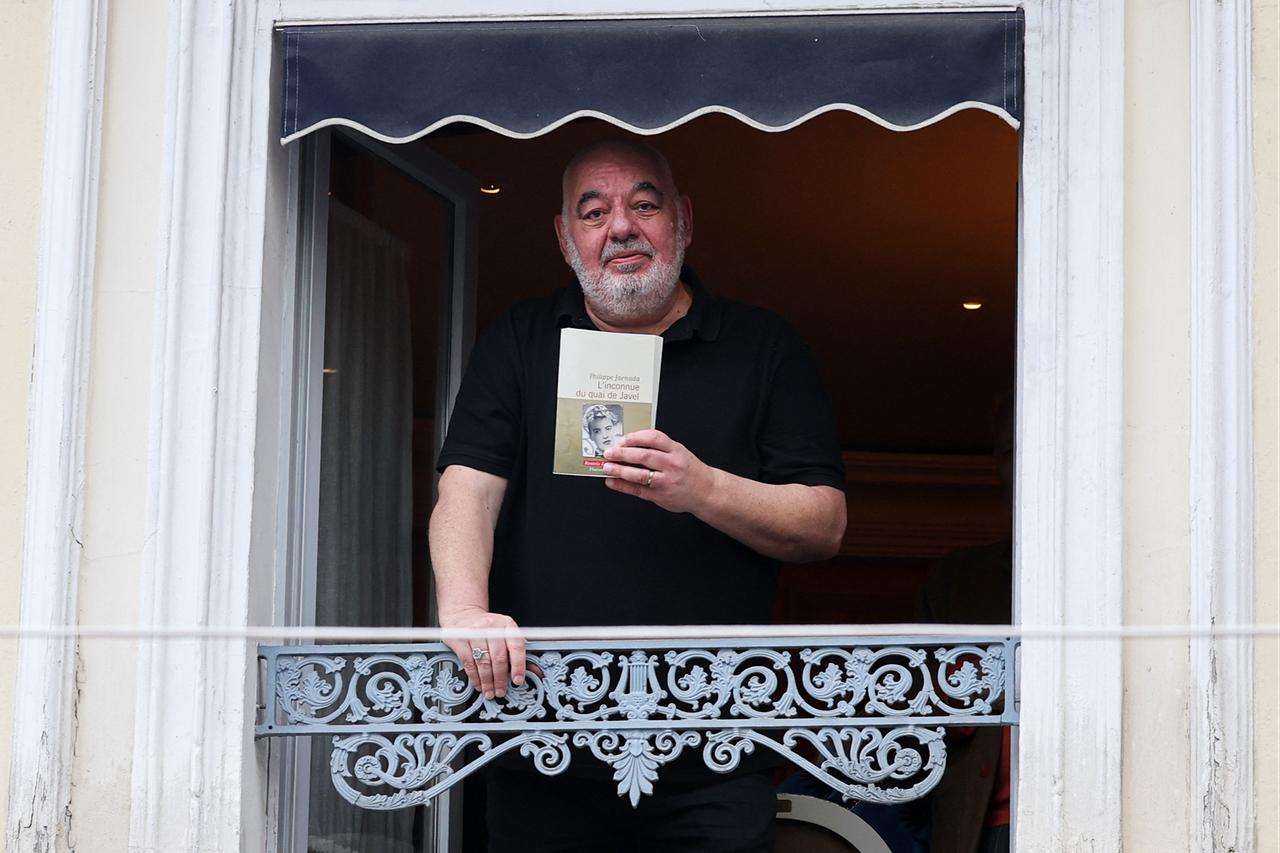

Jaenada said he first inserted a sentence written by ChatGPT into the novel as a way of playing a game with readers. He said he identified the sentence to the Goncourt jury only on the day of the award.
“If this information comes out, I will know where it came from,” he said.
The author also said he included a passage generated by AI to poke fun at ChatGPT, which he said gave “completely absurd answers” about a technical detail. He added that he used AI for research purposes as well.
Jaenada said he does not believe the spread of AI can be stopped.
“We cannot assume it does not exist. It has to be used, but first its existence has to be acknowledged, and then one has to learn to control it. AI must be useful,” he said.
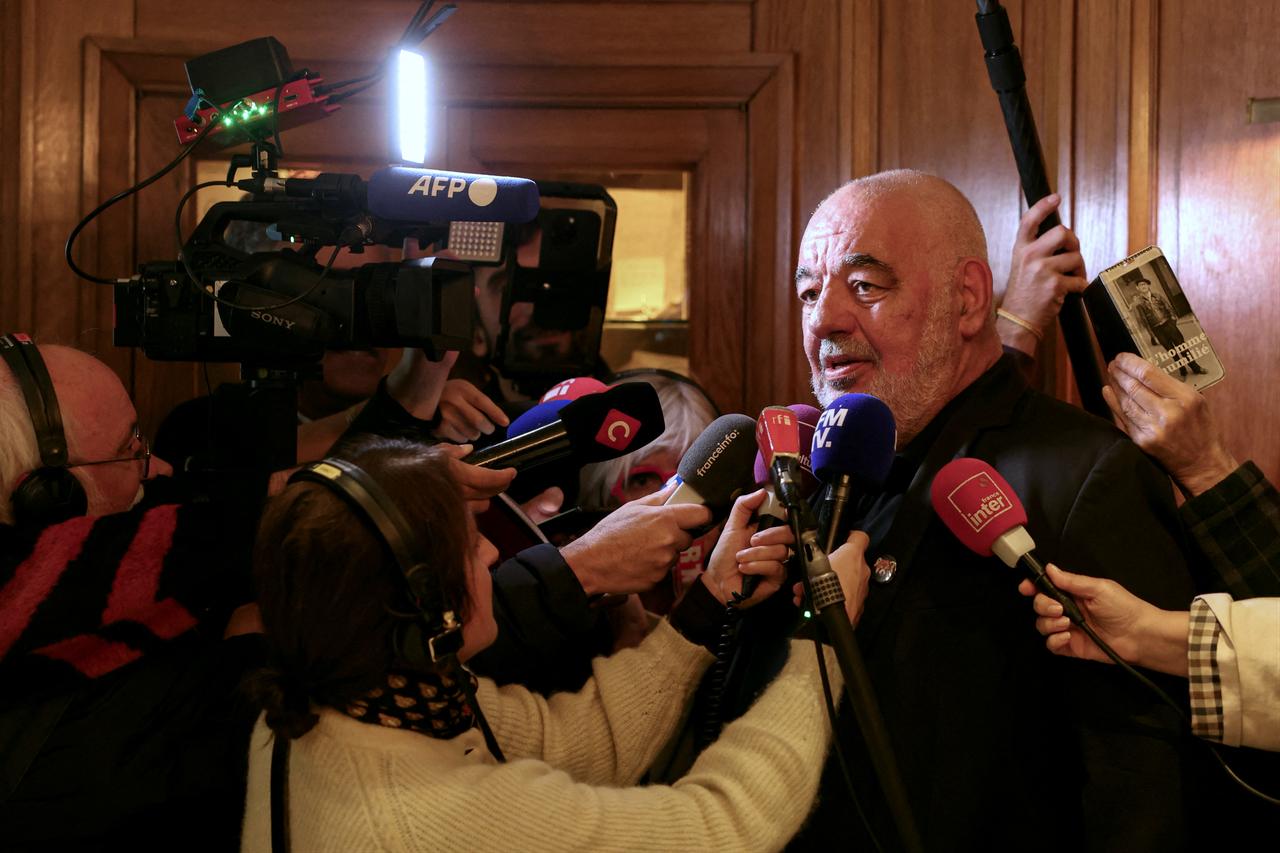
The remarks follow the academy’s September decision to remove “It Was Either That or Death” (“C’etait ca ou mourir”) by Thelyson Orelien from its list of candidates.
Orelien's debut book, by Canadian author of Haitian descent, sold more than 35,000 copies and won the Fnac Novel Prize.
The book became the subject of debate after journalist Samuel Fitoussi ran it through the AI detection tool Pangram and concluded that much of it was AI-generated. The accuracy of AI detection software has also been questioned.
In a statement Sept. 25, the academy said analyses by researchers and journalists indicated the novel was very likely largely a product of AI.
It said it wanted to protect the prize’s credibility and to send a clear message that it does not support texts created with AI assistance.
In October, Orelien called the allegations against him “slander and perversity” and said: “Not a single sentence in this book was generated by a machine.”
In the same statement, he acknowledged plagiarizing in earlier work and apologized for presenting texts that were not his own as his work.
A week later, Canadian publisher Boreal said new evidence showed AI was used in the writing process, contrary to the author’s repeated statements. It ended its working relationship with Orelien.
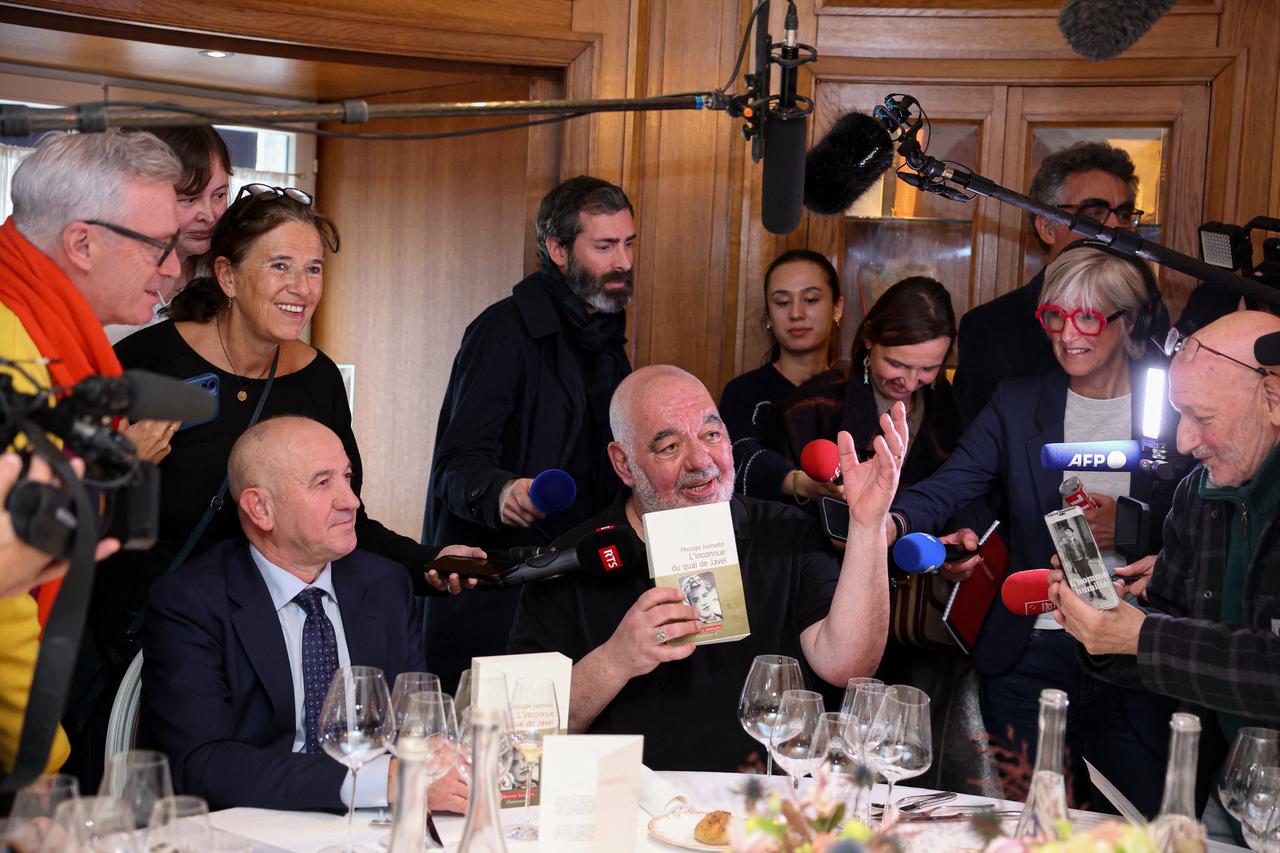
Jaenada won in the first round of voting with six votes. Sylvain Prudhomme’s “On the Other Side of the Lake” (“De l’autre cote du lac”) received three.
Shortlisted four times before, Jaenada is known for books that revisit unsolved French crimes.
His winning novel returns to the 1949 killing of Louise Cansot, a 29-year-old artist’s model from Brittany in northwestern France. Cansot was known in Paris’ Montparnasse district as the “woman of 100 portraits.”
The Goncourt winner receives only a symbolic check for 10 euros ($11.40), but the award is among the best-known and most closely followed literary prizes in France.


 Set as preferred source
 Set as preferred source



 1 min read