

 Newsletters




Artificial intelligence is opening up new opportunities for filmmakers, but its growing influence on cinema is also raising questions about the future of human creativity.
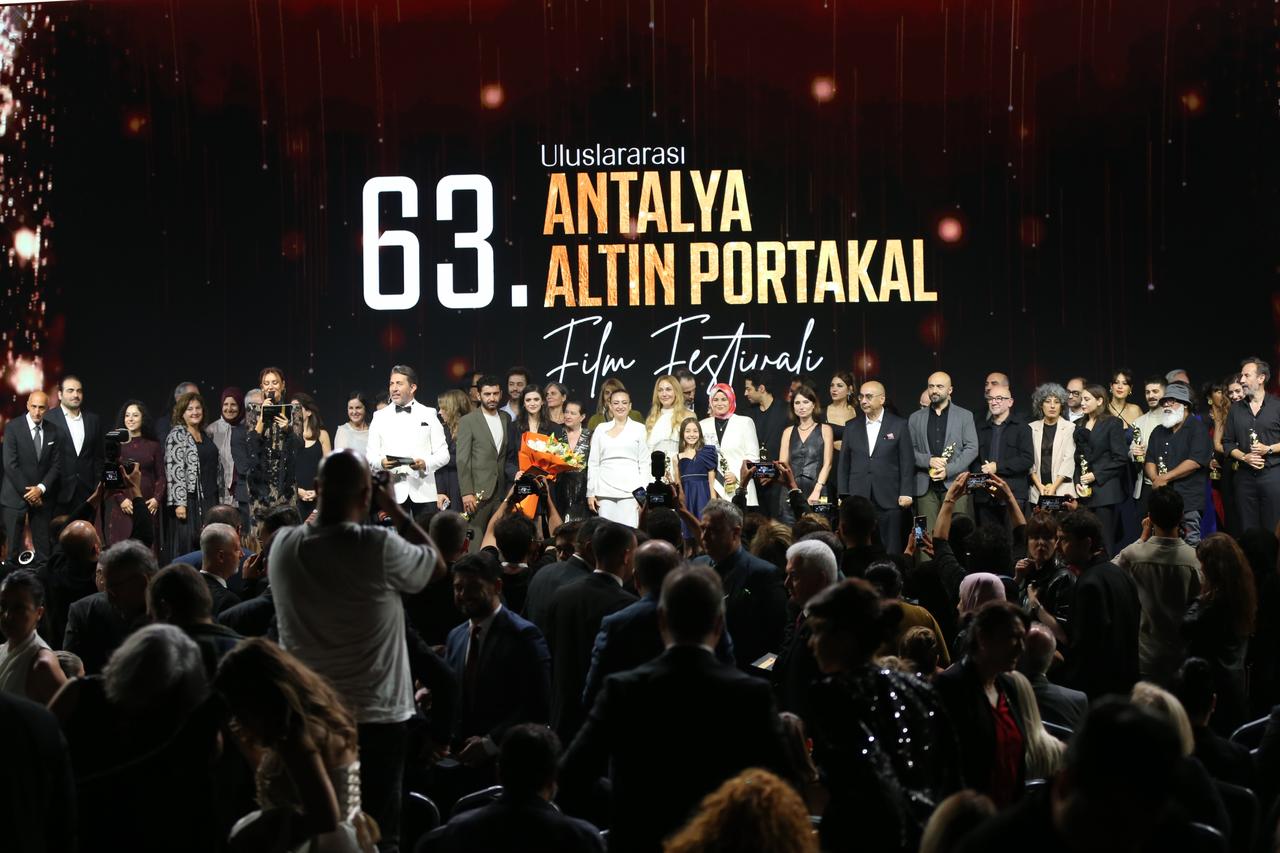
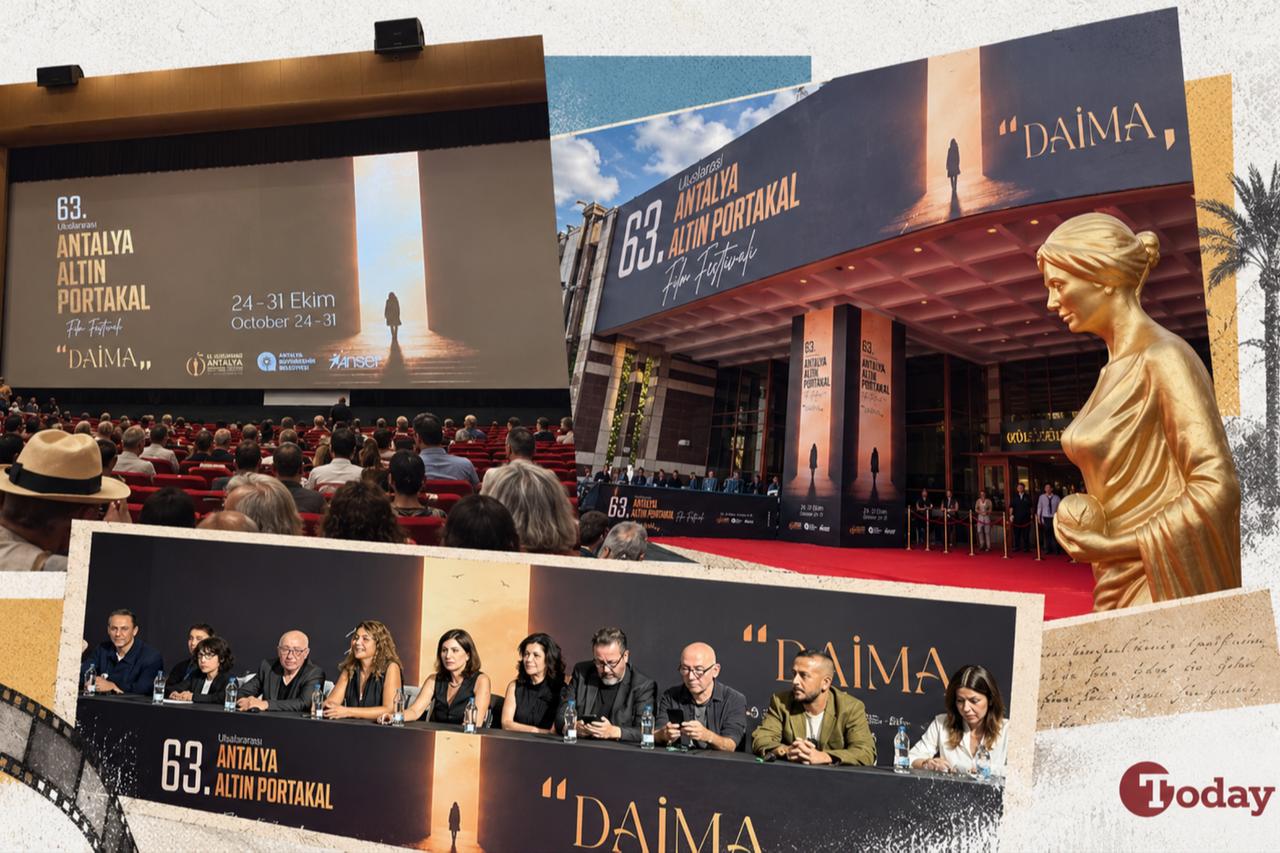
At the 63rd International Antalya Golden Orange Film Festival in Türkiye, two directors shared contrasting perspectives with Türkiye Today, highlighting both the possibilities and the limitations of AI-assisted filmmaking.
For 24-year-old Mert Can Altun, a filmmaker with a 90% physical disability, AI has become an alternative to traditional cameras and film sets, allowing him to bring his imagination to the screen using just one hand and three fingers.
Documentary director Evrim Inci, meanwhile, believes AI can support creative work but warns against handing over the filmmaking process entirely to technology.
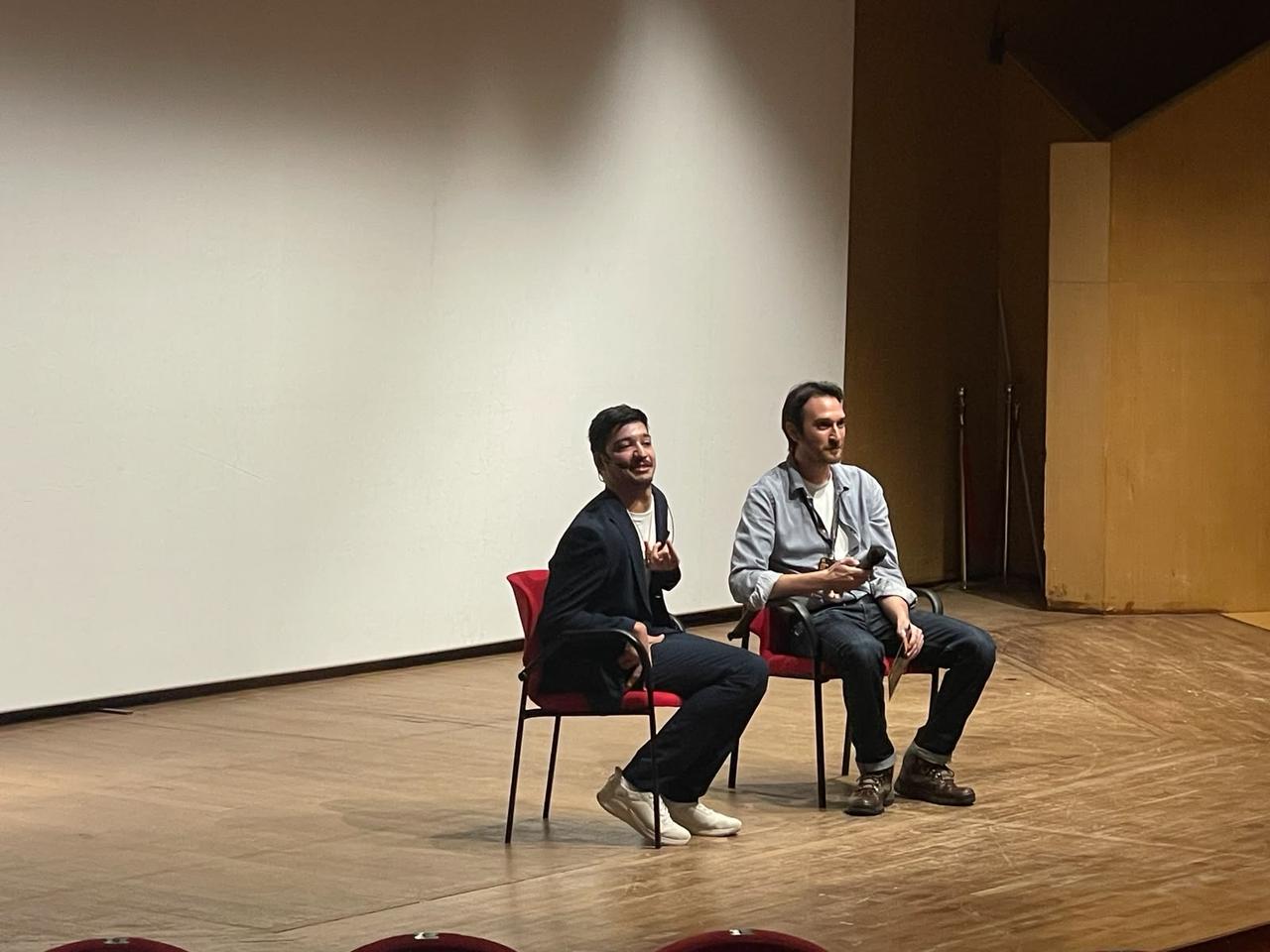

Born with cerebral palsy and dystonia, conditions that affect movement and muscle control, Altun has faced significant physical challenges throughout his life.
However, his interest in cinema developed long before artificial intelligence became part of his creative process.
Speaking exclusively to Türkiye Today, Altun recalled spending much of his childhood indoors, creating imaginary worlds with his toys because he struggled to go outside and communicate with others.
"I have always dreamed throughout my life. I have always lived through my imagination," he said, explaining that films gradually helped him expand those imaginary worlds.
As he grew older, Altun began to think about how he would direct the films he watched or portray their characters differently. Those questions eventually led him to study Radio, Television and Cinema at Hasan Kalyoncu University.
Despite pursuing a formal education in filmmaking, Altun said he was never invited to participate in a film set during his studies and often felt excluded from practical production opportunities.
The arrival of AI filmmaking tools coincided with his efforts to find a way to express himself through visual storytelling.
"It was almost like a twist of fate, as if I had been waiting for this moment," Altun told Türkiye Today.
After discovering an online video explaining how AI could turn imagined scenes into visuals, he began experimenting with digital images. As the technology developed, those images turned into videos and eventually complete films.
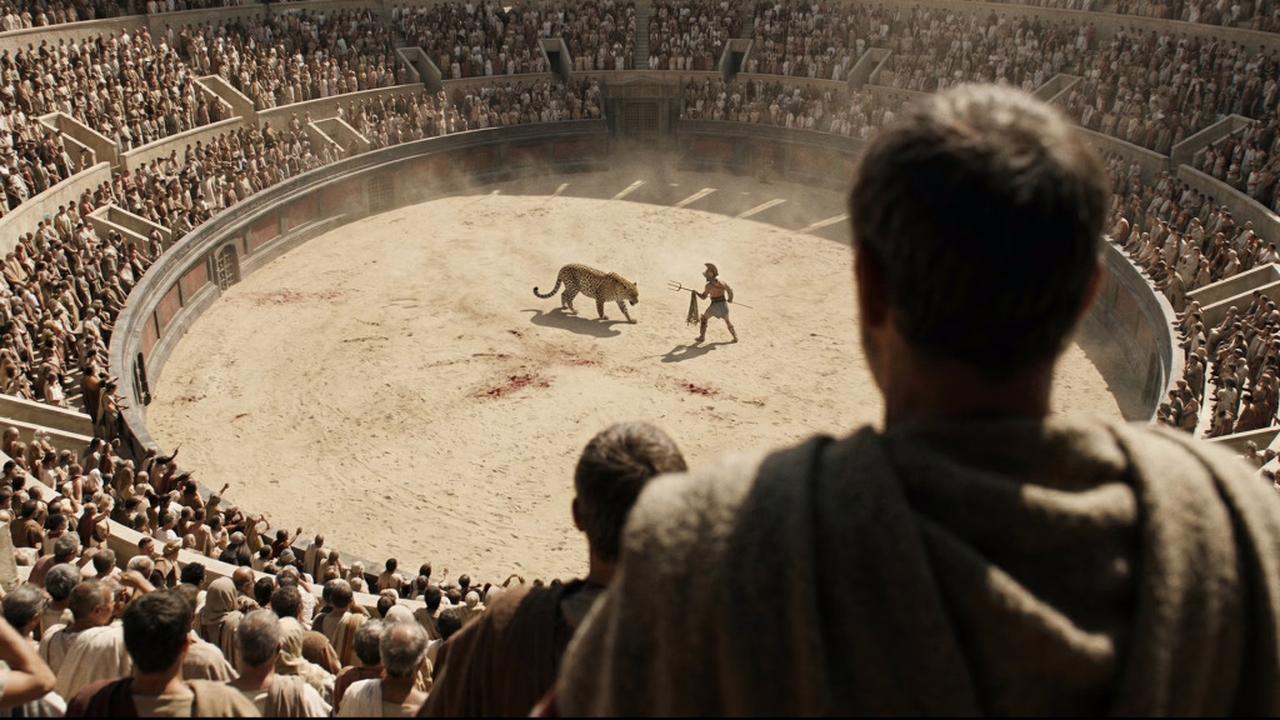
Altun explained that Google's Gemini AI assistant now plays a central role in his filmmaking process, particularly when developing scripts.
Because he operates his computer with one hand and three fingers, writing lengthy screenplays can be physically demanding. Instead, he describes his ideas, characters and storylines to Gemini, which helps him put them into words.
"I use Google Gemini for scriptwriting in almost all my films. I explain how the story should develop and continue, and it puts my ideas into words," he said.
Altun described AI as an essential creative tool rather than simply a technological convenience, saying it allows him to work around the physical barriers that prevent him from operating a traditional camera.
He also credited his teachers and his own experience with helping him improve his storytelling and directing skills as AI technology advanced.
Initially, his work focused on philosophical imagery and social awareness, particularly the experiences of people with disabilities. He has since expanded into science fiction, fantasy and animal documentaries.
His fully AI-generated film The Lost Claws of Anatolia (Anadolu'nun Kayip Penceleri) was featured in the non-competitive short film special screening program at the 63rd International Antalya Golden Orange Film Festival.
His work has also earned awards at the TAYF International Short Film Festival and the Turkish World Documentary Film Festival, while other productions have appeared in special selections at the TRT International Documentary Awards and the Adana Golden Boll Film Festival.
His films have also been showcased at The Grey Space in the Middle, a cultural venue in The Hague, Netherlands.
Looking ahead, Altun hopes to develop a fantasy film inspired by Gobeklitepe, a prehistoric archaeological site in southeastern Türkiye, and eventually establish himself in Hollywood.
"AI is heavily criticized, but because I cannot use a camera, it serves the same purpose as a film set for me," he said.
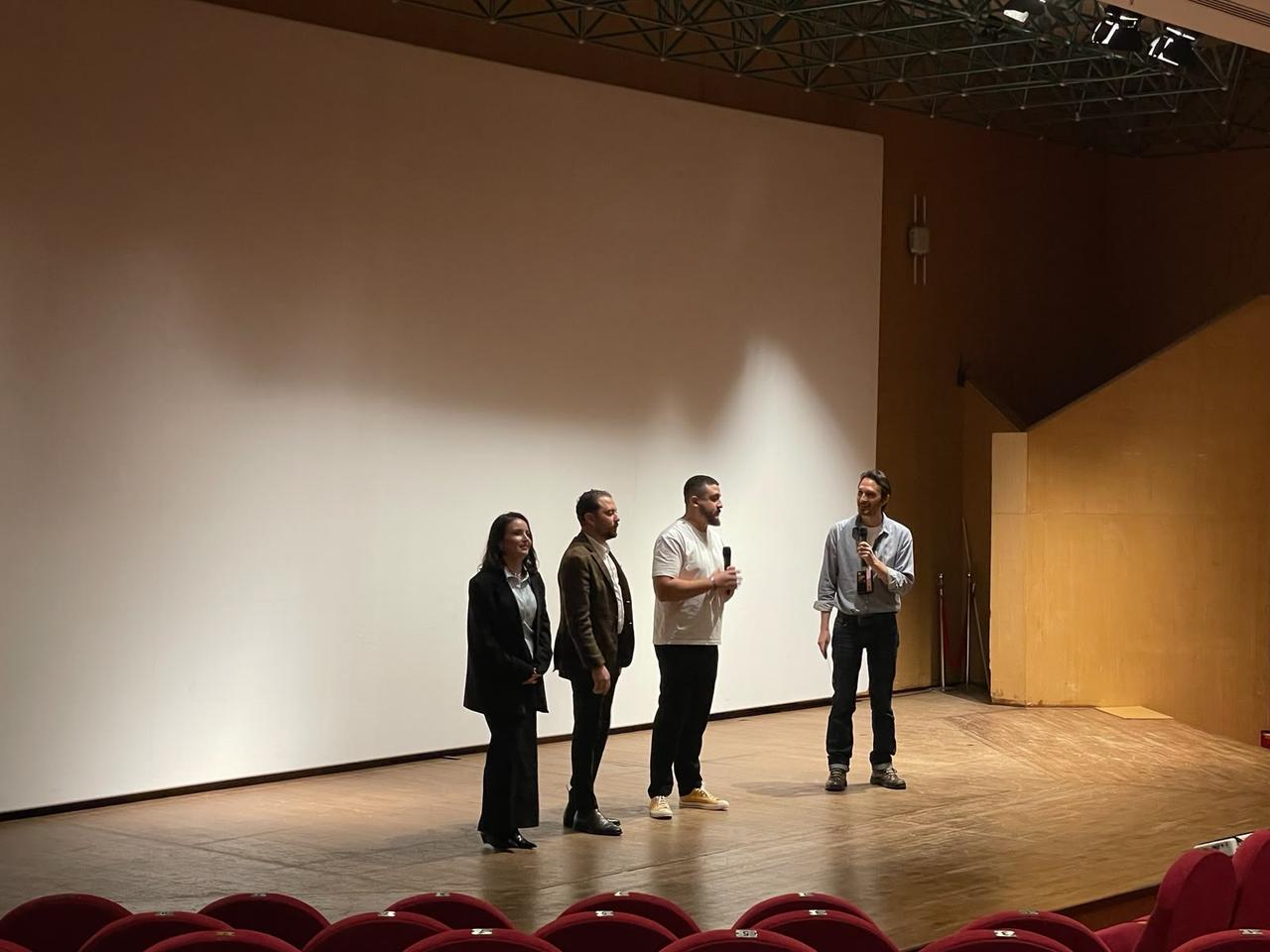
While Altun sees artificial intelligence as a means of overcoming barriers to filmmaking, documentary director Evrim Inci approaches the technology more cautiously.
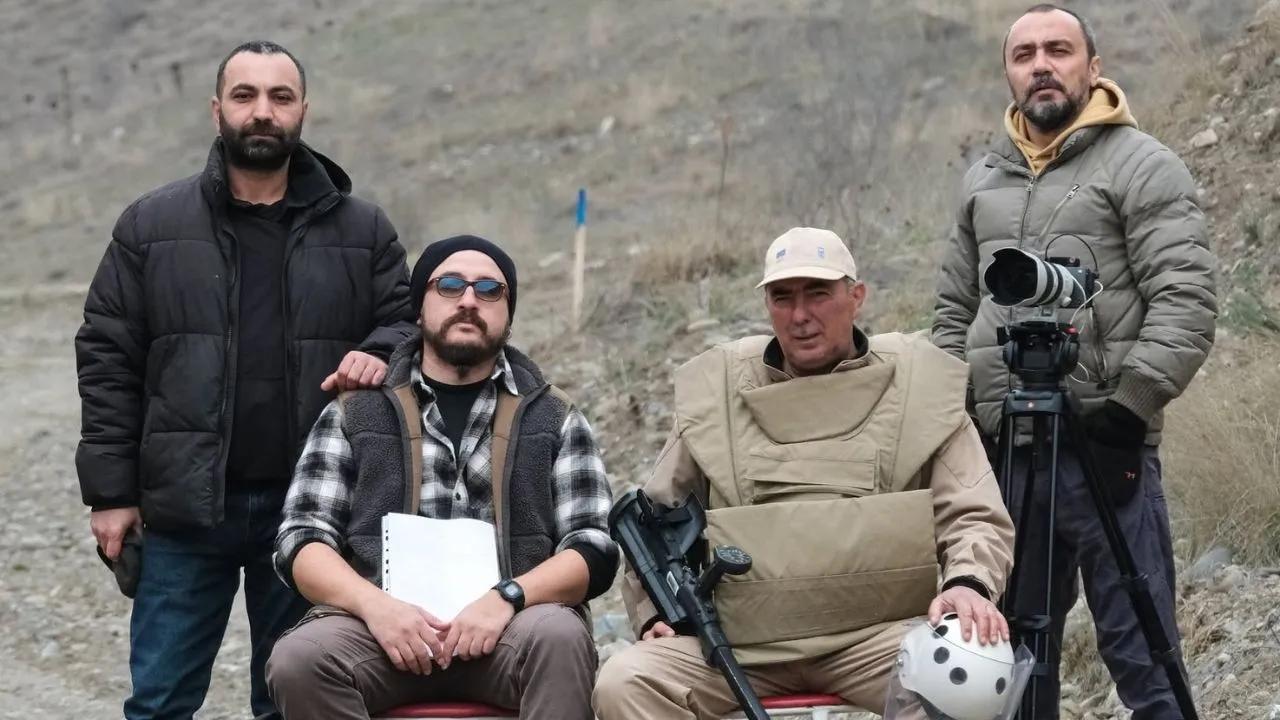
Inci attended the Golden Orange Film Festival with Step by Step Toward Home (Adim Adim Eve), a 20-minute documentary screened in the non-competitive short film selection.
The film follows soldiers clearing landmines left behind after the war in Karabakh, Azerbaijan, focusing on the dangerous work carried out in areas that remain inaccessible to civilians.
Describing the production as a new-generation war documentary, Inci told Türkiye Today that filming involved significant difficulties and dangerous conditions.
Although the challenges made production demanding, he said the team ultimately felt the project had been worthwhile.
Asked about artificial intelligence in cinema, Inci acknowledged that the technology can provide valuable assistance but said he did not intend to incorporate it into his filmmaking in the near future.
"I see no problem with getting support from AI, but I do not plan to use it anytime soon," he said.
Inci emphasized that authentic elements remain valuable in filmmaking and expressed hope that they would continue to hold their place as technology develops.
"We should benefit from it and draw inspiration from it, but we should not leave everything to AI. That seems like the best approach," he told Türkiye Today.
Beyond the debate over AI, both directors emphasized cinema's ability to bring stories and experiences to wider audiences.
For Inci, documentary filmmaking provides an opportunity to draw attention to issues that may have slipped out of the international spotlight.
He explained that while festivals often feature productions reflecting major developments around the world, his team deliberately seeks out stories that receive less attention.
"There are major problems in the world, but some of them can be forgotten. We are trying to make sure they are not forgotten," he said.
 1 min read
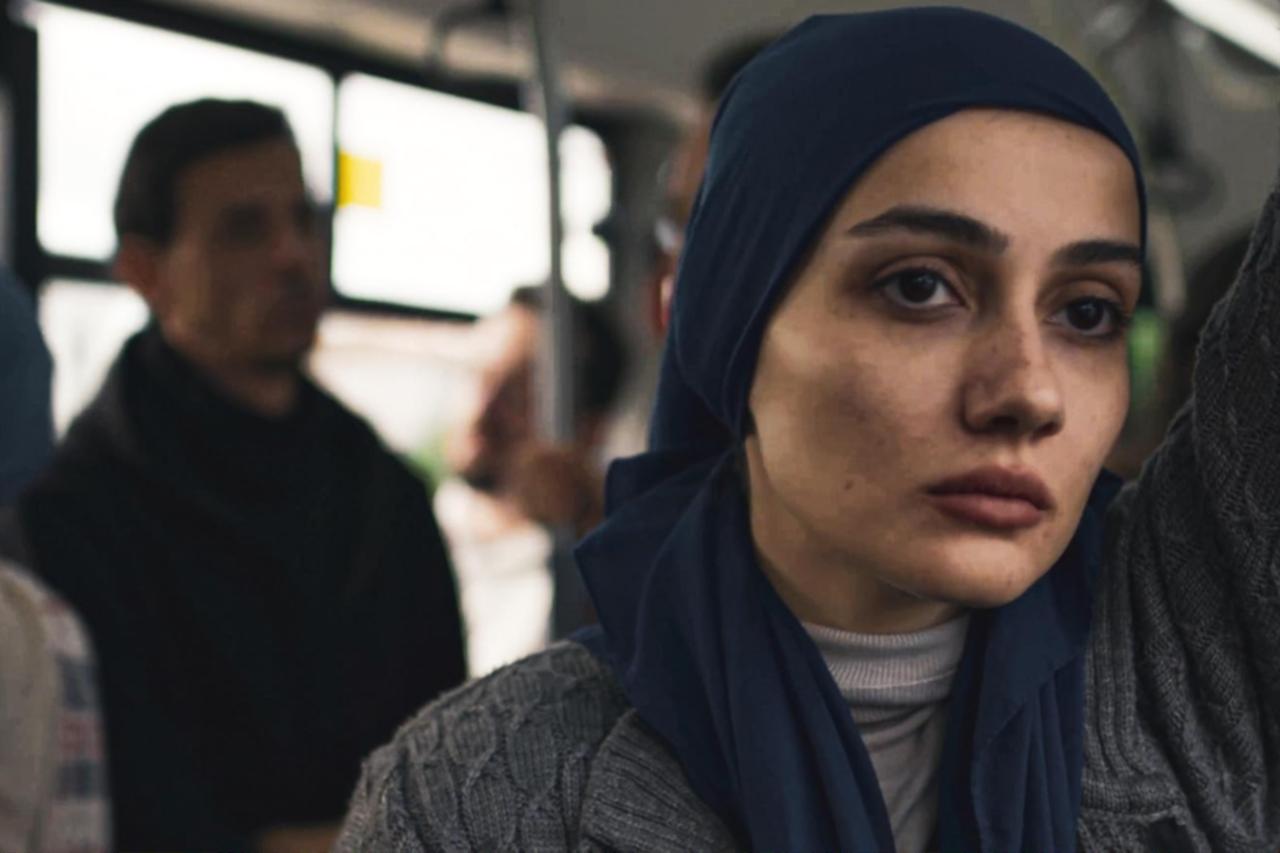
Altun, meanwhile, hopes his achievements will encourage other people with disabilities to pursue their creative ambitions.
He called for greater recognition of their abilities, saying society should not overlook the talent and potential they possess.
Reflecting on his experience at the festival, Altun said AI had opened doors he once considered beyond his reach.
"I could never have imagined being here, or even giving interviews with you. AI made that possible for me," he told Türkiye Today.


 Set as preferred source
 Set as preferred source


 1 min read


