Newsletters


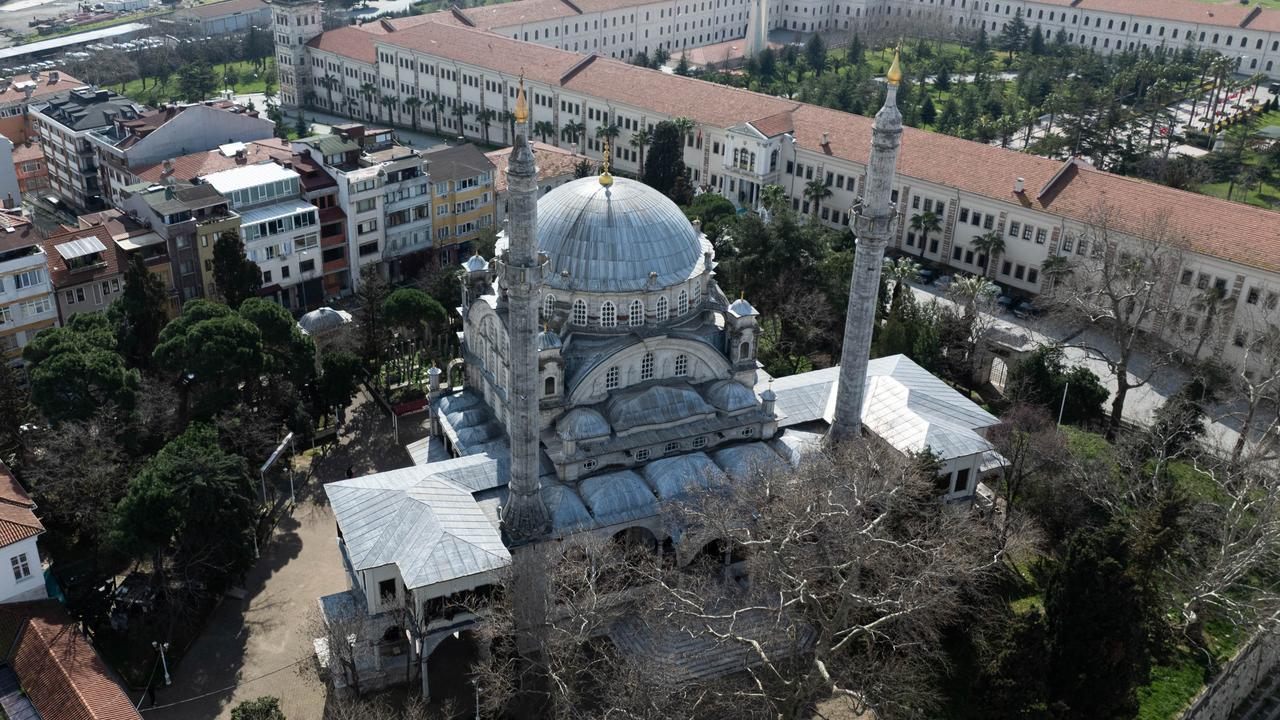
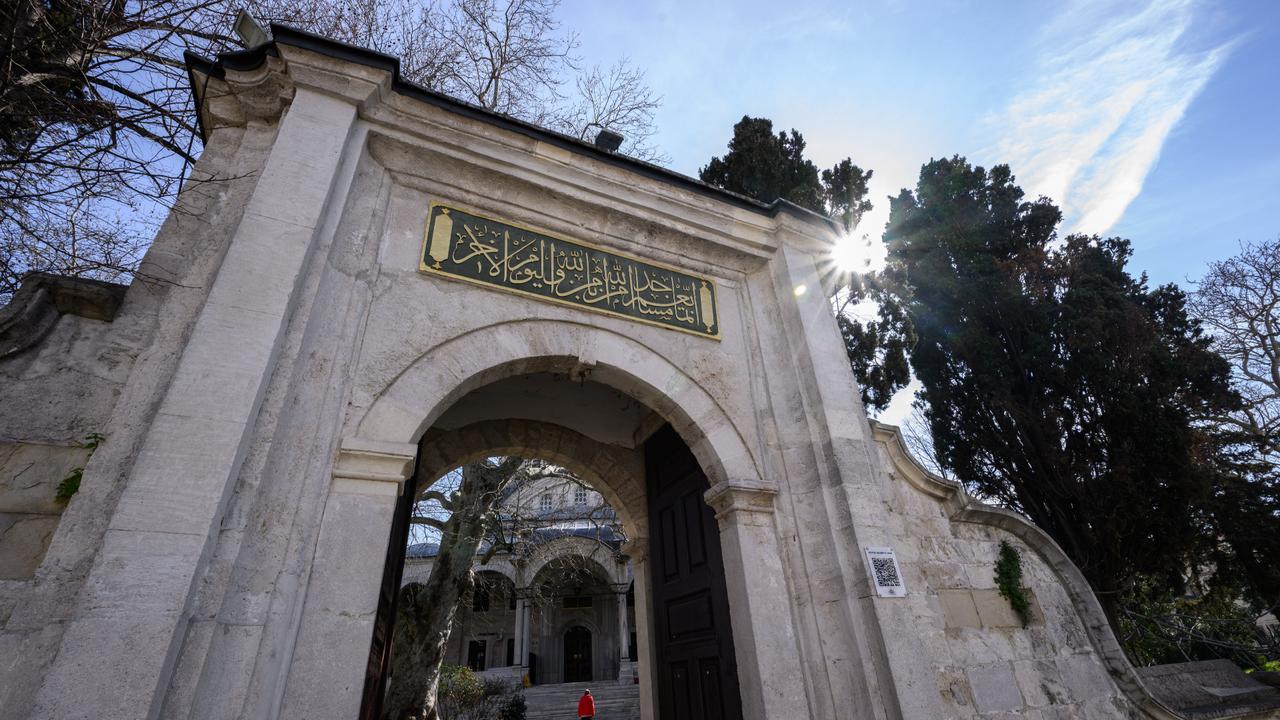
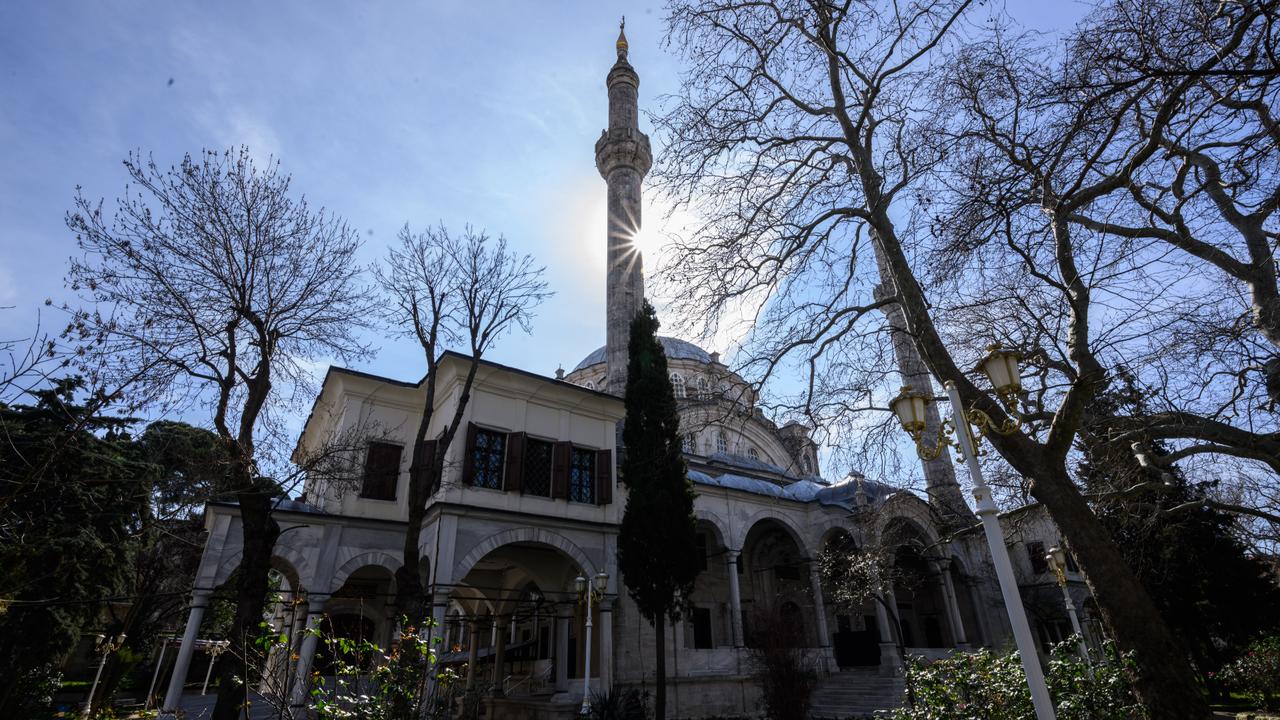
Built by Ottoman Sultan Selim III, the Great Selimiye Mosque in Istanbul’s Uskudar district stands out not only as a place of worship but also as a carefully planned urban complex. Part of the “Imperial Mosques of Istanbul” series, the 18th-century structure reflects Ottoman Baroque architecture while embodying a broader vision of urban organization shaped during the reform era known as Nizam-i Cedid, meaning “New Order,” a program aimed at restructuring Ottoman administration and society.
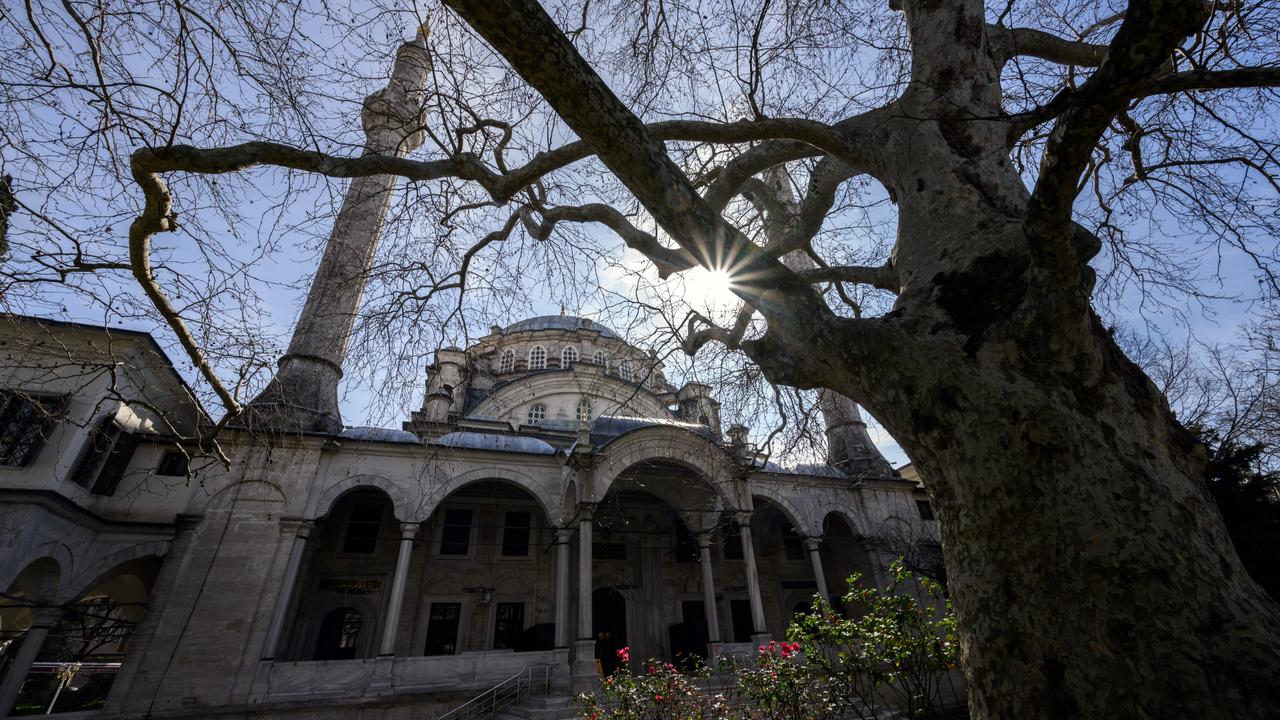
The mosque’s foundation was laid on April 26, 1802, and it opened for worship on April 5, 1805. Its inscription describes the building as a “mucessen bir nur,” or “an embodied light,” underscoring its symbolic role. Constructed entirely with the sultan’s personal wealth, the complex was designed to reshape the surrounding area, turning what had been the Kavak Palace grounds into a newly organized settlement.
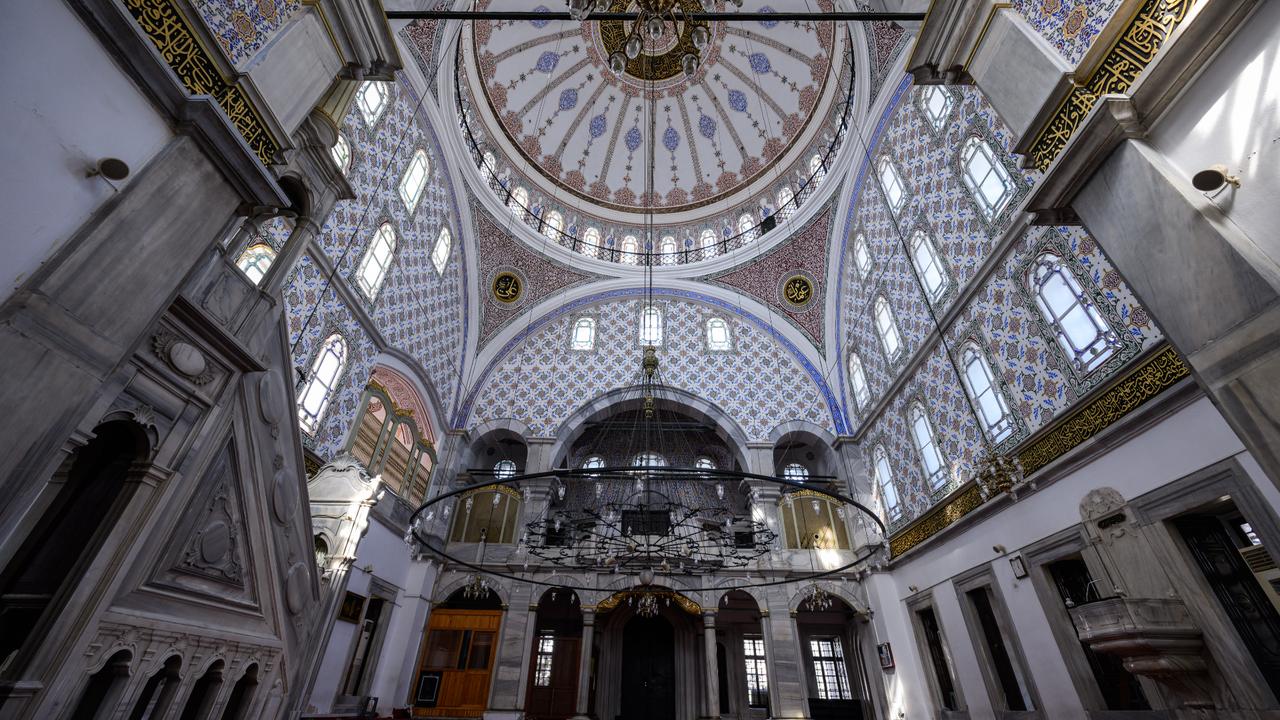
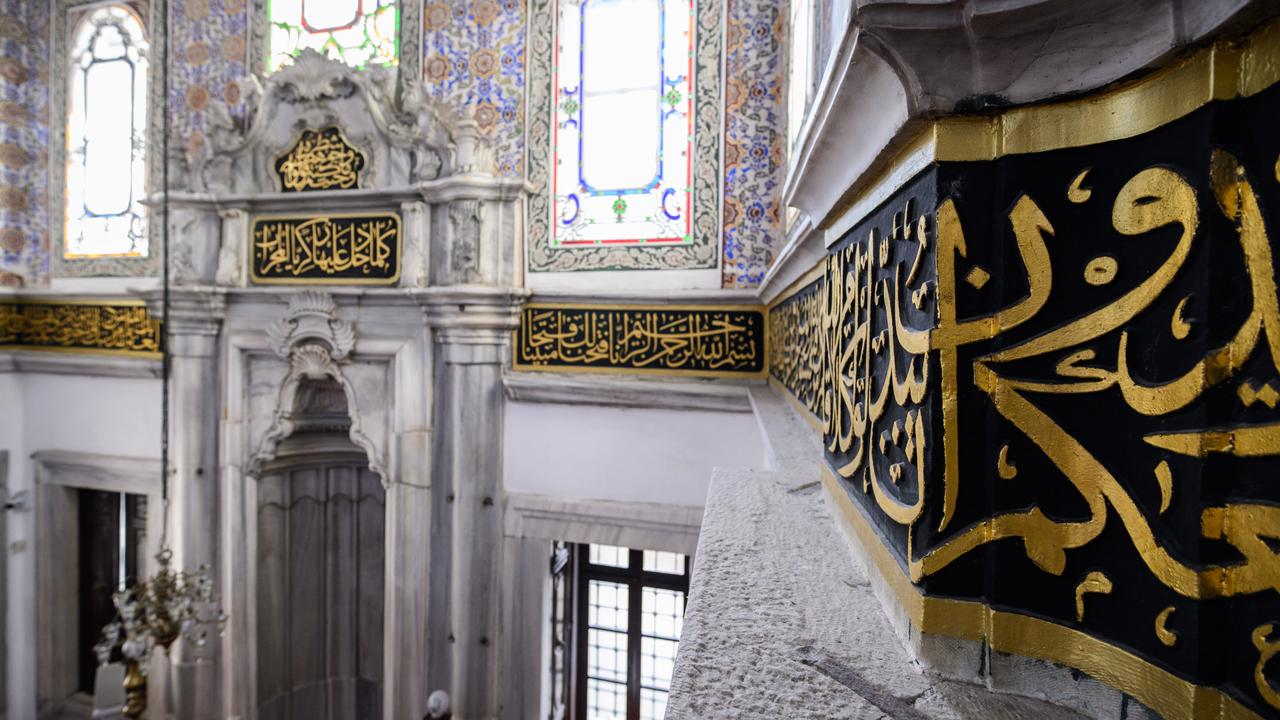
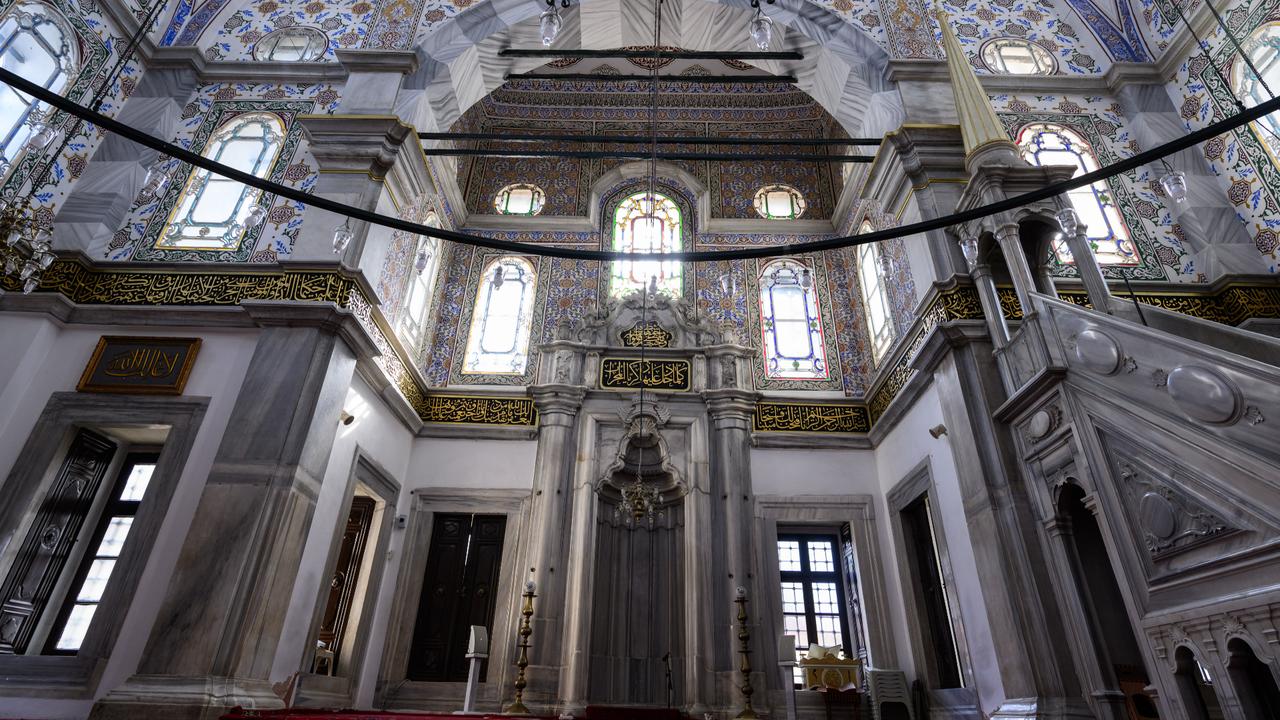
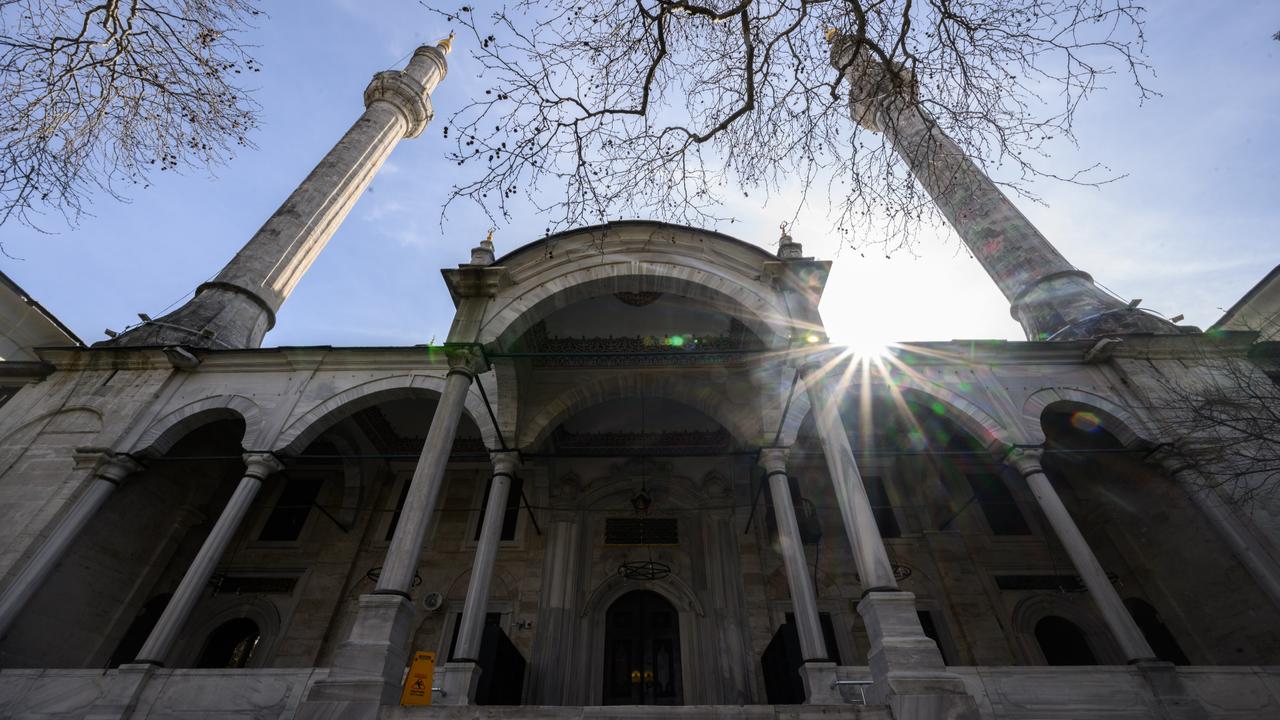
Architecturally, the mosque is regarded as a prominent example of Ottoman Baroque, a style influenced by European decorative trends that entered Ottoman artistic life in the late period. The square-planned single-domed prayer hall, surrounded by multiple rows of windows, features shell motifs and ornamental cartouches, while finely carved marble work in the mihrab and minbar reflects European-inspired artistic details integrated into Ottoman craftsmanship.
Unlike earlier imperial mosque complexes (kulliye, meaning a group of social and charitable buildings centered around a mosque), Selimiye was conceived as a broader urban system. Streets intersected at right angles, forming a planned settlement. The area was organized into functional zones, including a social center around the mosque, textile production areas near Harem Pier, and residential quarters, turning the complex into a living urban environment rather than a purely religious institution.
Historical records show that the complex once included a wide range of facilities designed to sustain both the mosque and the surrounding community. Alongside the mosque stood a primary school (sibyan mektebi), bathhouse, library, timekeeping pavilion (muvakkithane, used historically to calculate prayer times), workshops, shops, bakeries, and textile production spaces. According to art historian Efdaluddin Kilic, these structures formed “a significant group of enterprises designed and operated together with the Selimiye Mosque.”
Certain structural elements reflect experimentation in late Ottoman design. The imperial loge (hunkar mahfili), reserved for the sultan, was added externally in a way that disrupted traditional symmetry commonly seen in mosques. A separate yet connected structure believed to have served as the muvakkithane also stands apart visually, illustrating how functional additions shaped the building’s final appearance over time.
A continuous inscription band featuring Surah al-Fatiha encircles the main prayer space, a choice associated with Selim III’s desire to revive a spirit of conquest and renewal. Calligraphy by renowned Ottoman scribes, including Carsambali Arif, appears throughout the mosque, while a later addition placed Surah al-Ikhlas in the dome, attributed to calligrapher Ismail Hakki Altunbezer.
Less visible architectural elements include water reservoirs built as precautionary measures against fires and water shortages, reflecting practical urban planning concerns. The mosque’s proximity to Selimiye Barracks also shaped its historical role, as funeral ceremonies for fallen soldiers were traditionally held there, a practice that continues occasionally today with both religious and military rites.
Today, although many revenue-generating buildings of the complex no longer survive, the Great Selimiye Mosque continues to preserve its historical and architectural significance within Uskudar’s skyline.


 Set as preferred source


 1 min read