Newsletters


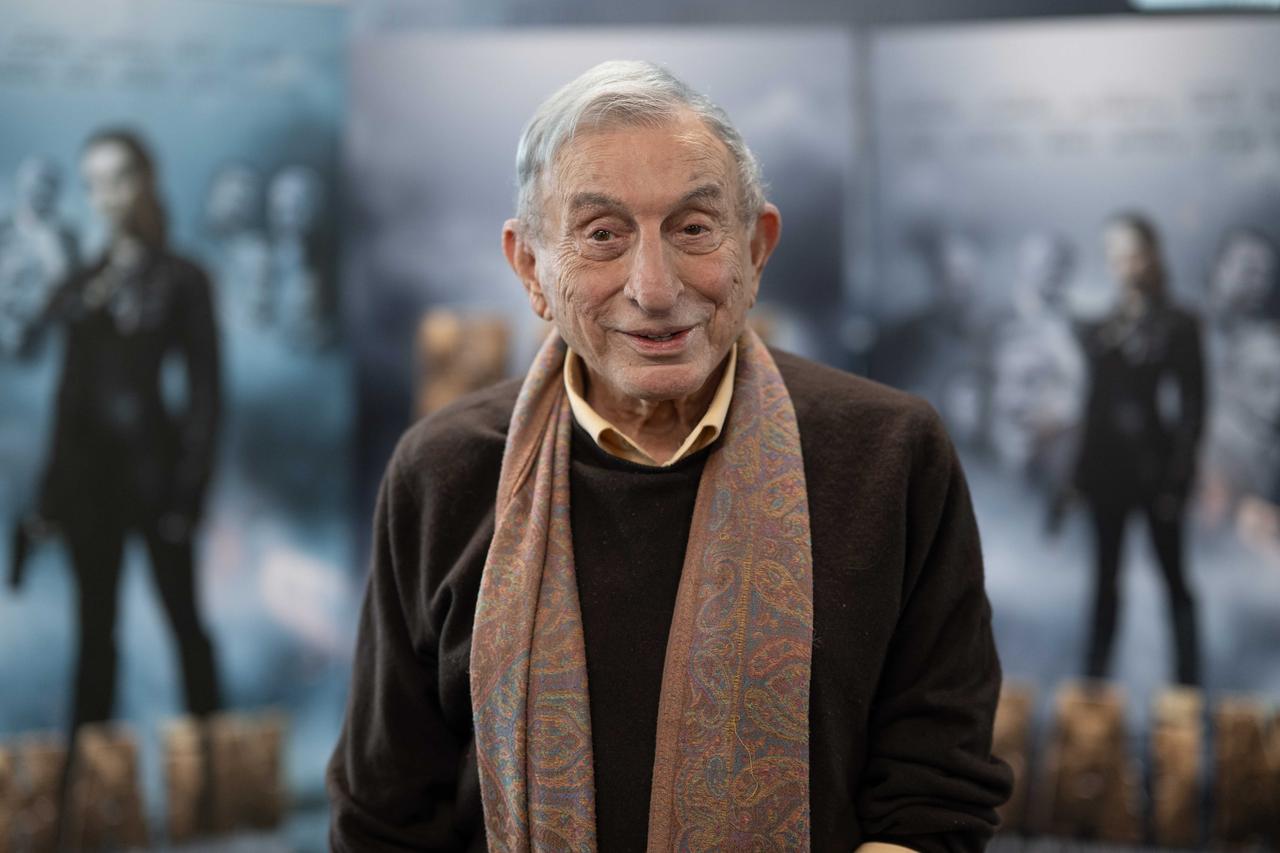


Turkish theater veteran Haldun Dormen, a defining figure in the Republic-era development of modern stage culture in Türkiye, has died at the age of 97 after being hospitalized with an infection. He was admitted on Jan. 6 and later intubated, his son Omer Dormen shared, before his passing.
Born on April 5, 1928, in Mersin, Dormen moved with his family to Istanbul before his first birthday and grew up in Sisli. His father, Sait Omer Bey, is described as a Turkish Cypriot businessman, while his mother, Nimet Rustu Hanim, is described as the daughter of an Istanbul pasha, a senior-ranking figure in the Ottoman-era administrative and military system. The family surname was originally Onder, but his father chose “Dormen” as a surname selected for having “no meaning.”
Dormen’s bond with performance started early and stayed with him through hardship. An accident at age 8 left his left foot injured, yet he continued to be drawn to the stage, first stepping in front of an audience while he was a middle school student at Galatasaray High School, earning 25 kurus for a role in a school play titled "Demirbank."

After completing his education at Robert College, Dormen went to the United States for theater training at Yale University, graduating with a master’s degree. He then spent two years working as an actor and director in various American theaters and performed in four plays at the Pasadena Playhouse in Hollywood.
When he returned to Istanbul, Dormen joined Muhsin Ertuğrul’s Kucuk Sahne theater and made his first appearance before Turkish audiences in the play “Cinayet Var” (There Is a Murder). Around the same period, he also set up a small 60-seat “cep tiyatrosu,” literally a “pocket theater,” in Beyoglu with young amateur performers, framing theater not only as performance but also as a cultural meeting point.
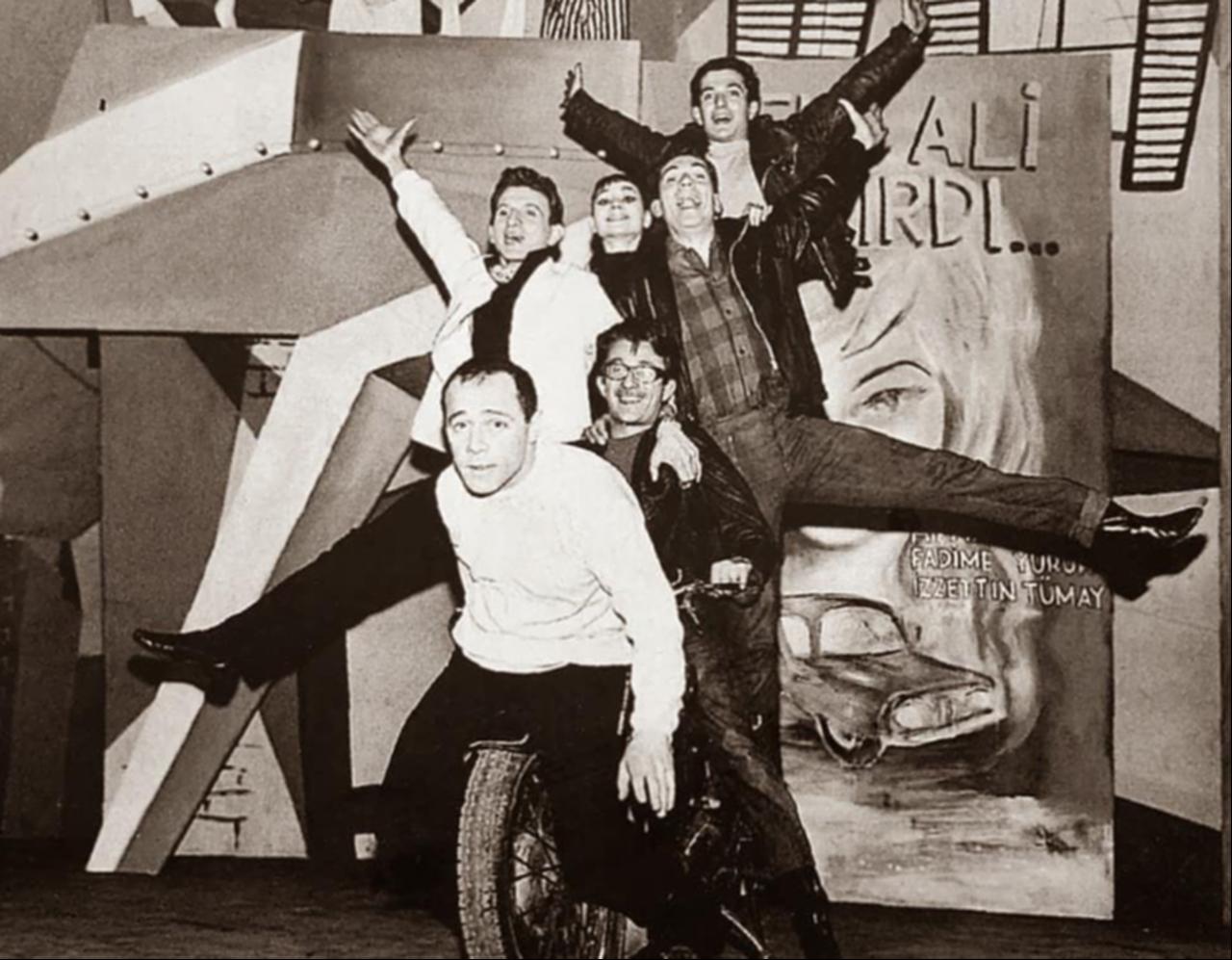
Dormen’s long-held ambition to establish his own company took shape with Dormen Theater. The first performance under the Dormen Theater banner was staged on Aug. 22, 1955, at Sureyya Cinema, and by 1957, he founded the troupe with the comedy Papaz Kacti. The company’s brightest stretch is described as running from 1957 to 1972, during which it trained and worked with many performers who later became widely known, including Erol Gunaydin, Altan Erbulak, Metin Serezli, Nisa Serezli, Izzet Gunay, and Ayfer Feray.
In 1962, Dormen Theater moved into the historic Ses Theater in Beyoglu, staying there for 10 years, while productions cited in the texts include “Bit Yenigi” (Something Fishy), “Sahane Zugurtler” (The Magnificent Paupers), and “Yaygara 70” (The Uproar of the ’70s) the last of which is attributed to Erol Gunaydin and composer Cemal Resit Rey.
In 1961, Dormen Theater staged what the texts describe as Türkiye’s first Western-style musical, “Sokak Kizi Irma” (Street Girl Irma or Irma la Douce), a production that also helped bring actress Gulriz Sururi wider recognition through her lead role.
A separate account portrays Dormen as someone who approached theater as “culture, discipline and continuity,” and includes a notable quote from an interview in which he said: “I never had the ambition to ‘save’ Turkish theater. I simply wanted to make good theater …” The same text also recounts a formative childhood moment of watching "Othello" at the Tepebasi Drama Theater, which he later described as a turning point that shifted him away from a childhood dream of becoming a Hollywood star and toward becoming a theater actor in Türkiye.
Dormen also took on cinema in the mid-1960s, directing “Guzel Bir Gun Icin” (For a Beautiful Day) and “Bozuk Duzen” (Broken Order). These films together won seven awards at the Antalya Golden Orange Film Festival in 1966 and 1967, even though they did not perform as expected at the box office. In 1987, he directed a video film, "Felekten Bir Gun" (Have a Field Day), produced by Mujdat Gezen, in which he also played the lead role.
After closing his theater in 1972 due to debt, Dormen shifted more heavily into television, writing, and education. He taught stage classes at Istanbul University State Conservatory’s Musical Department and appeared regularly on television in programs including “Unutulanlar” (The Forgotten Ones), “Anilarla Soylesi” (Conversations Through Memories),“Kamera Arkasi” (Behind the Camera), “Popstar Türkiye” (Popstar Türkiye) and later the sitcom "Dadi" (The Nanny), a Turkish adaptation of the U.S. comedy series "The Nanny." He also wrote a column for Milliyet titled "Cesitlemeler" (Variations), continuing this work for eight years.
Dormen’s renewed focus on large-scale musical theater in the 1980s coincided with a period in which his work began to reach audiences well beyond Türkiye. In 1981, he met producer Egemen Bostanci and went on to write and direct major musicals, including "Hisseli Harikalar Kumpanyasi "(The Joint Venture Company of Wonders) and “Sen Sazin Bulbulleri” (The Nightingales of the Merry Lute). These productions reinforced his reputation for blending popular entertainment with theatrical discipline and structure.
One of the most notable milestones linked to this period came years later, when "Hisseli Harikalar Kumpanyasi" was staged in the United States. In 2009, the musical was performed on Broadway, becoming the first Turkish musical to be staged there. The weekend performances were held at the Beacon Theater, a venue with a capacity of around 3,000 seats, and played to a full house. The production drew strong interest from both Turkish and American audiences, who gave the performers a standing ovation at the end of the show. Dormen himself attended the performance as a member of the audience, watching the Broadway staging of the musical he had written decades earlier.
In 1984, with Bostanci’s encouragement, Dormen re-established a permanent stage by taking over the former Idil Cinema in the Ferikoy district of Istanbul and founding the Komedi Theater. Although the venue officially carried a new name, it continued to be widely known as Dormen Theater. The theater remained active for 17 years and served as another platform for Dormen’s musical and theatrical productions before closing in 2002 due to economic reasons.
His work also included reviving "Lukus Hayat," a musical first staged in 1933, which he brought back to Istanbul City Theater in 1985 with Gencay Gurun serving as producer. The production drew major interest and remained on stage for 28 consecutive years, after which Dormen also staged it at the Izmir and Mersin operas and at the Eskisehir City Theater.
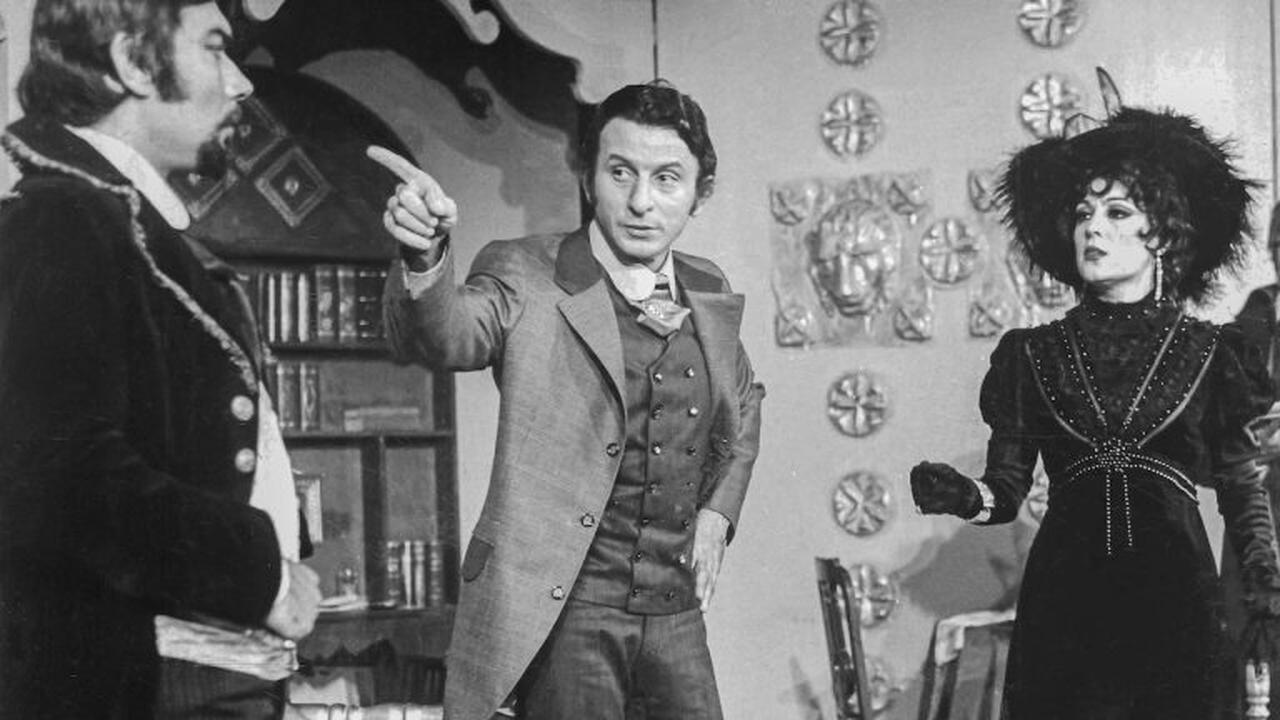
In 1997, Dormen initiated the Afife Theatre Awards on behalf of Yapi Kredi Bank and served as artistic advisor, delivering opening speeches for the first decade. The texts add that a “Haldun Dormen Special Award” was later introduced in his name within the Afife Awards.
His written output is described as including five books—four of them autobiographical—along with 12 plays, while "Kantocu," a work focusing on the experiences of women stage performers during the early Republic years, is noted as having been staged in Istanbul, Eskisehir and Ankara. The texts also say he received more than 250 awards over his lifetime and was granted an honorary doctorate by Hacettepe University.
After an eight-year break from acting, Dormen returned to the stage in 2009 as Monsieur Jourdain in "Moliere’s Kibarlik Budalasi" (The Bourgeois Gentleman), staged by Kedi Sahne Sanatlari, with the production later described as being performed 600 times over 10 years. He also served as artistic consultant for the Sahne Tozu Theater in Izmir, taught musical lessons at the Sahne Tozu Theater NisantasI Academy, and was described as honorary president of Dormen Academy, launched in 2019 in Istanbul’s Atasehir district.
His life and career were also the subject of the documentary "Yaparsin Sekerim" (2022), directed by Selcuk Metin and written by Zeynep Mirac.
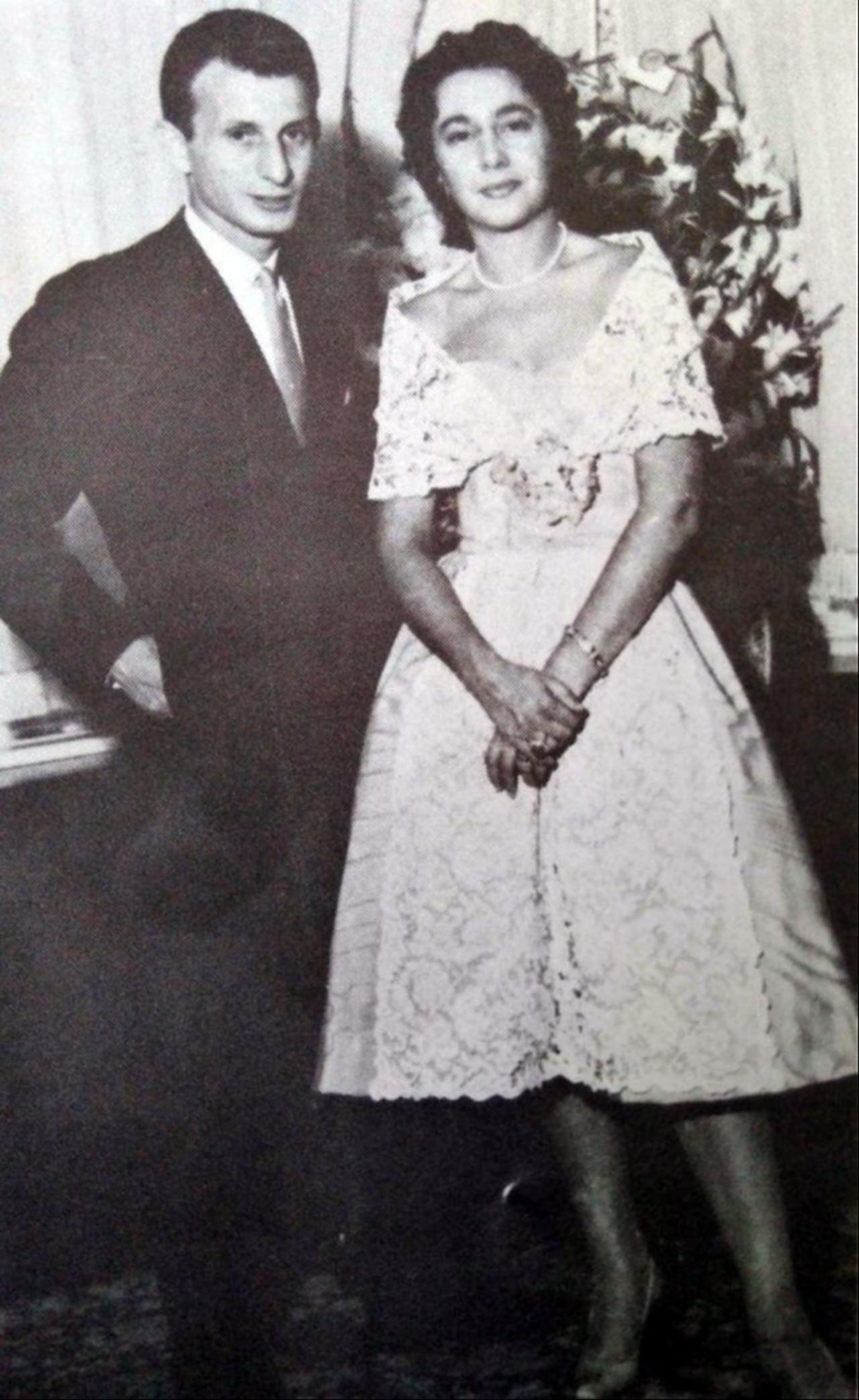
Dormen married prominent public relations figure Betul Mardin in 1959, and the couple had a son, Omer, before their marriage ended after eight years. Omer Dormen is married to journalist Ayse Arman.
Dormen was hospitalized on Jan. 6 due to an infection, was later intubated as his son shared publicly on Jan. 12, and died on Jan. 21, at the age of 97.


 Set as preferred source
 Set as preferred source


 3 min read