Newsletters


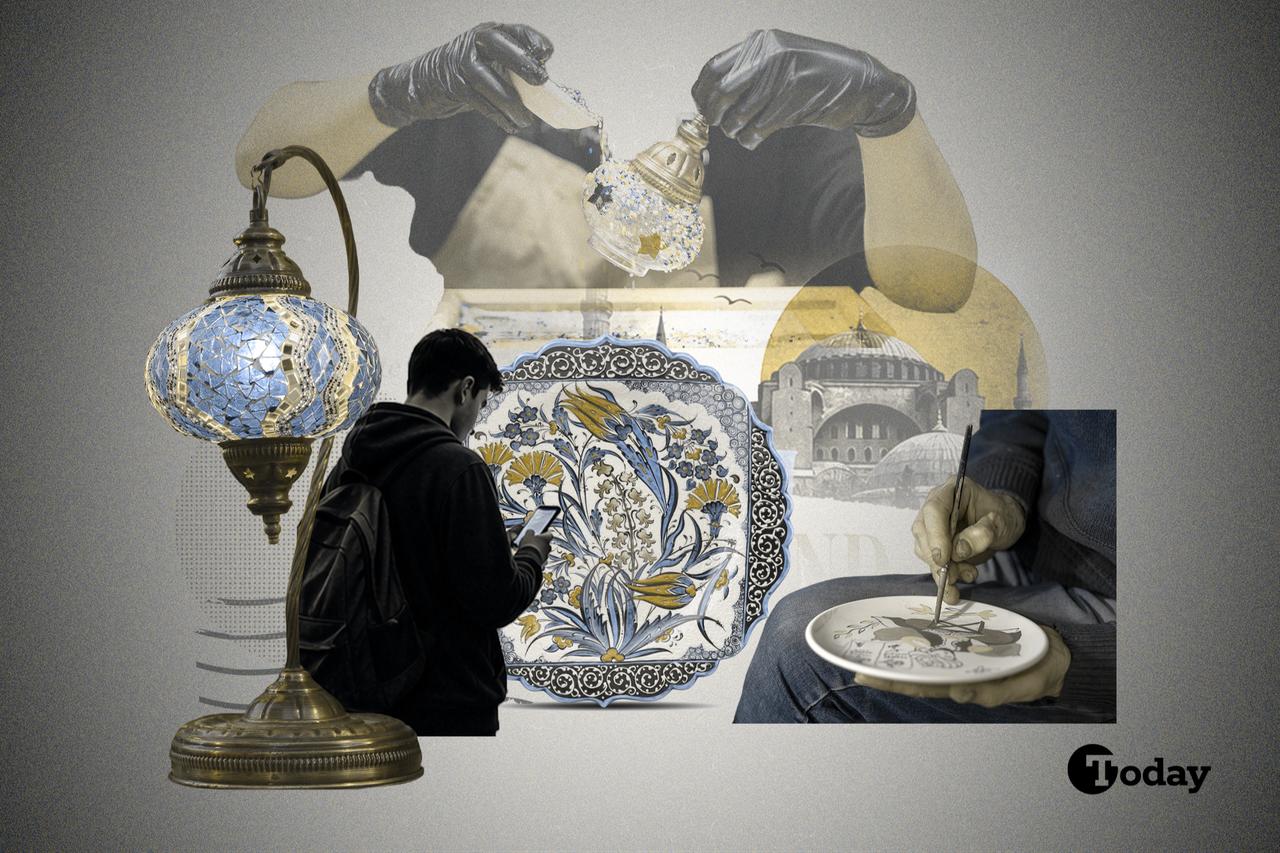


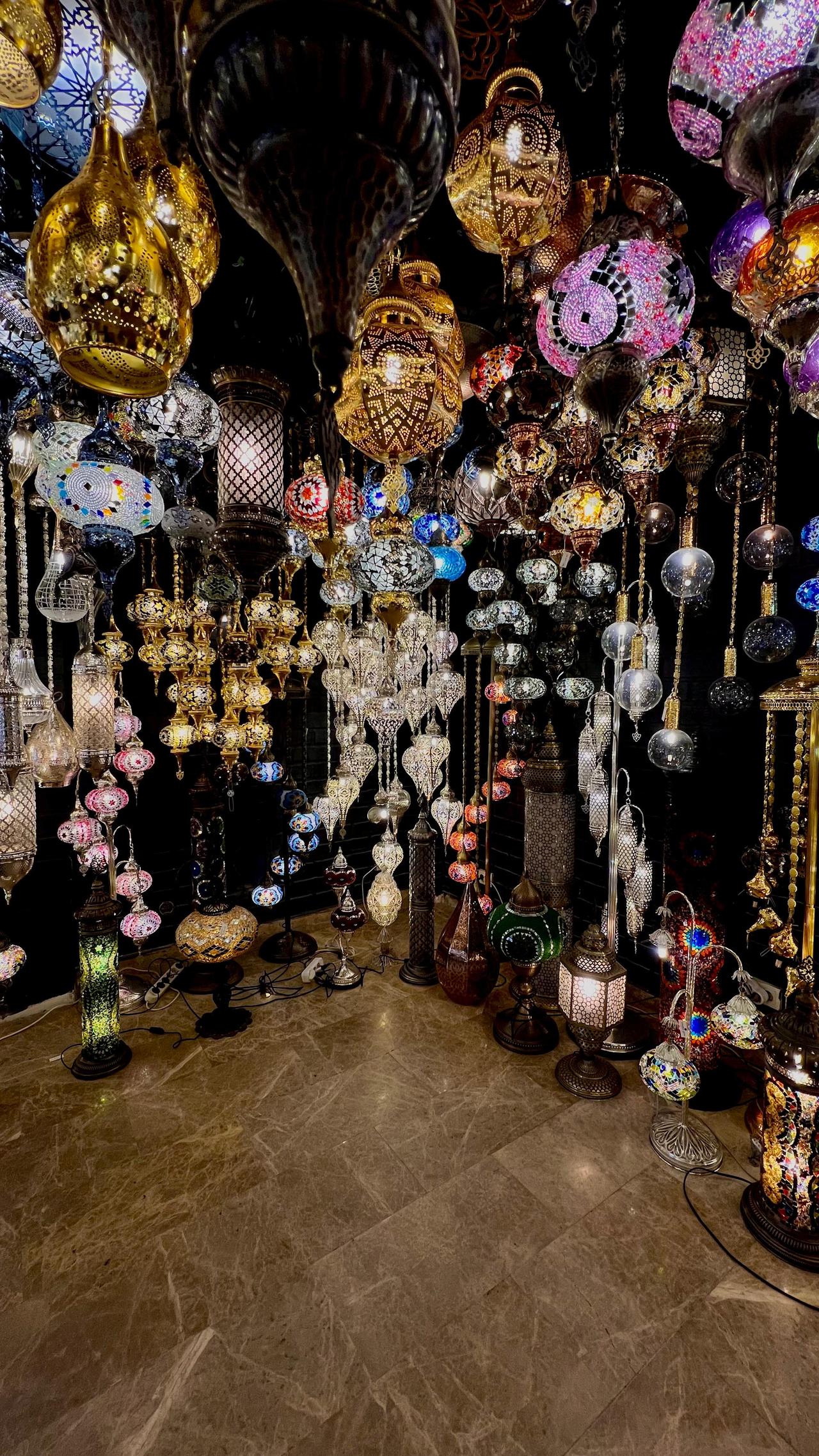
Inside a shop in Istanbul’s Grand Bazaar, light reflected from tiny pieces of glass—in blue, green, and red hues—spills like liquid color, shimmering and creating unique patterns on the floor, the walls, and even in the narrow corridors outside the shop.
Each object placed on the shelves, uniquely designed, colorful stained-glass lighting fixtures commonly known as Turkish lamps, seems to hold a story.
Turkish mosaic lamps have a rich heritage, stretching back thousands of years. They evolved from ancient Mediterranean glasswork into the colorful Ottoman decorative art, which merged Byzantine tessellation with Islamic design principles, famously illuminating mosques and palaces.
Their patterns echo a lineage that reached its height in places like Hagia Sophia and the courts of Topkapi Palace.
As they hung from the domes of magnificent mosques, the light filtering through their intricate geometric forms symbolized "nur," or divine light.
Burhan Bozbay, who owns the largest Turkish lamp shop, Istanbullamps, in the Grand Bazaar, holds a lamp and watches the light dance across its pattern. “In the past, such mosaic lamps used to hold candles, but today they are powered by electricity,” Bozbay shared.

Craft that refuses to rush
From a distance, a mosaic lamp appears effortless, as if the various pieces of colorful glass have simply fallen into place to form a perfect whole.
In reality, artisans assemble each piece by hand, cutting colored glass into small shapes using metallic oxides such as cobalt for blue and copper or gold for red.
Each lamp takes hours to complete. Every fragment is placed to form a design that reveals itself only when the lamp is illuminated.
Techniques have evolved with time.
Earlier, artisans used hot silicone to secure pieces before stronger adhesives were introduced.
Handmade, imperfect, filled with soul
In Türkiye, a craftsman produces between seven and ten lamps a day. Factories in China can produce more than 100.
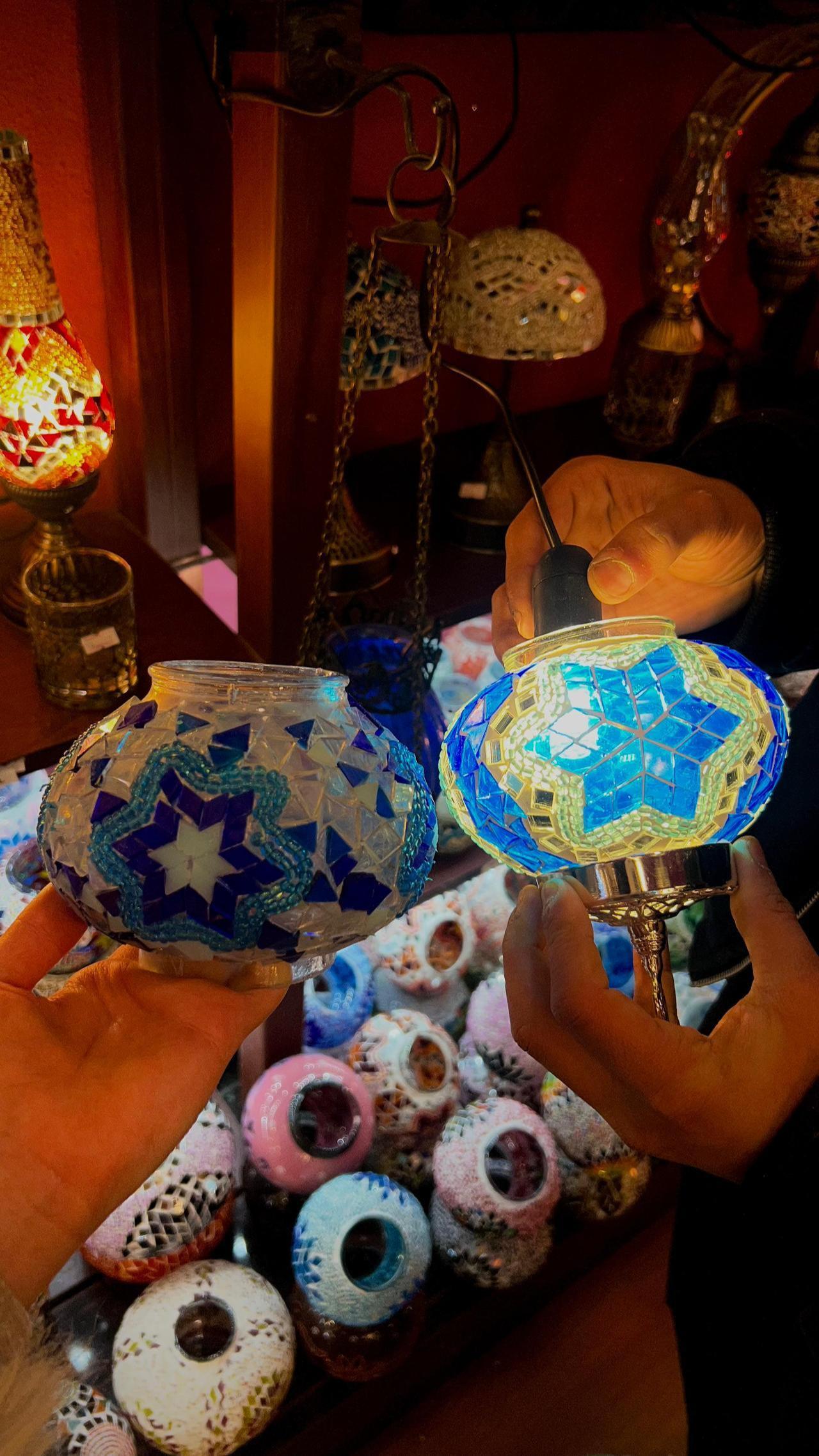
“Machines can make it faster,” said Ahmet Agirman, whose father owns the Tuncer Gifts Shop, pointing to a bluish lamp. “But they cannot give it soul.”
The difference between handmade and machine-made is obvious in small imperfections—an irregular glass placement here, an inconsistent design there—that reveal the human hand and that machines would inevitably smooth away.
The line between craft and copy
Handmade lamps compete with their mass-produced, imitation versions, as factories replicate designs quickly and cheaply, making them accessible to a wider market.
“China makes everything, and people prefer such products because they are cheaper,” Agirman said. Inflation complicates the decision. When prices rise, customers hesitate.
Machine-made versions can imitate appearance, not the process. “When people buy cheaper lamps, they buy the look, not the history or culture,” he pointed out.
Yet, the connoisseurs recognize the value of the original.
“Many who already own factory-made lamps like myself still purchase handmade ones in Türkiye,” a Chinese customer said to me. “The original feels different,” he said.
Craft in age of scrolling
Mosaic and ceramic work depend on repetition and focus, qualities that stand in contrast to a world shaped by scrolling and speed.
A single ceramic can take days, and if it breaks during the process, everything is lost—all that time wasted, Agirman said.
The patience required to make mosaic lamps feels increasingly distant in a culture defined by immediacy.
“When people cannot watch a three-minute video without getting bored, how can they sit for days to make one artistic piece?” Agirman asked.
These lamps emerged from the Ahi guild system, where craftsmen spent decades mastering glass placement and metalwork.
The metal base, often made using Telkari filigree, is carved by hand into floral or geometric forms, balancing solid metal with luminous glass.
Disappearing hands
Workspaces that once buzzed with artisans’ activity now feel quieter. Before the COVID-19 pandemic, workshops employed around 100 artisans.
“Now we are just 10 people,” Agirman noted. “The rest either resigned or found other jobs.”
When tourism stopped during the pandemic, sales declined, and many craftsmen had to leave the trade to survive.
The loss is not only numerical. It is generational.
The children of many artisans have chosen different futures, studying in fields that promise stability and speed. “Those who continue to remain in this profession are rare,” Agirman highlighted.
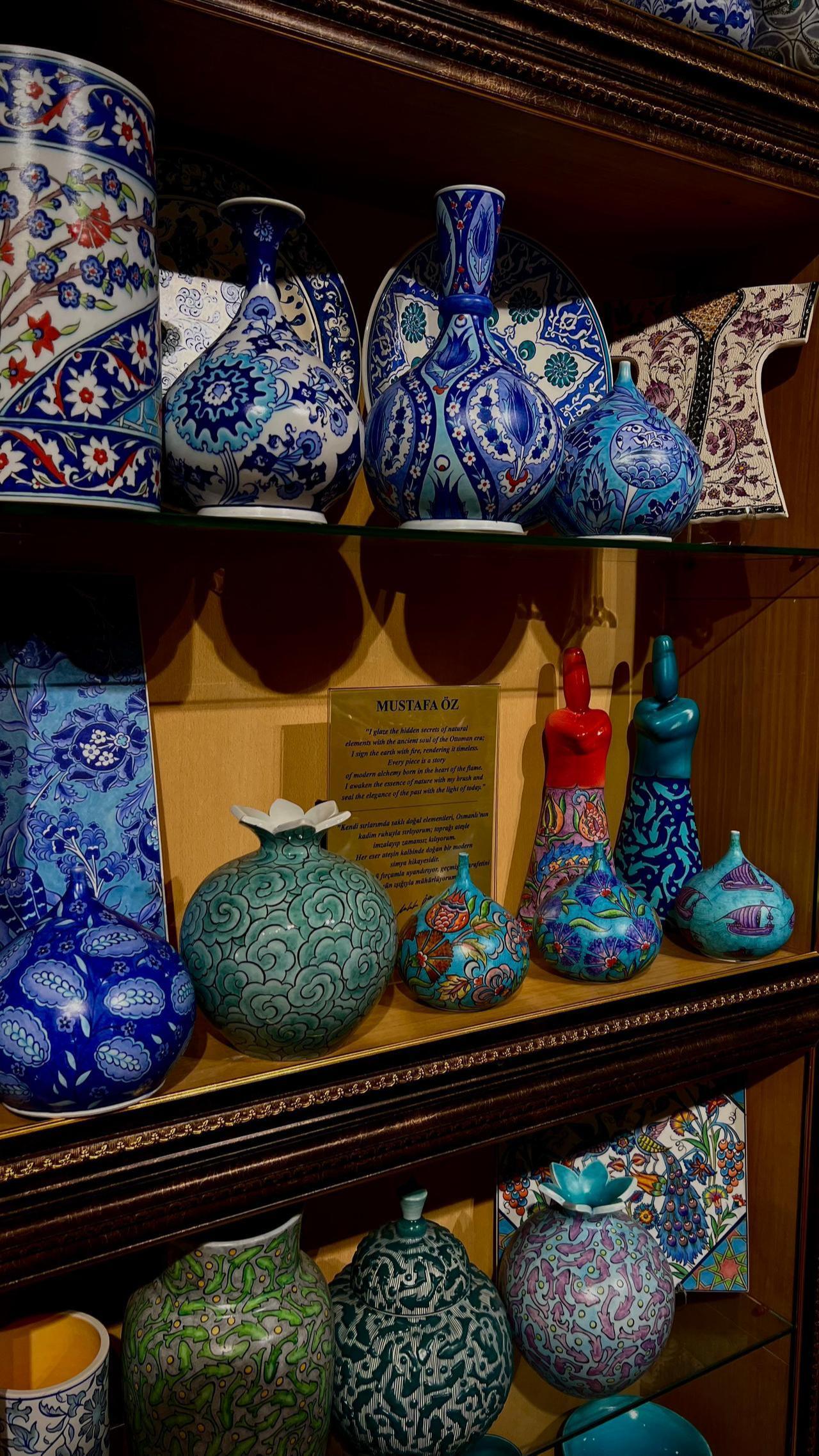
“We work with six ceramic artists, three of whom are certified and protected by UNESCO.” Burhan said proudly, while Ahmet collaborates with about 10 experts, including artists like Yasin Celik, known for applying 24-karat gold, and Mustafa Oz, known for matte glaze ceramics.
Old craft, new desires
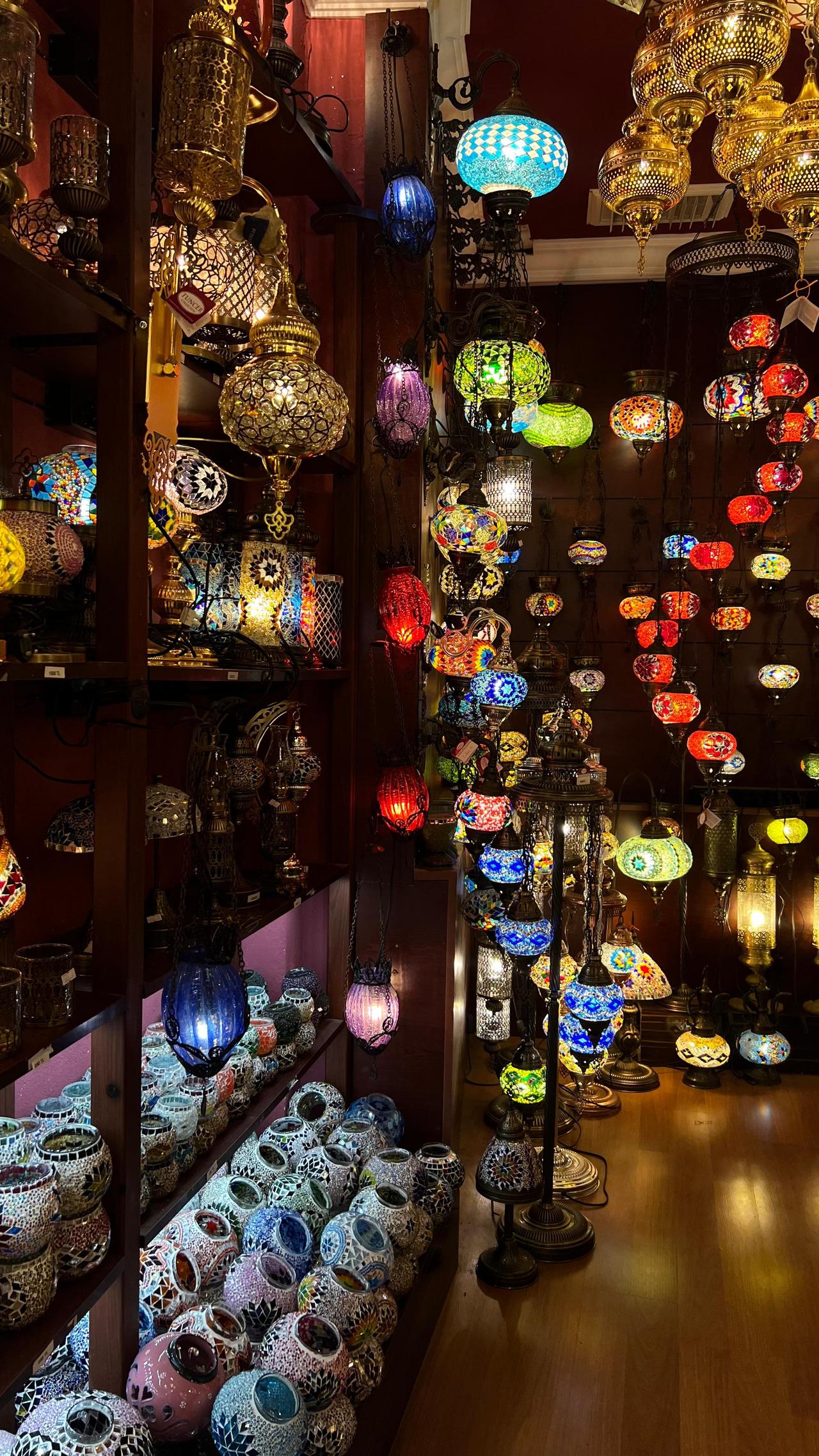
In the shops of Grand Bazar, lamps of varying shapes, sizes and designs are displayed, each one made to suit the tastes and lifestyles of potential buyers.
Tourists influence the craft in visible ways.
Americans often choose large chandeliers, while Europeans prefer smaller lamps well-suited to small apartments.
“As homes get smaller, the lamps also get smaller,” Bozbay explained, pointing to a table lamp. He focuses on customized designs while Agirman keeps a steady stock of around 2,500 pieces.
Designs have gradually shifted, blending traditional patterns with brighter, more reflective elements.
“If it is only mosaic, buyers are not interested,” Agirman said, adding, “people want something modern.”
When light becomes memory
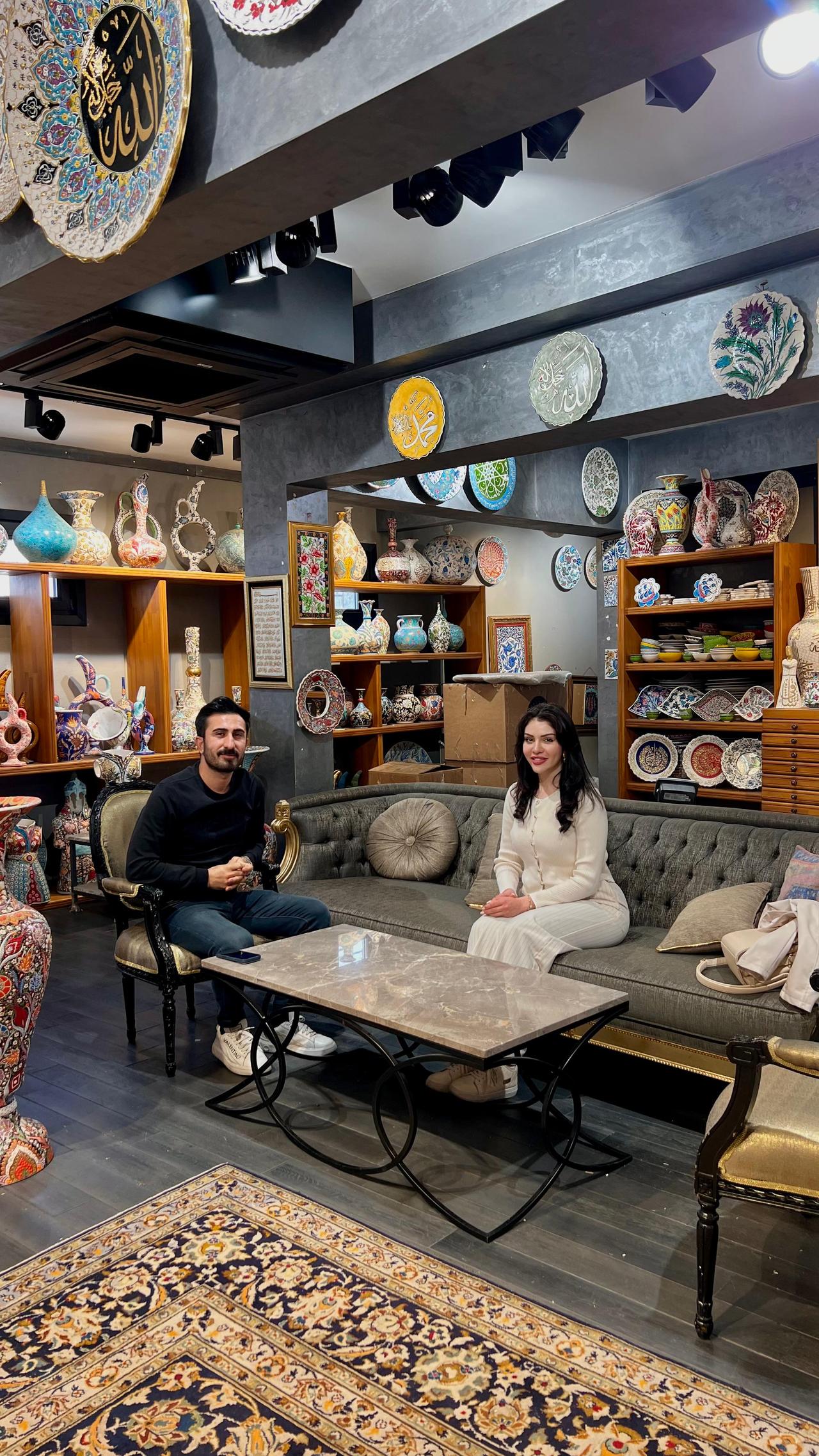
Nearby, ceramics also rest on shelves, their surfaces carrying patterns shaped by centuries of design. Two cities define this tradition: Iznik and Kutahya.
During the Ottoman period, there were 17 distinct Iznik patterns reserved for the royal family until the 18th century. Today, these designs are reinterpreted, blending historical motifs with modern expression.
The original Iznik ceramics did not include calligraphy, which became popular only in recent decades. Today, Arabic calligraphy attracts a wide audience.
“Some pieces incorporate 24-karat gold, making them limited-edition works expected to become antiques over time,” Agirman said.
Some shops, like Q Arts Ceramic Work, also conduct workshops and invite visitors to learn the craft. Bozbay also offers visitors a hands-on experience in his shop, where they can create their own mosaic lamps.
Students who commit to the profession can find opportunities. “If their products are well-received, they can earn collaboration offers, opportunities to showcase their work, and sometimes scholarships,” Agirman explained passionately.
Inside the Grand Bazaar, light still filters slowly and deliberately through hundreds of mosaic lamps, even as the world outside races forward—leaving fewer people willing to pause and wait for something made with such patience.


 Set as preferred source
 Set as preferred source



 2 min read