Newsletters


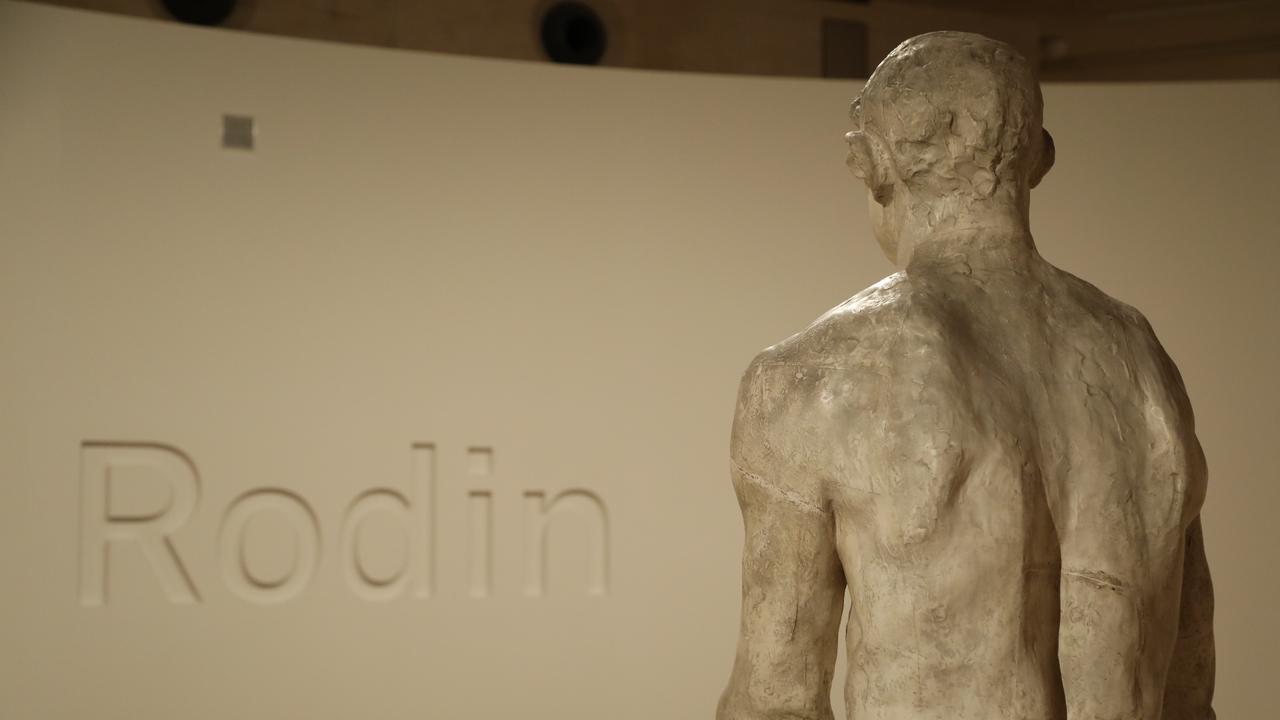
The Louvre’s “Michelangelo and Rodin: Living Bodies” brings together more than 200 works to show how two sculptors, four centuries apart, searched for life, emotion and movement inside the human body.
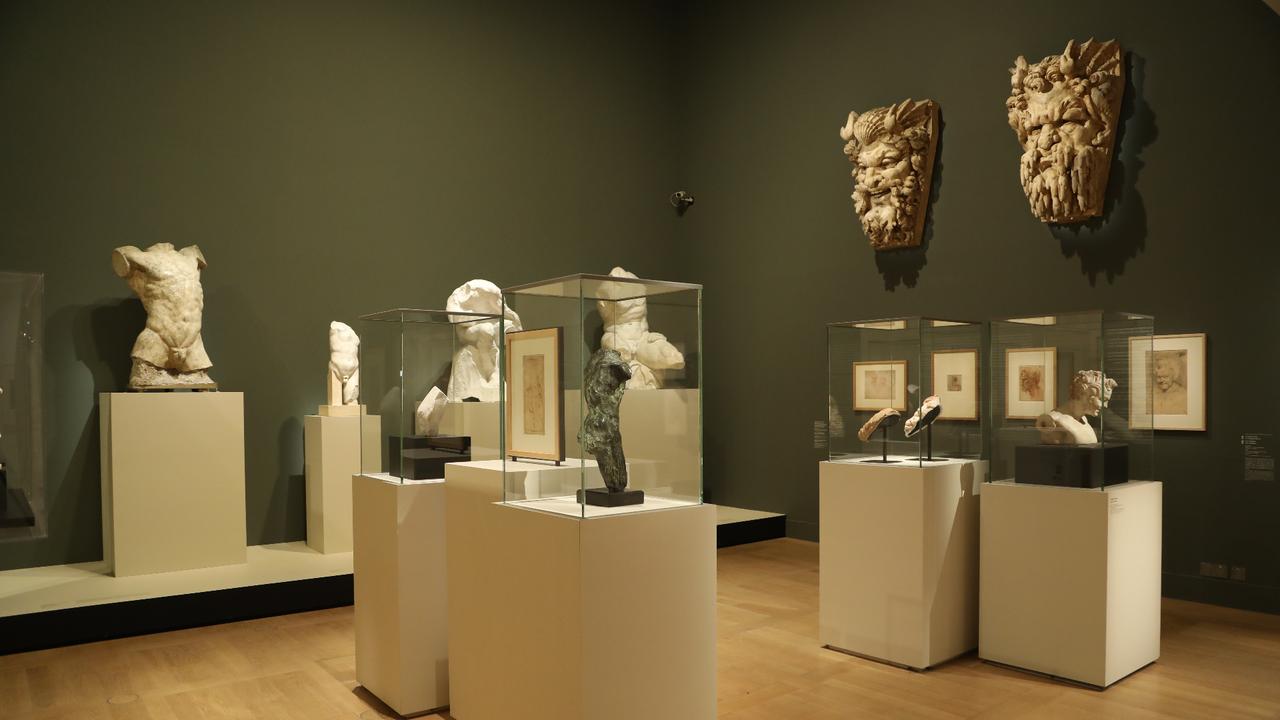
The Louvre Museum in Paris is hosting “Michelangelo and Rodin: Living Bodies,” a major exhibition staged with the Musée Rodin and open until July 20.
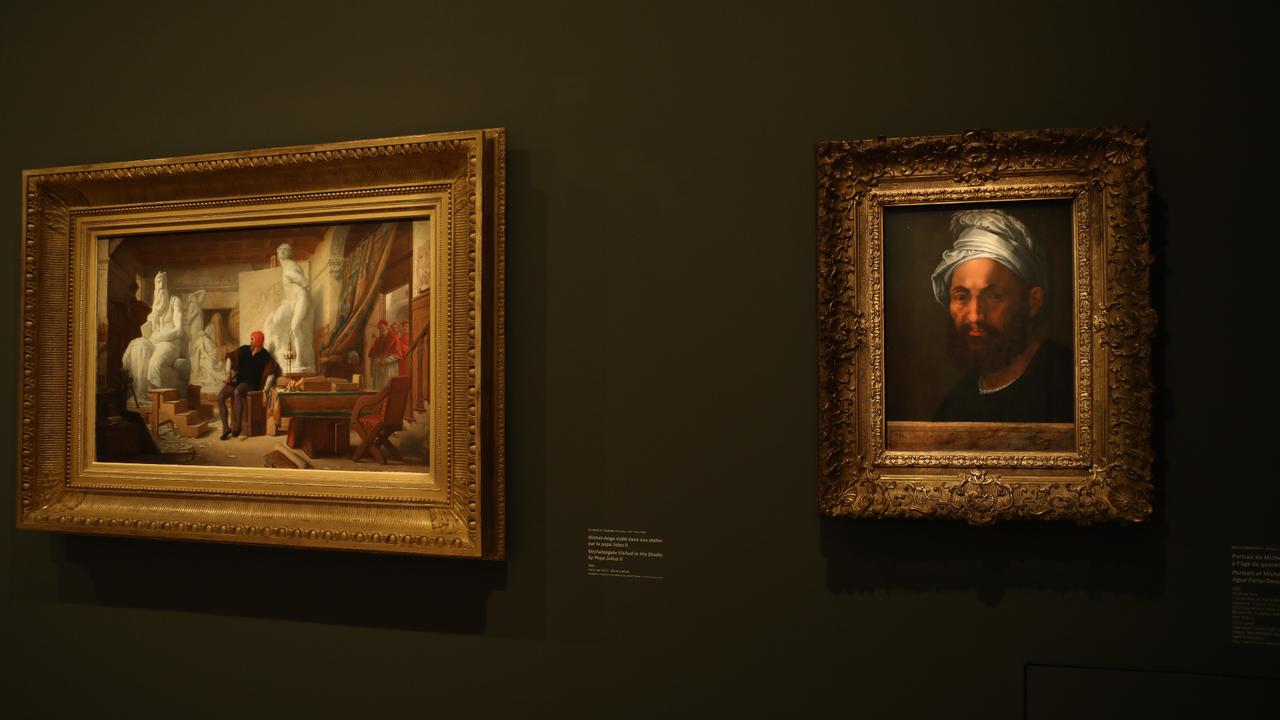
The show places Michelangelo and Auguste Rodin in direct conversation, focusing on how both artists moved beyond anatomy to explore what one curator described as the “thinking body.”
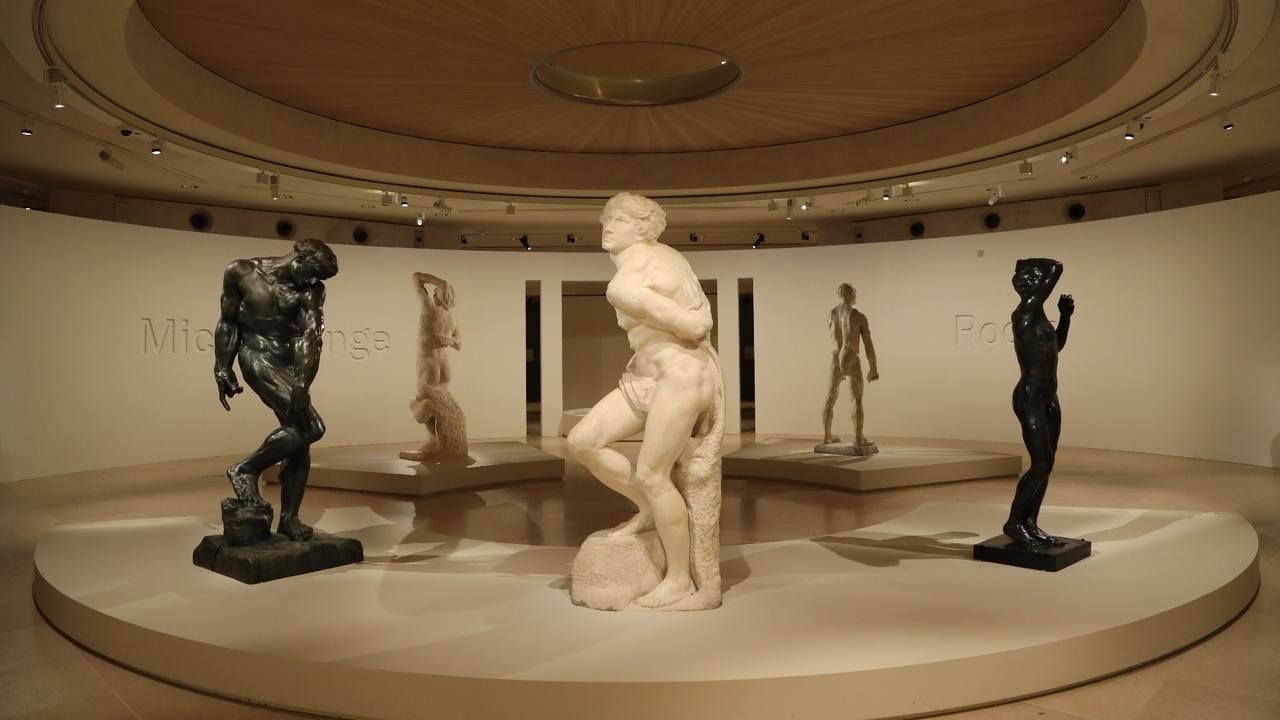
Although the two sculptors lived centuries apart, the exhibition shows how Rodin looked up to Michelangelo as a defining artistic model.
Rodin’s 1876 journey through Italy became a turning point, as he studied Michelangelo’s public sculptures and later wrote: “My liberation from academicism was via Michelangelo.”
A central idea in the exhibition is “non finito,” an Italian term meaning “unfinished,” used for works that retain visible roughness, tool marks or incomplete forms.
Michelangelo’s “Rebellious Slave” and “Dying Slave,” both from the Louvre collection, show bodies appearing to struggle out of stone.

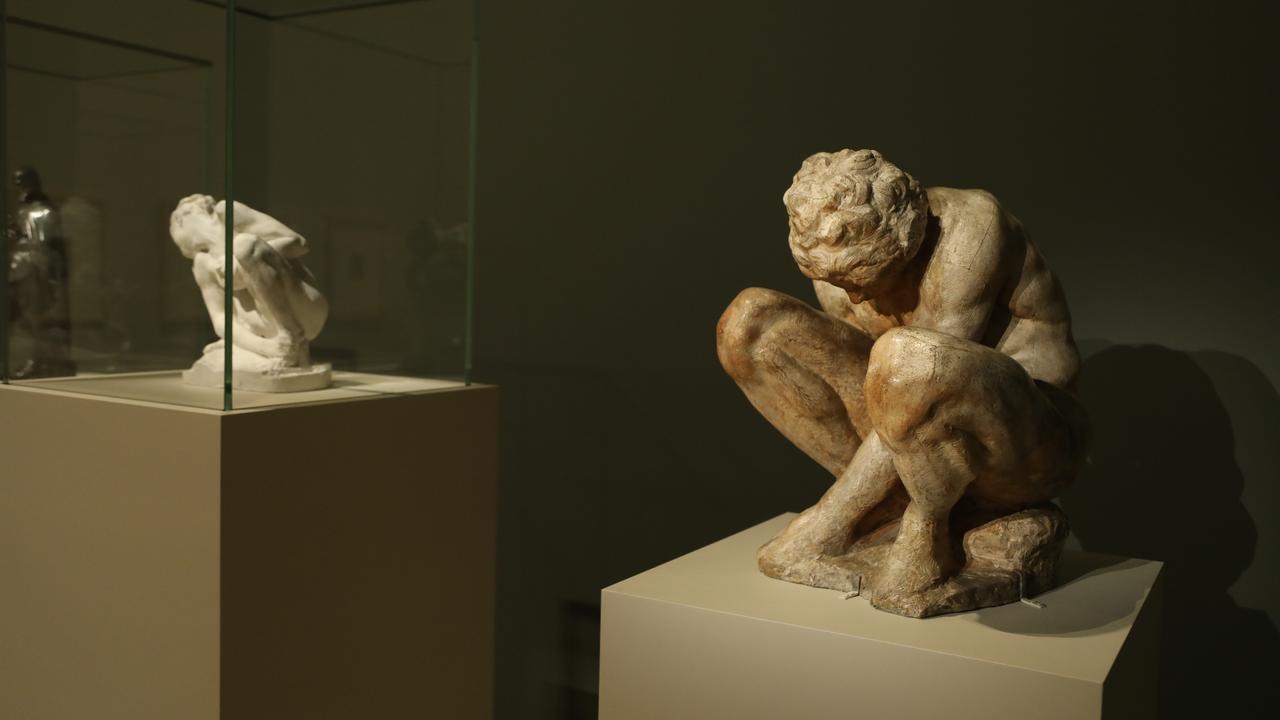
Rodin took this unfinished effect in a different direction, building up surfaces in clay and wax before casting works in plaster and bronze.
His “Hand of God,” “Age of Bronze,” “Adam,” and plaster study for Honore de Balzac show how he used texture to suggest movement, process, and inner life.
The exhibition also includes around 30 Michelangelo drawings, underlining his close study of anatomy and the human figure.
Because major Michelangelo works in Italy could not be transported, the Louvre also displays reproductions, including copies of “Dawn” and “Dusk” and a 1570 replica of “Last Judgment.”

Co-curator Chloe Ariot said Rodin’s “non finito” was not simply imitation, but a way to show “the reality of life.”
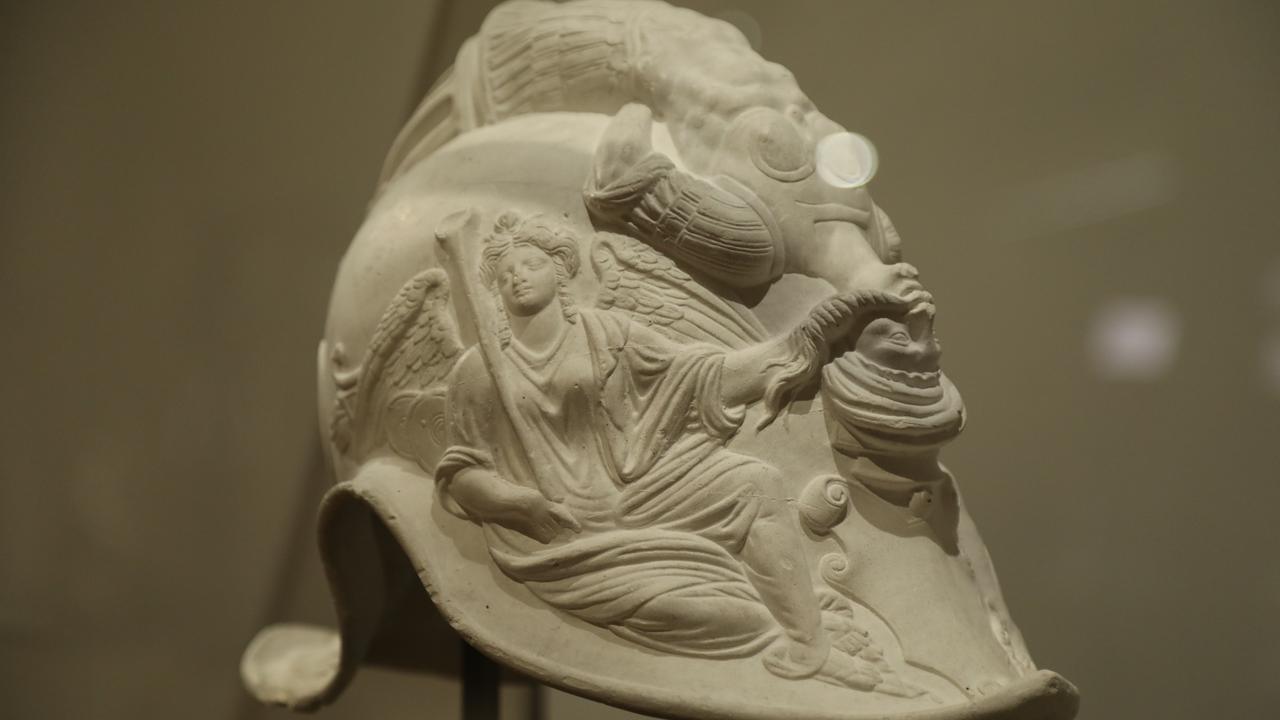
Through marble, bronze, plaster, terra cotta and drawings, the exhibition presents the body not as a fixed form, but as something still emerging.


 Set as preferred source

 3 min read