Newsletters


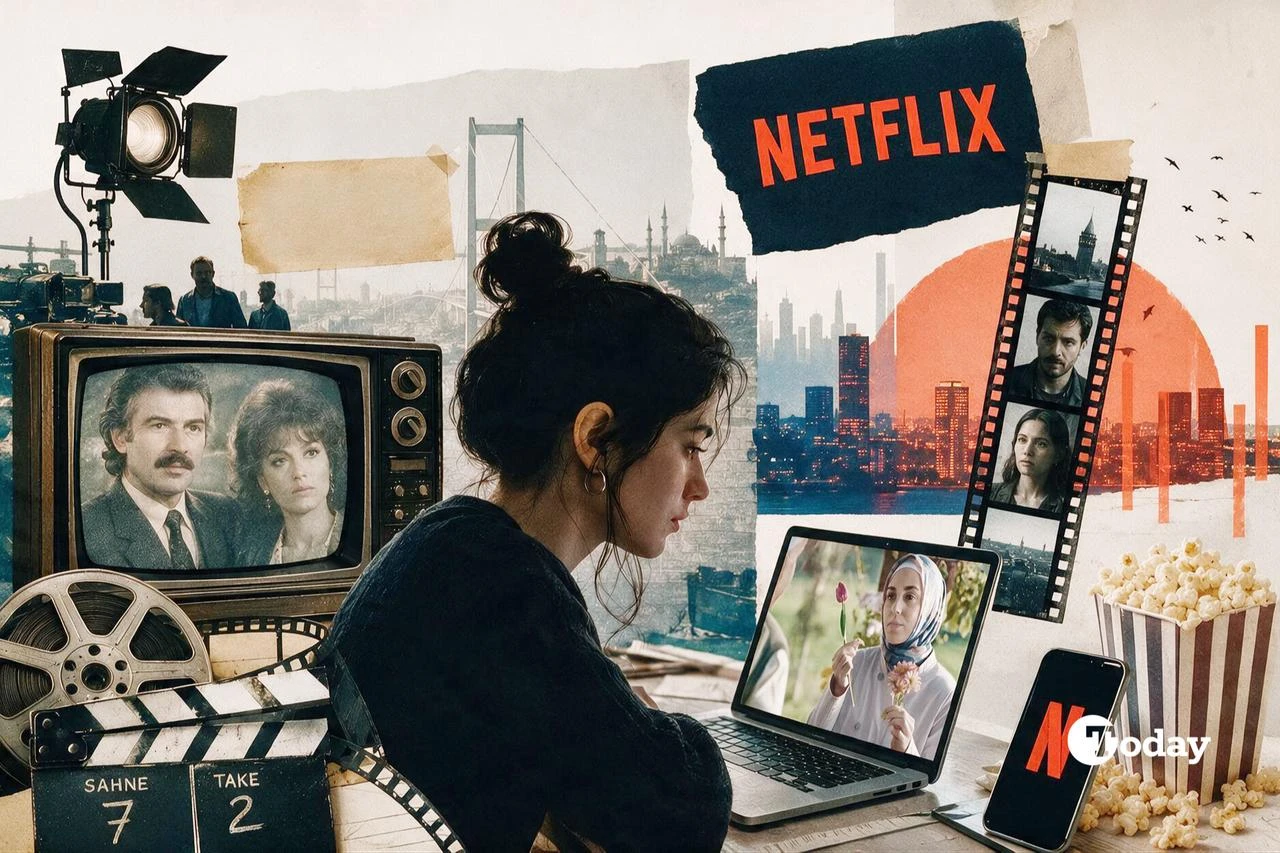


The cracking of sunflower seed shells breaks the 1:00 a.m. quiet in a third-floor apartment in Osmanbey. Inside, 23-year-old university student Zehra Aktas is watching a Turkish television drama on her laptop. Her roommate has already fallen asleep beside her.
Nearly two hours into the episode, Aktas gives up. She opens Netflix and looks for something shorter.
“When we watch broadcast TV together, it’s a commitment for the whole evening,” she says. “By midnight, my friend gives up. But when I’m on my own, I want something that moves.”
For Aktas, it is not only about time. “The way a story starts on streaming, the camera work, the dialogue, even how long the actors hold a silence—it feels like a completely different visual language,” she says.
Her viewing habits reflect a much larger shift. Turkish dramas are now exported to more than 170 countries, and generated an estimated $600 million in export revenue in 2023. Alongside that global success, the industry itself is changing.
Netflix and other streaming platforms have brought shorter seasons, different production schedules and new expectations for how stories should look, sound and move.
For viewers like Aktas, the difference is visible by switching between two tabs. For those writing, shooting and editing these stories, it begins long before they reach the screen.
Have Netflix and similar streaming services rewritten the rules of Turkish storytelling, or simply given an industry already changing from within a new place to tell its stories?


The difference Aktas notices on her laptop begins several kilometers away, inside a building on a quiet street in Istanbul’s business district of Levent.
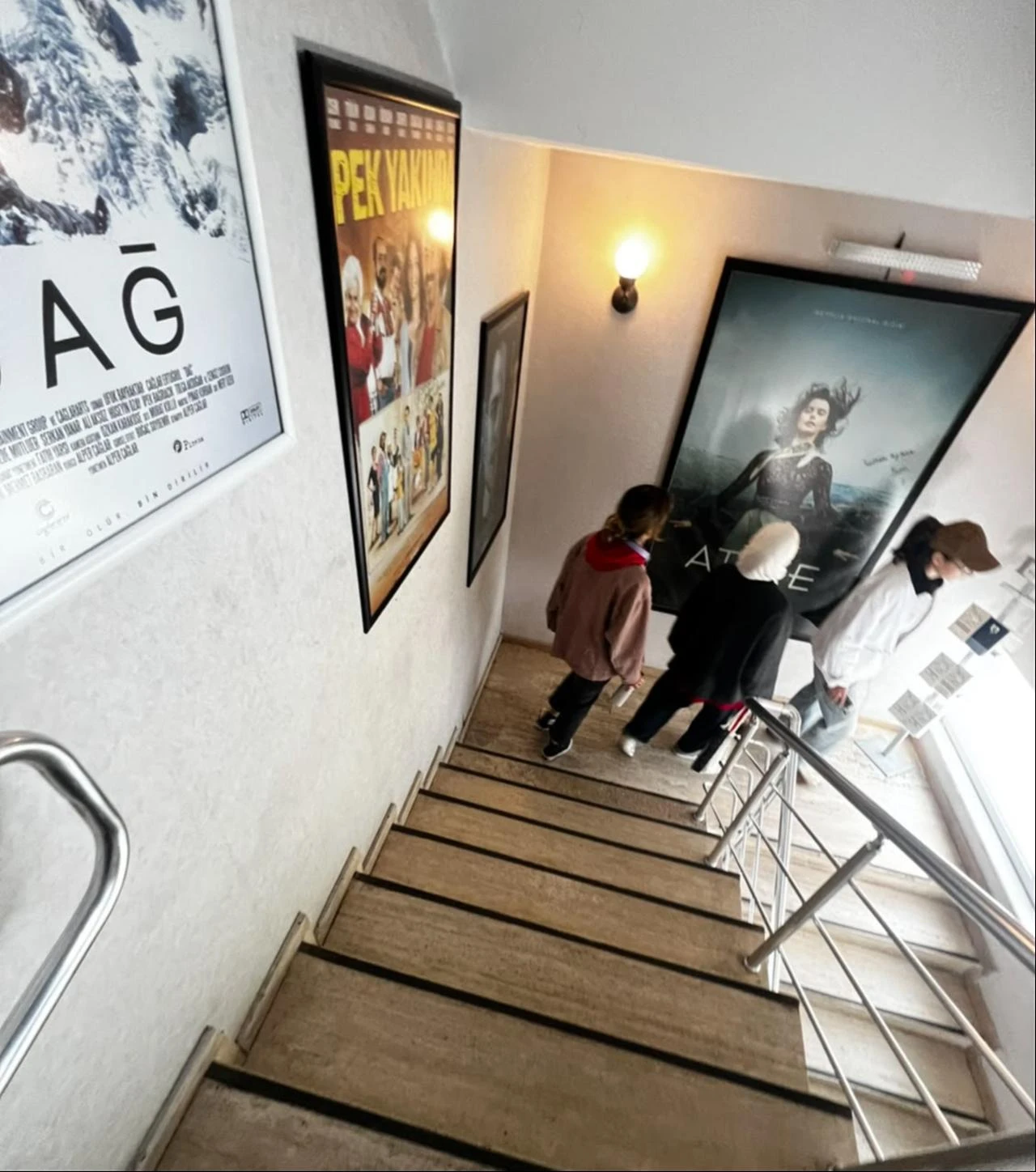
At 1000 Volt, a leading post-production and visual effects studio, Türkiye’s post-production industry unfolds floor by floor. Along the corridors, framed images from films and series the studio has worked on turn the walls into a visual record of its history. Behind different doors, teams work on editing, sound, color, and visual effects—separate stages that eventually become one finished story.
Founded in 2005, 1000 Volt entered Türkiye’s streaming era in 2018, providing full post-production for “The Protector (Hakan: Muhafız),” Netflix’s first Turkish original. Its later projects include “The Gift,” “Sahmaran,” “Yakamoz S-245” and “Creature.”
Walking through the building makes visible what viewers rarely consider when they press play: a series does not simply move from set to screen.
For director, screenwriter and producer Dogu Akal, the biggest difference between this process and traditional television is time.
Akal describes the weekly television schedule as a “visible, terrifying clock.” An episode has an air date that cannot easily move. If shooting runs late, a location changes, or a script is adjusted, the lost time travels down the chain.
Editing gets less time. Sound gets less time. Color grading gets less time.
Streaming changes that rhythm. Instead of racing toward a weekly broadcast, teams can work toward delivering a completed season. The pressure remains, Akal says, but shifts toward preparing the project as a complete package.
That difference eventually reaches Aktas’s laptop. Watching episodes back-to-back makes continuity in image, sound and storytelling part of one experience.
The difference between broadcast and streaming is not only length, but how a scene moves.
In prime-time Turkish dramas, arguments can stretch through reaction shots, silences and music. Screenwriter and director Onur Bober links this rhythm to television economics.
“Long episodes are not really something that emerged from the needs of the story, but rather from the desire to secure a larger share of advertising revenue,” he says, resulting in “filler scenes, prolonged glances and musical sequences.”
Star TV’s Yali Capkini, which ran for three seasons, reflects this rhythm through close-ups, pauses and musical cues that prolong confrontations.
Streaming moves differently. In Berkun “Oya’s Bir Baskadir” (Ethos), therapy scenes between Meryem and psychiatrist Peri build tension through stillness, expressions and what remains unsaid.
Its eight episodes run roughly 40 to 58 minutes and follow Istanbul characters divided by class, religion, gender and ways of life.
For Bober, shorter formats allow “more focused, fast-paced stories” and create space for genres once considered risky, including science fiction and crime.
Netflix’s first Turkish original “The Protector” demonstrated that shift in 2018 with a 10-episode fantasy about an Istanbul shopkeeper drawn into an ancient order protecting the city.
Yet shorter does not automatically mean different. Bober says directors coming from television can still “fall into the same habit of unnecessarily stretching the story,” and digital formats have “not been able to influence the way we tell stories for television.”
Streaming opened space for shorter episodes and new genres, but decades-old broadcast habits remain.

For all the changes streaming brought, Bober argues that Netflix did not create the demand for a different kind of Turkish story.
By the time Netflix expanded its Turkish-language service in 2016, younger viewers were already watching foreign films and series online and growing accustomed to stories that looked and moved differently.
“The demand for change had begun long before Netflix entered the country,” Bober says. As Turkish television episodes grew longer, audiences exposed to online content began seeking “newer, shorter, faster-paced and more diverse content.” Streaming found an audience already ready for it.
Netflix therefore arrived in the middle of a transformation. In September 2016, the company expanded its Turkish-language service with local-language support, Turkish-lira payments and dozens of Turkish films and series.
Its first Turkish original, “The Protector,” was announced the following year and began production in Istanbul in March 2018.
But the roots of change stretch further back than the internet.
Research by Kadir Has University film scholar Esin Pasa Cengiz traces an earlier break from classical Yesilcam, where melodrama, familiar character types and clearly defined social roles—particularly for women—were common. By the 1980s, films such as “Aaahh Belinda!” and “Adi Vasfiye” were challenging those conventions through experiments with female identity and narrative form.
Her research complicates the idea of a clean before-and-after moment: Turkish filmmakers were questioning established representations of gender and identity decades before streaming arrived.
The commercial pressures were not new either. Yesilcam had stars and repeatable formulas; television brought ratings, advertising and international sales; streaming brought platforms, audience data and algorithms.
Bober sees less distance between them than the technology suggests.
“There is no such thing as complete freedom wherever capital is involved,” he says. “The concern about securing a share of advertising revenue and the concern about catering to algorithms are closely related pressures.”
The screen and business model have changed. The tension between creative ambition and the market paying for it has not. These commercial pressures do not stop at domestic borders; they dictate how Turkish stories travel abroad.
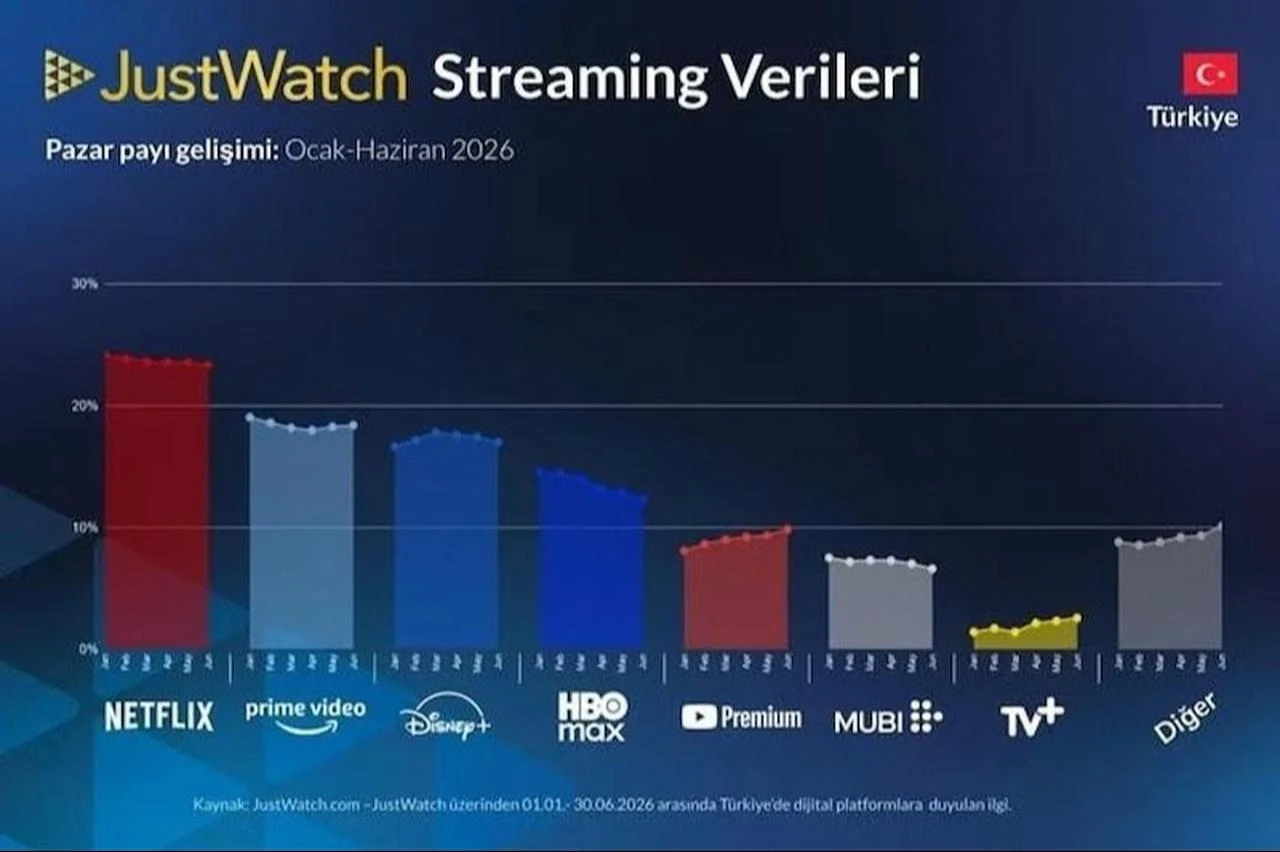
Netflix made it easier for Turkish series to cross borders, but international demand was shaping the industry long before streaming. Between 2020 and 2023, global demand for Turkish series increased by 184%.
Bober rejects the idea that Netflix commissions Turkish productions mainly for foreign viewers. “The primary objective of digital platforms is to attract local audiences,” he says; a pattern reflected in Netflix’s Türkiye rankings, where Turkish productions continue to appear among the most-watched titles.
For Bober, greater international pressure comes from television exports. Some series with weak domestic ratings can survive through overseas sales, which can also shape episode length.
“Apart from advertising revenue, another reason our series are so long is the desire to divide a single episode into three or four parts and sell them internationally,” he says.
The influence also reaches scripts and casting. “Concern over international sales is the factor that has had the greatest impact on our storytelling,” Bober says.
Streaming accelerated the journey abroad, but the pressure to make Turkish stories travel is older than Netflix.
For Aktas, the choice is not simply between Turkish and foreign productions. She prefers foreign animation, mystery and horror, but turns to Turkish drama.
“Turkish and foreign dramas are completely different. They each have their own seasoning,” she says.
Netflix, however, offers her a mix. “You still see Turkish faces, but with new stories and a different style. It’s a hybrid, and that’s what I like.”
Netflix may not have rewritten Turkish storytelling, but it has changed its rhythm and the way those stories travel.


 Set as preferred source
 Set as preferred source


 1 min read


 1 min read