Newsletters


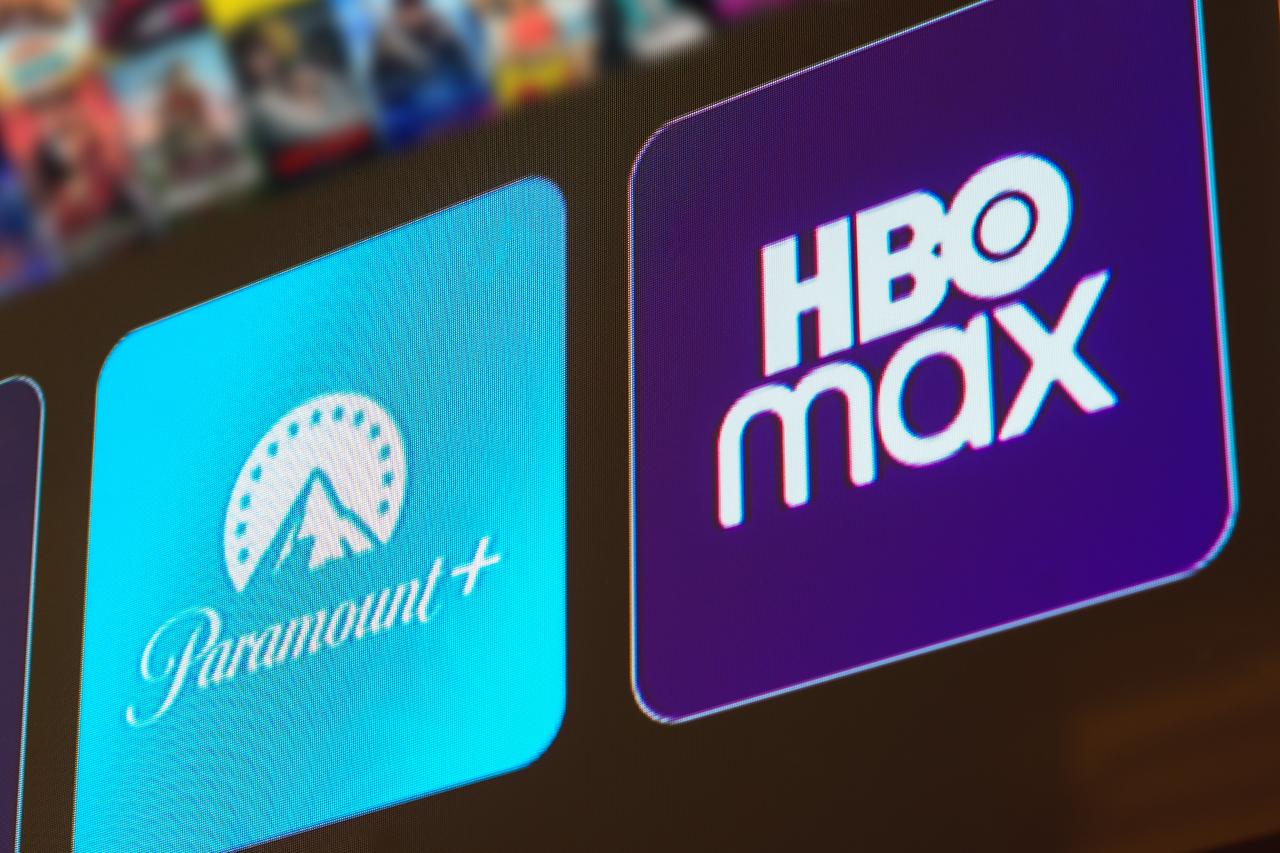


The $110 billion deal, priced at $31 per share in cash, is expected to close in the third quarter of 2026, pending regulatory approval and a shareholder vote at Warner Bros. Discovery in early spring.
During a call with industry analysts, Ellison confirmed that Paramount+ and HBO Max will merge into a single streaming service after the acquisition. He emphasized that “a name and pricing structure has yet to be determined,” highlighting the distinction between operational consolidation and maintaining brand identity.
What Ellison decided, publicly and repeatedly, is what HBO should not become: a sub-brand diluted inside a larger bundle. “HBO should stay HBO,” he told analysts, framing the network as a “leader” whose value comes from disciplined programming choices rather than sheer volume.
Ellison linked this strategy to leadership continuity, praising HBO and HBO Max content chief Casey Bloys. He stated that HBO will “operate with independence” to continue excelling in its core strengths.
Strategically, the pledge aims to address a familiar streaming tension: investors want larger subscriber bases and broader libraries, while prestige brands fear that “more” can quickly feel like “less.”
Ellison argued that the combined platform can achieve both goals. He cited a merged library of over 15,000 films and TV shows and stated that unifying the platforms would allow content to “reach even a broader audience.” He also projected that the combined direct-to-consumer services would reach approximately 200 million subscribers at closing, “roughly the size of Disney,” positioning the company for global streaming competition.
For audiences, the next indicators will be practical: how prominently HBO is featured within the combined service, whether its release strategy remains distinct, and how Paramount balances broad reach with HBO’s tradition of selectivity.


 Set as preferred source
 Set as preferred source



 2 min read