Newsletters


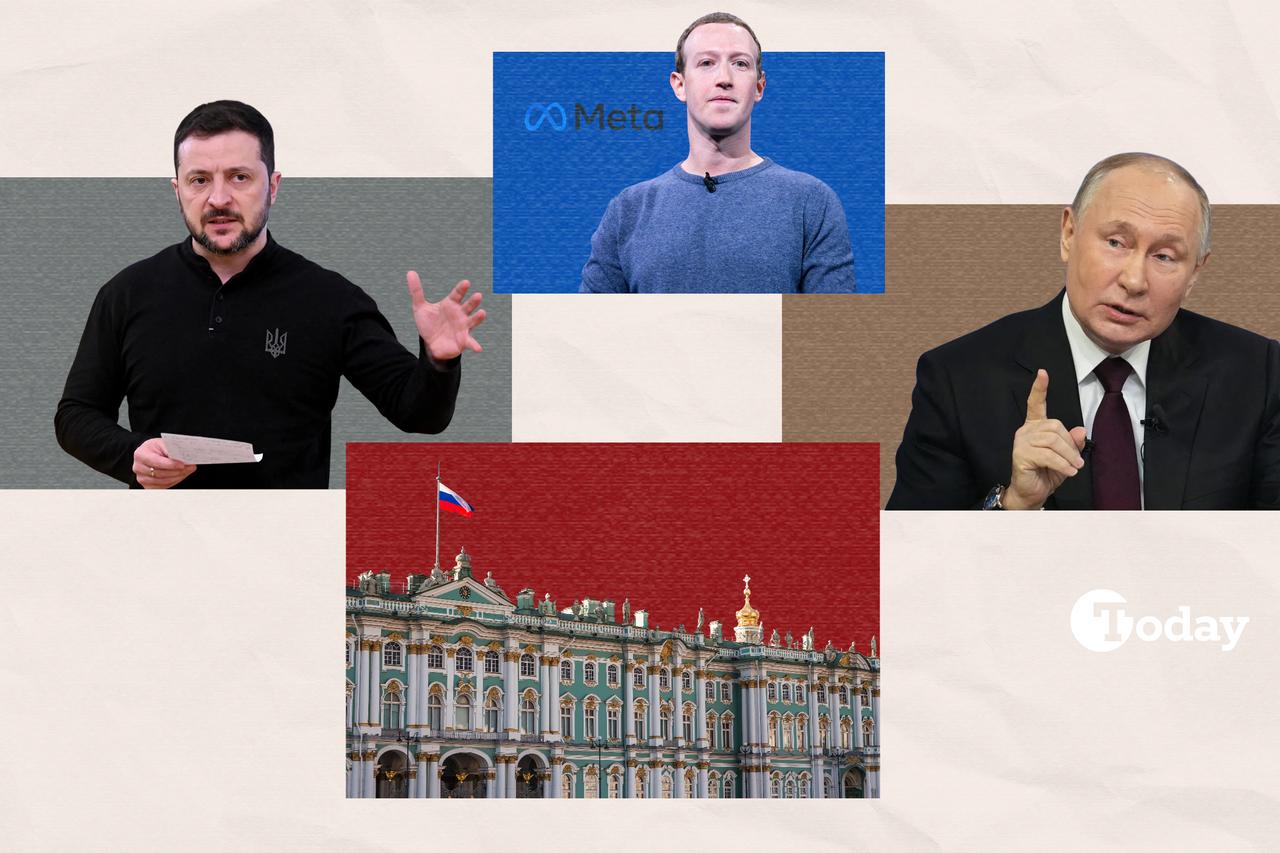


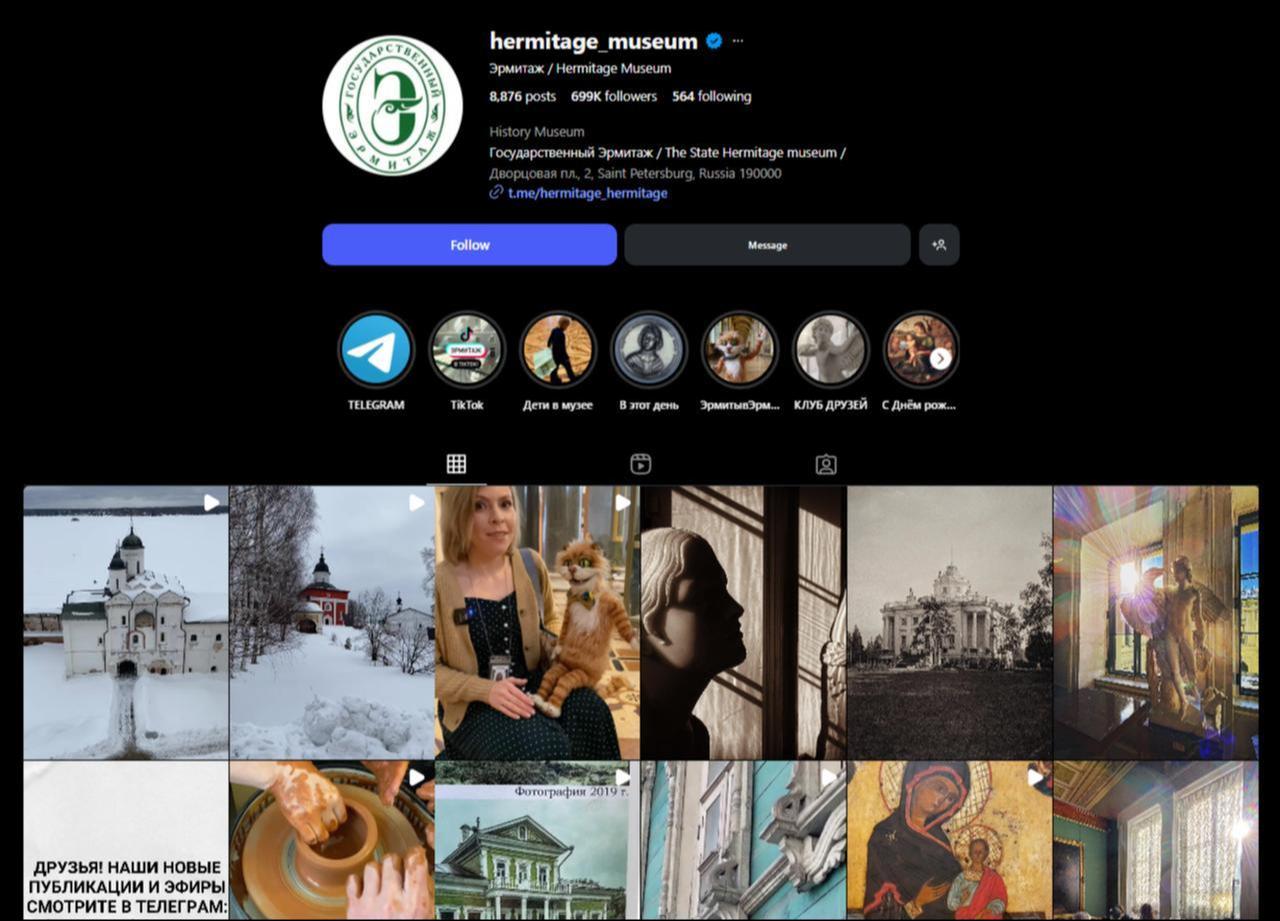
The State Hermitage Museum in Saint Petersburg, one of the world's largest and most influential art museums, has not shared a single new post on its Instagram account since March 12, 2022. For Turkish museologist Ridvan Golcuk, now director of Yasar Museum and former director of the Troy Museum, this long pause is more than a simple social media break. He sees it as the visible trace of a much deeper communication crisis brought on by wartime restrictions.
Golcuk noted that the last post on the account dates from just after Russia's war on Ukraine began and coincides with the period when Russia restricted access to Meta platforms, the company that owns Facebook and Instagram, and later labelled them “extremist organizations”. He said these political decisions have made it almost impossible for Russian institutions to use global social media channels in a normal way.

As a museum professional, Golcuk said he had followed both the Hermitage and its long-serving director, Mikhail Piotrovsky, very closely. During the pandemic, the Troy Museum team launched Instagram live broadcasts and looked to the Hermitages online programs as a model.
He recalled that the Saint Petersburg museum used to stand out with active digital communication and online events, and said it was striking to see such a pioneering institution fall completely silent on Instagram after 2022. In his view, the restrictions on Meta platforms in Russia have directly led to this silence.
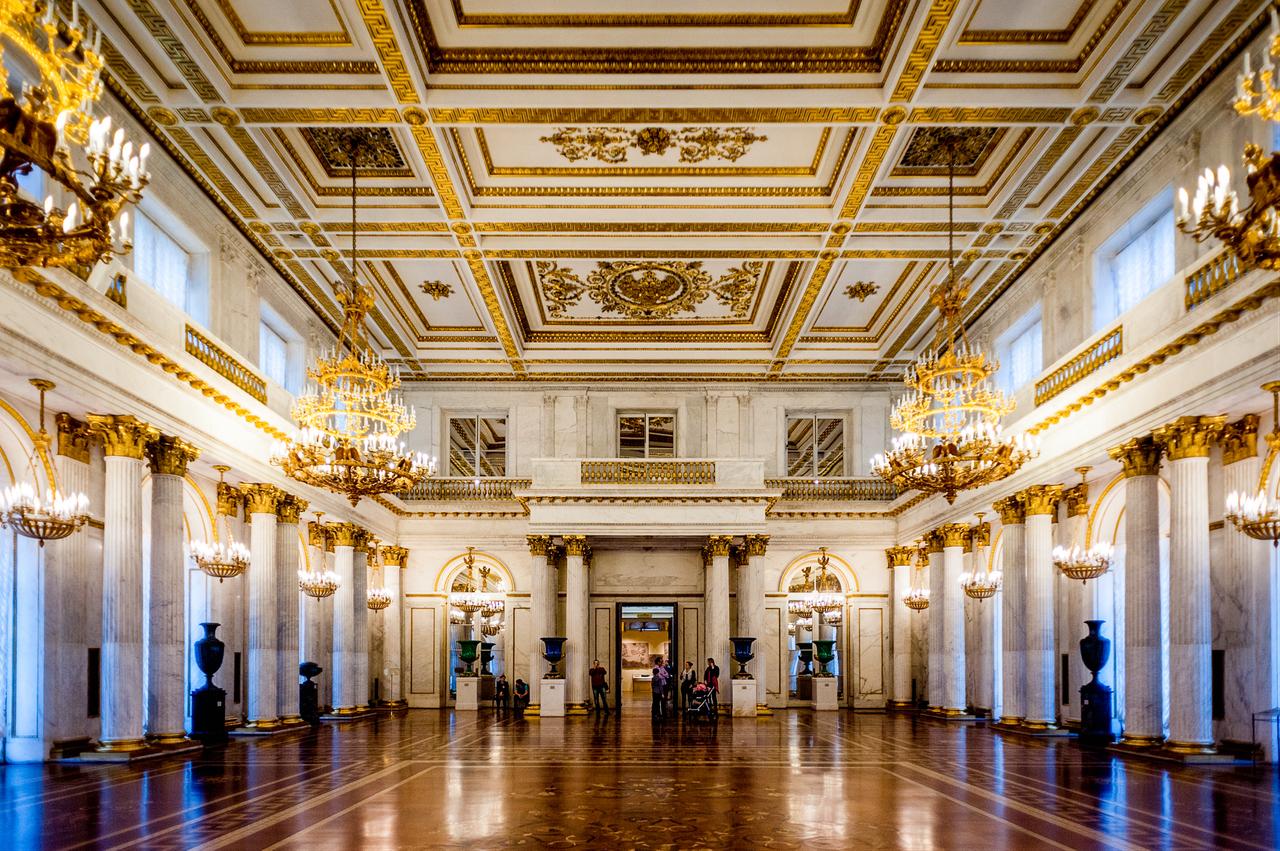
The Hermitage holds one of the largest art collections in the world. Founded in 1764 when Empress Catherine the Great bought a major group of European paintings from a Berlin merchant, the museum has grown into a complex of six historic buildings along the Palace Embankment, including the former imperial residence, the Winter Palace.
Its holdings now run to more than 3 million objects, ranging from Egyptian and classical antiquities and prehistoric artefacts from across the former Russian Empire to major works of the Italian Renaissance, Dutch Golden Age, French Impressionism and modern art. Only a small part of these collections is on permanent display.
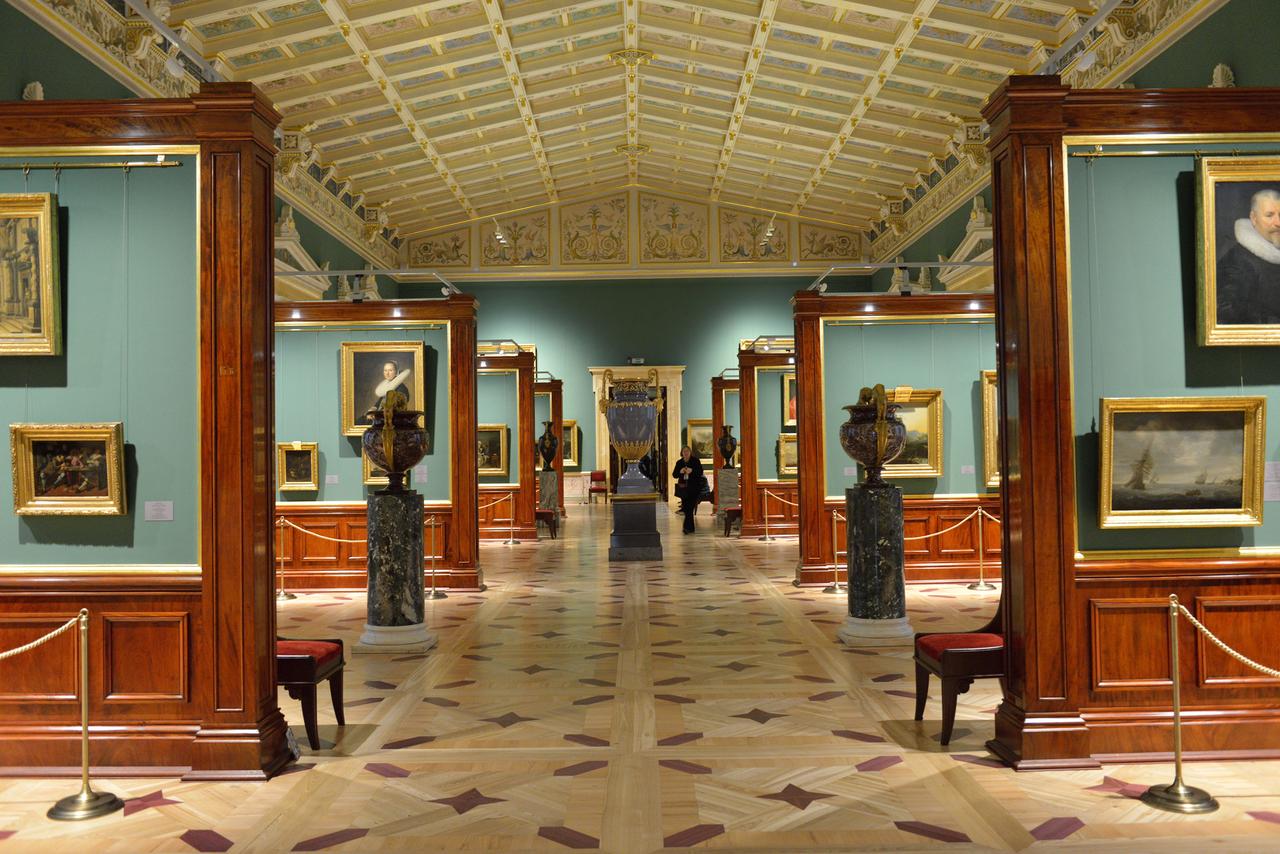
The museum has been open to the public since 1852 and continues to attract millions of visitors each year. The Art Newspaper ranked it 10th among the world's most visited art museums, with more than 2.8 million visitors in 2022. Since 1992, it has been led by director Mikhail Piotrovsky.
Golcuk underlined that, for a country like Russia, it is inevitable that such a major cultural institution would experience a serious communication problem when global platforms are restricted.

Golcuk stressed that museums and cultural institutions do not use digital platforms only for promotion. In his words, they also rely on them as bridges for international dialogue, education and cultural diplomacy.
He argued that the restrictions on Meta have cut the Hermitage off from direct contact with its millions of followers around the world and have made it harder for Russian culture to be represented in a transparent way to international audiences. He linked this situation to a wider fragility in global cultural exchange, saying that it showed how decisions taken for political reasons could seriously affect institutions that embody universal values.
According to Golcuk, the case of the Hermitage illustrates how quickly the power of art to cross borders can be weakened when communication channels are blocked.
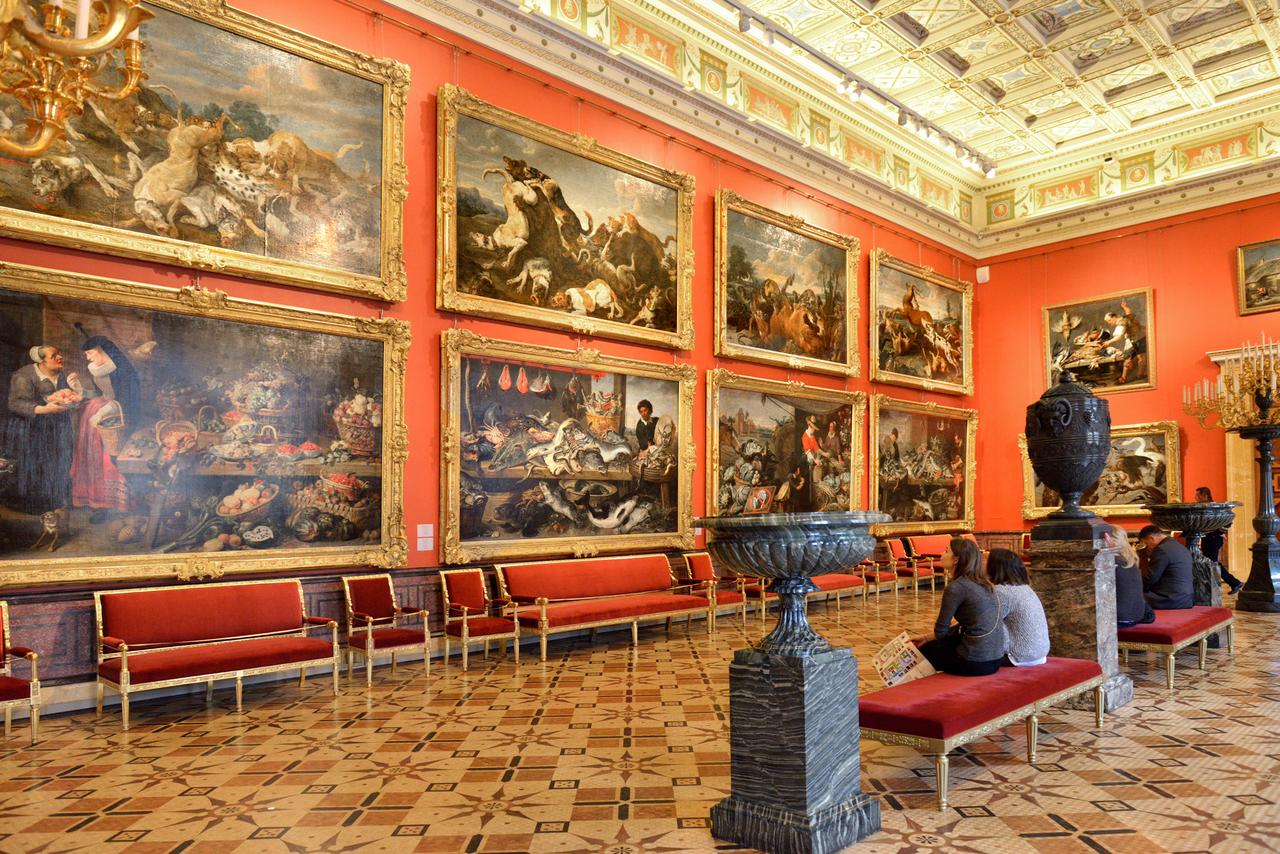
Golcuk described the protection and sharing of cultural heritage as a responsibility that should stand above politics. For that reason, he believes it is essential to keep the doors of international culture and art platforms open for dialogue, even in times of conflict.
He expressed the hope that the Hermitage, with its unique collections and complex history from the era of Catherine the Great to the present day, will continue to connect with the world despite the barriers now in place.
In his closing words, he said he hoped that “the universal language of art will one day overcome these digital walls” and that the story of the Hermitage would keep inspiring people around the globe.


 Set as preferred source
 Set as preferred source


 2 min read