Newsletters


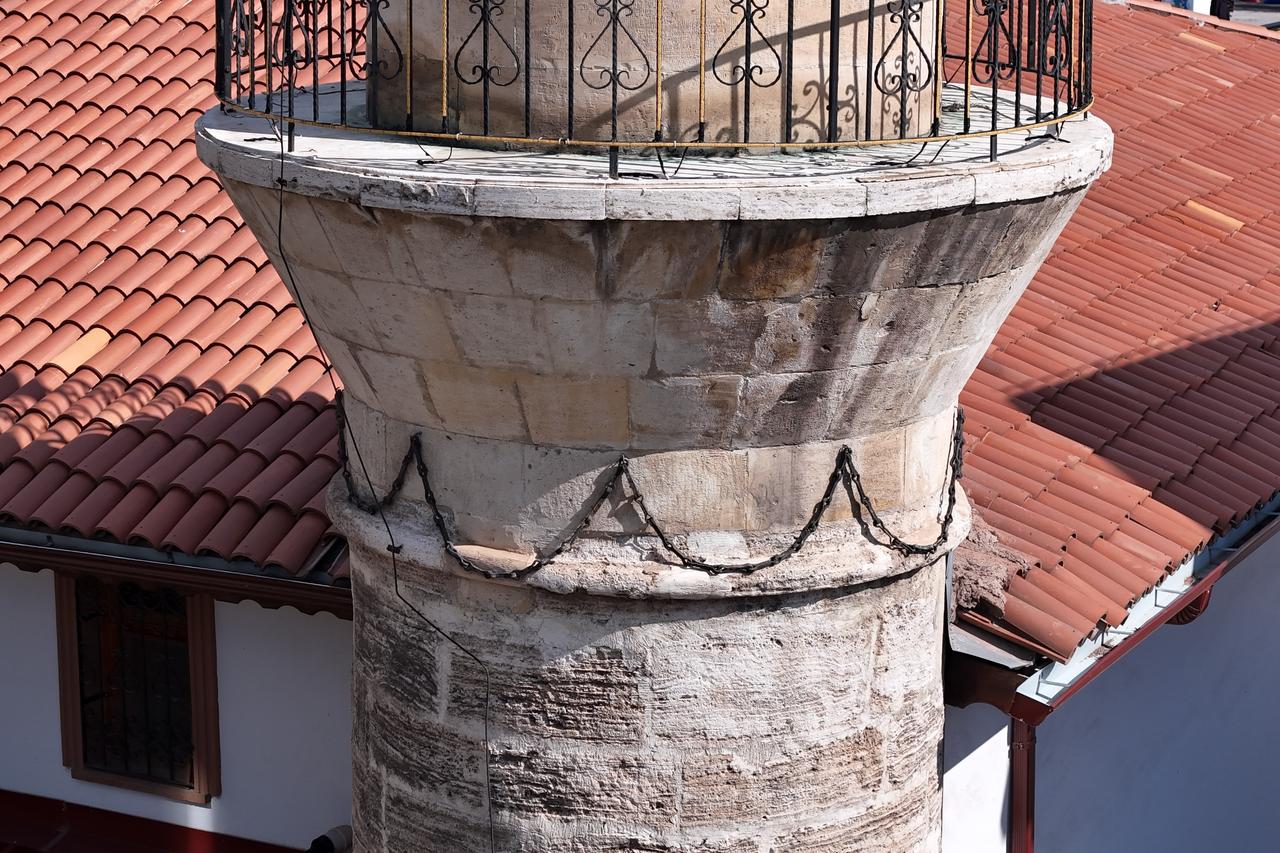


The historic Zincirli Minaret Mosque, dating back to the 18th century, continues to attract public and academic interest due to the iron chains hanging from its minaret.
The chains are widely regarded as symbols of solidarity and craftsmanship rooted in the Ahi tradition.
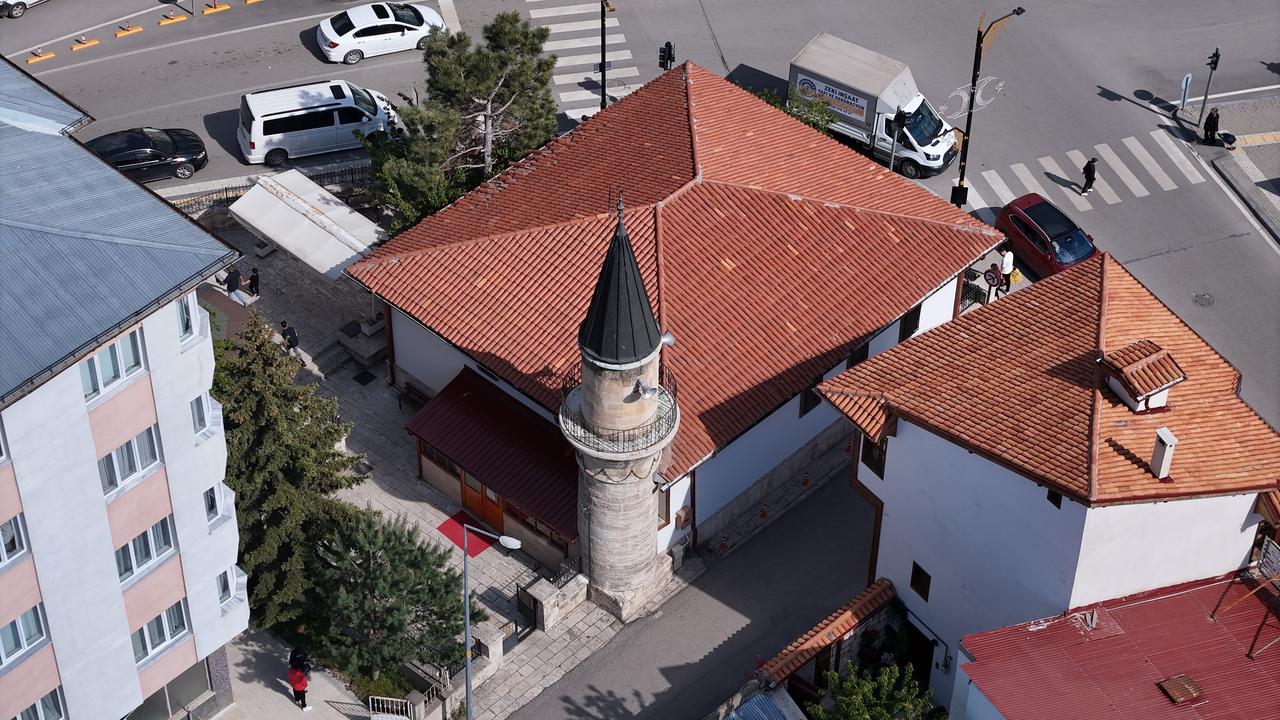
The mosque, believed to have been constructed in 1742 by Sheikh Haci Muhammed Sadi, is located in Sivas.
Built with a stone foundation and adobe walls, the structure reflects traditional Anatolian mosque architecture, featuring wooden columns and a wooden ceiling with a strong emphasis on simplicity rather than ornamentation.

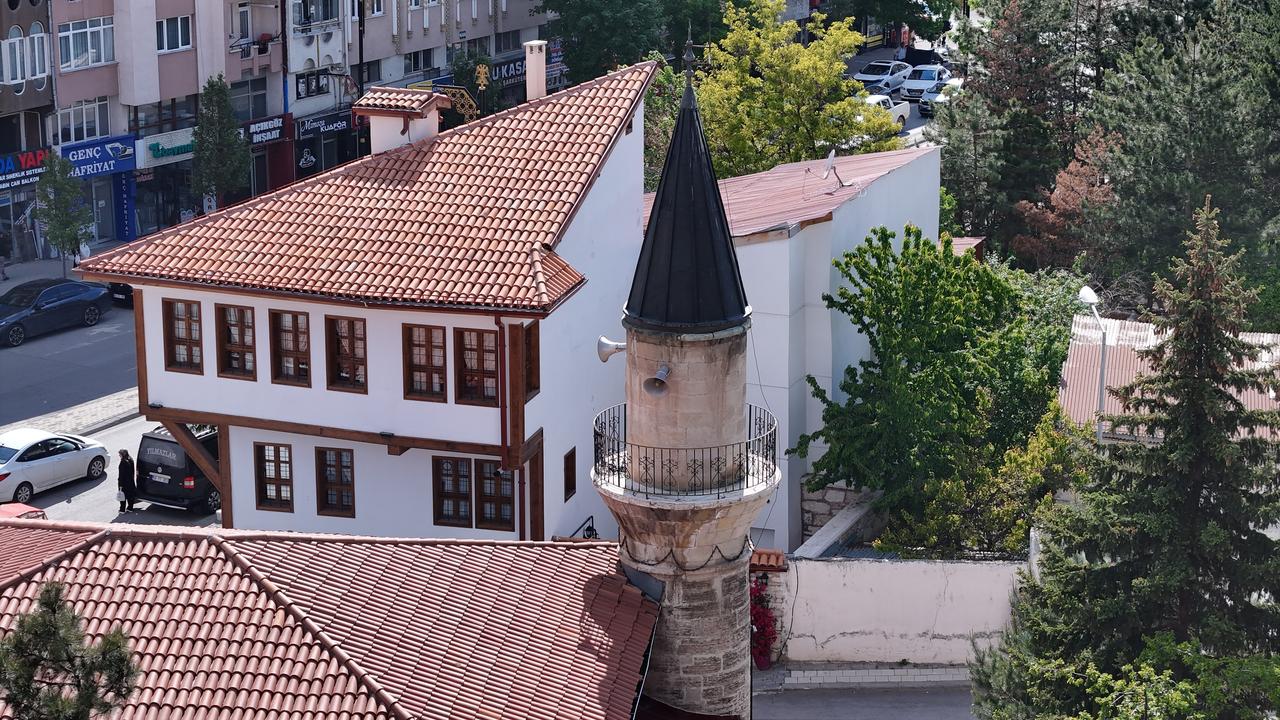
The most notable element of the mosque is the set of iron chains suspended from the stone minaret at its northwestern corner. According to local oral tradition, each link of the chain is said to have been forged by a different blacksmith.
While no archival document confirms this account, the narrative is supported by the historical presence of a strong blacksmithing culture in the surrounding district.
Experts interpret the chains as a symbolic representation of the Ahi guild system, a historically significant Anatolian institution based on cooperation, ethical conduct, and professional solidarity among artisans and tradesmen. The interconnected structure of the chain is viewed as a metaphor for collective strength and unity.
Art historians note that the mosque should be understood not only as a place of worship but also as a cultural heritage site reflecting the social and economic organization of its period. In this context, the iron chains are considered a tangible expression of brotherhood, labor, and communal values.


 Set as preferred source
 Set as preferred source


 1 min read
 1 min read