Newsletters




The exhibition “Meskhetian Turks: In the Footsteps of a Lost Exile” has opened at the Ataturk Cultural Center’s Art Gallery in Istanbul, bringing together history, culture and collective memory around one of the 20th century’s lesser-known forced migrations.
Organized in cooperation with Türkiye’s Foreign Ministry and the World Union of Meskhetian Turks (DATUB), the exhibition focuses on the exile of the Meskhetian Turks from their homeland in 1944 and the dispersal that followed across different countries.
The Meskhetian Turks, also known as Ahiska Turks, are a Turkic community historically linked to the Ahiska region. The exhibition aims to preserve their collective memory while raising international awareness of their forced displacement and its long-lasting effects.
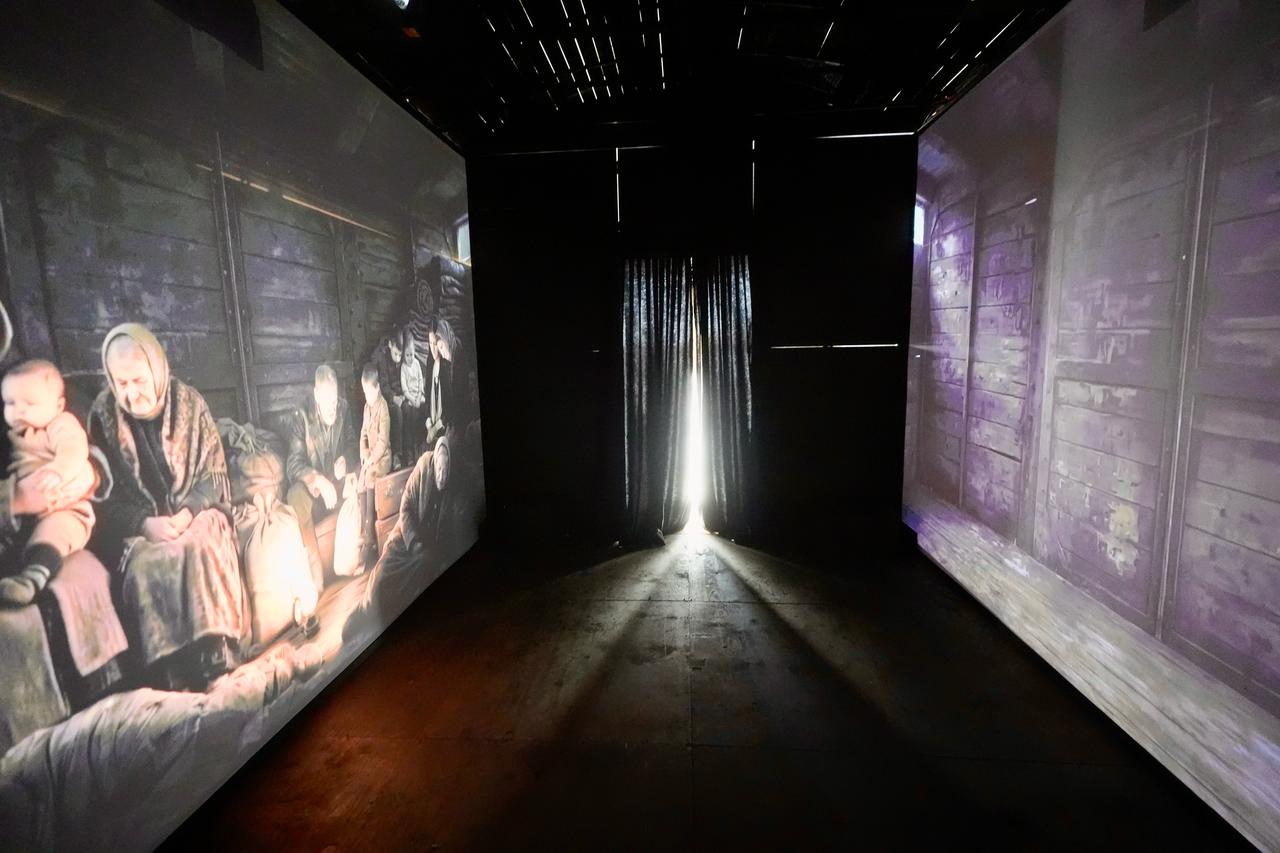

Curated by Beste Gursu, the exhibition uses digital art, sound, video and spatial design to present exile not only as a past event, but also as a field of memory that continues to reach into the present and the future.
Special music for the exhibition was composed by Fahir Atakoglu, whose symphonic work accompanies visitors throughout the experience.
Gursu said the project was shaped by extensive research and international cooperation. She noted that academics, historians and museums in countries including Russia, Uzbekistan, Kazakhstan and Georgia contributed to the preparation process.
She said the project makes visible the exile experienced in 1944 under Stalin by Ahiska Turks and other Turkic communities, adding that the aim is to keep this story from being forgotten.
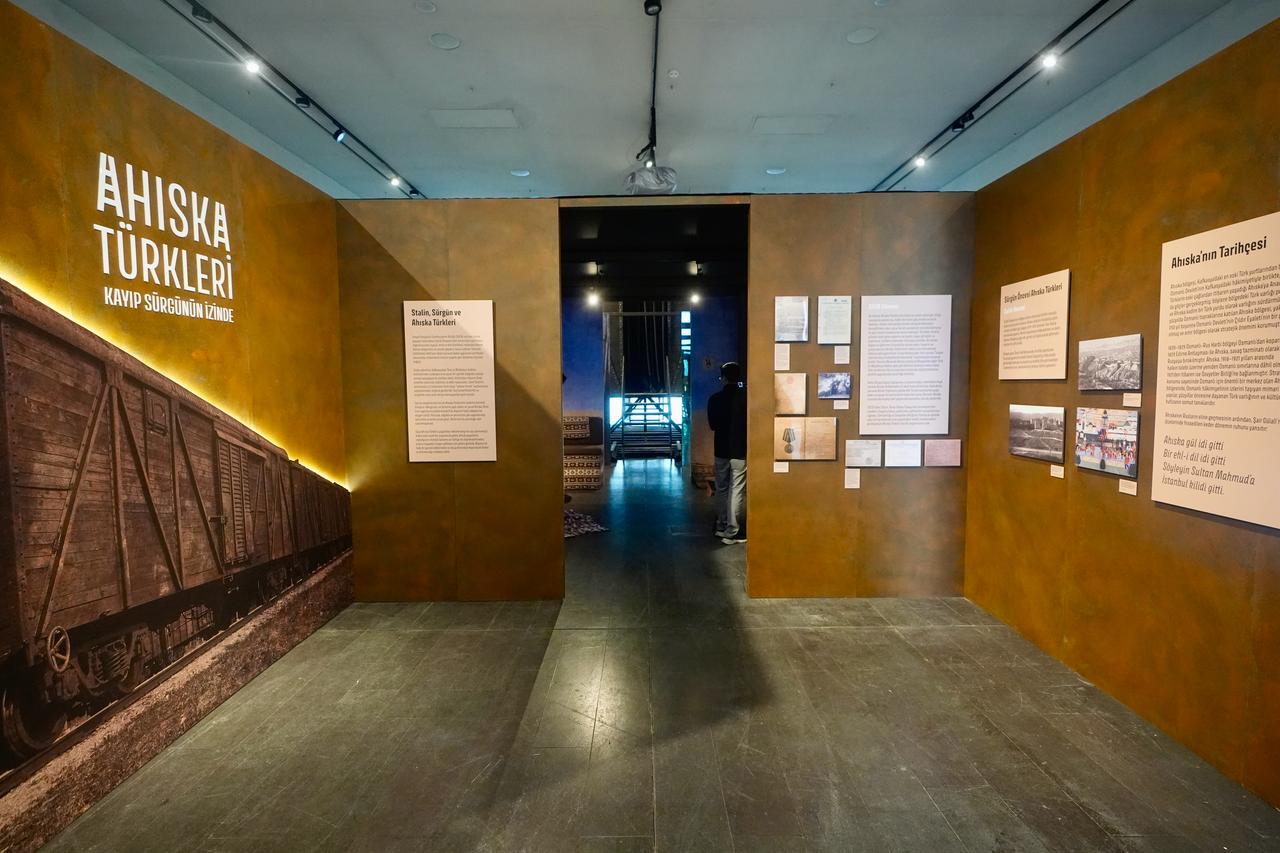
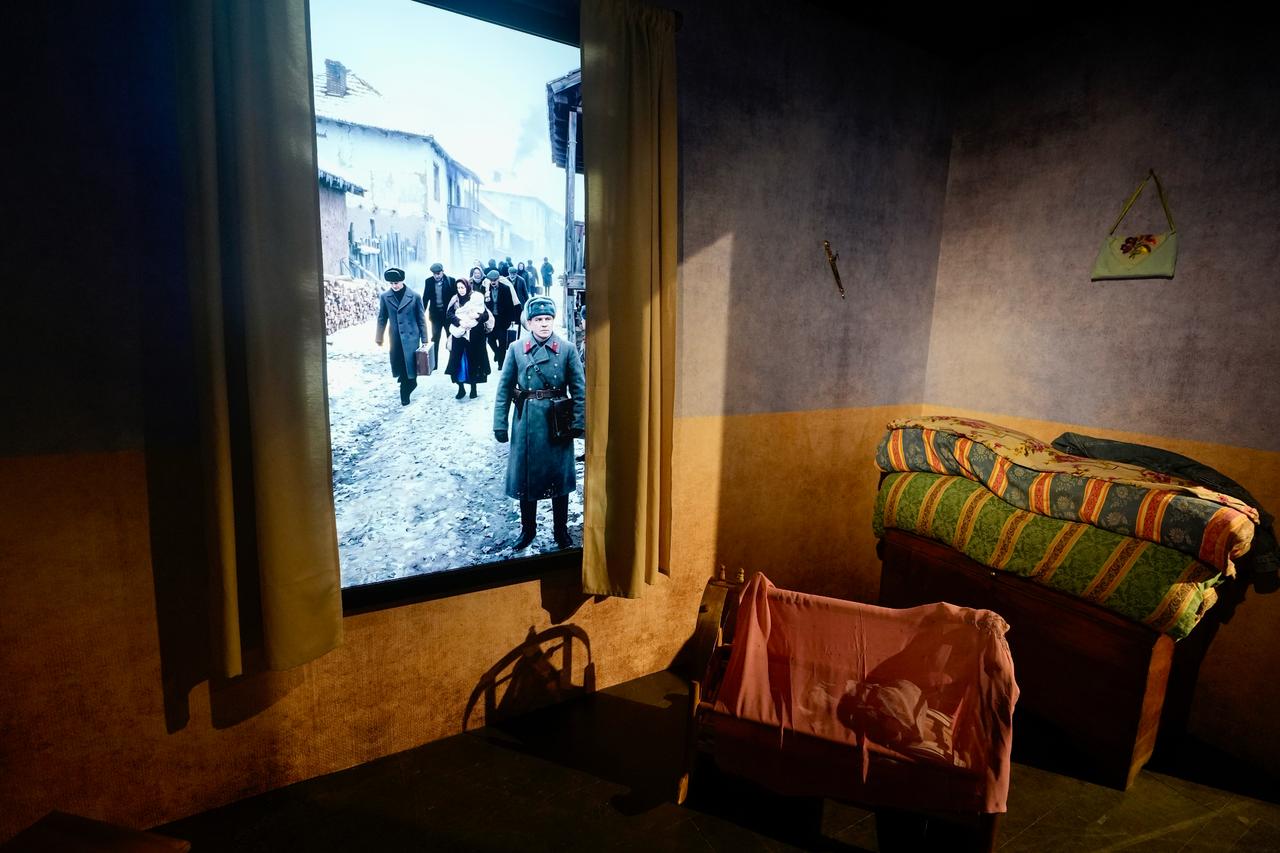
The exhibition is built around seven sections. The opening section introduces the historical and political background of Ahiska, while the second recreates the morning of Nov. 14, when soldiers knocked on the doors of Ahiska homes and told families: “You have two hours, gather your belongings.”
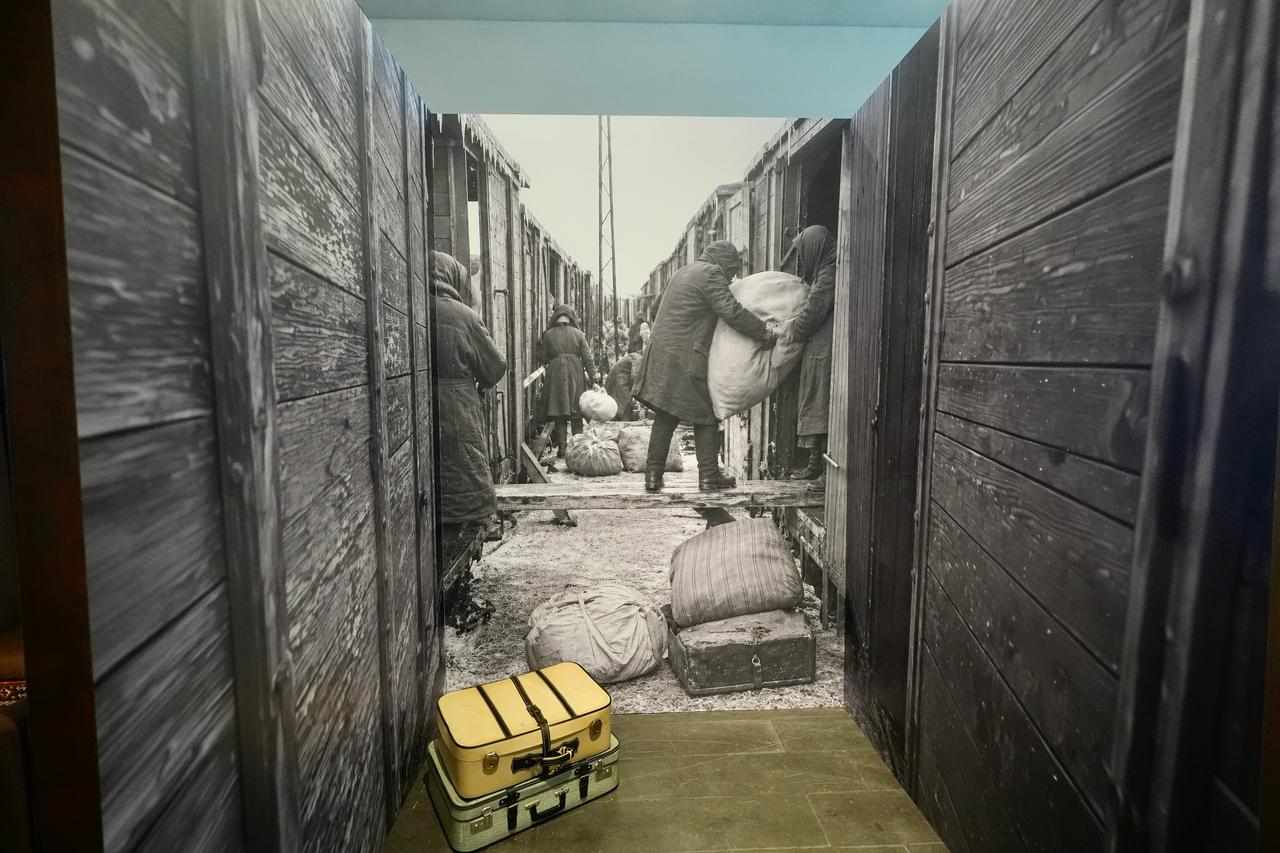
The following sections take visitors through the journey to the train station, the uncertainty of boarding trains without knowing the destination, and the traumatic experiences inside the wagons. These scenes are presented through digitally produced film scenarios and immersive visual design.
The exhibition also includes photographic archives showing life before and after the deportation.
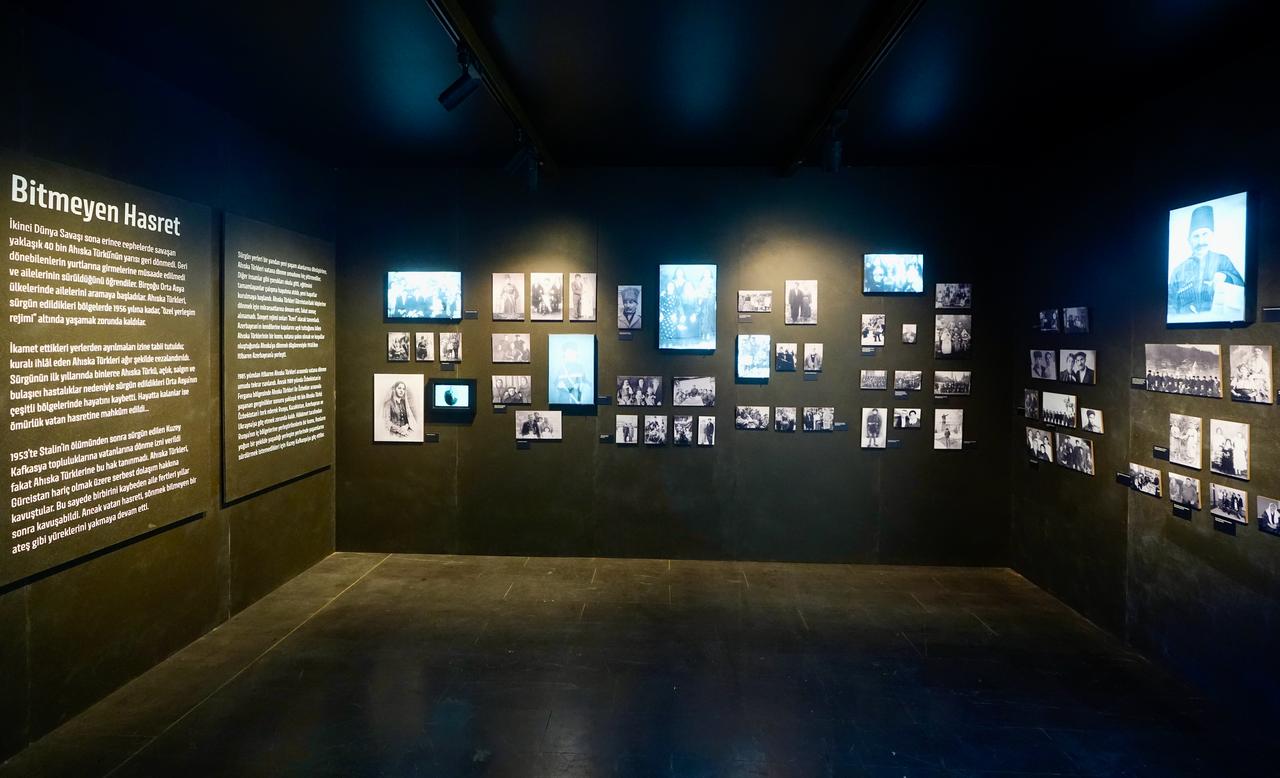
At the end of the exhibition, visitors encounter a current map showing where Meskhetian Turks live today, along with films and documents about their population, living conditions and communities across different countries.
The final installation features a willow tree, chosen because it grows in Ahiska and carries symbolic meaning. Gursu said the tree reflects the idea that exile also means taking root and growing again.
She said the story recalls many memories and speaks to many forms of displacement, adding: “Today, exile still exists and is experienced all over the world.”
The exhibition has been prepared in Turkish, English, Russian, Kazakh, Georgian and Azerbaijani.
According to Gursu, Türkiye’s Foreign Ministry and DATUB want the project to reach international platforms, especially countries where Meskhetian Turks live. Preliminary work has already begun to present the exhibition abroad by the end of 2026.
The exhibition also highlights Türkiye’s efforts to protect the identity, culture and rights of Meskhetian Turks, support their return process to their homeland, and help ensure safe living conditions in the regions where they currently reside.
“Meskhetian Turks: In the Footsteps of a Lost Exile” can be visited at AKM Art Gallery until June 27.


 Set as preferred source
 Set as preferred source


 3 min read