Newsletters


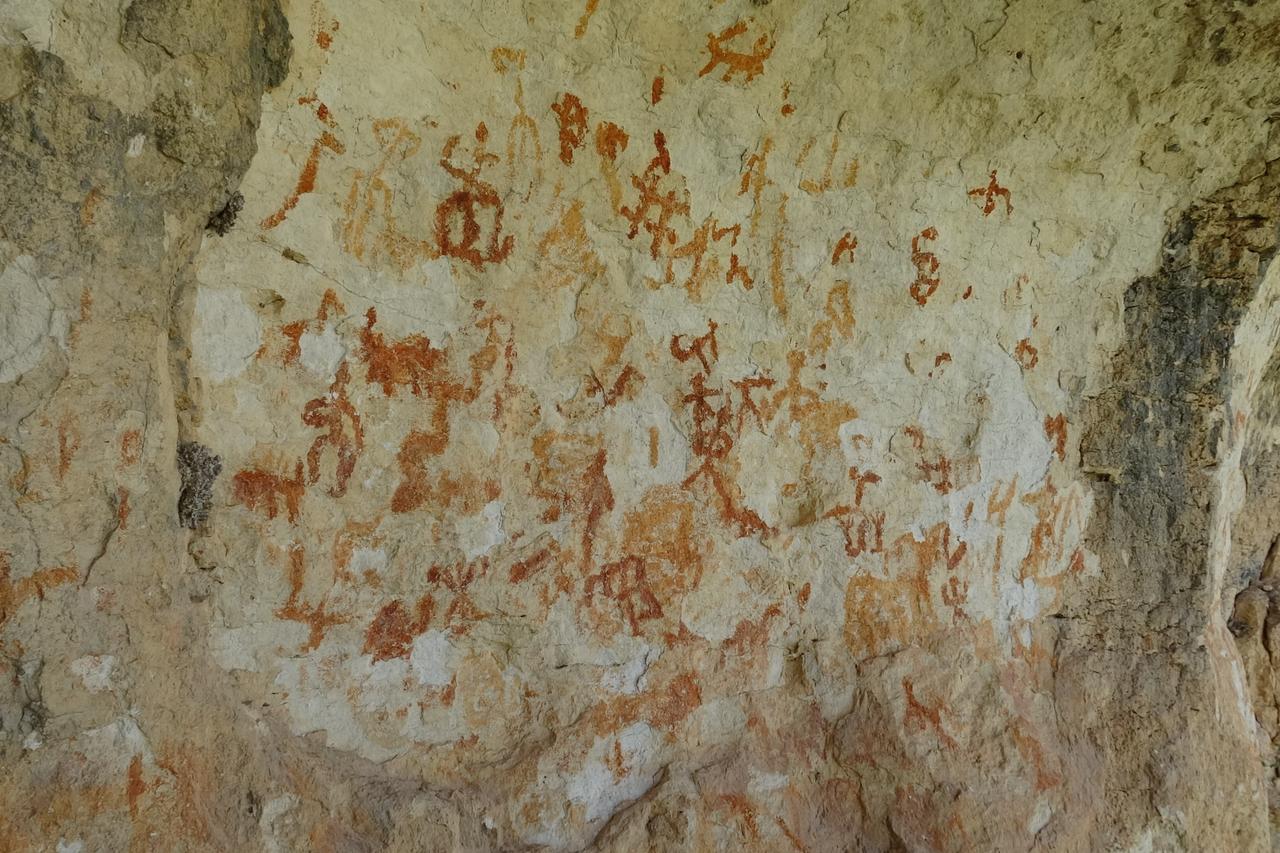


A prehistoric cave discovered in Malatya's Tohma Canyon may be one of the oldest and richest painted caves in Anatolia, according to initial assessments by researchers.
The cave was identified during fieldwork conducted in the Tohma Canyon area by an interdisciplinary team led by Levent Iskenderoglu of Inonu University's Faculty of Fine Arts and Design. The team includes academics from Inonu University, Istanbul University and Firat University.
Early examinations have revealed nearly 100 human and animal figures, along with many geometric symbols, on the cave walls. The figures, created in red and reddish-brown tones, are considered significant because of their schematic and symbolic visual language.
Iskenderoglu said the images could shed light on early forms of human thought, memory and meaning-making, noting that the drawings do not simply show isolated figures but bring together humans, animals and symbols in meaningful visual relationships.
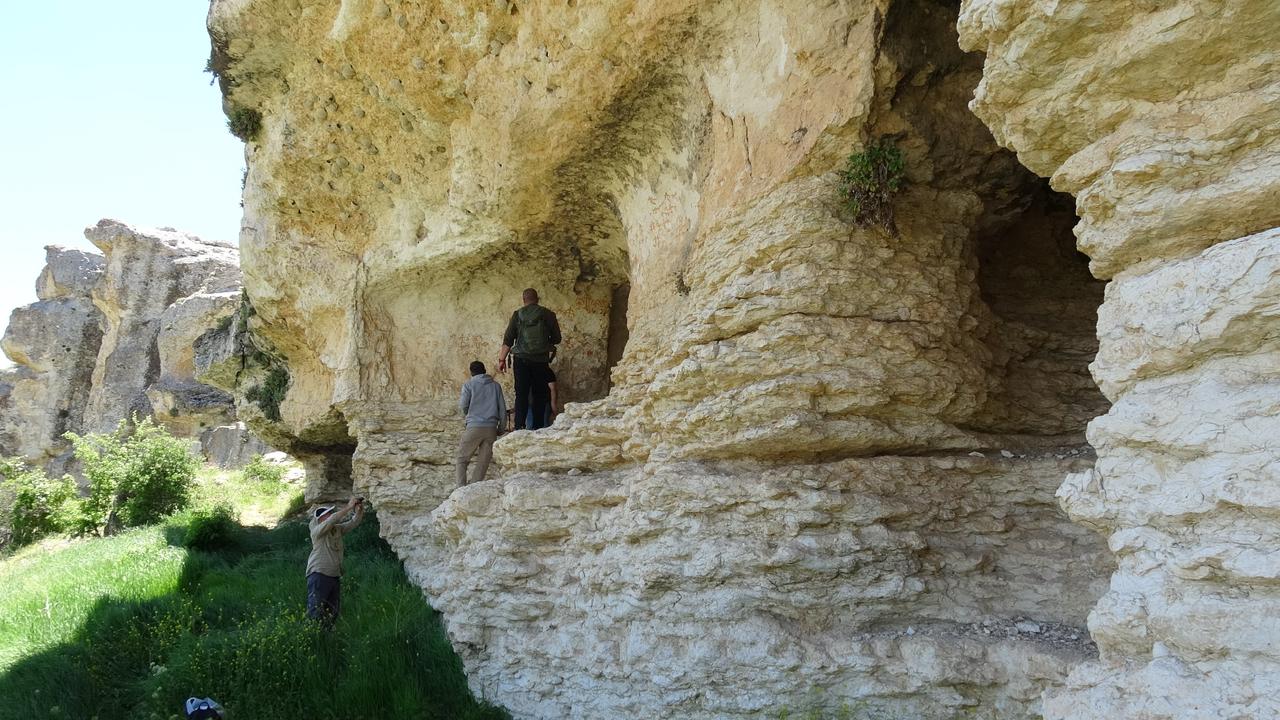

Unlike the more naturalistic cave paintings known from Europe, the figures in the Malatya cave appear to have a more schematic character. According to Iskenderoglu, the lines were used not only to create shapes but also to express thought and memory.
The cave may be dated, with caution, to the Neolithic Period, a prehistoric era associated with the transition to settled life and early farming communities. However, Iskenderoglu also said the wider region carries traces of human life going back to the Paleolithic Age, the much earlier period of hunter-gatherer communities.
Some figures appear to have been drawn over earlier images, while intersecting lines and stylistic differences suggest that the cave may have been used repeatedly over a long period, possibly for many years or even thousands of years.
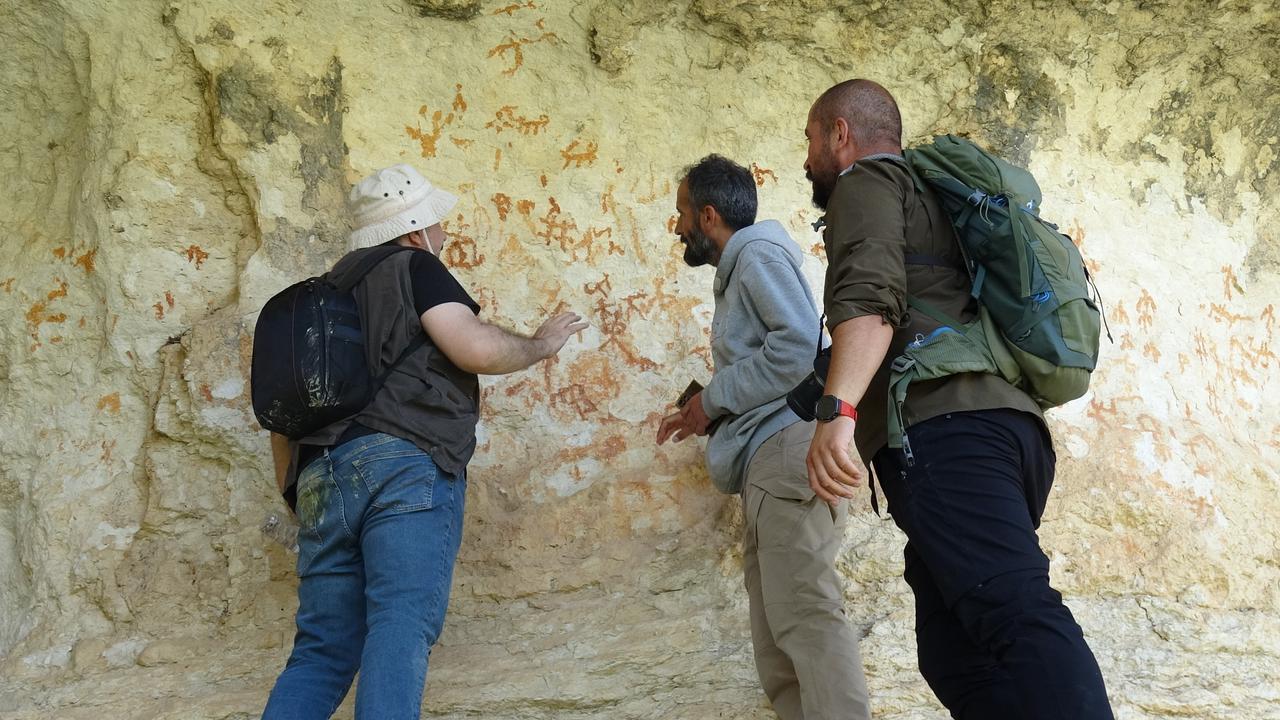
Iskenderoglu said the different visual layers on the cave walls suggest that the site was not a static place used once and then abandoned. Instead, it may have been revisited and reinterpreted in different periods.
The cave is being compared with major examples of painted caves and rock art in Anatolia, including Beldibi in Antalya, Latmos on the Aydin-Mugla border and Dogu Sandal Cave in Mersin. Iskenderoglu said the density of figures, variety of subjects and symbolic content make the newly found cave one of the richest painted caves in Anatolia.
He added that the discovery is important not only for Anatolia and Türkiye but also for world cultural heritage.
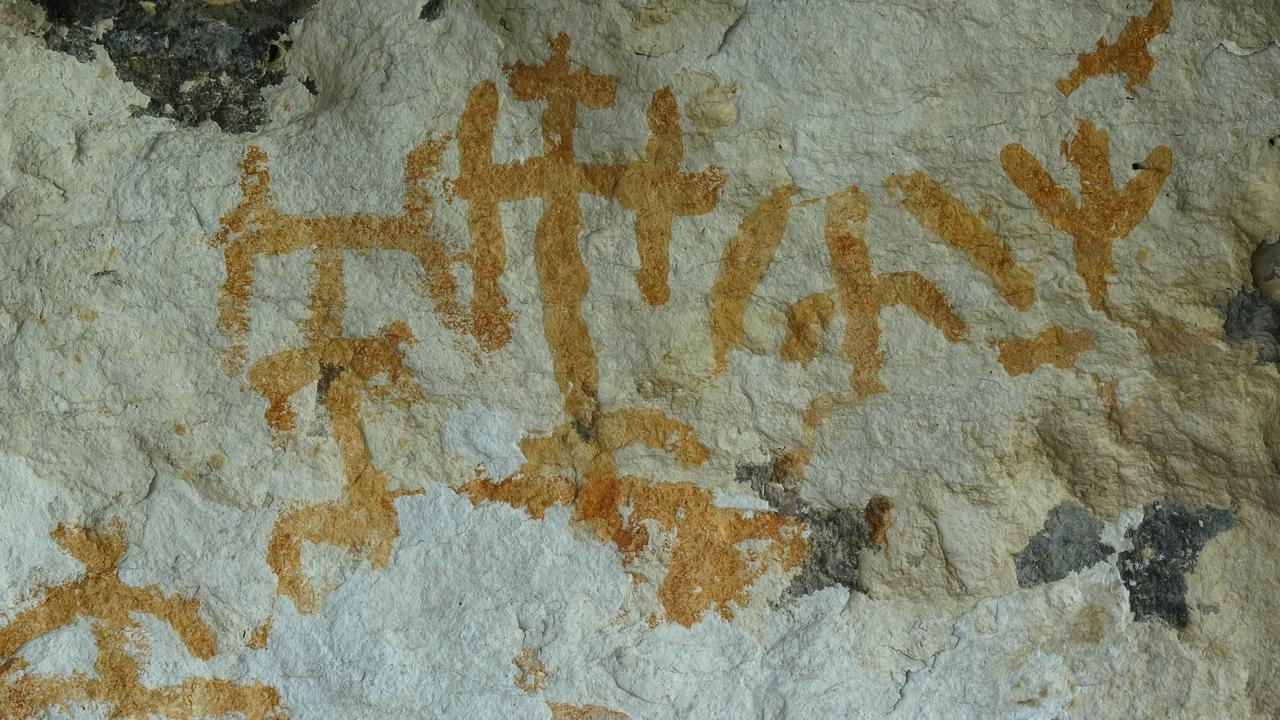
Researchers will carry out further surface studies and laboratory analyses before making a definitive dating of the cave. The team plans to document the painted surfaces in detail, classify the figures, create inventory records and examine pigment samples to better understand the cave's chronology and painting techniques.
Initial assessment reports will also be submitted to the relevant conservation board.
Iskenderoglu said the team had observed traces of recent damage inside the cave and warned treasure hunters against harming the site.


 Set as preferred source
 Set as preferred source


 3 min read