Newsletters


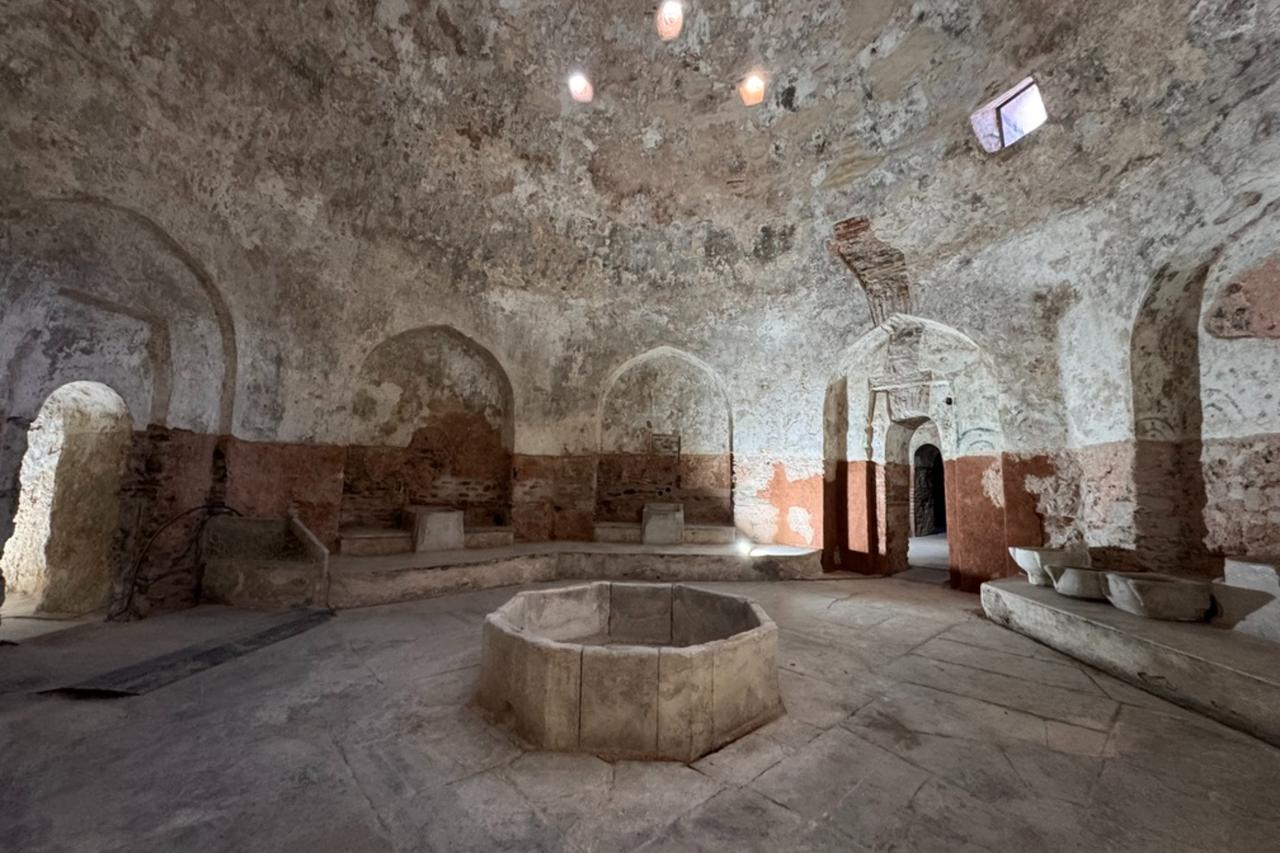


One of Thessaloniki's most important surviving Ottoman-era monuments, the historic Bey Hamam, has reopened to the public after extensive restoration work that reclaimed the centuries-old structure for cultural use.".
The complex, considered a symbol of the city’s Ottoman past, rejoins its cultural life following a €1.5 million restoration funded by the Greek Ministry of Culture.
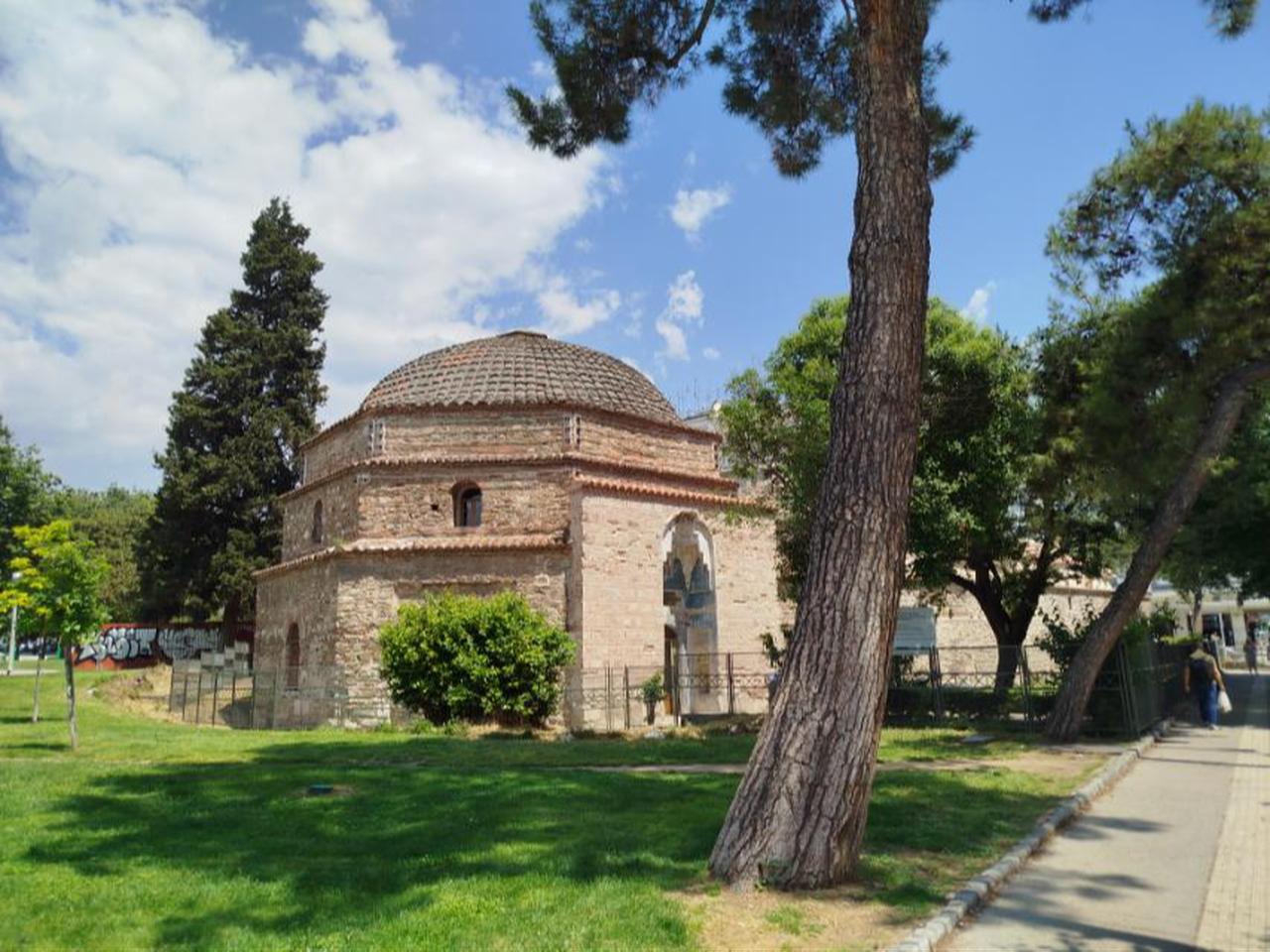

Constructed in 1444 by Ottoman Sultan Murad II shortly after the Ottoman conquest of Thessaloniki in 1430, Bey Hamam, also known as the “Paradise Baths,” is regarded as the first major public building erected in the city during the Ottoman period. For more than five centuries, it remained a central part of the urban social and commercial life.
The bathhouse continued its original function until 1968, when it ceased operations. It was later repurposed for exhibitions and cultural events and came under state ownership in 1972. Since then, the monument has been used intermittently as a cultural venue.
The reopening ceremony was attended by officials from both Greece and Türkiye, including Türkiye’s Consul General in Thessaloniki, Serkan Gedik.
The recent restoration project focused on preserving the building’s architectural integrity while enhancing its accessibility for public use. Conservation works were carried out on structural elements and interior features, ensuring the long-term stability of the monument.
Following the completion of the works, the site has been fully reopened and is now accessible to visitors.
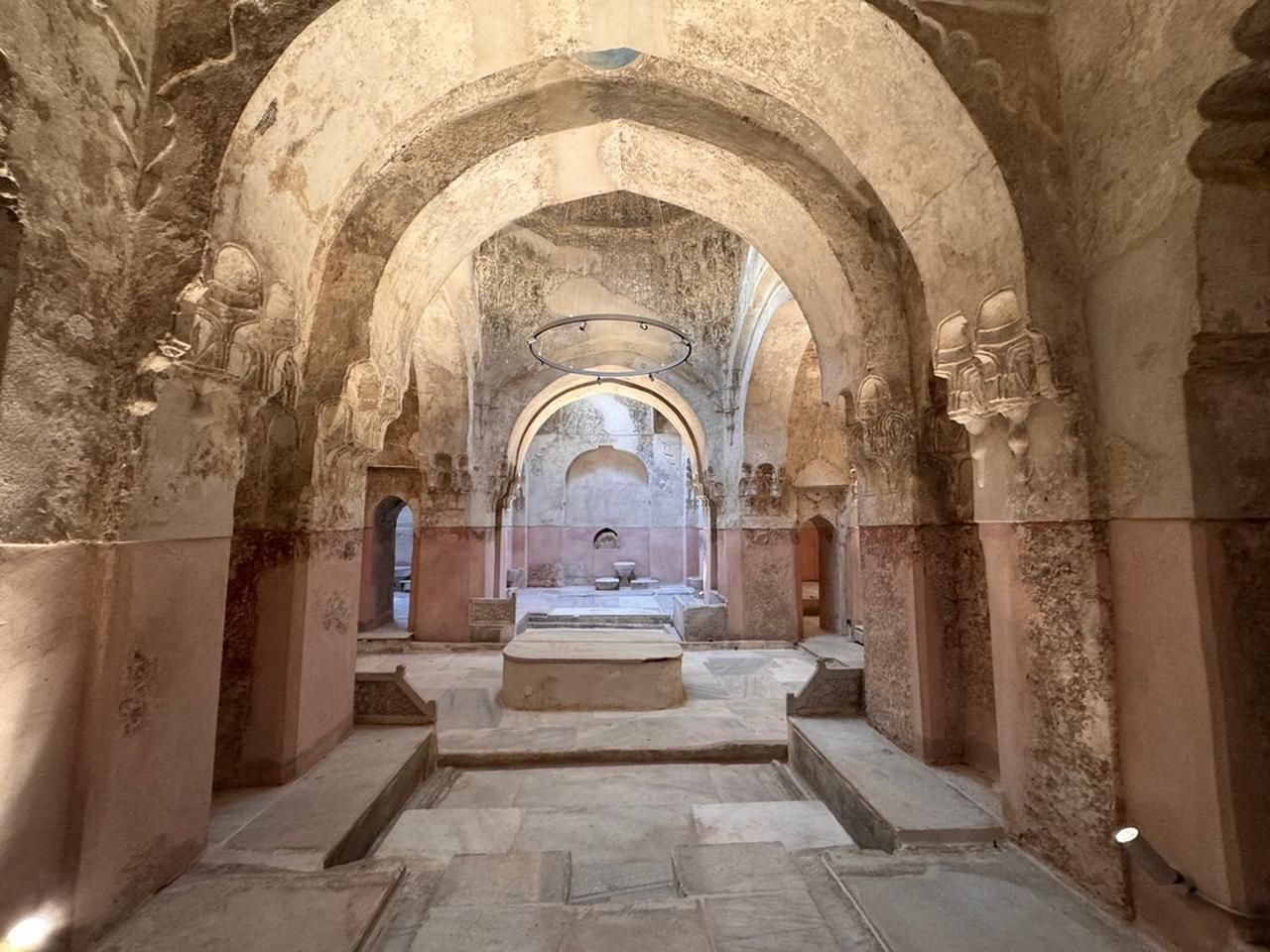
The restored Bey Hamam is expected to function as a dynamic cultural venue, hosting exhibitions, educational programs and artistic activities.
Speaking at the reopening ceremony, Greek Culture Minister Lina Mendoni highlighted the importance of integrating the city’s Byzantine, Ottoman, and modern heritage into a unified cultural narrative.
She noted that the ministry’s broader strategy aims to ensure that restored monuments are not only preserved but also reactivated as “living spaces of culture, knowledge and creativity.”


 Set as preferred source
 Set as preferred source


 1 min read
 1 min read