Newsletters


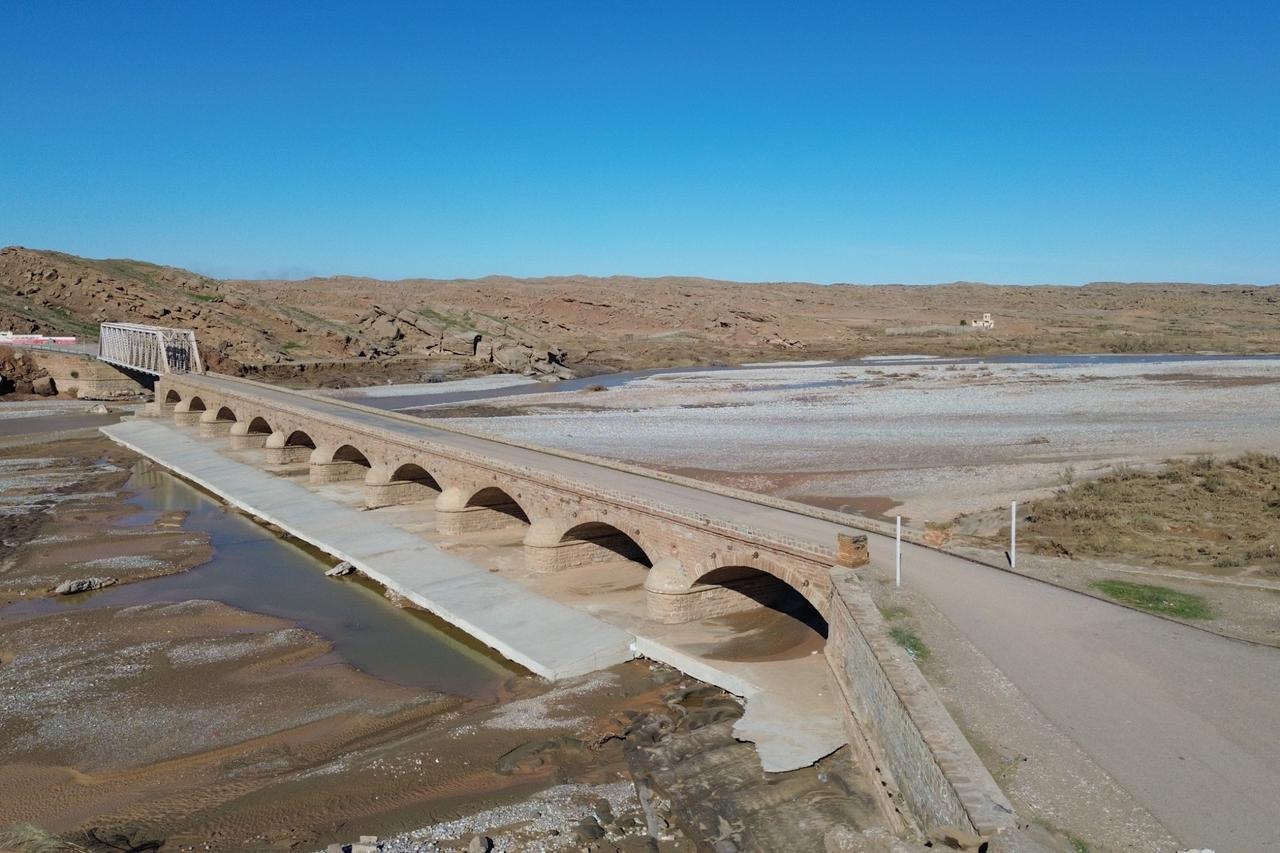


The historic Ottoman Bridge located in the Dakuk district of Iraq’s Kirkuk province has continued to stand strong despite recent floods that damaged several nearby structures, reaffirming its architectural strength and historical significance.
Constructed over the Dakuk River, the bridge historically served as a key passageway for trade caravans traveling between northern and southern Iraq.
Once commonly referred to as the “bridge connecting Kirkuk to Baghdad,” the structure remains in active use approximately 142 years after its completion.
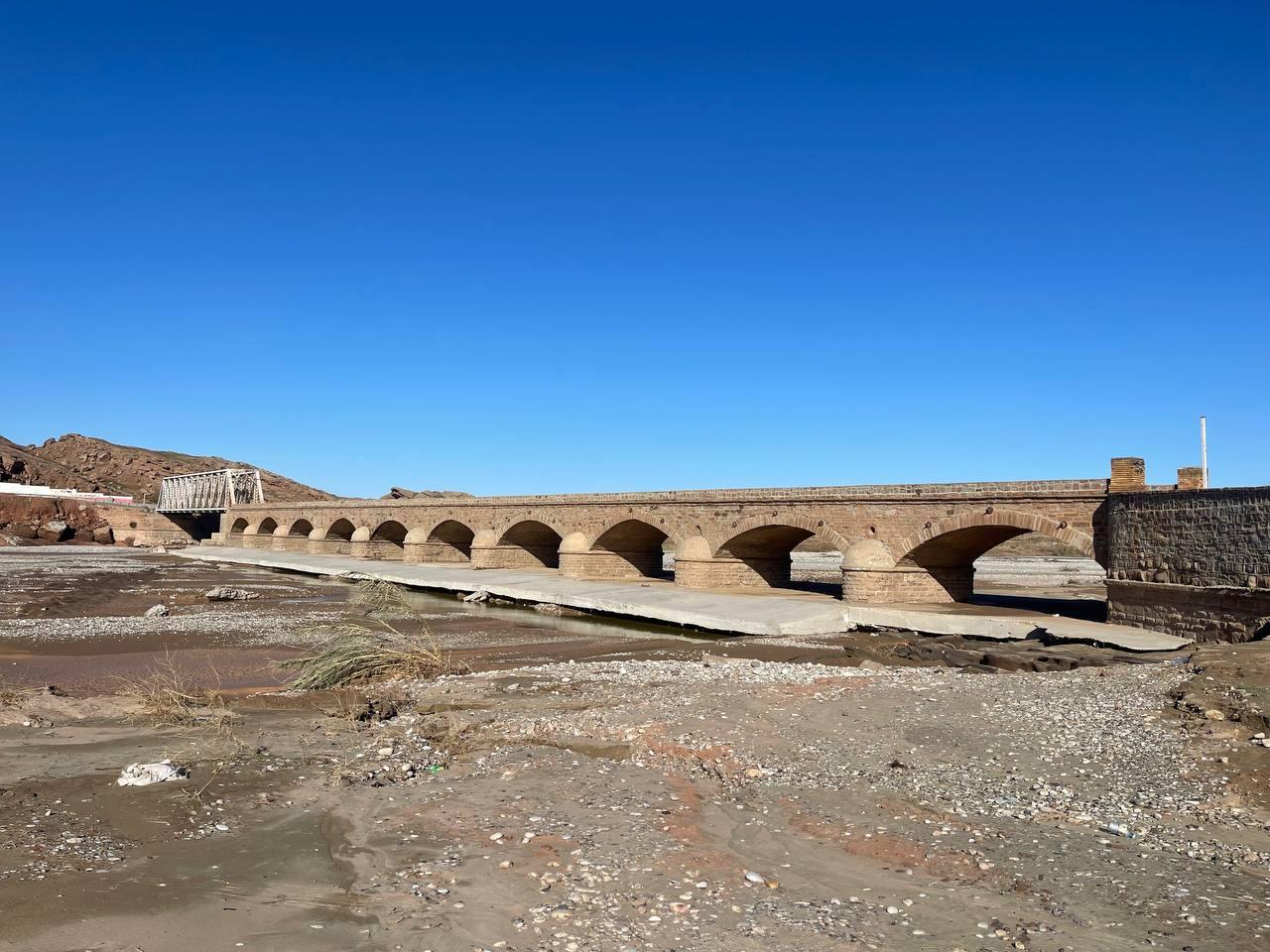

Kirkuk Antiquities Director Rait Ugle stated that the heavy rainfall and flooding experienced in Iraq since December once again demonstrated the durability of the bridge’s construction.
He noted that while several modern buildings in the region sustained damage or collapsed, the bridge remained unaffected.
Ugle added that both the central government and local administration intend to increase preservation efforts for the structure and work toward enhancing its role in cultural tourism, emphasizing its “strength, aesthetic character, and historic value.”
Kirkuk-based researcher and writer Nejat Kevseroglu described the bridge as one of the notable architectural works built by the Ottoman Empire in Iraq, reflecting the solidity and craftsmanship of Ottoman-era infrastructure.
According to historical records, the bridge’s foundation was laid in the early 1870s under the administration of Baghdad Governor Mithat Pasha, and construction was completed in 1883.
Kevseroglu noted that the stones used in the bridge were subjected to a heating process to increase their durability, contributing to its long-lasting structural resilience.
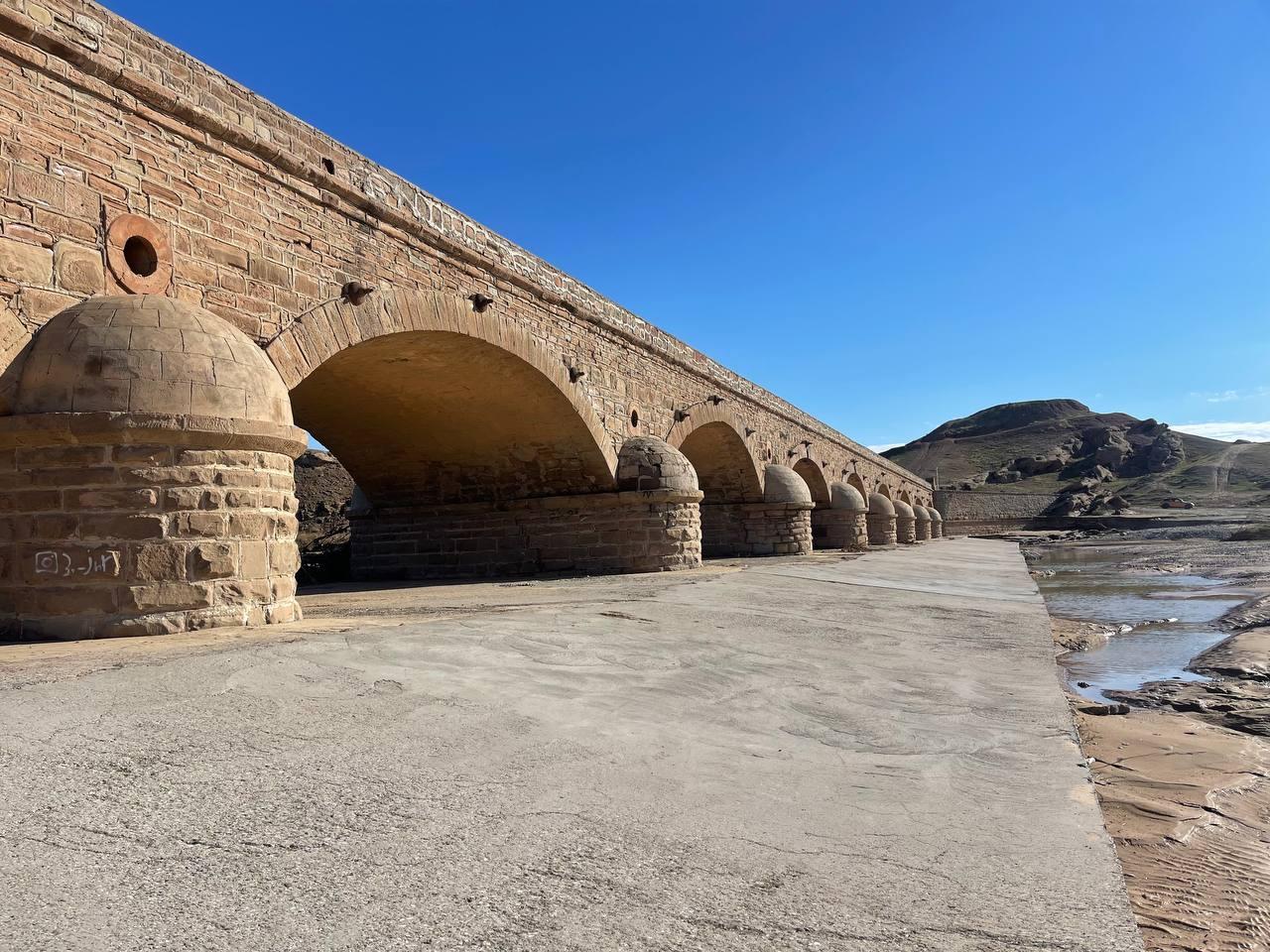
The bridge was designed by architects from Istanbul and constructed with the participation of prominent builders of the period, along with local residents from Kirkuk.
Kevseroglu highlighted several symbolic design elements incorporated into the structure:


 Set as preferred source
 Set as preferred source



 3 min read