Sign in
 Newsletters




My parents instilled in me the idea of giving from an early age. Every Christmas at my primary school in Sydney, Australia, we were asked to bring two food items from our home pantry for those doing it tough. In my 20s, when the local city council erected an enormous Christmas tree in the city center every December and asked people to bring presents wrapped in festive, colorful paper, I was one of them.
I never met the families that ate the food we donated or the little girls who opened the presents I carefully chose. I was just happy to help. Now, when you give something, you get a reward, a badge, a wristband or your name and the amount donated prominently displayed. Or even a photo with the uncomfortable recipient of your largesse. It seems the giver has become more important than the deed.
In contrast, Islamic tradition dictates that the donor and recipient remain anonymous to one another and much of the work of giving, collecting and dispensing donations is carried out by private individuals, neighborhood mosques and local authorities.
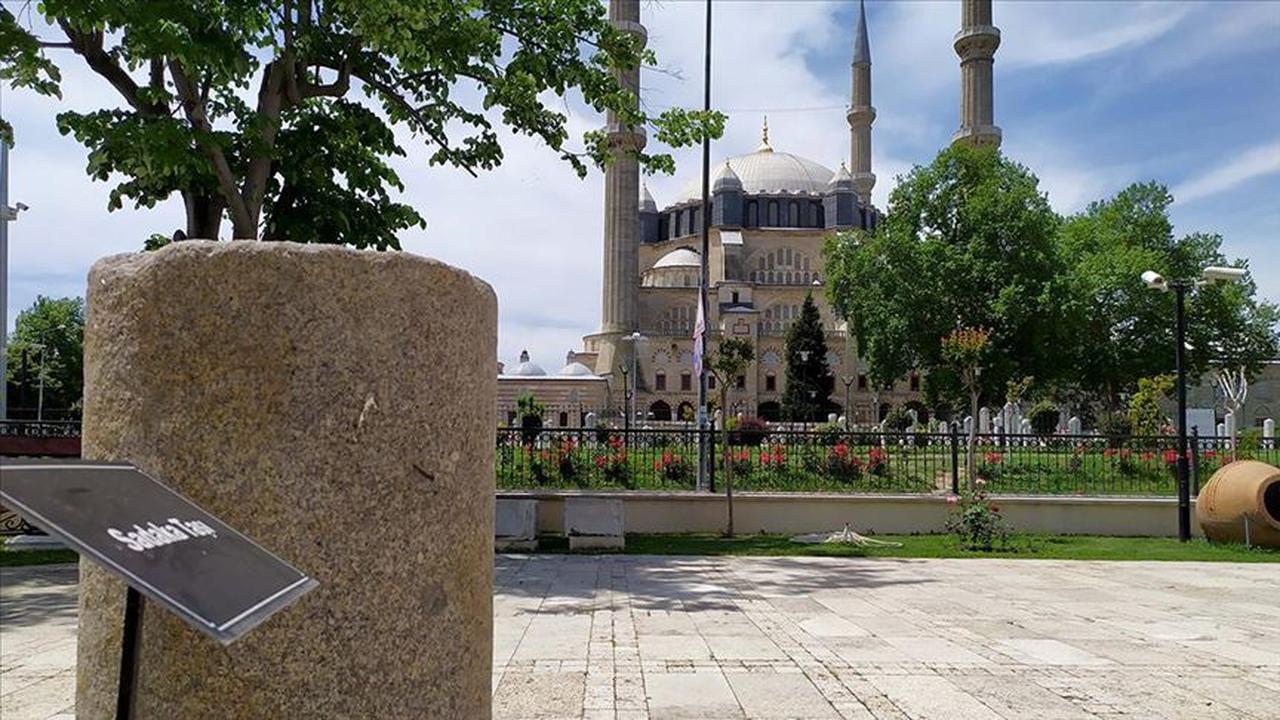

In the past, donors could leave money in a "sadaka tasi," a charity stone. They’re no longer used, but the next time you visit a mosque, look out for these short, odd-looking stone columns tucked away in discreet corners. They’ve long been replaced by "bagis kutusu," sturdy metal or acrylic collection boxes, much like the ones you see in Catholic and Orthodox churches.
For practicing Muslims, giving a specified percentage of their income to those in need, known as zekat, is one of the five tenets or pillars of faith in Islam. In 21st-century Türkiye, many believers use online zekat calculators to help determine how much to give.
Kurban Bayrami, understood in English as the Sacrifice Festival, when an animal is slaughtered in memory of Prophet Ibrahim’s willingness to sacrifice his only son for Allah, is a major occasion for giving. People from non-Muslim backgrounds often proclaim it a barbaric act, but there are specific rules for how the animals are dispatched. Should they suffer, the offering is null and void. Who gets what is also strictly monitored, with one-third of the animal going to immediate family, another third to more distant relatives and the final third to "imaret," soup kitchens run by mosques. For those who prefer a bloodless offering, there are also websites collecting money used to distribute food to the needy instead.
Sometimes, in the weeks leading up to the holy fasting month of Ramazan, newspapers report mysterious strangers entering bakkal, corner shops, asking to see the "veresiye," the records of customers who buy things on account. They then pay off the debts of the poorest families. During the month itself, councils set up large tents in public squares to distribute iftar, the evening fast-breaking meal, for free. I’ve seen tourists join the lines, but given that the aim is to help those without, I choose not to.
When you come from countries where helping those less fortunate is carried out by international charities and churches, and both donor and recipient are identified, it’s hard to know where to start in Türkiye. Especially if you’ve recently arrived, have limited Turkish language skills or lack a big Turkish friend network.
Luckily, there are easy ways to donate, whether food, money, or gently used clothes.
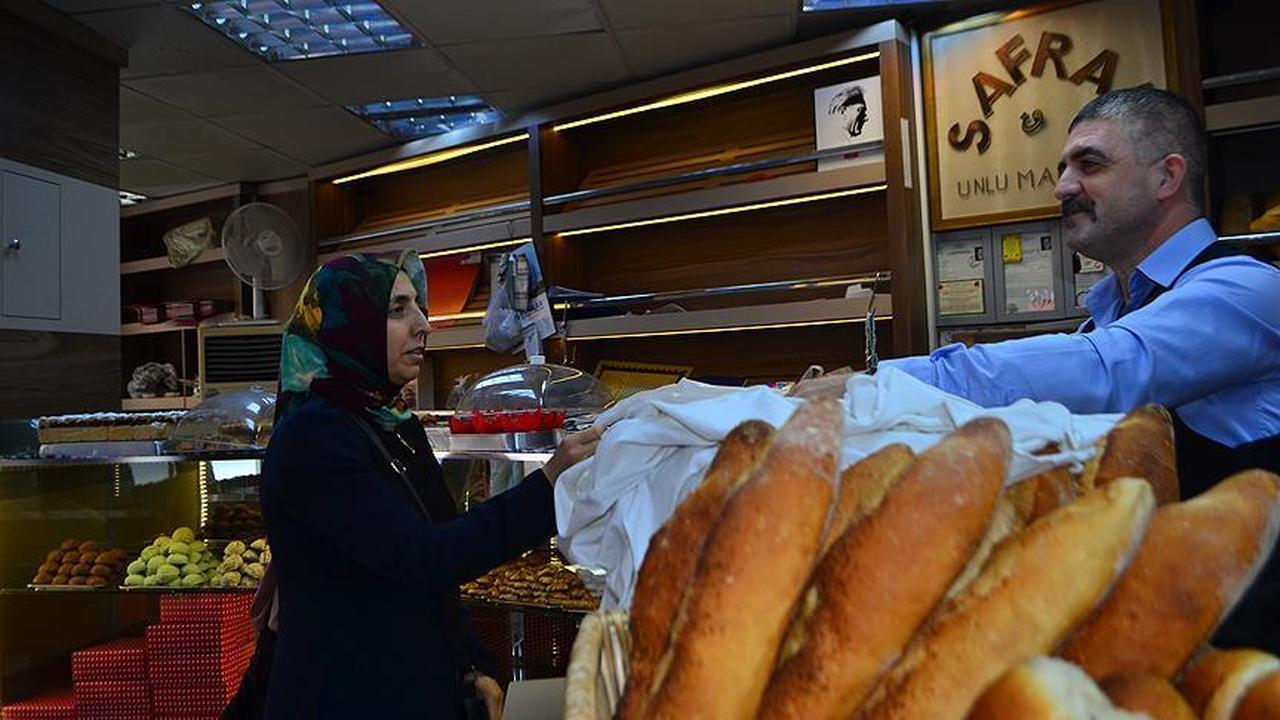
One of the simplest is via your local bakery. When you go to buy some bread, tell them you want to give one askida ekmek, literally “bread on the hook.” It’s the Turkish version of paying it forward. They’ll add the price to your bill and a loaf to the list so the next time someone comes in and asks "Askıda ekmek var mı?" (Is there bread on the hook?), there will be because you’ve donated one. You’ll also see mobile simit seller carts with signs reading "askida simit var" and there are online options too.
If you don’t have enough Turkish, use Google Translate to check out the "Askida Fatura" page run by your local government council. You can contribute toward people’s energy bills or buy "destek paketler," providing help for mothers and babies, students, families and so on.
Your local "muhtar," which is Turkish for headman (although many are women), accepts donations of clothes, toys and small household items. Every neighborhood has a muhtar and they’re the first port of call for residents looking for trustworthy cleaners and tradesmen, for jobs or for help navigating local and national bureaucracy. Offers to help with people applying for international positions with their CVs or to provide free English lessons are always very welcome.
Helping others is ingrained in Muslim cultures and for many expats and digital nomads living in Türkiye, on the receiving end of the country’s famous hospitality, it’s natural to want to give back.
Now you can.


 Set as preferred source
 Set as preferred source


 3 min read