Newsletters


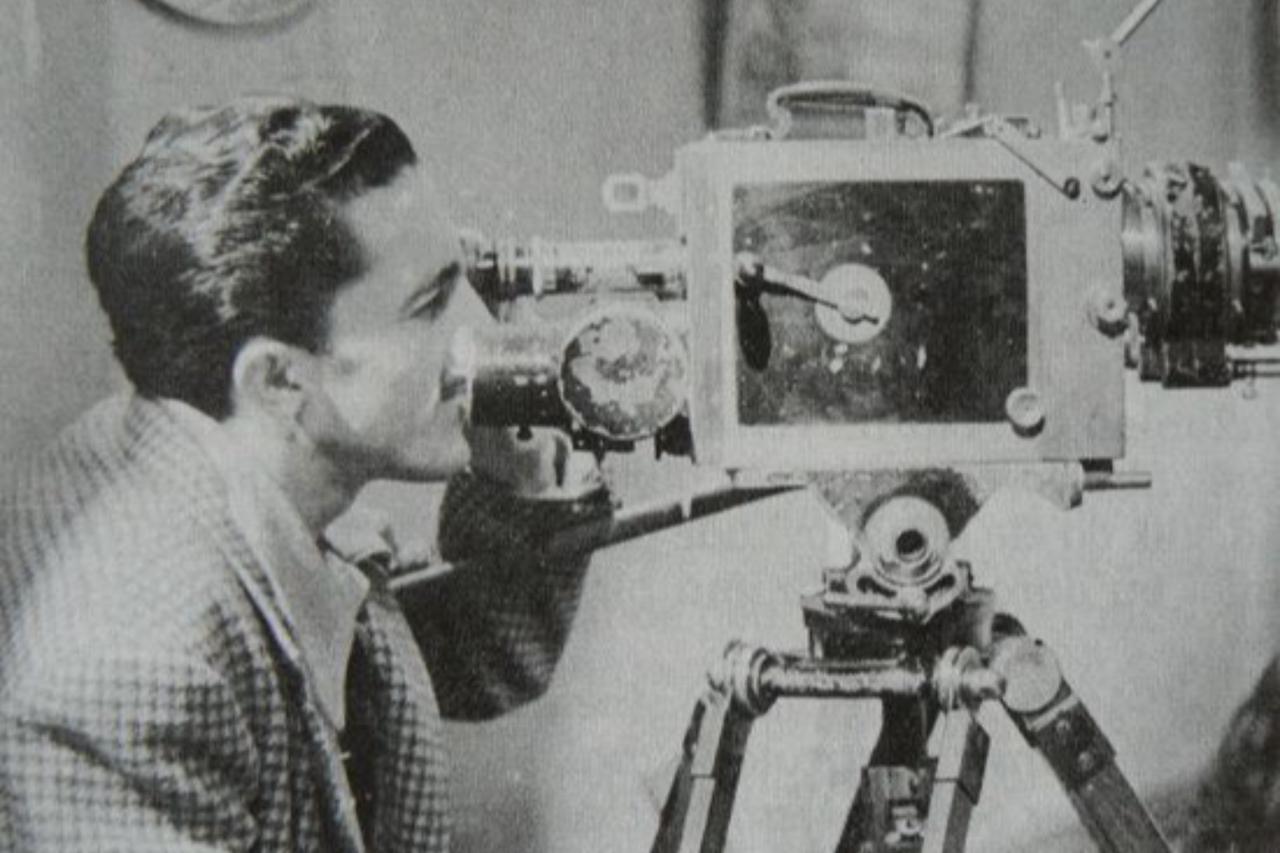


Turgut Demirag played a central role in introducing Hollywood production practices into Turkish cinema.
His career reflected an effort to combine American studio discipline with the ambitions of a developing national film industry. He directed, produced, and wrote films that expanded technical standards, explored new genres, and pushed Turkish cinema toward larger scale storytelling.
Born in Sivas in 1921, Demirag became one of the first Turkish filmmakers to receive formal cinema education in the United States and to train inside Hollywood studios. He later returned to Türkiye and founded one of the early production companies dedicated to professional film production. His work ranged from literary adaptations to genre cinema and high budget projects, leaving a long lasting imprint on Turkish film history.
Demirag was the son of former Sivas parliamentarian Abdurrahman Naci Demirag. He completed his early education in Sivas and later studied at Bogazici and Kabatas high schools in Istanbul.
In 1939, he traveled to the United States to study agricultural engineering. His interest in cinema led him to change departments in 1941 and enroll in cinema studies at the University of Southern California.
During his university years, Demirag worked as a trainee in Hollywood studios. He took part in productions by directors including Leo McCarey, Alexander Marshall, Cecil B. DeMille, and Raoul Walsh.
This period shaped his filmmaking approach and provided direct exposure to American production systems. He returned to Türkiye in 1945 and founded the film company And Film using the initials of his father’s name.
Turgut Demirag’s first film as director was an adaptation of Resat Nuri Guntekin’s work "A Mountain Tale" (Bir Dag Masali) in 1946. The production became the highest budget Turkish film of its time. It later received the Best Film award in a competition organized by the Yerli Film Yapanlar Cemiyeti.
He pursued technical innovation in cinema. In 1947, he began work on "Once Upon in Time" (Evvel Zaman Icinde), recognized as Türkiye’s first feature length animated film project. The preparation took four years. The film negatives were sent to the United States for Technicolor printing. The records were lost there and the film never reached audiences.
Demirag adopted an American style of film language and emphasized technical quality. He directed films such as "Hulya," "Kanli Taslar" (meaning Bloody Stones), and "Fato: Independence or Death" (Fato/Ya Istiklal Ya Olum). His 1953 production "Dracula in Istanbul" (Drakula Istanbul'da) became one of the first horror films in Turkish cinema.
During the 1960s, Demirag presented films including "From the Kumba to the Rumba" (Cumbadan Rumbaya), "Lions of Canakkale" (Canakkale Aslanlari), "Female Hunters" (Kadin Avcilari), "Abbase Sultan", and "Different Worlds" (Ayri Dunyalar) to audiences.
In 1965, he directed, produced, and wrote "Love and Grudge" (Ask ve Kin). The film starred Cuneyt Arkin, Belgin Doruk, and Turgut Ozatay. It won the Best Film award at the second Antalya Altin Portakal Film Festival.
Over his career, Demirag directed 18 films and wrote scripts for 17 films. He also served as president of the Turkish Film Producers Association for a period. In addition, he founded the venue that later became known as San Sinemasi.
After directing Domatesler ve Silahlar in 1974, he left cinema and settled in the United States. Omer Turgut Demirag died on January 14, 1987, in Istanbul at the age of 65. He is buried at Zincirlikuyu Cemetery.


 Set as preferred source
 Set as preferred source



 3 min read