

 Newsletters


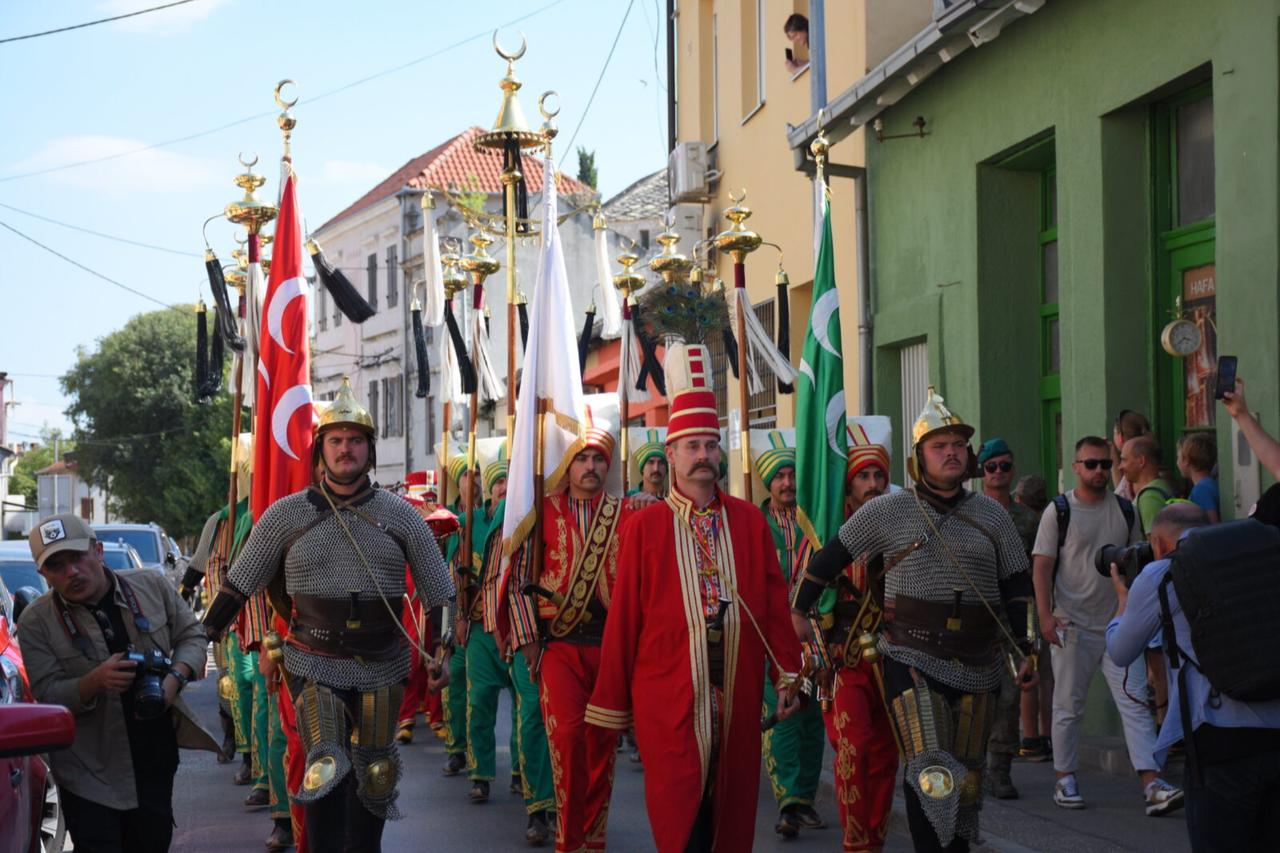


The Ottoman Empire should not be understood only through the lens of conquest, according to Emir O. Filipovic, a professor of medieval history at the University of Sarajevo, who spoke in an exclusive interview with Extinguished Countries about how Ottoman rule is remembered across Europe.
As Extinguished Countries, a series of guidebooks, prepares its new guide on the Ottoman Empire after reader voting placed it first in its poll, the interview sets out the main lines of inquiry for examining the empire's place in European history.
Filipovic said the Ottoman period is often described negatively in several European countries because many modern national histories frame it as a long period of foreign domination. In that reading, Ottoman expansion cut across earlier political paths, curbed the autonomy of local elites and brought in new fiscal, legal and religious hierarchies. At the same time, he said such judgments remain subjective and depend on the standpoint of the group looking back on that history.
He also said Ottoman rule cannot be reduced to a single experience across all regions and centuries. In its historical setting, the empire also brought in long-term political stability in areas previously marked by fragmentation, tied them into wider trade and commercial networks, and allowed more religious pluralism and local self-government than is often assumed.
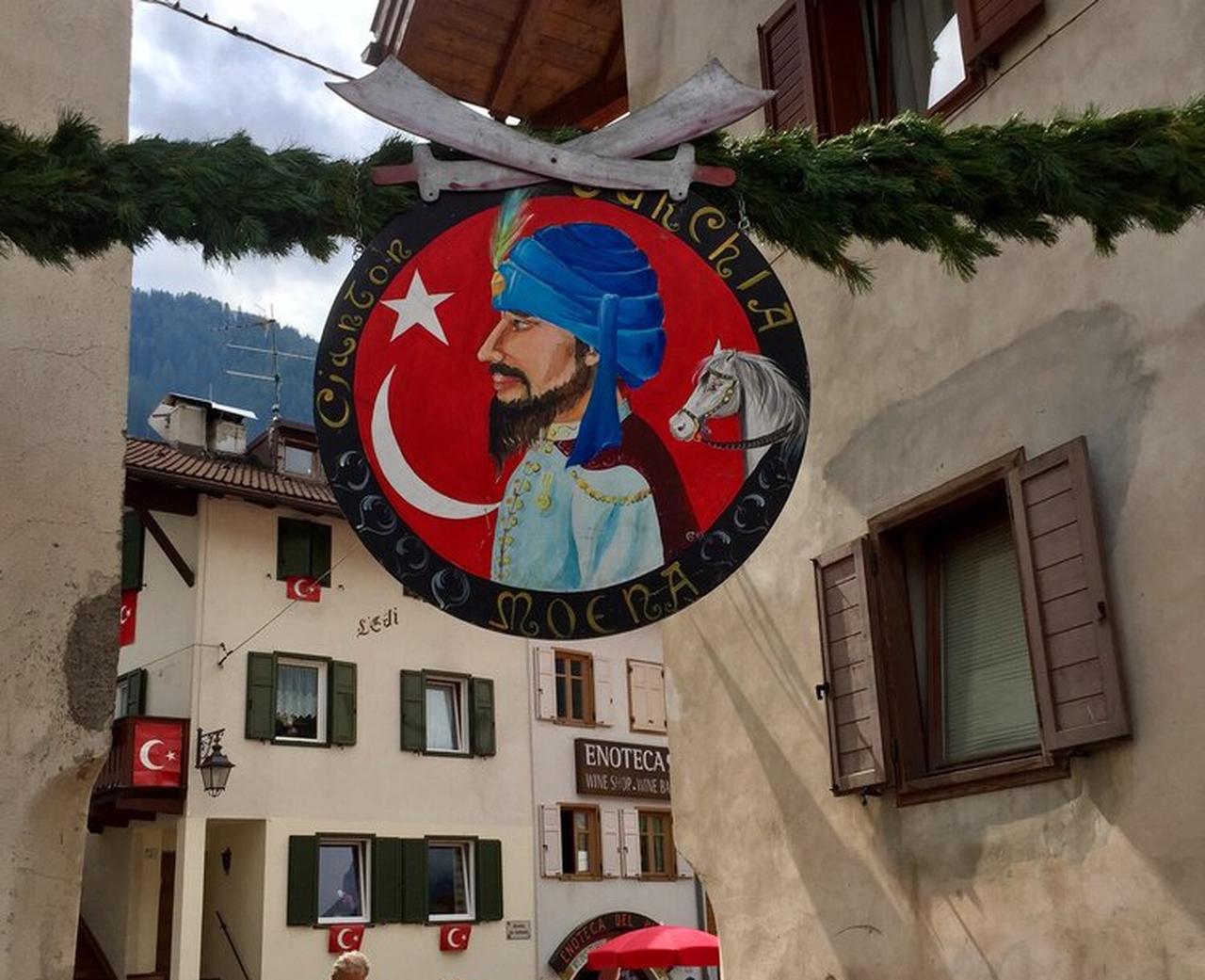

Filipovic said Europe long defined itself in opposition to the Ottoman Empire, treating it as a political, religious and cultural "Other." Yet he underlined that this view carries a clear paradox, because the Ottomans were also deeply tied to Europe.
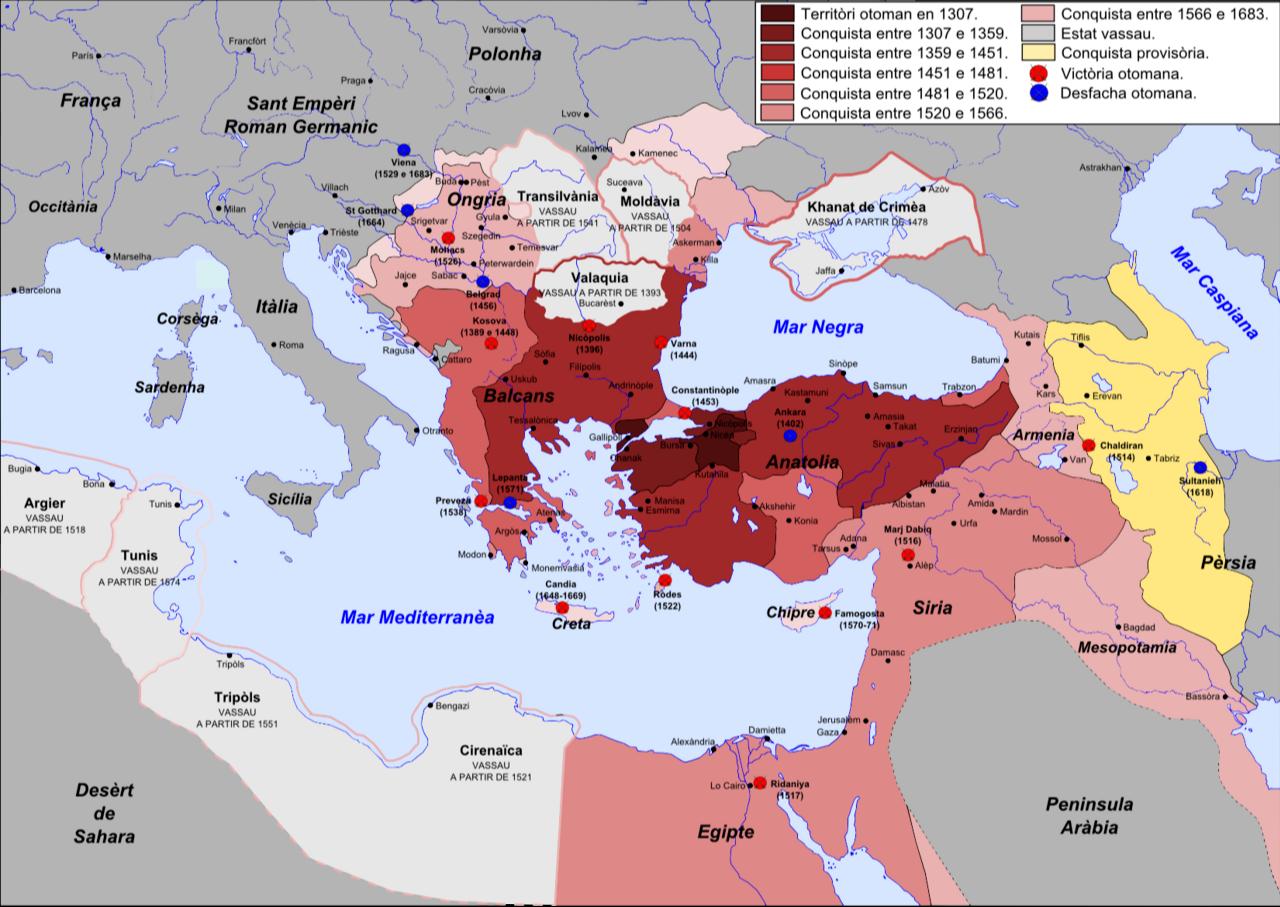
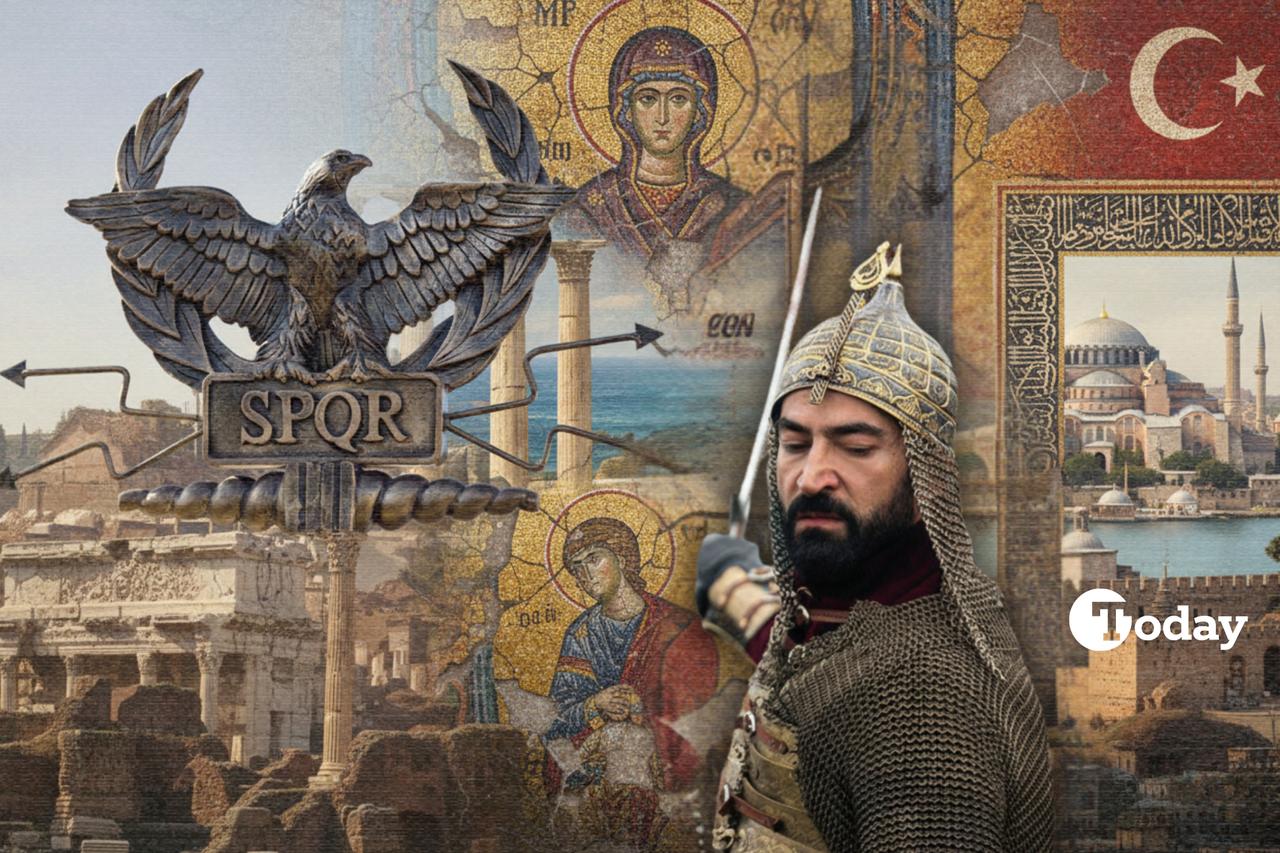
He said the Ottoman state emerged in the Balkan region and presented itself as the heir to Byzantium, the Eastern Roman Empire centered in Constantinople, today Istanbul. That helps explain why its early expansion moved into southeastern and central Europe rather than mainly into Asia or Africa.
For that reason, he suggested the empire can also be read as a European state that extended far beyond Europe's boundaries. He added that its history with other European powers was shaped not only by war, but also by diplomacy, trade and cultural exchange. Even during conflict, practical cooperation continued, including through the Republic of Dubrovnik, which maintained privileged commercial ties with the Ottoman world.
In many historical sources, he noted, the word "Turk" was used as a synonym for Muslim rather than strictly as an ethnic label. He added that the expression "turska vjera," or "Turkish faith," was commonly used to refer to Islam.
Inside the empire, however, religion played a more layered role. Filipovic said that in the early stages of Ottoman expansion, the faith of the conquerors remained relatively flexible and was often spread by Sufi orders and dervishes. Sufism refers to mystical traditions within Islam, while dervishes were members of religious communities associated with those traditions.
He also said the Ottoman state built religious diversity into its governing system by granting recognized non-Muslim communities a degree of legal autonomy in return for loyalty and taxation.
Although Muslims held clear social and legal advantages, and conversion could open the way to power and upward mobility, he said the empire still made room for religious pluralism in a way that was unusual for its time.
Filipovic said the Ottoman legacy can be traced most clearly in modern Türkiye, but he also pointed out that many imperial viziers came from the Balkans, especially from Albania and other parts of the former Yugoslavia. A vizier was a high-ranking state official, roughly comparable to a senior minister.
He added that Serbo-Croatian was widely spoken at the imperial court, even though official documents were mainly written in Arabic, Persian and Turkish. More broadly, he said the empire left behind roads, bridges and urban settlements across former Ottoman lands, even where later governments pursued de-Ottomanization, meaning efforts to remove or downplay Ottoman influence after imperial rule ended.
To illustrate the scale of imperial integration, Filipovic said that in the sixteenth and seventeenth centuries, it was possible to travel from Velika Kladusa in present-day Bosnia and Herzegovina to Baghdad without crossing borders, while the shorter route to Zagreb was much harder. He also pointed to Belgrade, where neighborhoods such as Kalemegdan, Tasmajdan, Dorcol, Topcider and Karaburma still carry Turkish names.
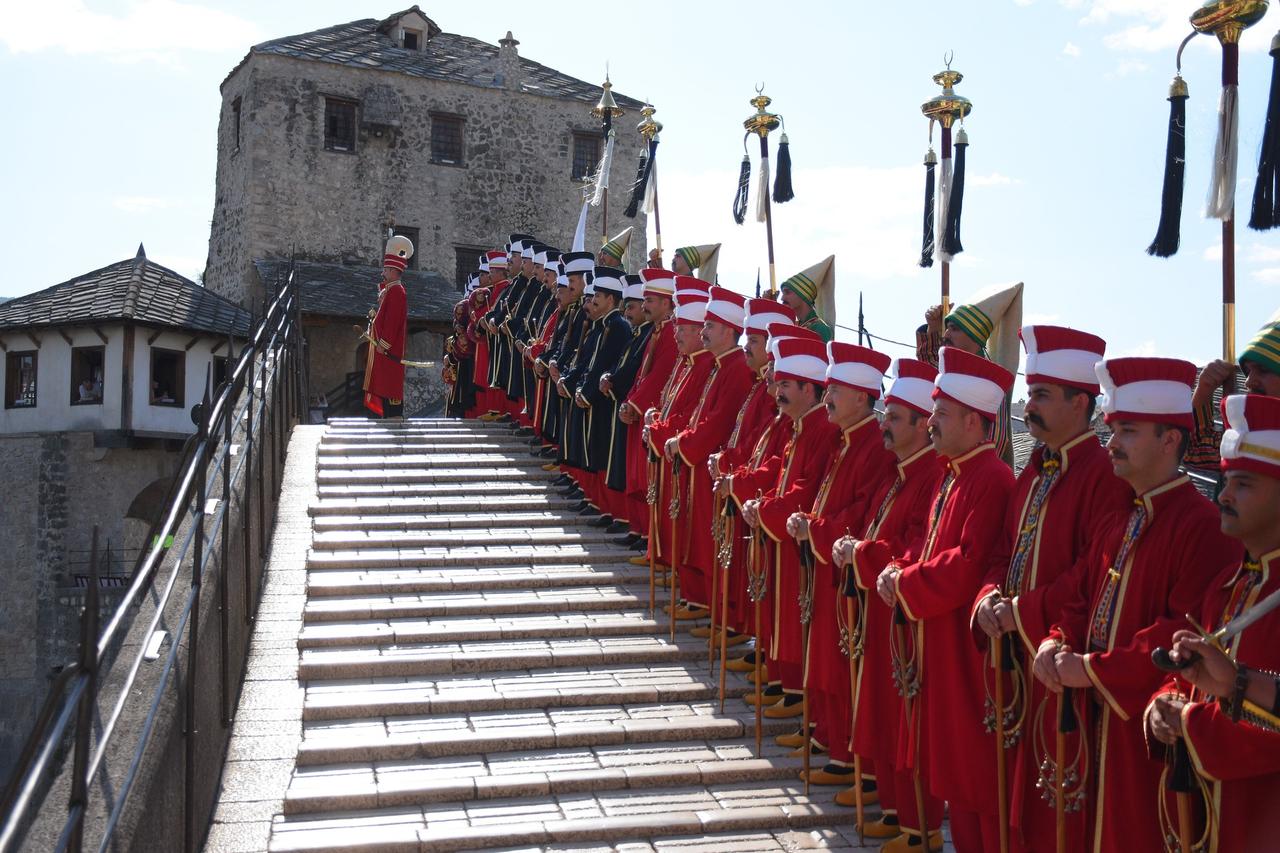
Speaking about Sarajevo, where he lives and works, Filipovic said the city's most visible Ottoman legacy lies in its built environment. He pointed to the urban core formed around the carsija, or traditional marketplace, along with mosques, bridges, hans and baths. A han was an inn or lodging place used by merchants and travelers.
Yet he said the less obvious legacy is Sarajevo's long history of religious plurality. Orthodox and Catholic churches and Jewish synagogues developed within a city whose institutional framework had been shaped under Ottoman rule. He described that coexistence as structured, hierarchical and pragmatic rather than modern or egalitarian, but stressed that it existed.
He linked that history to the 1990s, saying Sarajevo was targeted not only as a political capital but also as a symbol. In that context, he said the city's Ottoman heritage was often reduced to a marker of "otherness" or an "Oriental" identity and used to question its place in Europe. As a result, he argued that Sarajevo's Ottoman legacy continues to shape how the city is seen, challenged and defended today.
The interview was conducted by Giovanni Vale, founder of Extinguished Countries, a journalist born in Gemona del Friuli in Italy in 1987 who has reported on the former Yugoslavia for several European media outlets since moving to Zagreb in 2014.


 Set as preferred source
 Set as preferred source


 1 min read
 1 min read


