Newsletters


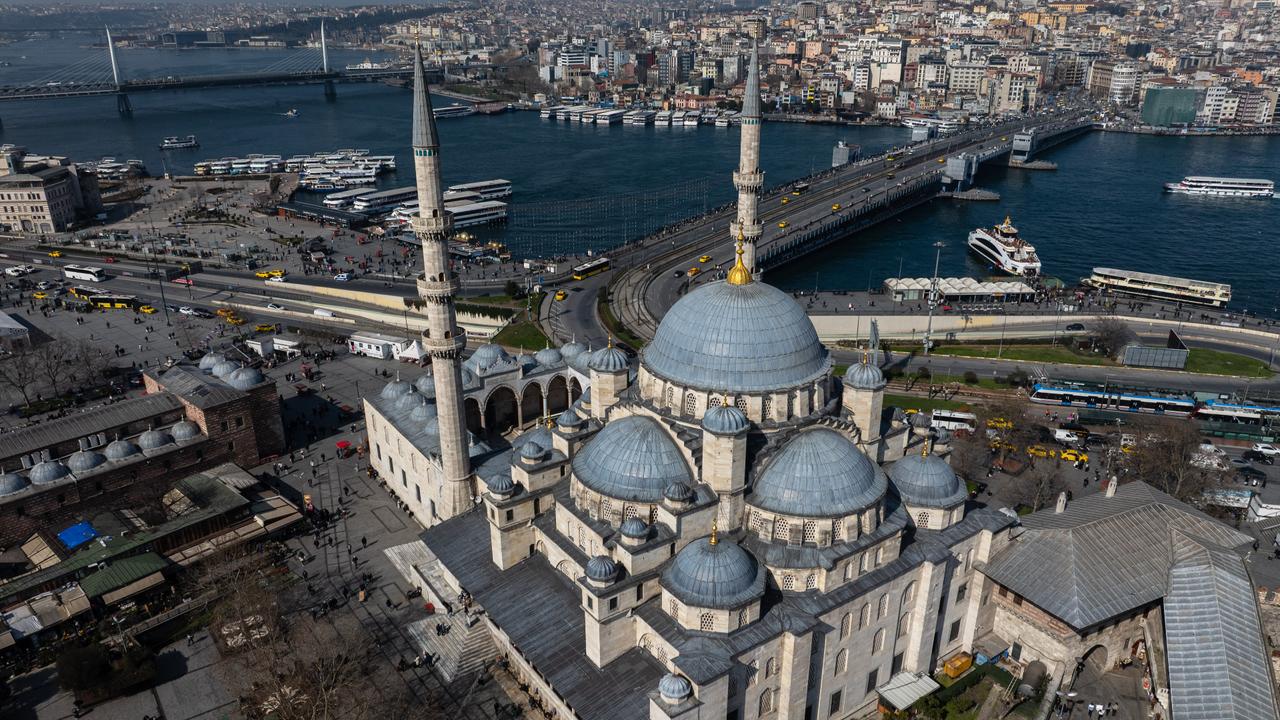
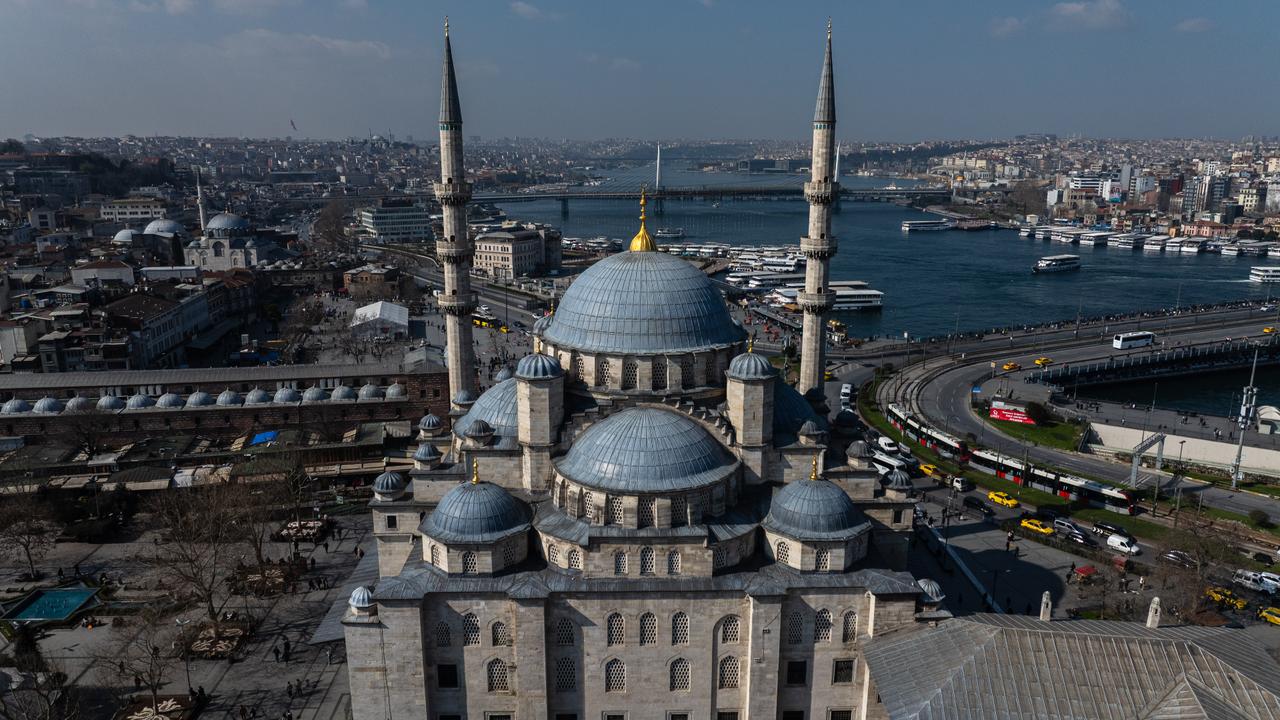
Yeni Mosque in Istanbul’s historic Eminonu district is known as the longest-built mosque in Ottoman history.
Construction began in 1598 and the mosque finally opened for worship in 1665, creating a building process that lasted 67 years.
Today, it stands among the most recognizable imperial mosques of the Ottoman era and forms a central landmark in one of the city’s busiest historical areas.
Imperial mosques, often referred to as selatin mosques, were large imperial religious complexes commissioned by sultans or members of the royal family and were typically placed in highly visible urban locations.
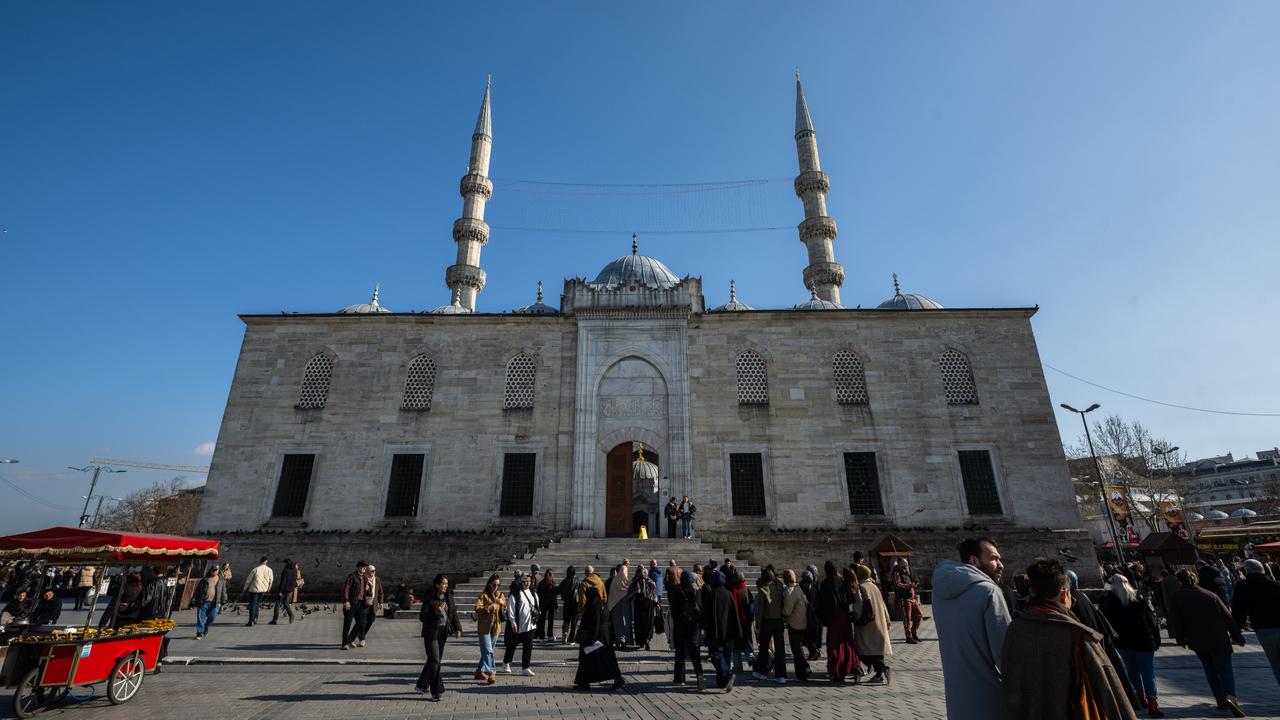
Construction of the mosque began in 1598 under the patronage of Safiye Sultan, the mother of Ottoman Sultan Mehmed III. The foundation of the structure was laid by the chief imperial architect Davut Aga. However, the project soon ran into difficulties and was eventually left unfinished because of political and economic circumstances.
After the death of Sultan Mehmed III, Safiye Sultan was sent to the Old Palace, which led to the project being abandoned. The unfinished mosque remained incomplete for decades. According to scholars, it was generally expected that the next ruler would complete projects started by earlier sultans, yet Sultan Ahmed I instead chose to build a mosque in his own name, which later became the Sultanahmet Mosque.
The mosque’s construction resumed nearly half a century later. Turhan Hatice Sultan, the mother of Sultan Mehmed IV, took the initiative to complete the abandoned building. Architect Mustafa Aga was assigned to finish the structure, and the mosque finally opened for worship in 1665.
Professor Aziz Doganay from Marmara University explained that several misfortunes prolonged the project. Architect Davut Aga died during a plague outbreak, and another architect later took over. After Safiye Sultan’s death the site remained idle for many years, while attempts to revive the project during the reign of Sultan Murad IV did not move forward due to financial difficulties.
According to Doganay, Turhan Hatice Sultan encountered the abandoned mosque while inspecting the neighborhood following a major fire in the 1660s. Disturbed by the neglected structure, she ordered the construction to resume. Architect Mustafa Aga restarted the project, even removing the top layer of stones before continuing the work according to the original design. Despite the long interruptions, the mosque followed the original plan drawn by Davut Aga.
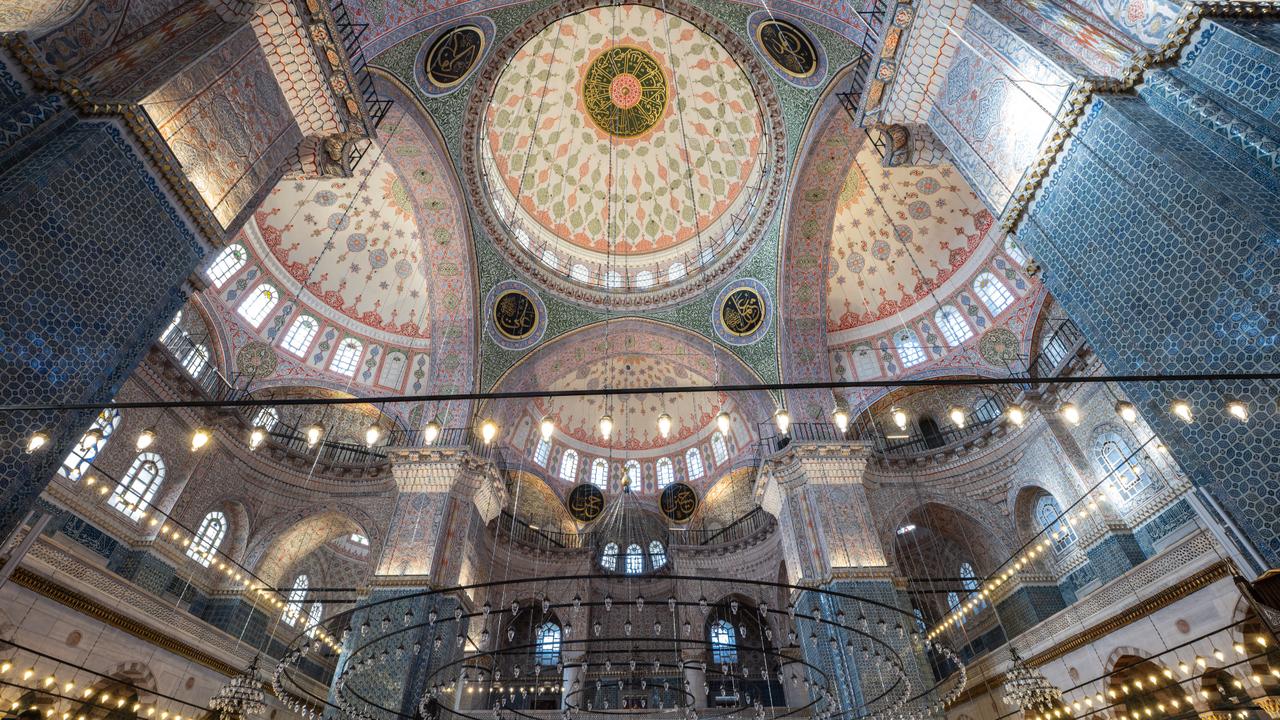
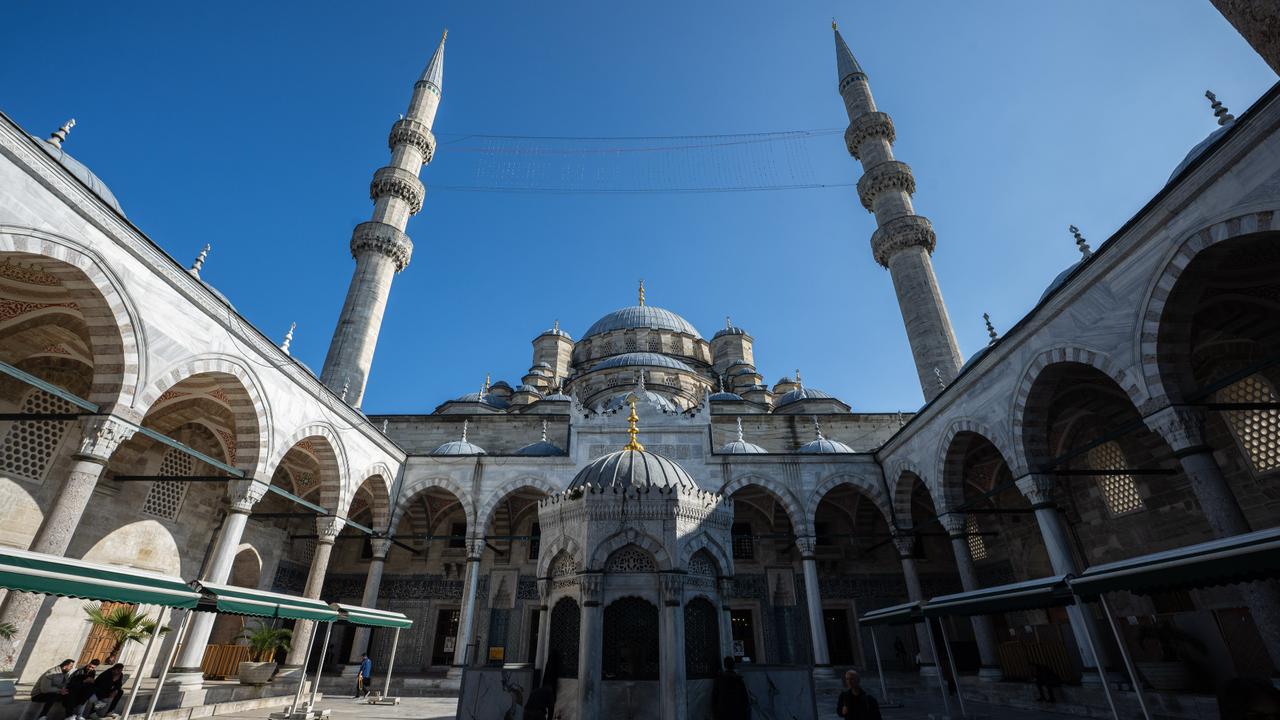
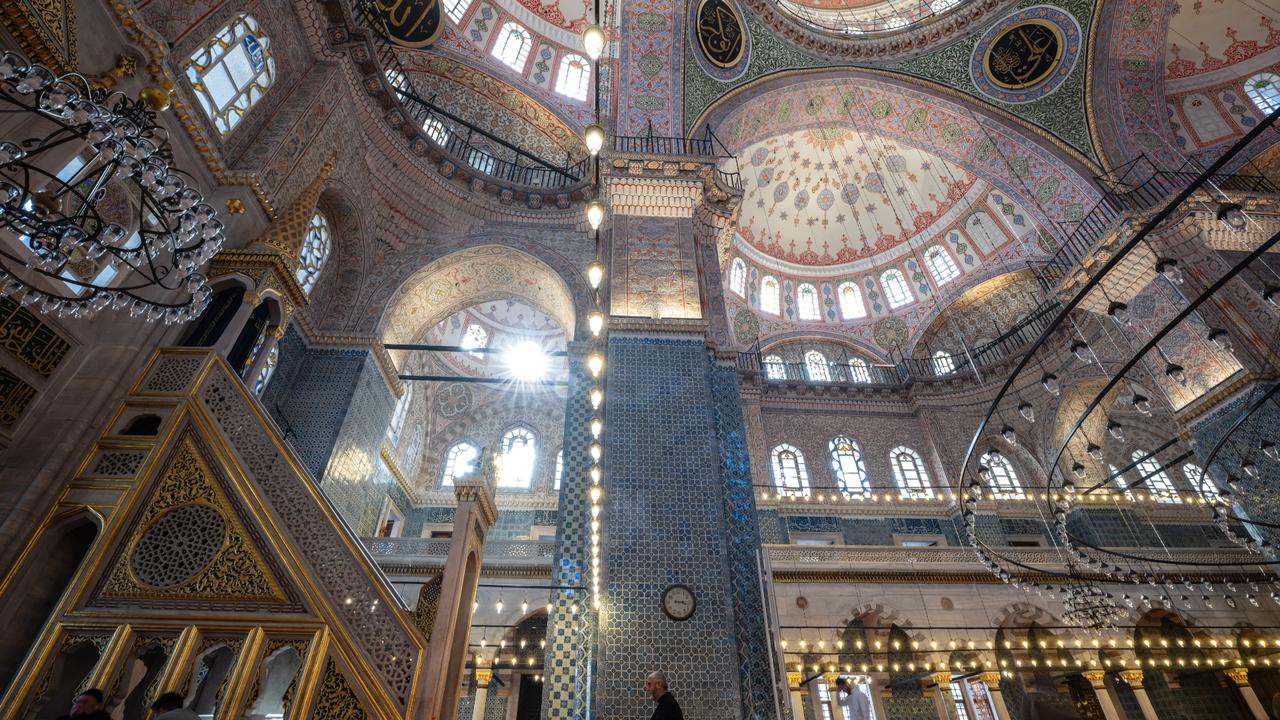
The building reflects the classical Ottoman mosque style, featuring a central dome supported by semi-domes that form a cascading dome arrangement. The complex also includes a large courtyard and two minarets, elements that define many imperial mosques of the period.
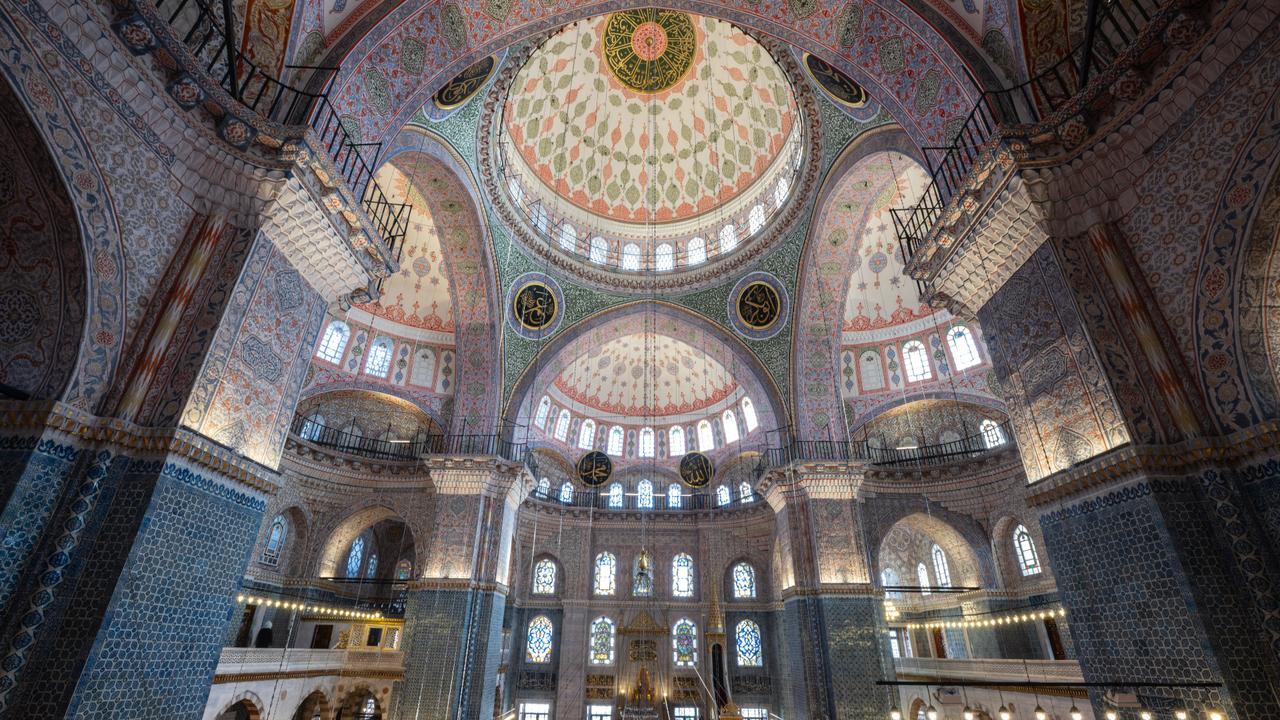
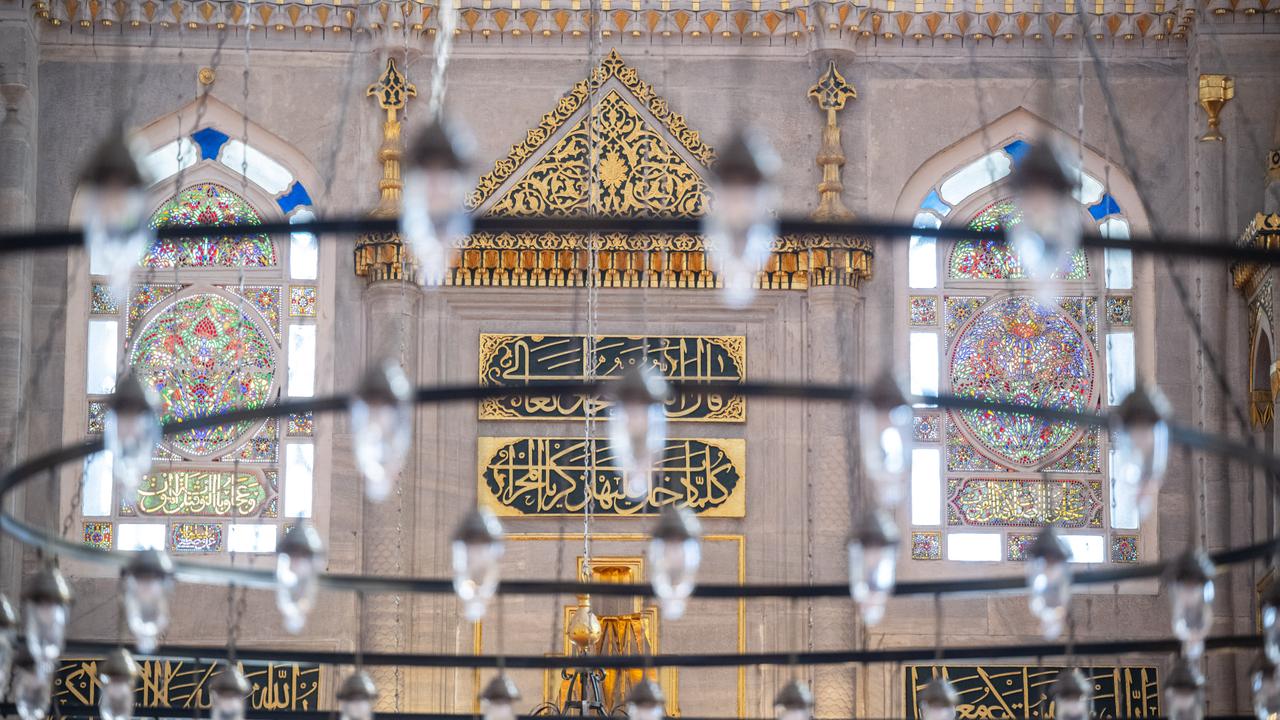
Inside the mosque, Iznik tiles, marble craftsmanship and painted decorative patterns highlight the artistic style of the period. Doganay noted that although economic difficulties led to some technical weaknesses in the tile materials, the decorative designs continued to develop and retained strong classical characteristics.
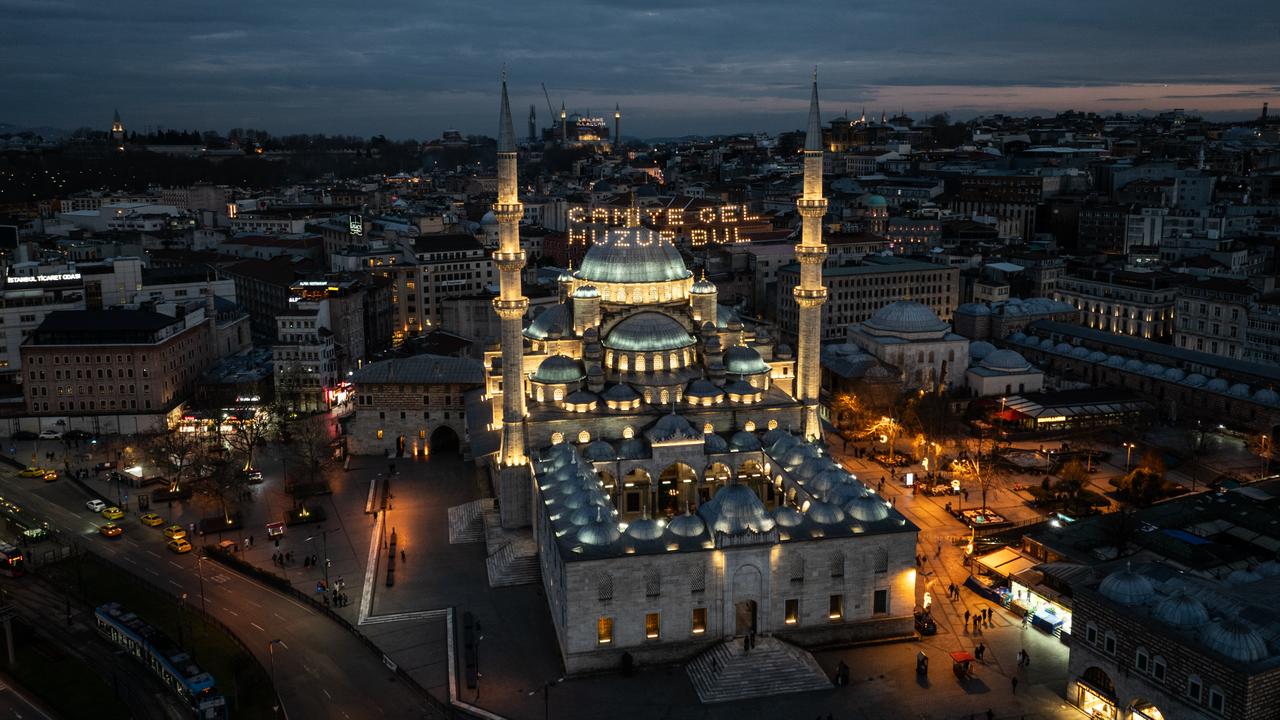
Yeni Mosque was built not only as a place of worship but also as the center of a kulliye, an Ottoman architectural complex that combined religious, social and economic functions. The complex included structures such as a tomb, fountain, sebil (a public water distribution kiosk), darulkurra (a school for Quran recitation), and the famous Egyptian Bazaar.
The Egyptian Bazaar, located next to the mosque, was built to generate income for the complex. According to Doganay, imperial mosques often stood at the core of urban planning in Ottoman cities. Around them developed institutions such as libraries, hospitals, kitchens for the poor, schools and marketplaces, creating a network of services designed to meet the daily needs of the city’s residents.

 1 min read


 Set as preferred source