Newsletters


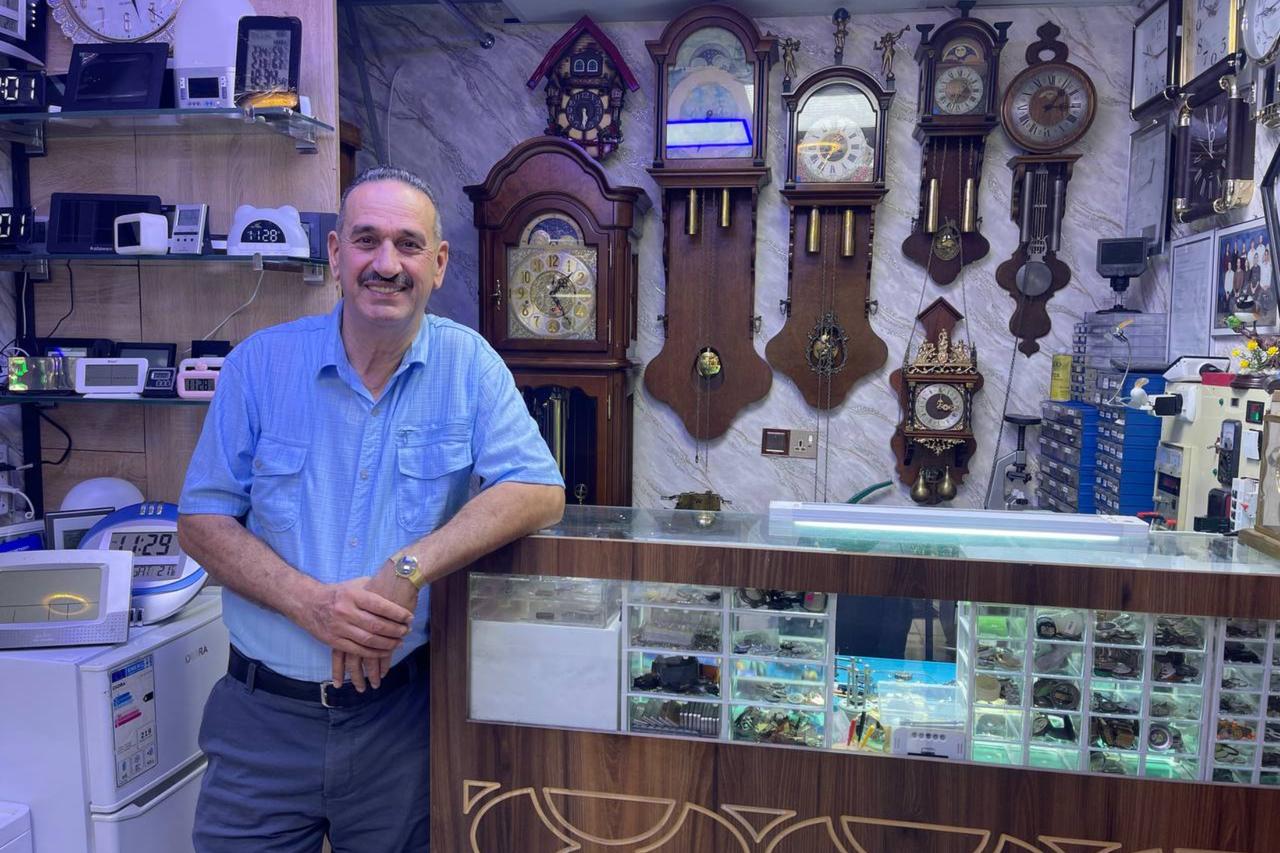


In a modest shop on a busy street in the heart of Kirkuk, Cuma Saatci has spent half a century bringing antique clocks and watches back to life.
Now, at 63, he is working to make sure the skill does not die with him.
Saatci began as an apprentice when he was a child and has stayed with the trade for more than 50 years, even as digital technology has reshaped the world of timekeeping.
From his shop, he carefully repairs antique wall, table, wrist, and pocket watches, sometimes fixing a broken piece and sometimes restoring a long-used timepiece to its original appearance.
"To keep my profession from disappearing and to pass it on to future generations, I am teaching this work to those who work with me, including my own son," Saatci said.
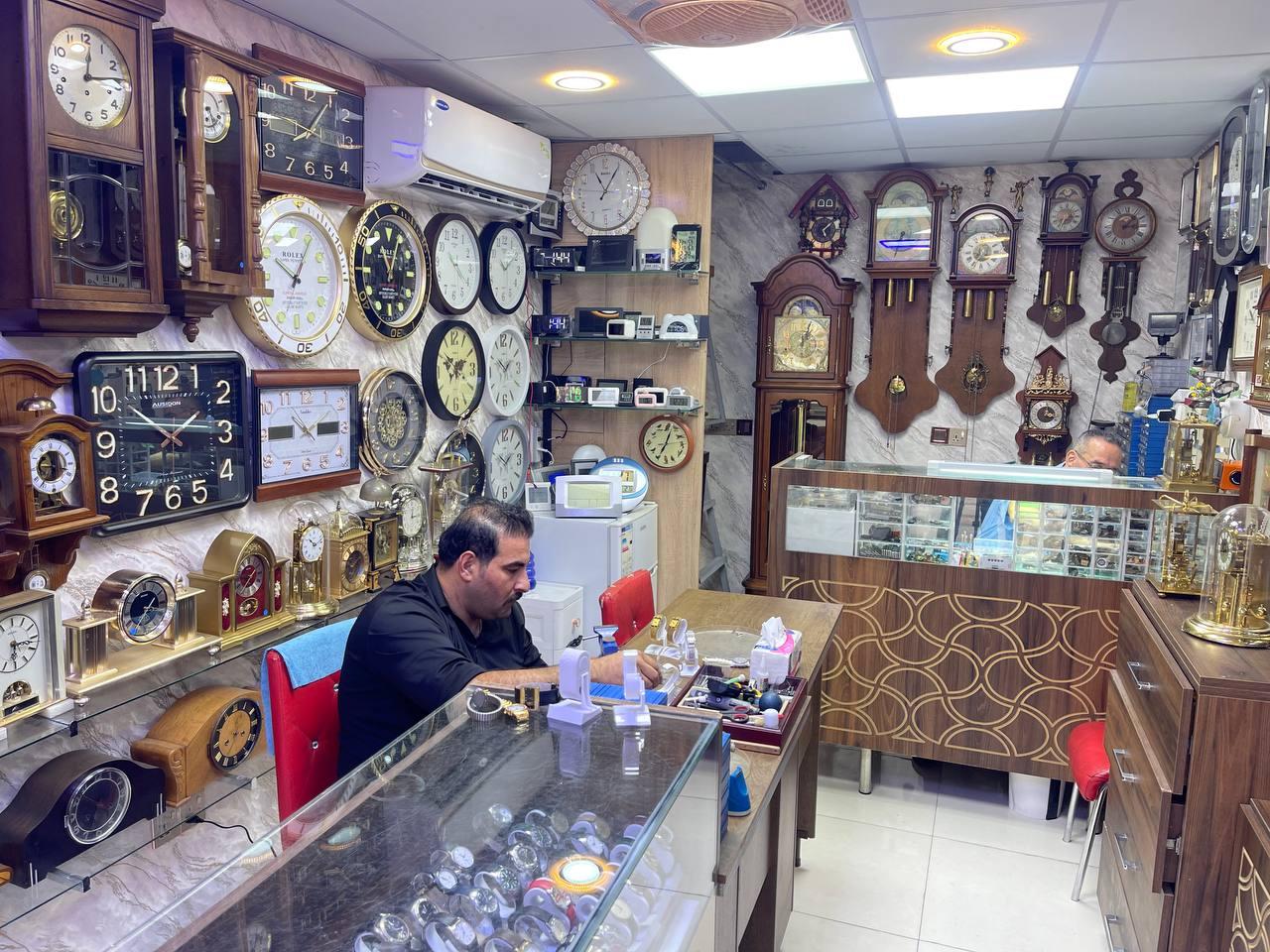

Saatci said he fell in love with the craft as a young apprentice and never could give it up.
Years of occupation, war, and sectarian conflict in Iraq forced him to leave the country at various points. He went to Türkiye and Norway, where he continued to work as a watchmaker.
He said the number of people practicing the trade is small not only in Kirkuk but around the world. Even so, he said, interest in antique watches remains strong.
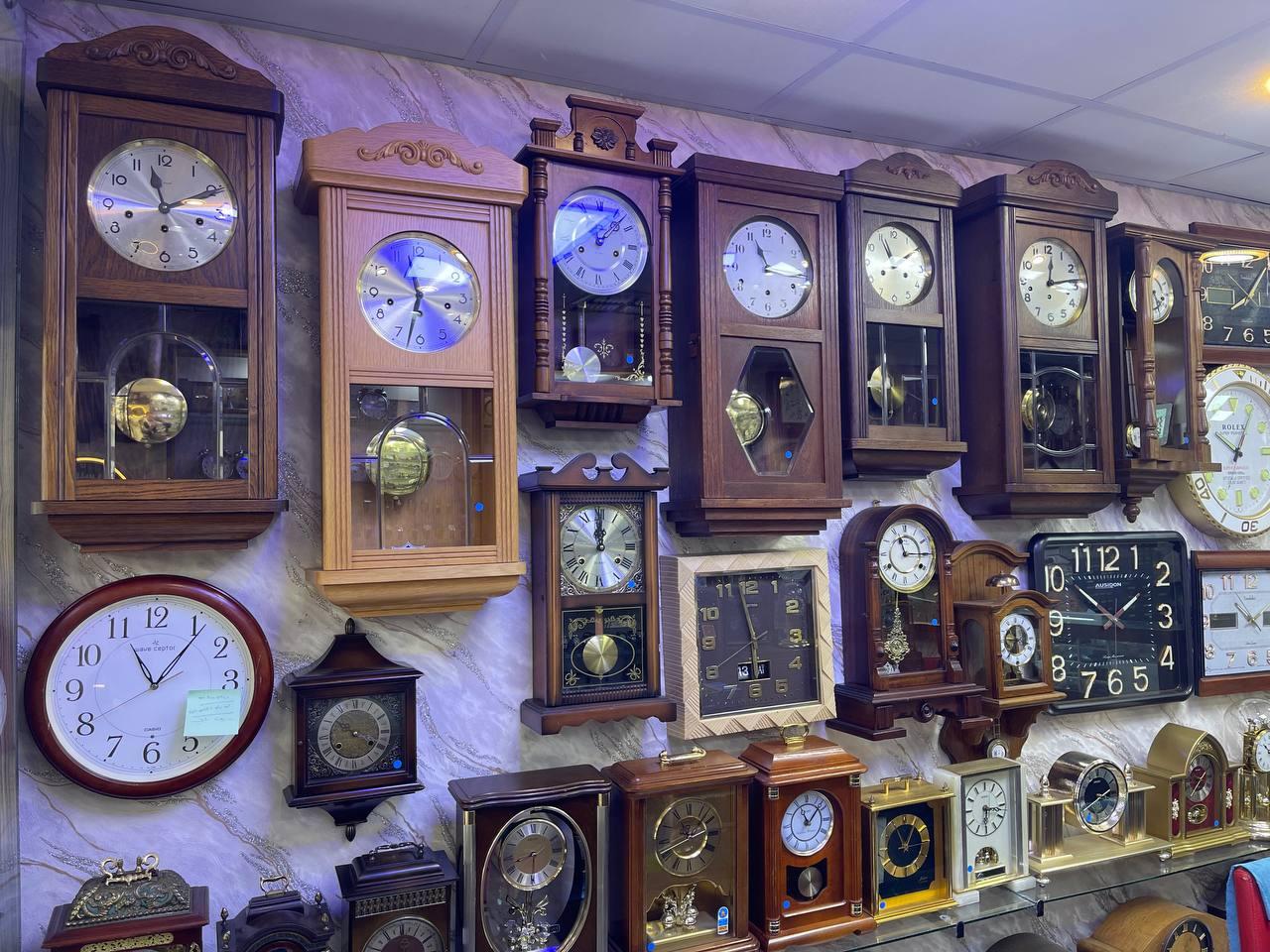
Visitors often browse the shop as though it were a museum, Saatci said, and some record social media content among the displays.
He said he is happy to have people stop by even if they only come to look.
"Most of the watches in the shop were made in the 1950s or later," he said. "Alongside antique pieces, we repair and sell pocket, wrist and hand watches. I even enjoy seeing people take a journey through time here."
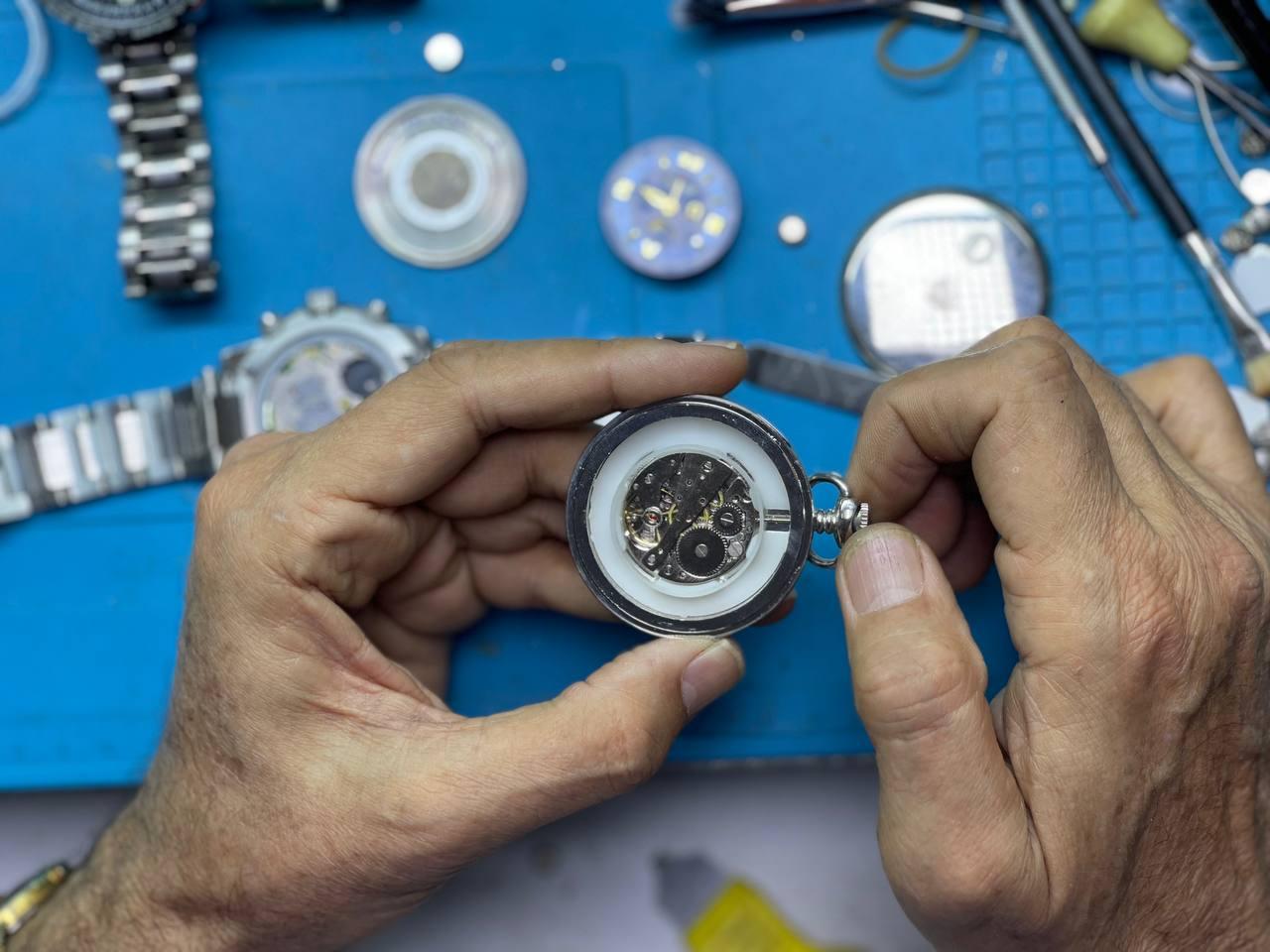
Saatci has watched the industry change dramatically. Wind-up watches gave way to automatic ones, he said, and digital watches arrived in the late 1960s.
"I have lived through this change and development for half a century," he said. "Repairing and selling antique watches takes me back decades."
He said it makes him happy when people show interest in antique watches and value them.
His customers are not limited to Kirkuk. Some bring antique timepieces from abroad for repair, he said, adding that he approaches each job with the same excitement, affection and care he felt on his first day.
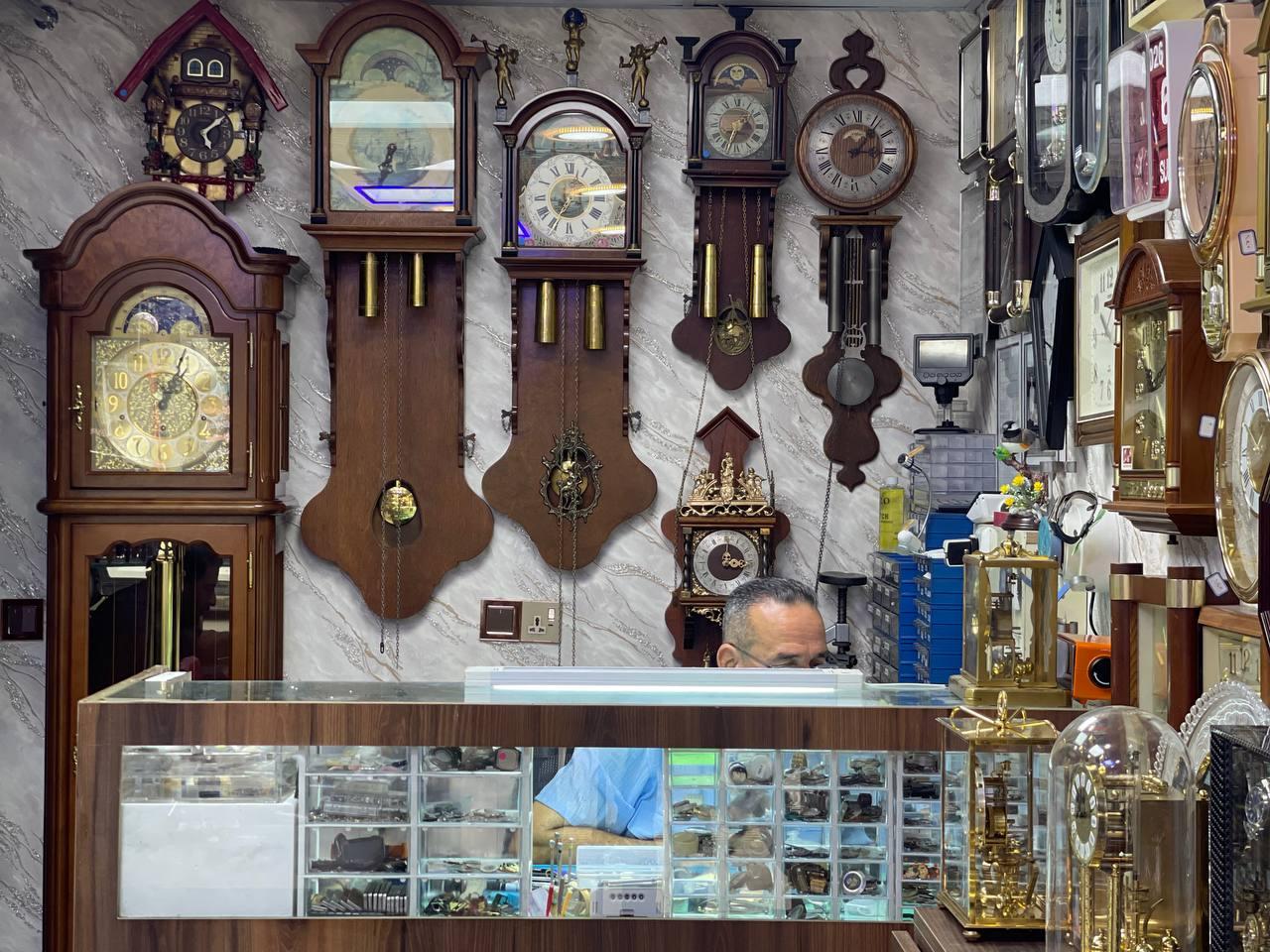
Watch repair is a beautiful profession, Saatci said, but not one that just anyone can do. He said the number of trained masters is steadily shrinking, a shortage he noticed most while living abroad, and one that strengthened his resolve to keep the trade going.
His goal, he said, is for the profession to endure after him. He plans to keep working as long as his strength allows, and said training new craftsmen is essential.
Such trades, Saatci said, are practiced with devotion and treated as an art.


 Set as preferred source
 Set as preferred source



 1 min read