Newsletters


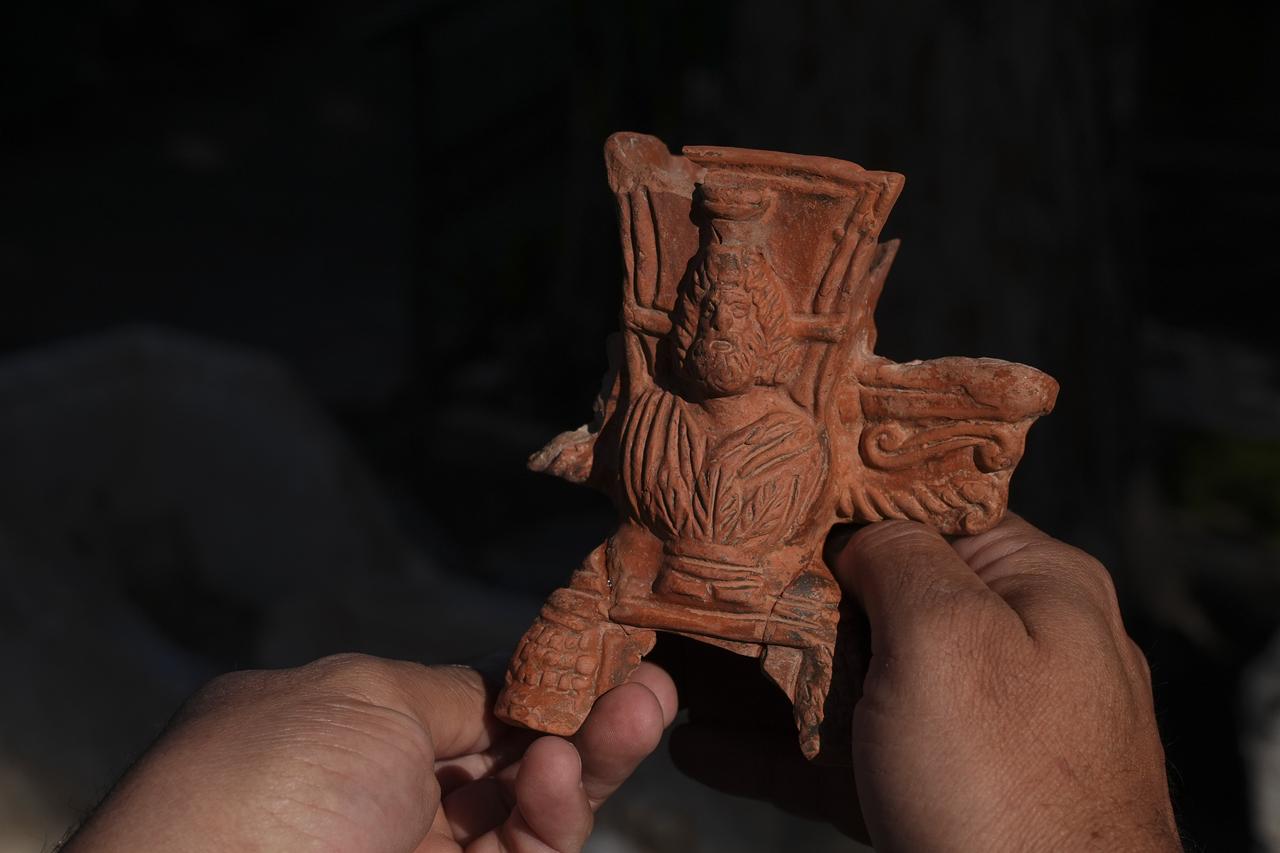


Archaeologists working in the ancient city of Ephesus in Western Türkiye have uncovered a terracotta incense burner decorated with a relief of the Egyptian god Serapis, adding a new piece to the picture of how trade, religion and craftsmanship came together in this major port city of the Roman world.
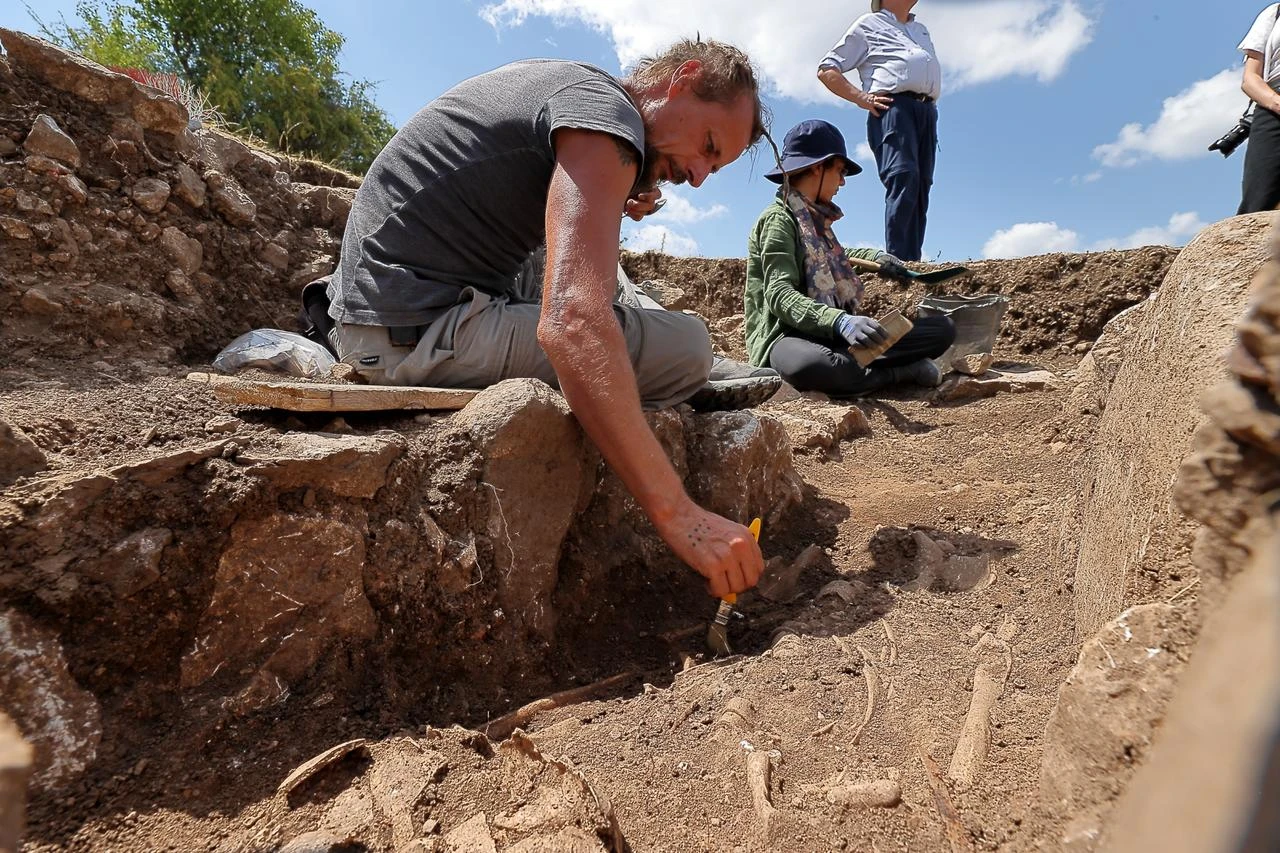
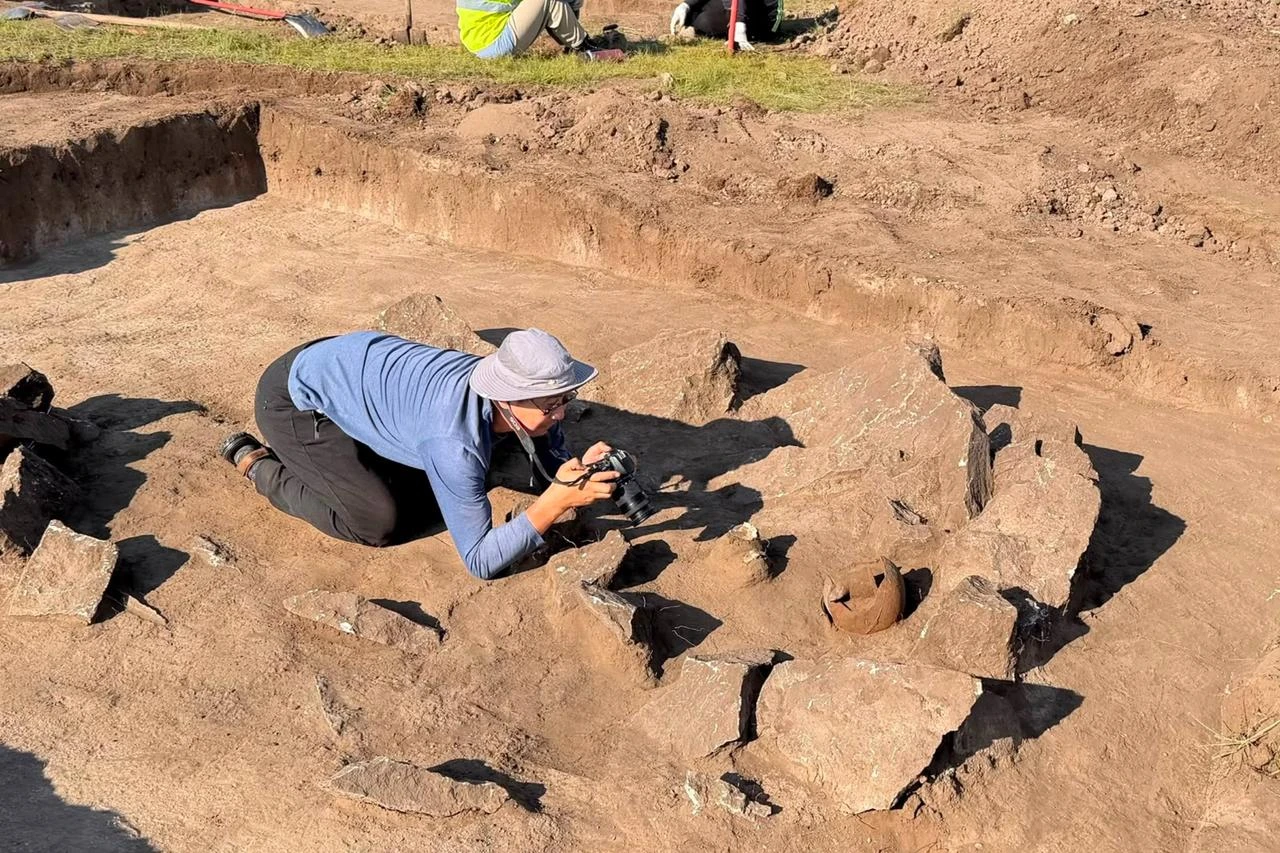
The object was found in the Liman Hamami, or Harbour Bath, during year-round excavations being carried out under the Ministry of Culture and Tourism’s "Endless Ephesus, Heritage for the Future" project. Ephesus, near the modern city of Izmir, is on the UNESCO World Heritage List, which recognises cultural sites of global significance.


Professor Serdar Aybek from the Department of Archaeology at Dokuz Eylul University, who coordinates the project, explained that work has been continuing without interruption since 2023 and that the Liman Hamami (Harbour Bath) stands on the route leading from the city to its great harbour. The team aims to bring out the full extent of this monumental bath complex, which spreads over an area that he describes as one of the largest of its kind in Roman Anatolia.
He noted that the Liman Hamami, together with the long Liman Caddesi, or Harbour Street, has yielded frequent finds of marble decorative elements, bronze statues and architectural pieces, which together help researchers build up a more detailed understanding of the public spaces that greeted travellers arriving from the sea.

During these investigations in the bath complex, the team came across a terracotta incense burner whose front carries a relief image of Serapis. Aybek stressed that the piece stands out because of this figure, since Serapis is closely associated with Ephesus itself. He pointed out that one of the most important and largest religious buildings of the ancient world, the Serapis Temple, is known from the city, and that from the second century A.D. onwards the god’s name and image appear across the settlement in inscriptions, graffiti and other artefacts.
The newly discovered burner has a bowl or chamber on top, while the front face shows what Aybek describes as a dressed bust of Serapis. The god’s thick hair and beard, together with the spool-shaped base under the bust and the tall headdress on his head, repeat a widely known statue type that ancient viewers would have recognised. According to Aybek, this well-defined style made it possible to identify the god immediately and to link the relief to a famous statue considered to have been made by the sculptor Briaksis in antiquity.

Aybek drew attention to an inscription on the back of the incense burner, which has turned the object into an even more significant find. Thanks to this inscription, the team was able to match the new burner with another example discovered earlier in the Yamac Evler, the so-called Terrace Houses of Ephesus, where the city’s wealthy residents once lived.
This connection suggests that identical or very similar incense burners circulated within the city, either produced in the same local workshop or brought in regularly through trade. For Aybek, the fact that the same type of object appears in different parts of the city shows how the commercial and religious infrastructure of Ephesus rested on strong and interconnected foundations.

The new incense burner will be added to the collections of the Ephesus Museum, which already houses an extensive range of finds from the city and its surroundings. Aybek underlined that coming across the same kinds of objects in different years and contexts, and seeing material that points to the same workshops, reveals how Ephesus built up both a dense trading network and a complex religious life.
He remarked that one of the main aims of the ongoing work is to bring new artefacts into the museum’s “harikulade koleksiyon,” or remarkable collection, and thereby to contribute new material to the cultural richness of Türkiye, with Ephesus as one of its best-known archaeological centres.

Serapis is described in ancient sources as a bearded god who wears a headpiece, and the cult devoted to him began in Egypt but spread beyond its borders during the Roman period. The text notes that many temples were built in his name in different regions of the empire once his worship moved out of Egypt.
For Ephesus, the Serapis Temple is thought to have been built in the second century A.D. by Egyptian merchants, underlining how trade routes and religious practices were closely intertwined.


 Set as preferred source
 Set as preferred source


 3 min read