

 Newsletters


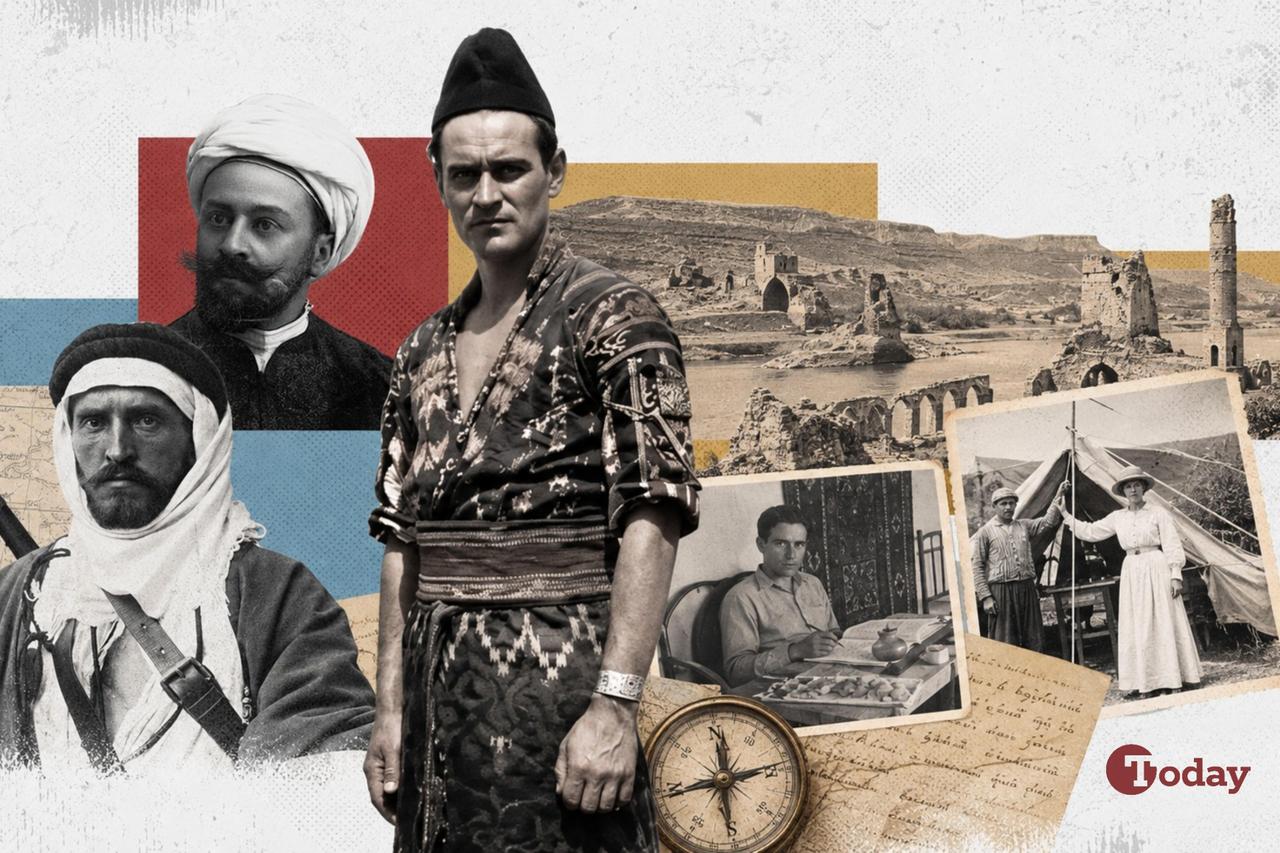


By day, they were Indiana Jones. By night, some magically became James Bond.
Armed with shovels, notebooks and a fascination for lost civilizations, foreign archaeologists ventured deep into the Ottoman Empire as the 19th century gave way to the 20th.
They unearthed ancient treasures, cracked forgotten languages and earned the trust of powerful figures.
But beneath the dust of their excavations lurked secrets far more explosive than anything they could dig out of the ground. Some were gathering intelligence, mapping strategic territory, and serving rival empires. One would help bring down Ottoman rule in Arabia; another would meet Türkiye's founder, teach Türkiye's future archaeologists and eventually land in prison for spying.
This was no Hollywood adventure. The archaeologists were real, the espionage was real, and the stakes were empires.
Archaeologists who excavated ancient cities, decoded lost languages and documented historical monuments across Ottoman territories also played roles in foreign intelligence operations, with some going on to shape wartime strategies and others facing espionage convictions in Türkiye.
Among them was German archaeologist Hans Henning von der Osten, who met Mustafa Kemal Ataturk, taught the first generation of Turkish archaeologists and later received an 11-year, eight-month prison sentence for espionage in 1941.
His case forms part of a wider history involving British archaeologists T. E. Lawrence, Gertrude Bell, David George Hogarth and Leonard Woolley, as well as German scholar Max von Oppenheim, whose archaeological, geographical and ethnographic expertise became valuable to intelligence organizations during the First and Second World Wars.
Their activities stretched from the ruins of Carchemish on today's Türkiye-Syria border to the deserts of Arabia, revealing how archaeological expeditions, field surveys and academic networks sometimes overlapped with military intelligence.
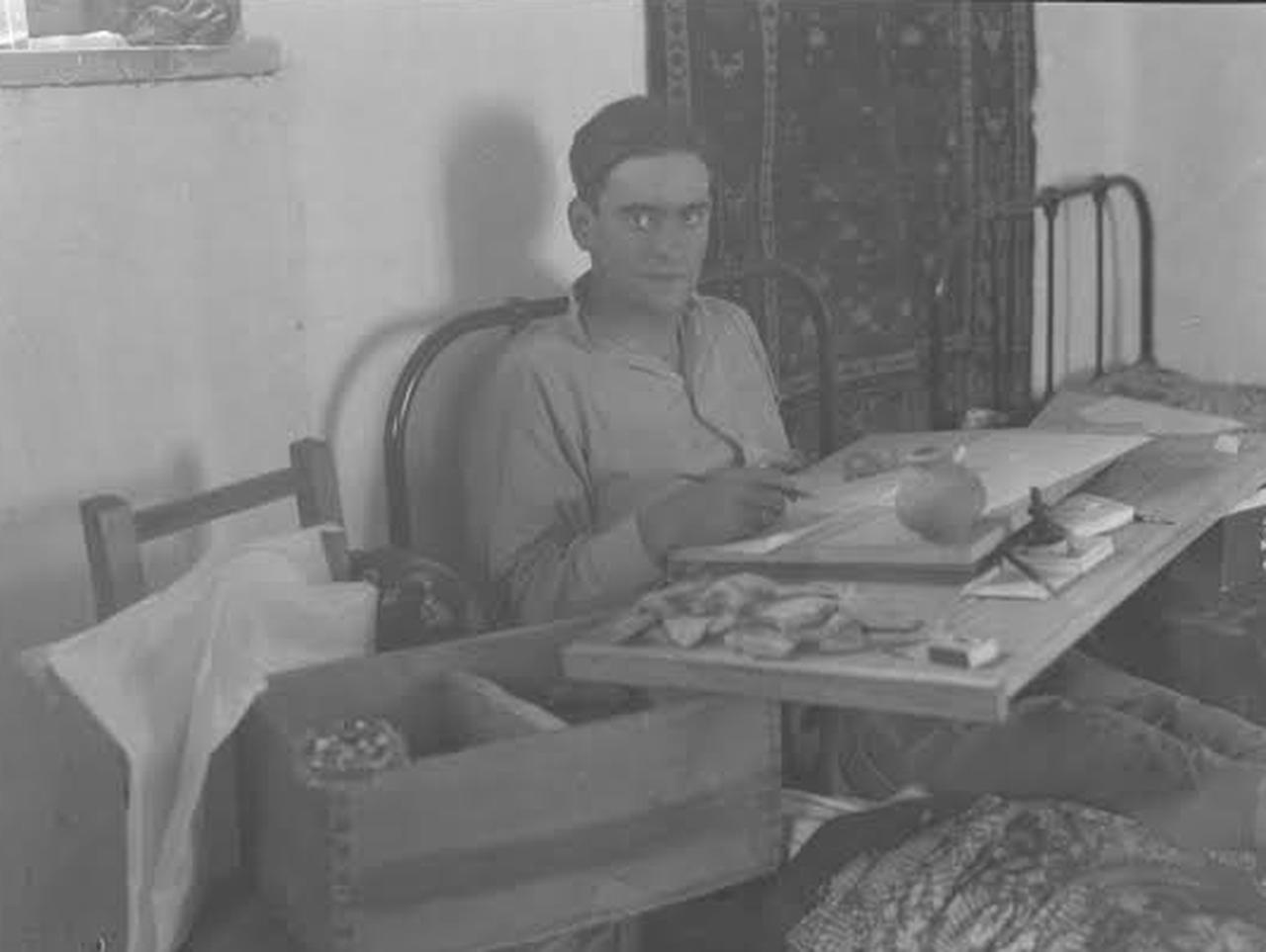

Hans Henning von der Osten, a German archaeologist known for excavating Alisar Hoyuk in central Türkiye, worked in Anatolia during the 1920s and 1930s on behalf of the University of Chicago's Oriental Institute.
He met Türkiye's founder Ataturk at Cankaya Mansion in Ankara on May 17, 1930, before undertaking archaeological work at Gavurkale, southwest of the Turkish capital, at the Turkish leader's request.
Von der Osten later joined Ankara University's Faculty of Language, History and Geography, known as DTCF, where he taught archaeology between 1936 and 1939. His students included Tahsin Ozguc and Nimet Ozguc, who subsequently became prominent figures in Turkish archaeology.
However, his academic career concealed a more complicated military history. Research published by Türkiye's Ataturk Research Center indicates that he had worked in military intelligence following his service in the First World War.
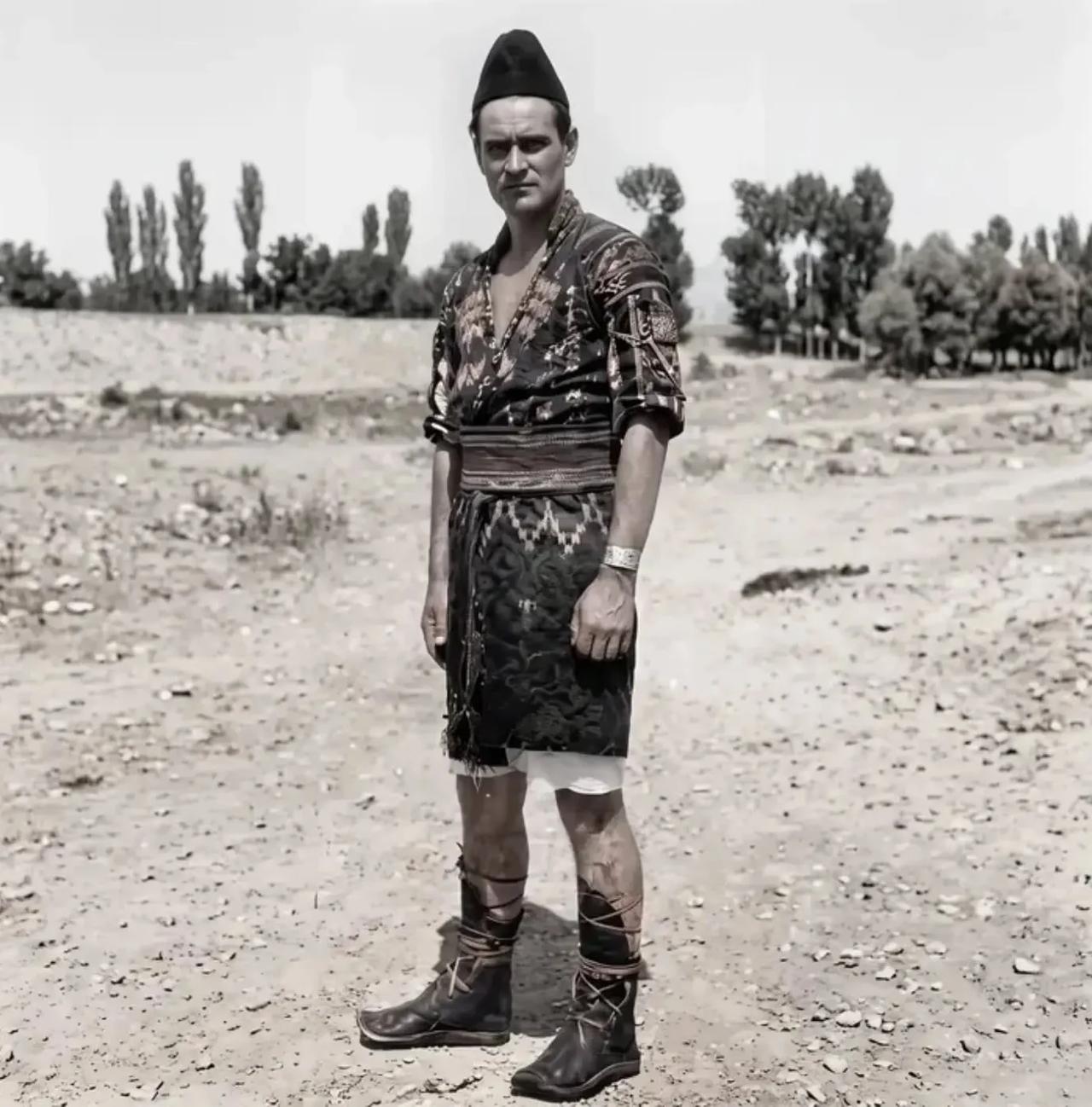
During the Second World War, Turkish authorities investigated his connections with German Admiral Wilhelm Canaris, who headed Germany's military intelligence organization, the Abwehr.
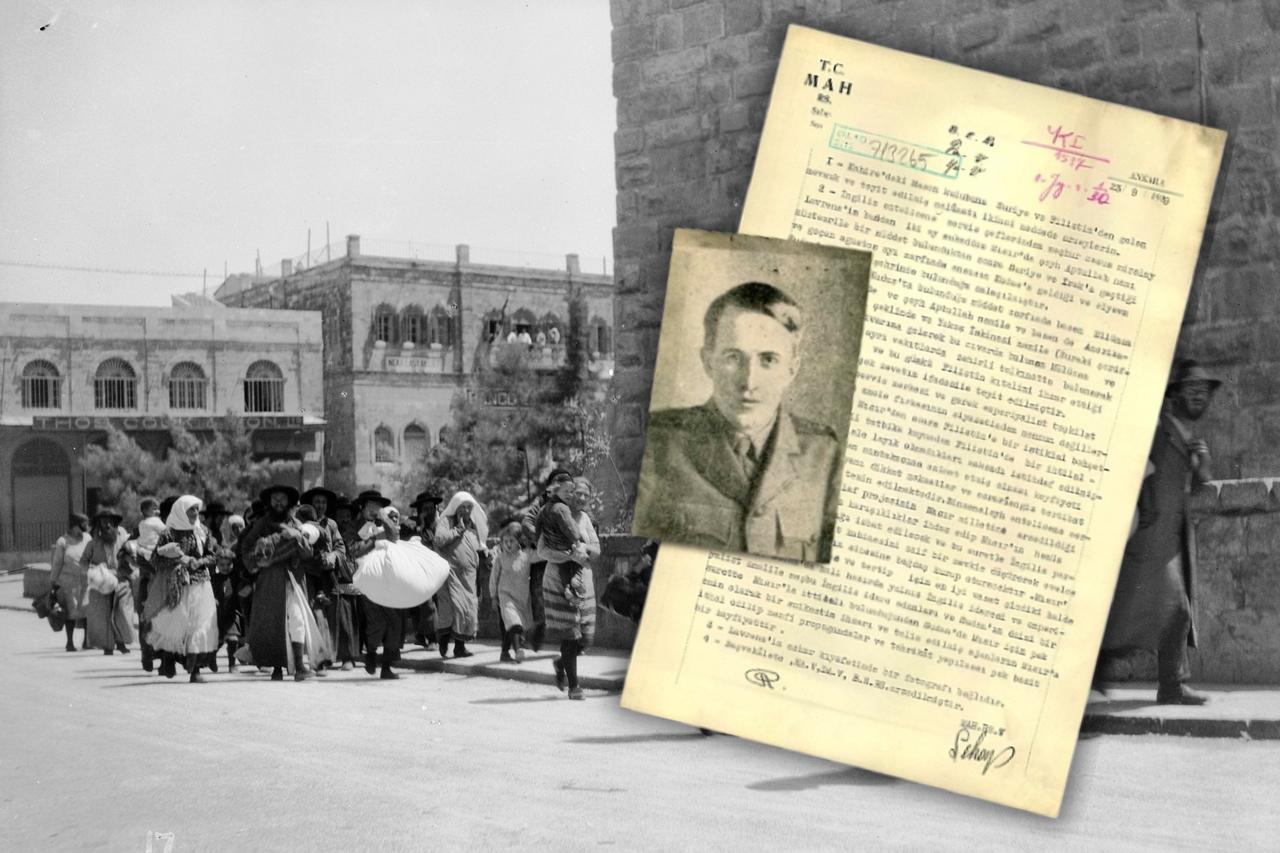
An Ankara military court convicted von der Osten of espionage on July 16, 1941, sentencing him to 11 years and eight months of imprisonment and permanently barring him from public service. A Turkish parliamentary amnesty in 1950 subsequently overturned the legal consequences of his sentence.
Research by Ridvan Golcuk and Fecri Polat, published in issue 182 of Archaeology and Art Magazine, examines his alleged leadership of a German military intelligence network in Türkiye, including intelligence concerning ammunition production in Kirikkale, Istanbul's Yesilkoy airfield, naval mine defenses in the Bosphorus and Turkish ports.
An account attributed to former student Tahsin Ozguc and later relayed by archaeologist Halil Tekin adds another detail: Von der Osten reportedly gave a Nazi salute to students seeing him off at Ankara railway station in 1938. Unlike his documented espionage conviction, however, this episode rests on a recollection passed down decades later.
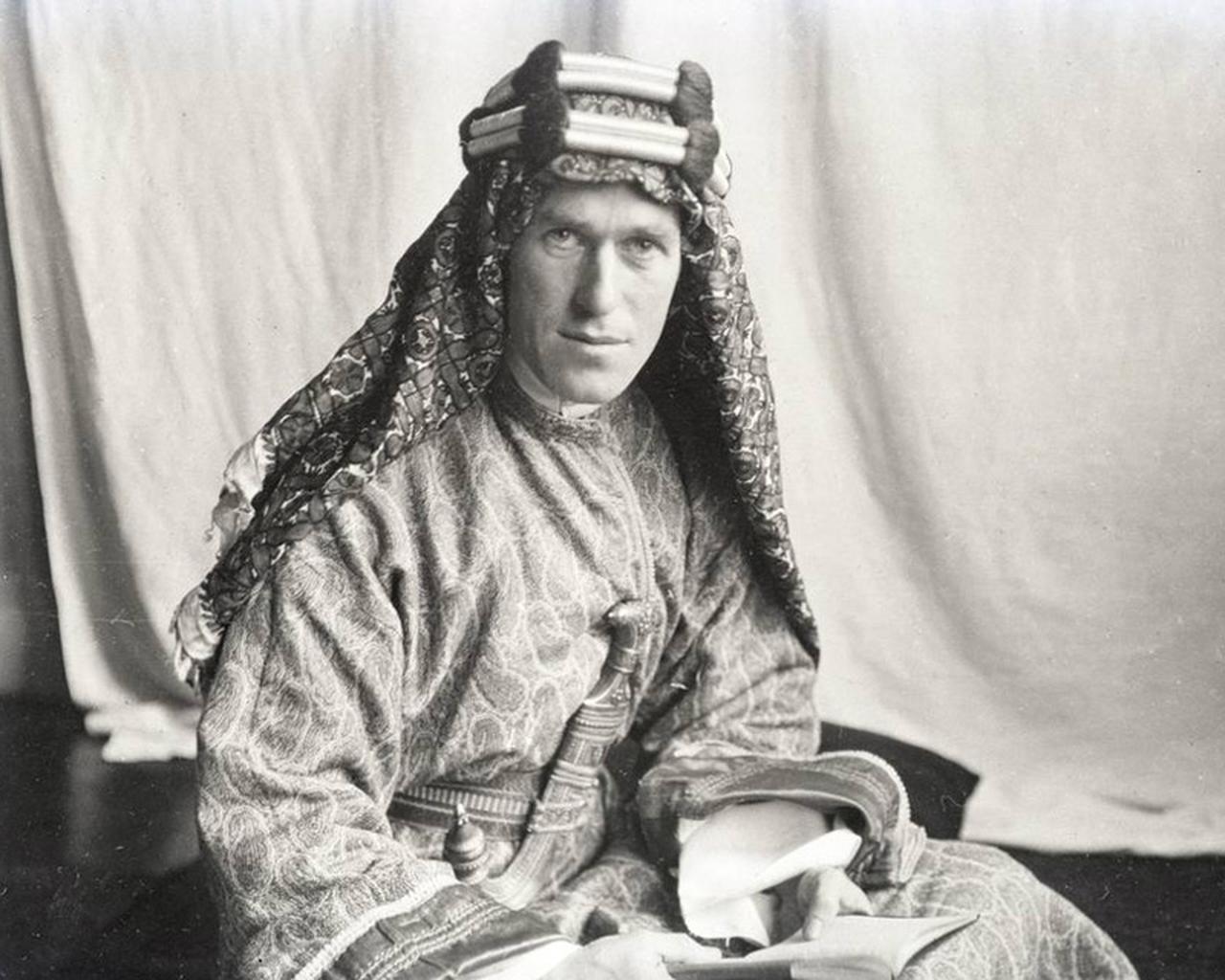
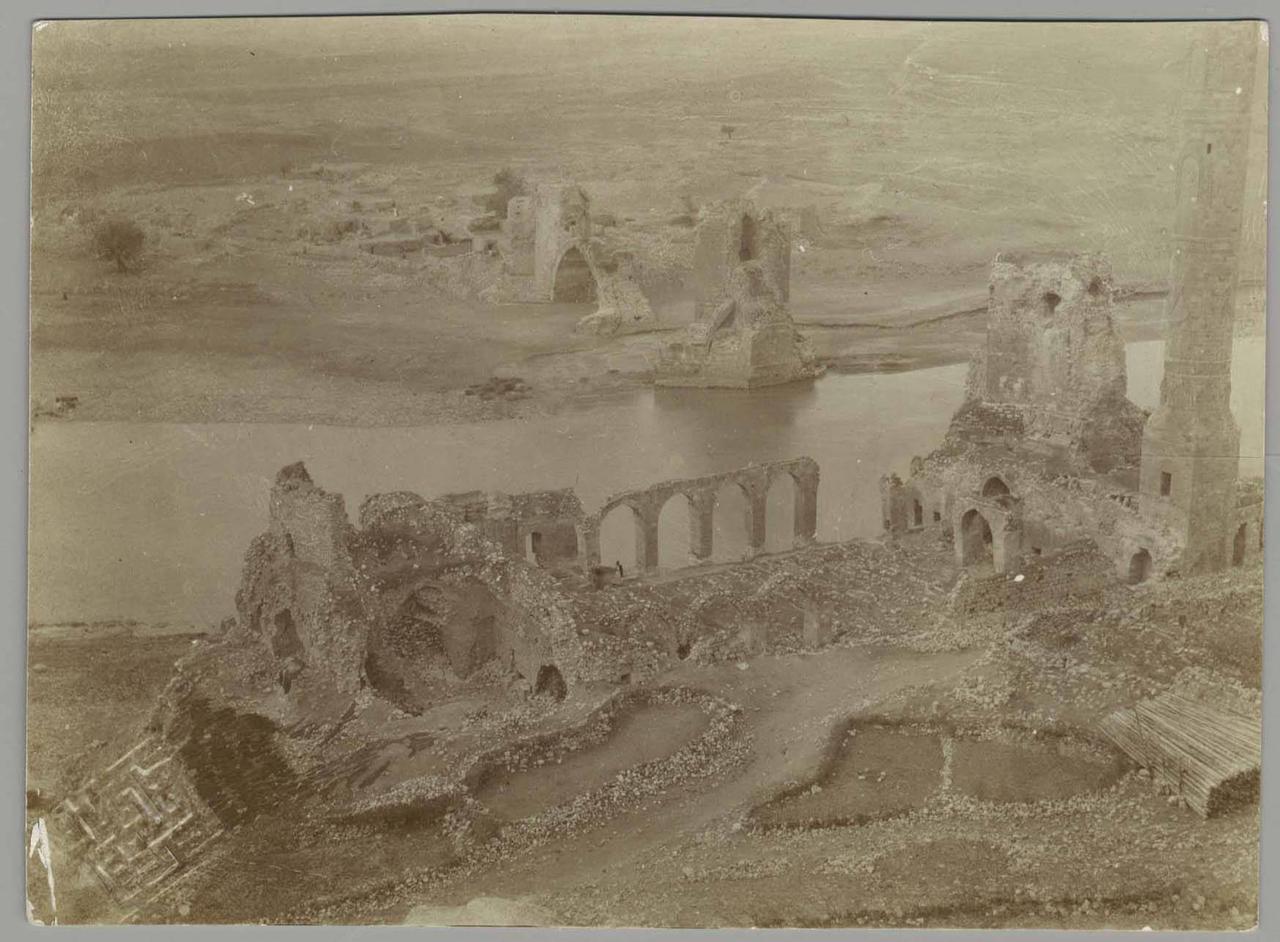
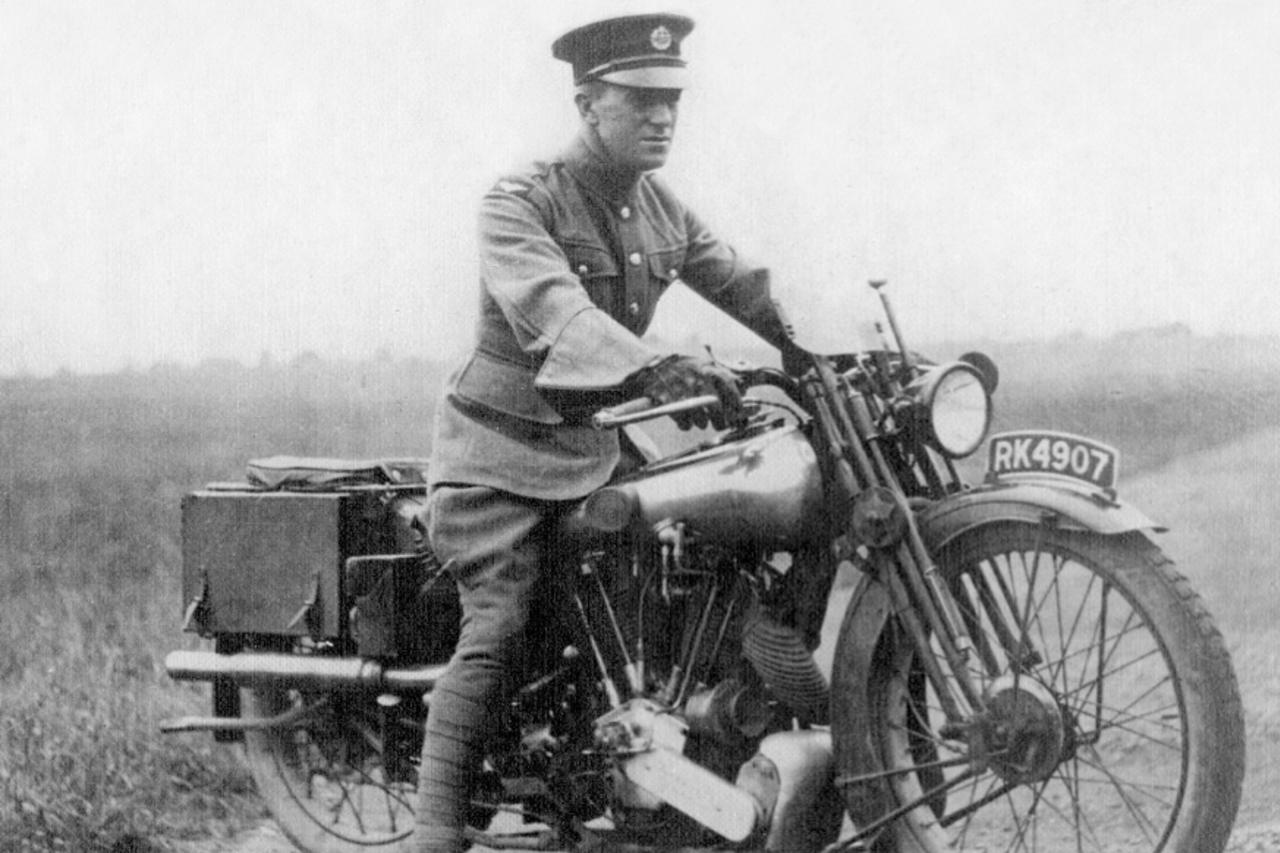
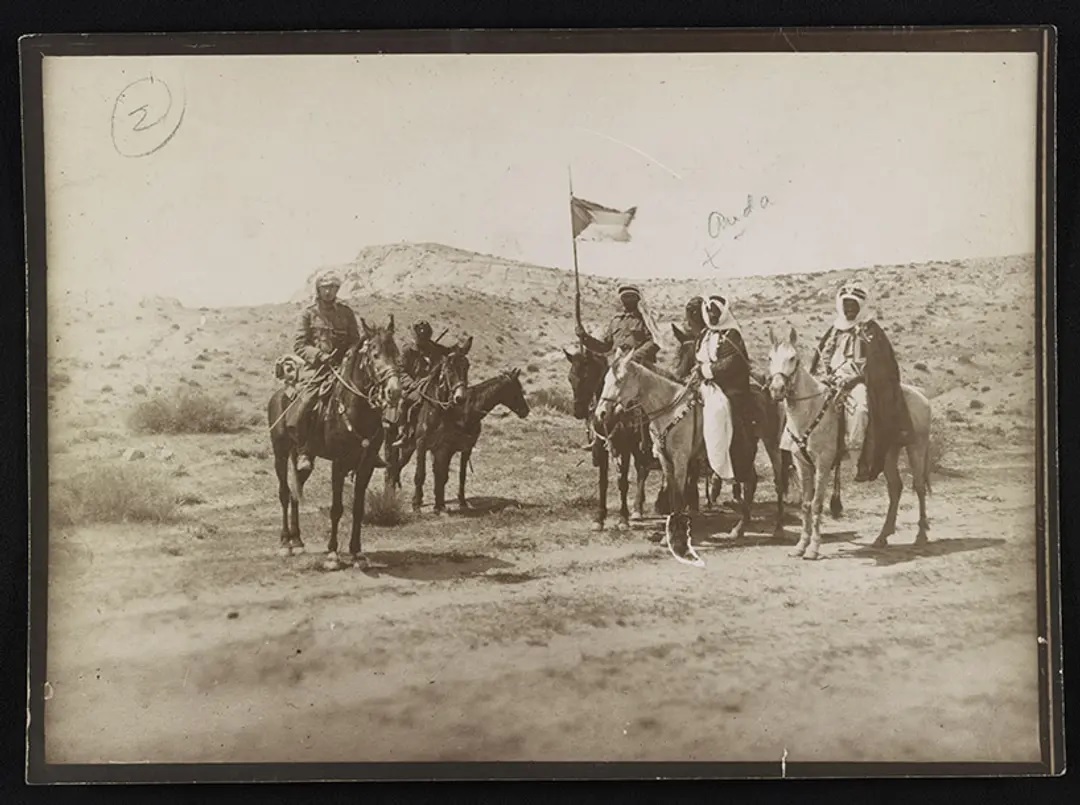
Before becoming internationally known as Lawrence of Arabia, British officer T. E. Lawrence worked as an archaeologist at Karkemish, or Carchemish, an ancient city associated with the Hittite world near today's Turkish-Syrian frontier.
Between 1911 and 1914, he participated in British Museum excavations alongside archaeologists David George Hogarth and Leonard Woolley.
In 1914, Lawrence and Woolley joined an archaeological survey in the Sinai and Negev regions, supported by the Palestine Exploration Fund, a British organization established to study the geography, history and archaeology of the region.
The expedition also provided cover for British military mapping operations. Information gathered about routes, terrain and water sources was valuable for understanding the approaches to British-controlled Egypt, particularly as tensions with the Ottoman Empire increased.
Following the outbreak of the First World War, Lawrence joined British military intelligence in Cairo and subsequently became involved in the Arab Revolt against Ottoman rule.
Woolley also served in British intelligence in Egypt before being captured by Ottoman forces in 1916 and held until 1918.
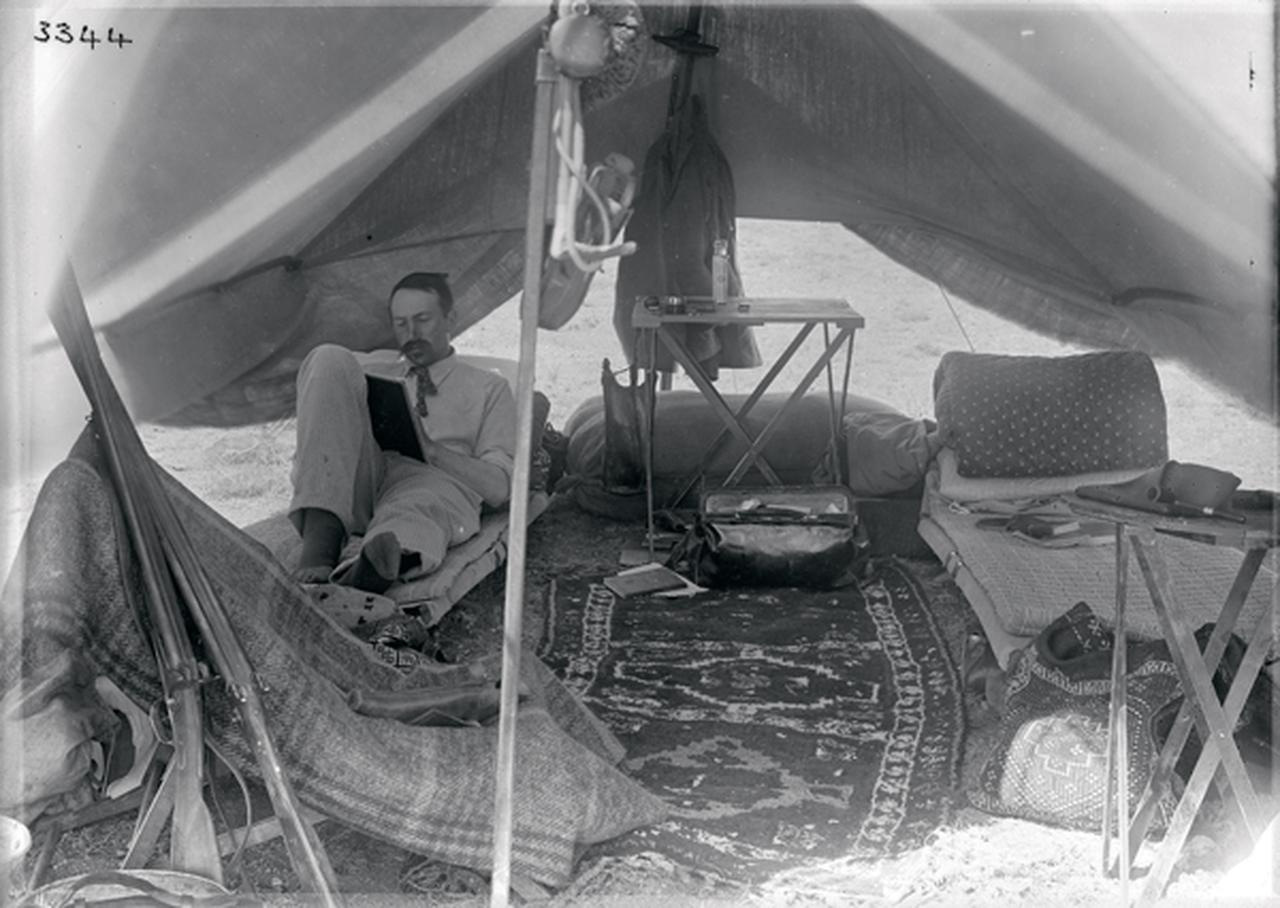
David George Hogarth, another leading figure in the Carchemish excavations, provides a direct link between British archaeological research and the intelligence establishment.
Before the war, Hogarth had worked at archaeological sites, including Ephesus in western Anatolia and Carchemish, where he helped establish the British Museum excavation project.
During the First World War, he moved into British intelligence and took charge of the Arab Bureau in Cairo in 1916.
The bureau brought together political and military information about Ottoman Arab territories, drawing on regional specialists whose knowledge of languages, geography and local societies had developed through years of travel and research.
Hogarth's relationships with Lawrence and Bell linked several prominent prewar researchers to the same British wartime intelligence organization.
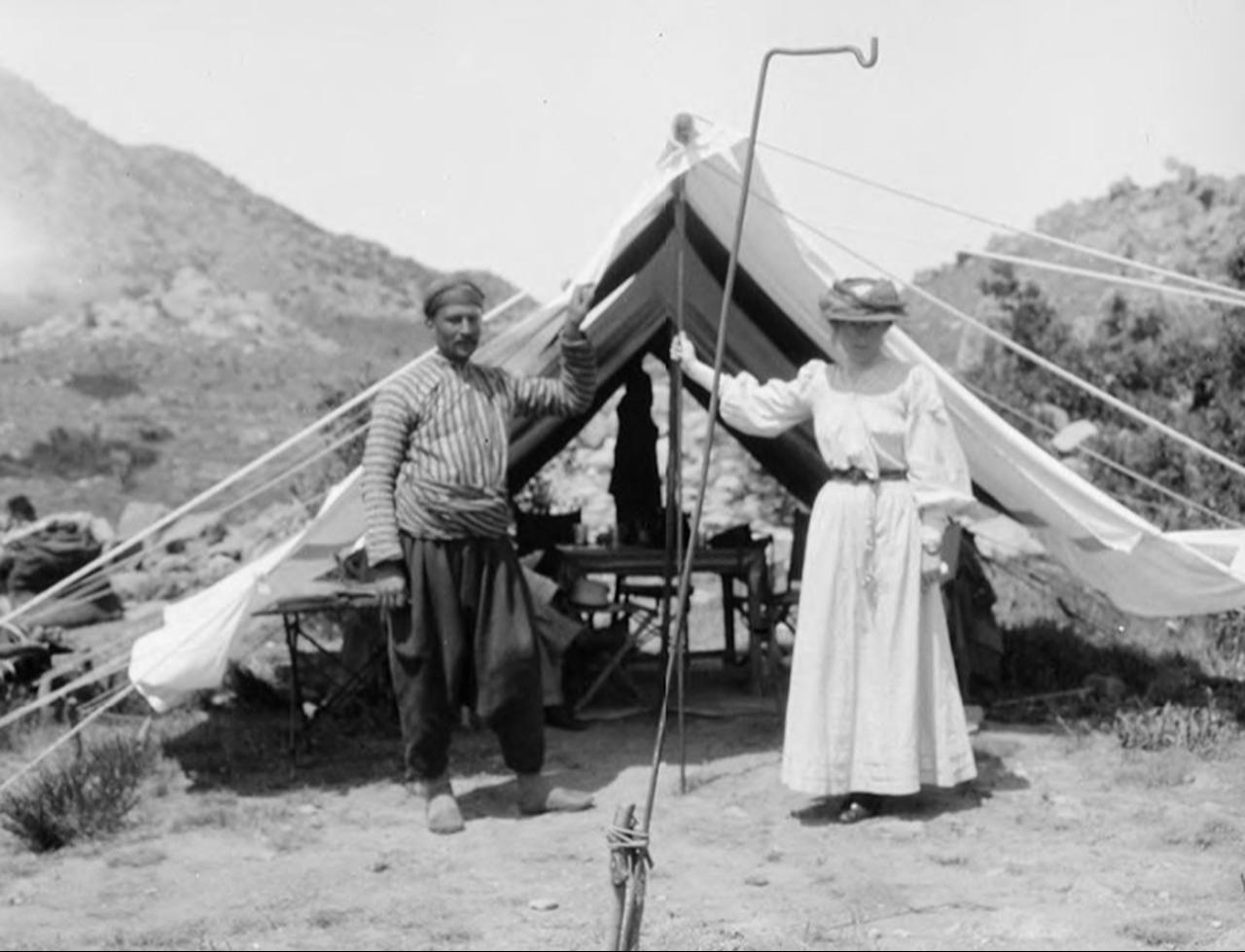
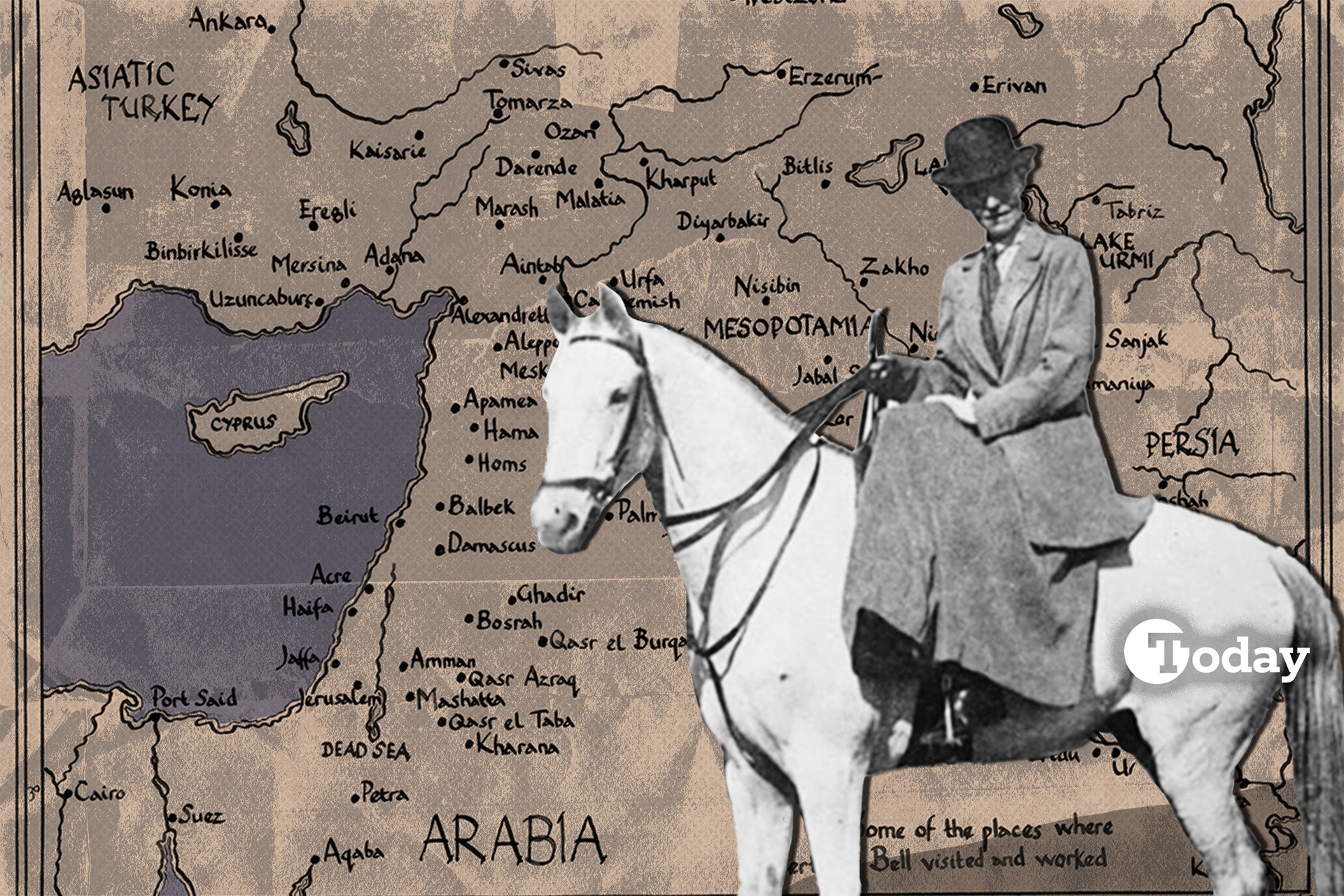
British archaeologist, traveler and historian Gertrude Bell spent years documenting ancient settlements, landscapes and communities across Anatolia, Syria and Mesopotamia, a historical region covering much of modern Iraq and surrounding territories.
Her extensive knowledge of tribal relationships and local political structures later became important to British wartime operations.
Bell joined the Arab Bureau and subsequently worked in Basra under British political officer Percy Cox, preparing assessments of communities, religious groups, tribal leadership and political developments.
British Library records preserve reports and correspondence connected to her work in Mesopotamia during 1916 and 1917.
After the war, Bell took part in the British-backed political and administrative reorganization of Iraq, demonstrating how regional expertise acquired partly through archaeological exploration could move into government and state-building.
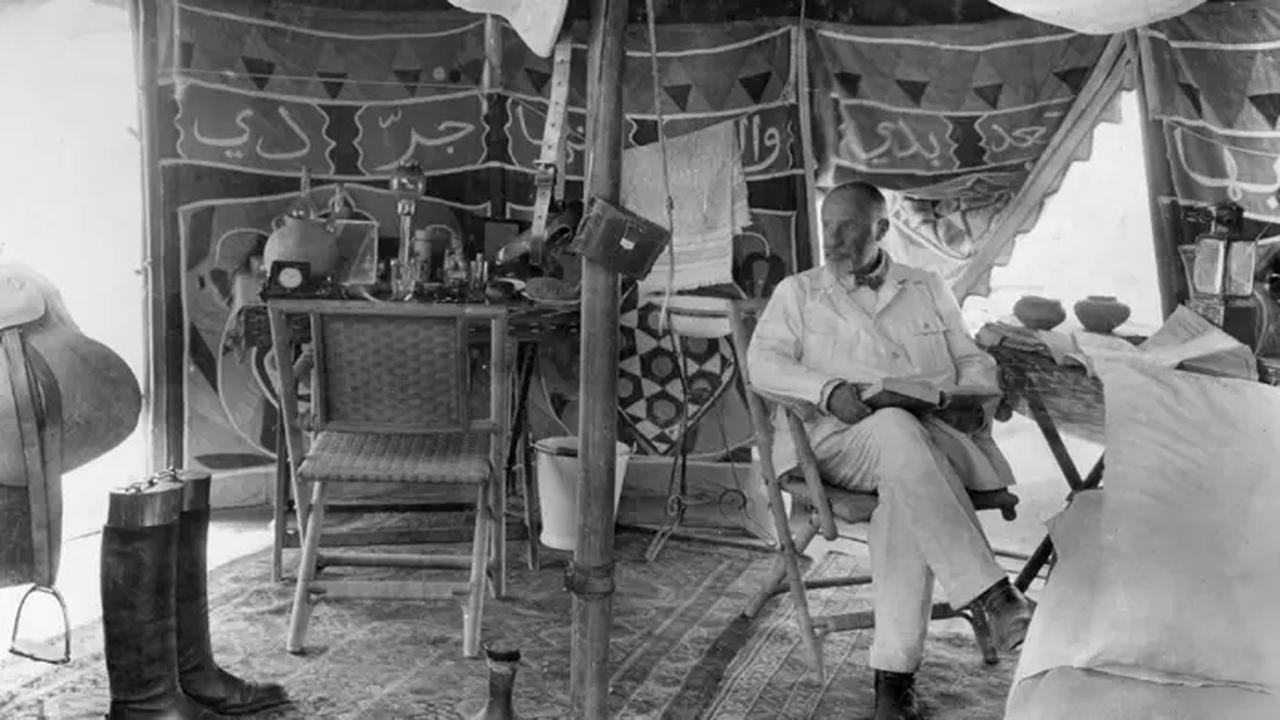
British archaeologists were not the only researchers whose careers crossed into intelligence and political warfare.
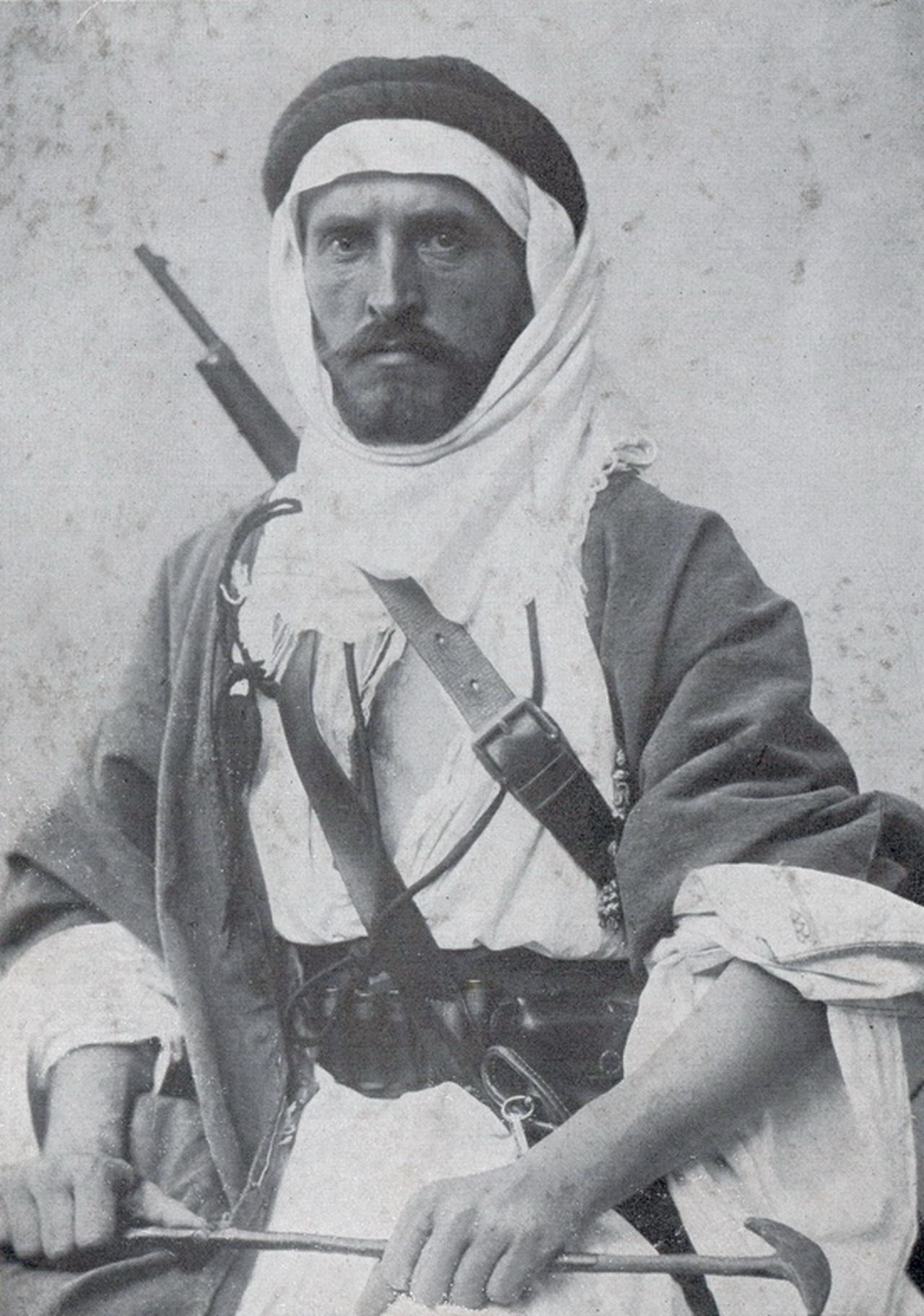
German diplomat and archaeologist Max von Oppenheim, known for his excavations at Tell Halaf in northern Syria, became involved in Germany's efforts to undermine its wartime enemies.
In 1914, he prepared a memorandum proposing that Germany encourage unrest among Muslim populations living under British, French and Russian rule.
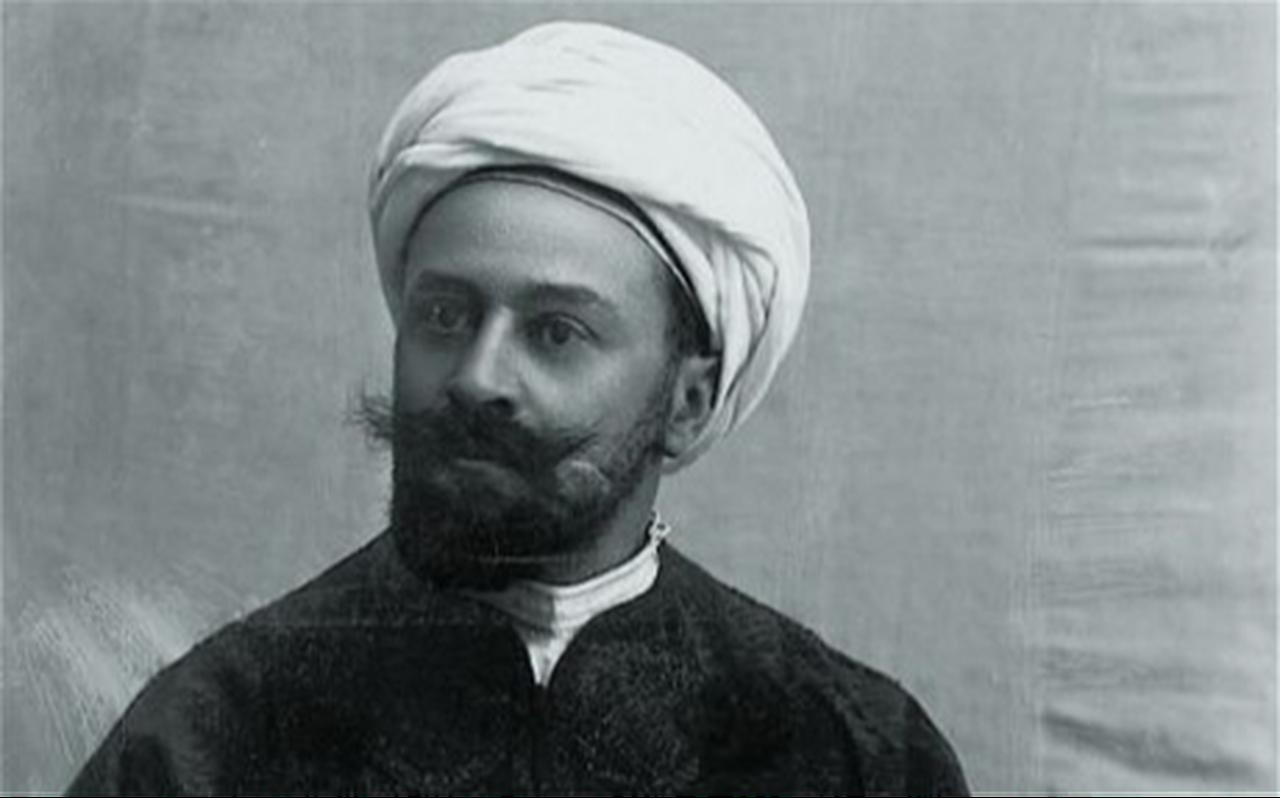
He subsequently headed the Nachrichtenstelle fur den Orient, a Berlin-based organization involved in wartime propaganda and intelligence-related activities targeting the Middle East and other regions.
Oppenheim continued his work in Ottoman territory in 1915, seeking to mobilize political and religious networks against the Entente powers, Germany's wartime opponents.
Unlike the British intelligence officers operating against the Ottoman Empire, Oppenheim carried out these activities while Germany and the Ottomans were military allies.
Other European scholars also moved between research and wartime assignments, although their activities cannot all be classified as espionage.
Austro-Hungarian orientalist Alois Musil, whose travels across the Arabian Peninsula produced extensive geographical and ethnographic knowledge, participated in political missions connected to Austria-Hungary's wartime interests in Ottoman Arab territories.
German archaeologist Theodor Wiegand, meanwhile, headed a German-Turkish monument protection unit during the First World War. His work received military support, and German aviation units were instructed to assist with the systematic aerial photography of archaeological sites.
Another German scholar, Ernst Herzfeld, who had carried out archaeological research along the Euphrates and Tigris, received a wartime military assignment that enabled him to travel as a cartographic specialist in Iraq and Iran.
These activities document links between military institutions and scholarly research but do not by themselves establish that each archaeological expedition was a covert intelligence operation.
The distinction also applies to the Czech-born Hittitologist Bedrich Hrozny, who deciphered the Hittite language while serving in the Austro-Hungarian military, and British archaeologist John Garstang, who investigated Hittite sites in Anatolia. Neither has been established as an espionage operative on the evidence considered here.
The connections between archaeology and intelligence extended across several generations, beginning with expeditions through the late Ottoman Empire and continuing into the Second World War.
For Lawrence, Woolley, Hogarth and Bell, the transition from archaeological fieldwork into British intelligence is documented through wartime service and institutional records. Oppenheim's activities demonstrate the parallel use of regional scholarship in Germany's wartime political operations.
Von der Osten's case stands apart because his career in Republican Türkiye, including direct contact with Ataturk and a teaching position at Ankara's first generation of archaeology institutions, was followed by a formal espionage conviction in a Turkish military court.
Together, the cases document how scholarly knowledge of Ottoman and Turkish territory, including its ancient ruins, transport routes, landscapes and communities, could take on strategic importance during two world wars.


 Set as preferred source
 Set as preferred source


 1 min read
 1 min read


