Newsletters


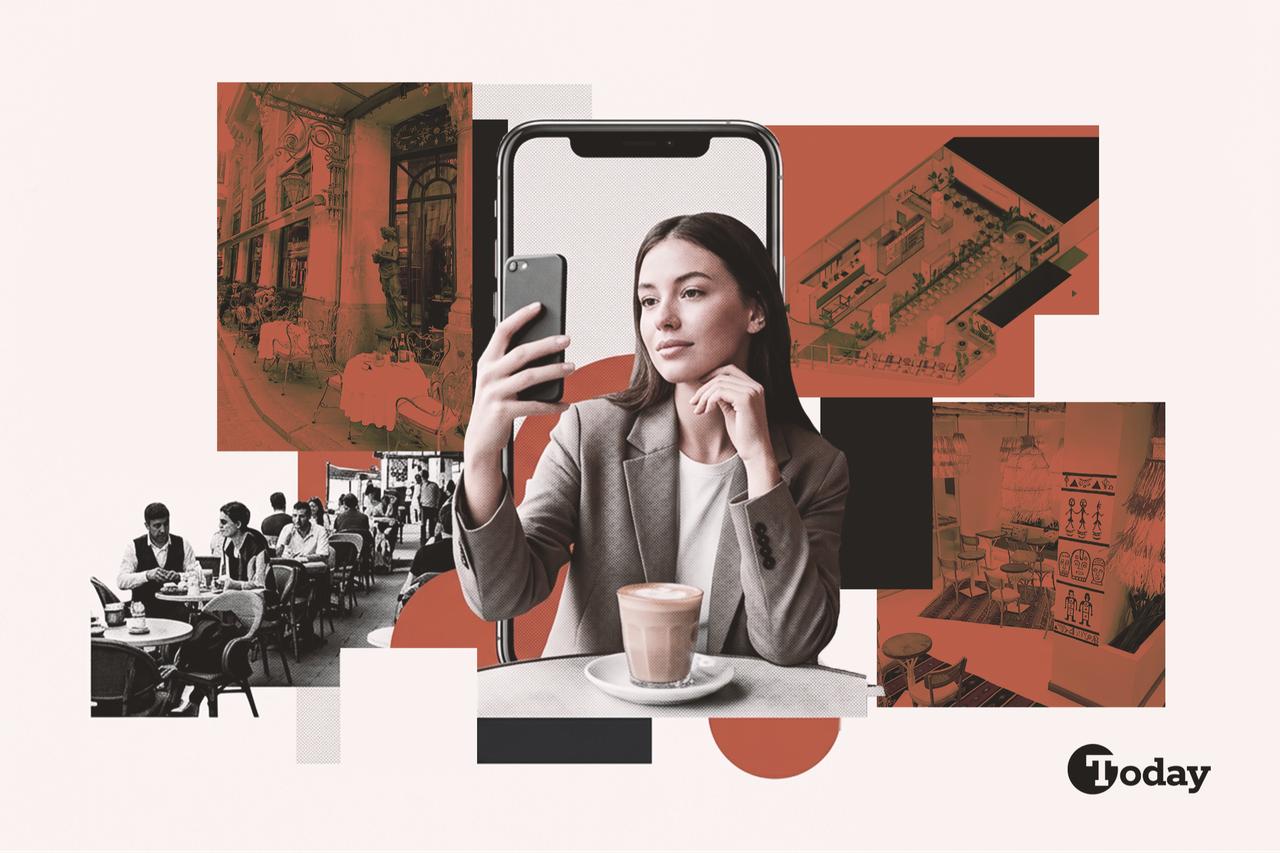


A young woman adjusts a Dior handbag beside her untouched latte. Across the table, her friend places a Chanel lipstick beside a vintage camera, sliding two coffees and a croissant into the afternoon light of Sirkeci Lokantasi 1912.
They exchange seats, switch cups, and check their phones, posing for another photograph. Twenty minutes pass before either takes a sip.
Outside, the tram rattles past Sirkeci Station as tourists weave between spice shops and bookstores, a simit seller calls to the crowds and ferries cross the Golden Horn.
Inside, the coffee grows cold.
"Ordinary tables have become temporary film sets where influencers adjust, stage and record moments before they are lived," the restaurant’s worker tells me.
For years, Dubai marketed itself as the Middle East's playground for influencers and entrepreneurs—a city of rooftop pools, luxury hotels, and endless sunshine where social media dreams could become reality.
But a growing number of creators, digital nomads and expatriates are now looking elsewhere.
While some of the wealthiest influencers are choosing cities such as Milan, others with smaller budgets but similar ambitions are gravitating toward Istanbul, where visually rich content can be created without billionaire budgets.
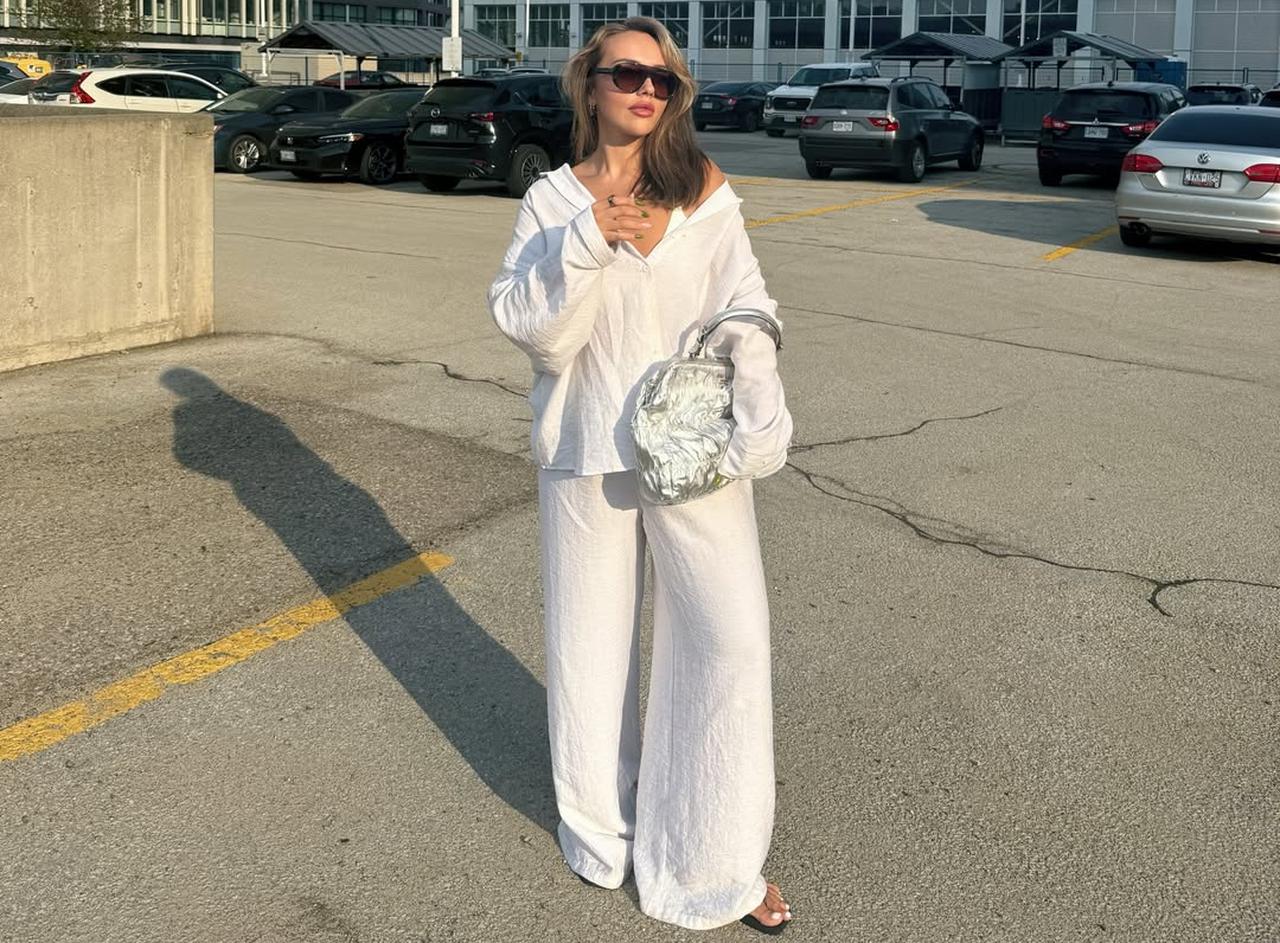

Canadian influencer Natali Ambri, who moved to Dubai in her early twenties before eventually leaving, said the city's glamor could not outweigh the uncertainty of temporary residency and employment.
"I don't regret Dubai, but no visa in the world is worth sacrificing your youth," she said.
"You can invest your skills, your energy and your loyalty into a job and still lose everything overnight. Maybe the discomfort isn't there to punish you, but to redirect you."
Türkiye now has more than 2,730 branded coffee shops—making it Europe’s fifth-largest branded market, with projections hitting 3,300 outlets by 2028—as thousands of independent and chain venues compete fiercely for digital real estate.
Yet, many young creators see in this chaotic growth something they can never find in Dubai: history, culture, and a sense of spontaneity that cannot be manufactured.
Unlike the Gulf city's polished skyline of glass towers, Istanbul offers Ottoman mansions beside graffiti-covered streets, centuries-old cafes next to modern design studios and ferries crossing between Europe and Asia. For content creators, almost every corner becomes a backdrop.
The transformation is increasingly visible inside the city's cafes, where interior design now serves a second purpose beyond hospitality.
Today's venues double as content studios where, as digital marketing strategist and Kadir Has University lecturer Aysegul Bulut Atalay notes, “A cafe is no longer just a cafe; it can become part of someone's personal brand."
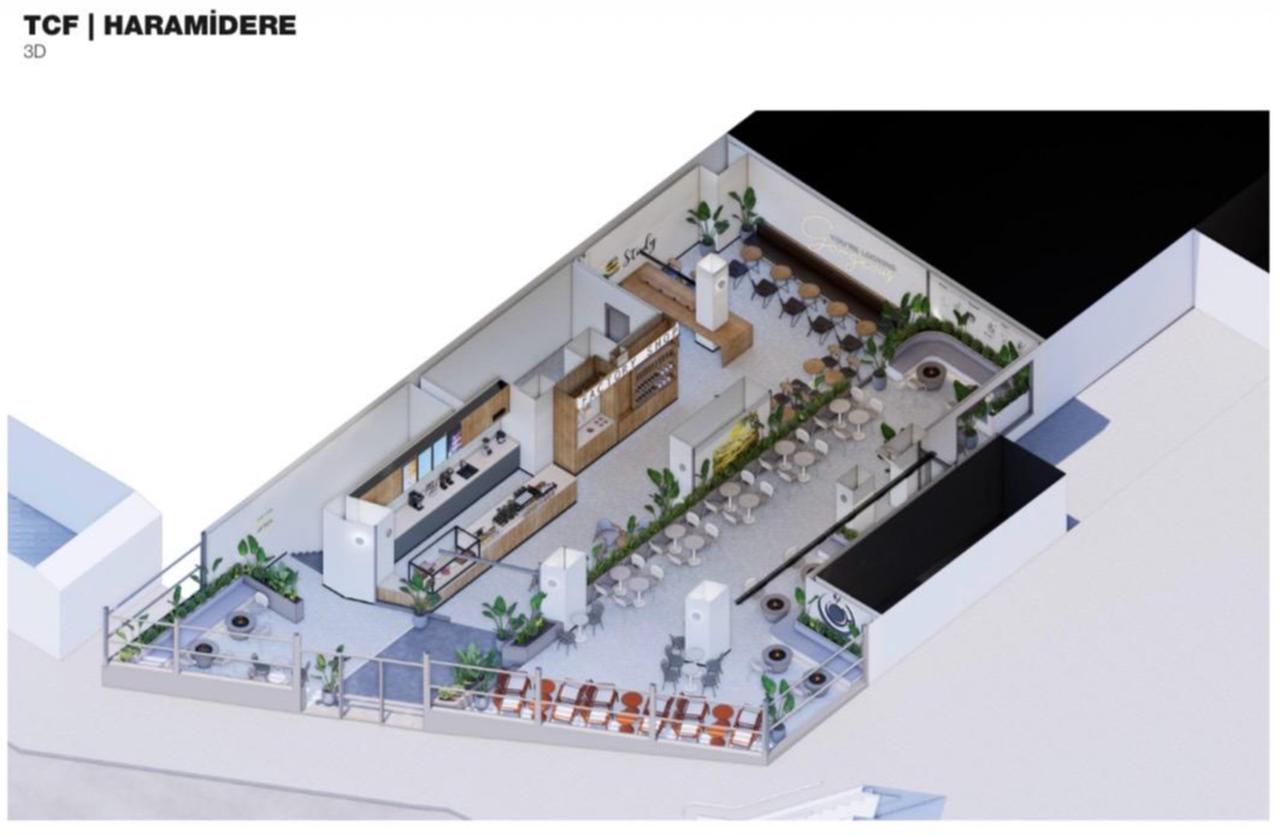
Interior designer Meryem Ali, a graduate of Kadir Has University, said clients increasingly ask for spaces that look as good through a smartphone camera as they do in real life.
"People often discover places through Instagram or TikTok before visiting them," she continued. "Lighting, materials and memorable spaces have become part of the design process. Creating a strong visual identity is now essential."
Unique furniture, statement mirrors and signature photo corners are among the most common requests from cafe owners hoping to attract attention online, she said, but aesthetics alone are not enough.
"A beautiful photo may attract customers once, but comfort is what brings them back," she added.
This balance is crucial because, as Atalay explains, modern consumers buy experiences for the meanings they communicate, making “the aesthetics of the experience ... almost as important as the experience itself.”
The rise of content creation has also created new challenges for cafe owners.
"Sometimes customers remain seated for hours after ordering a single coffee while filming content, forcing staff to ask them to order again or leave politely," said Furkan, owner of Gua Cafe in Istanbul's Agaoglu district.
Some cafes in Istanbul and Ankara have also begun limiting laptop use and Wi-Fi access, sparking debate between business owners and remote workers.
For many businesses, influencer marketing has become part of survival.
"People trust Instagram so much," Furkan said. "That's why cafes have to collaborate with influencers."
According to him, the cafe invites creators every two weeks through its social media manager, offering complimentary coffee and desserts while paying established influencers ₺10,000 ($216.09) or more, depending on their audience size and engagement. The strategy, he said, has increased sales by around 65%.
For years, Dubai exported an image of effortless success. In the process, luxury became more than a lifestyle—it became a performance.
Today, many creators say that performance has become increasingly difficult to sustain. Rising living costs, economic uncertainty and an intensely competitive job market have prompted many expatriates to reconsider their future in the emirate.
While no official figures track influencer migration, relocation agencies, co-working spaces and influencer managers interviewed for this article all described growing interest in Istanbul as an alternative base.
Yet for many hospitality workers arriving in the Turkish metropolis, the city tells a very different story.
Klahan, a veteran hospitality worker, arrived in Istanbul three months ago after spending more than a decade in Dubai. Finding work there, he said, had become increasingly difficult.
"My friend and I lost our jobs in Dubai after working there for more than a decade because of economic issues, especially after the war in the Middle East that no one understands unless they live there," he argues. "Istanbul is the best choice: no unexpected missiles, freedom and stability."
His story reflects a quieter, more urgent migration unfolding alongside the movement of high-profile influencers. Klahan’s sudden displacement mirrors a wider regional reality.
When the U.S.-Israeli war with Iran spilled directly into the Gulf, strikes briefly hit Terminal 3 at Dubai International Airport and sent debris raining over Jebel Ali Port, plunging the region's tourism and aviation sectors into an abrupt chill.
The resulting corporate layoffs across luxury hospitality have forced thousands of displaced workers to search for stability and new opportunities in Türkiye's largest city.
According to The Times, around 30,000 expats quietly exited the UAE following the outbreak of the 2026 Iran war, as retaliatory drone and missile strikes shattered the long-held narrative that the Gulf was an untouchable sanctuary for foreign talent.
Perhaps the biggest transformation is not geographical, but psychological.
According to Atalay, this shift has fostered a “performative lifestyle,” where people seek out experiences largely for public display rather than purely for personal enjoyment.
From drinking coffee to choosing a travel destination, everyday choices have increasingly transformed into tools for building an online identity.
For psychologist Ali Bostanci, this behavioral trend points to a much deeper social shift.
"People don't want to feel left out," he suggested. "They believe they have to follow trends because society rewards visibility. They are searching for acceptance and validation."
He argues that fame itself has changed meaning.
"In the past, people became famous because of a talent or achievement. Today, people are famous simply because they are seen."
For Bostanci, social media has become an emotional defense mechanism—a space where security, belonging, and happiness are curated as a shield against a deeply volatile real world.
"You can rent an apartment, borrow a luxury bag or take photos in expensive places and create an image that isn't your reality," he said. "People are selling a lifestyle more than they are living one."
According to him, many users now live two parallel lives—one experienced in reality and another carefully edited online.
"When you open social media, you should understand that you are watching a professionally produced film," he said. "It has very little to do with reality."
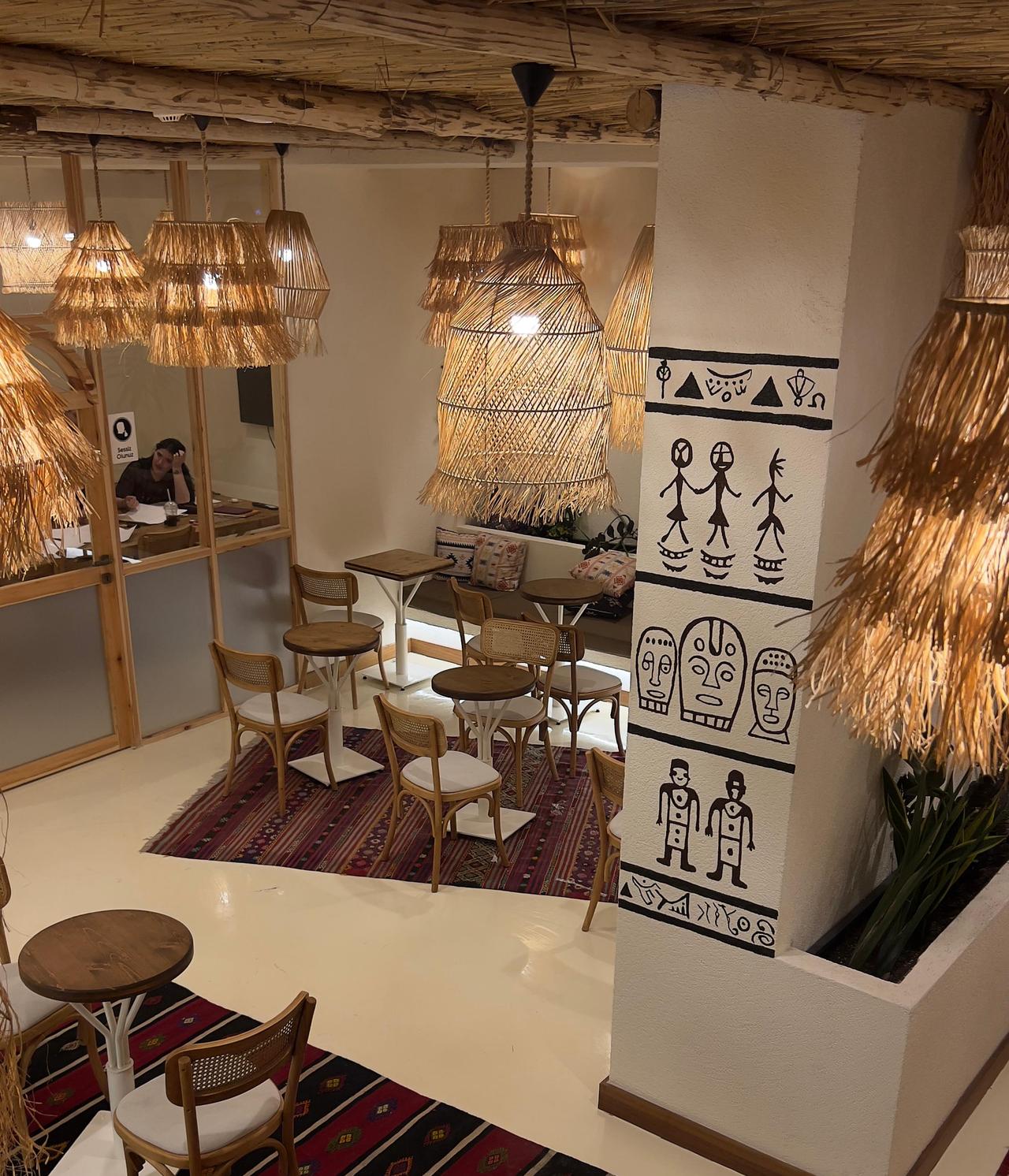
At Gua Cafe, mornings belong to students and remote workers quietly typing behind laptops. By evening, phone flashes replace keyboards.
At one table, three well-dressed Russian women celebrating a birthday ordered three coffees and a slice of cake. Natasha, 28, one of the group, moved to Istanbul after spending three months in Dubai.
"In Dubai, presentation is everything," she said. "The city thrives on projected success. If you don't keep up, you feel left behind."
For her, Dubai sells aspiration while Istanbul sells authenticity—and authenticity has become social media's newest luxury product.
The contrast is also financial.
Renting a one-bedroom apartment in Istanbul's Sisli district typically costs between ₺20,000 and ₺60,000 a month, depending on the neighborhood and building, while a comparable apartment in Dubai can cost between 40,000 and 100,000 dirhams per month (roughly ₺500,000 to more than ₺1 million).
Dubai's home price index fell 5.9% in March, the first decline since 2020 after a pandemic-era surge of around 70%.
Fitch Ratings forecasts corrections of up to 15% through 2026, while expatriates—who make up nearly 90% of the UAE's workforce—are increasingly leaving amid regional uncertainty and rising living costs
Even a simple cup of coffee highlights the difference: in Dubai, it typically costs around 35 dirhams ($9.53), while in a regular cafe in Istanbul it costs around ₺200 ($4.32).
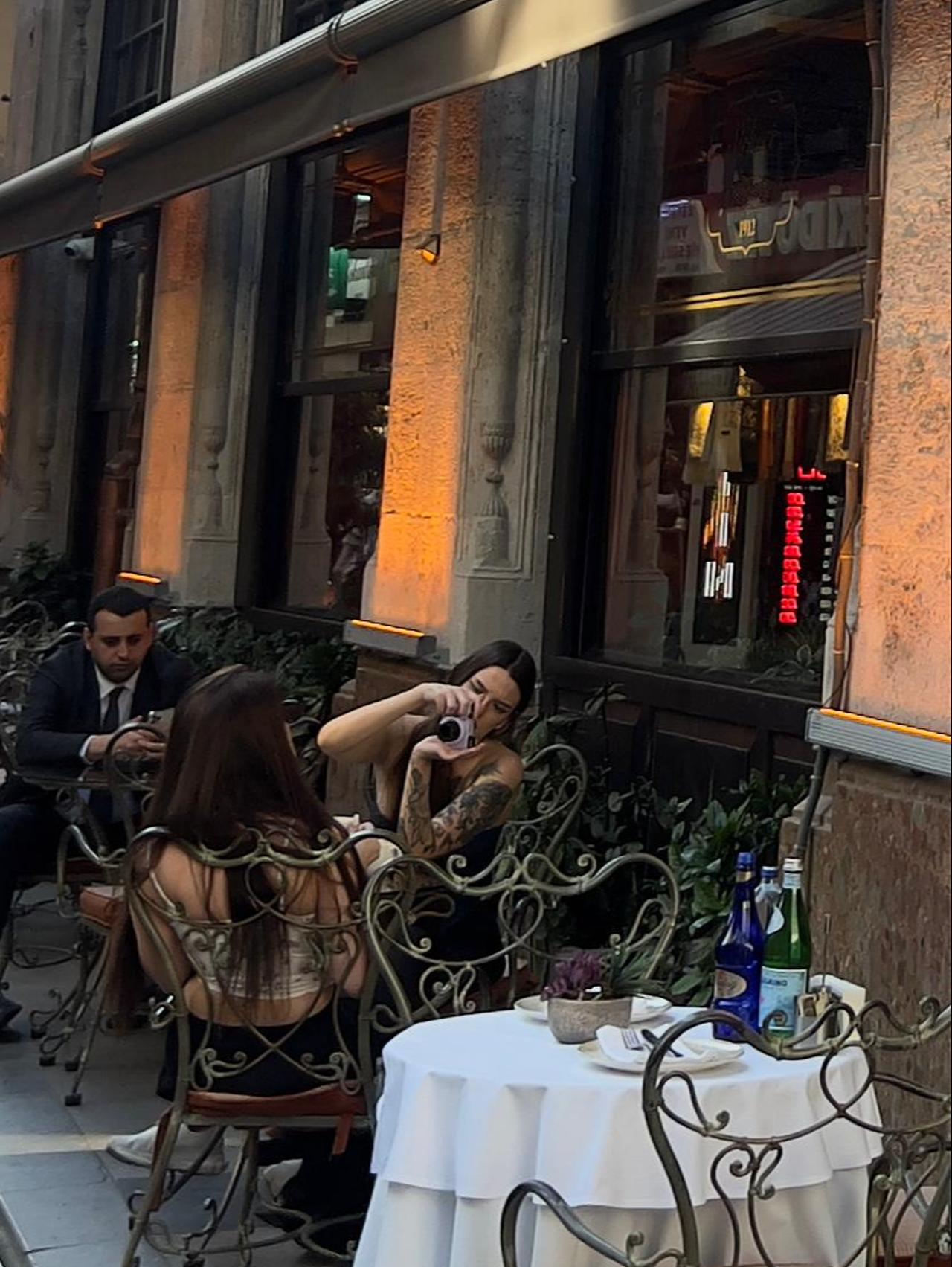
Back at Sirkeci Lokantasi 1912, general manager Sidar Yasar said families once came for warm meals, long conversations and shared memories. Today, many younger visitors arrive for a quick photo shoot, asking for the Wi-Fi password before they look at the menu.
"Some even order only coffee," he said with a smile, "then photograph another table's expensive meals."
What is unfolding across Istanbul's cafes is about far more than coffee or influencers. It reflects a generation searching for belonging, visibility and authenticity in an age where almost every moment can be turned into content. The irony is striking: in a city built on centuries of real history, millions now arrive hoping to stage and curate their own.
Tomorrow, another untouched latte will be pushed into the sunlight and another camera will rise before the first sip.
Yet while stories disappear into algorithms within hours, ferries will keep crossing the Bosphorus, and vendors will keep calling through Sirkeci's streets.
Long after the posts fade, Istanbul will still be there—waiting to be experienced before it is photographed.


 Set as preferred source
 Set as preferred source


 3 min read