Newsletters


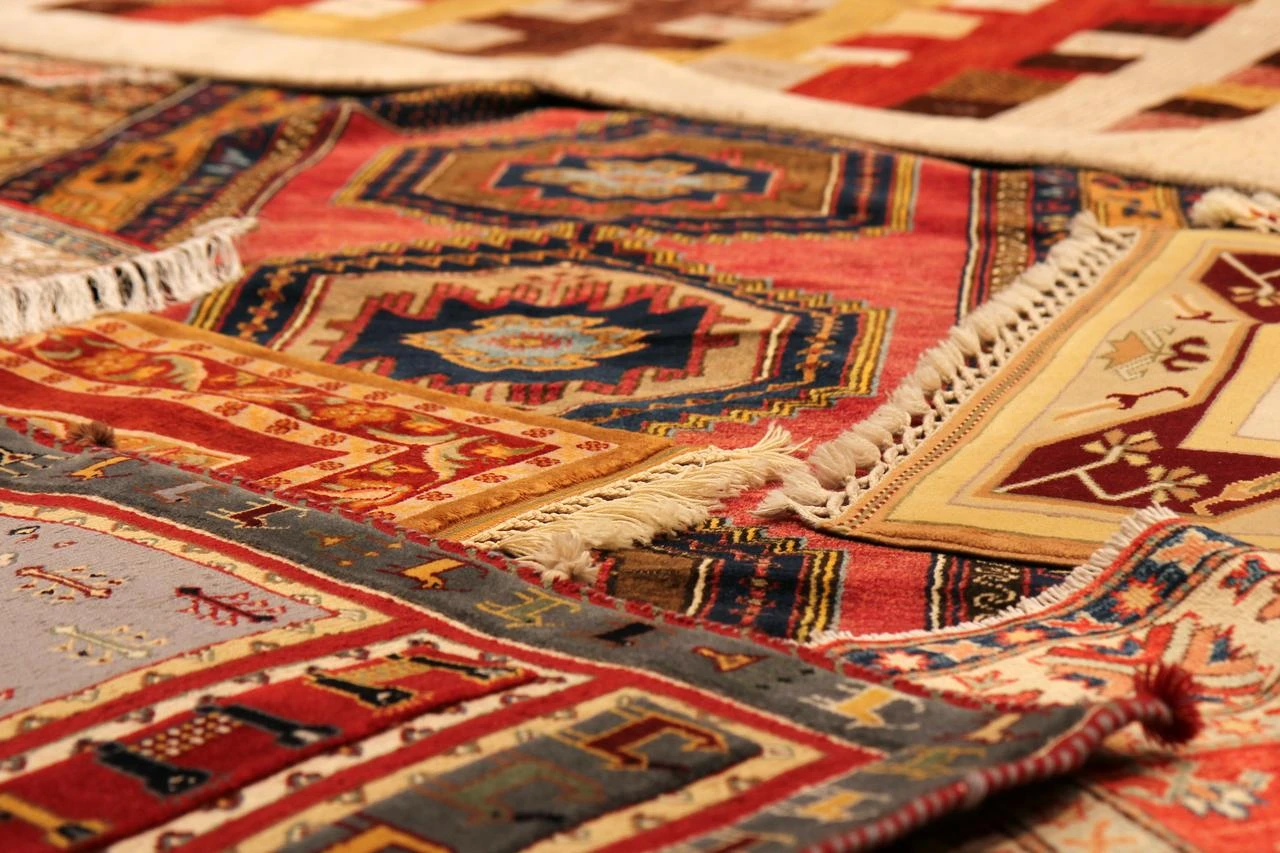


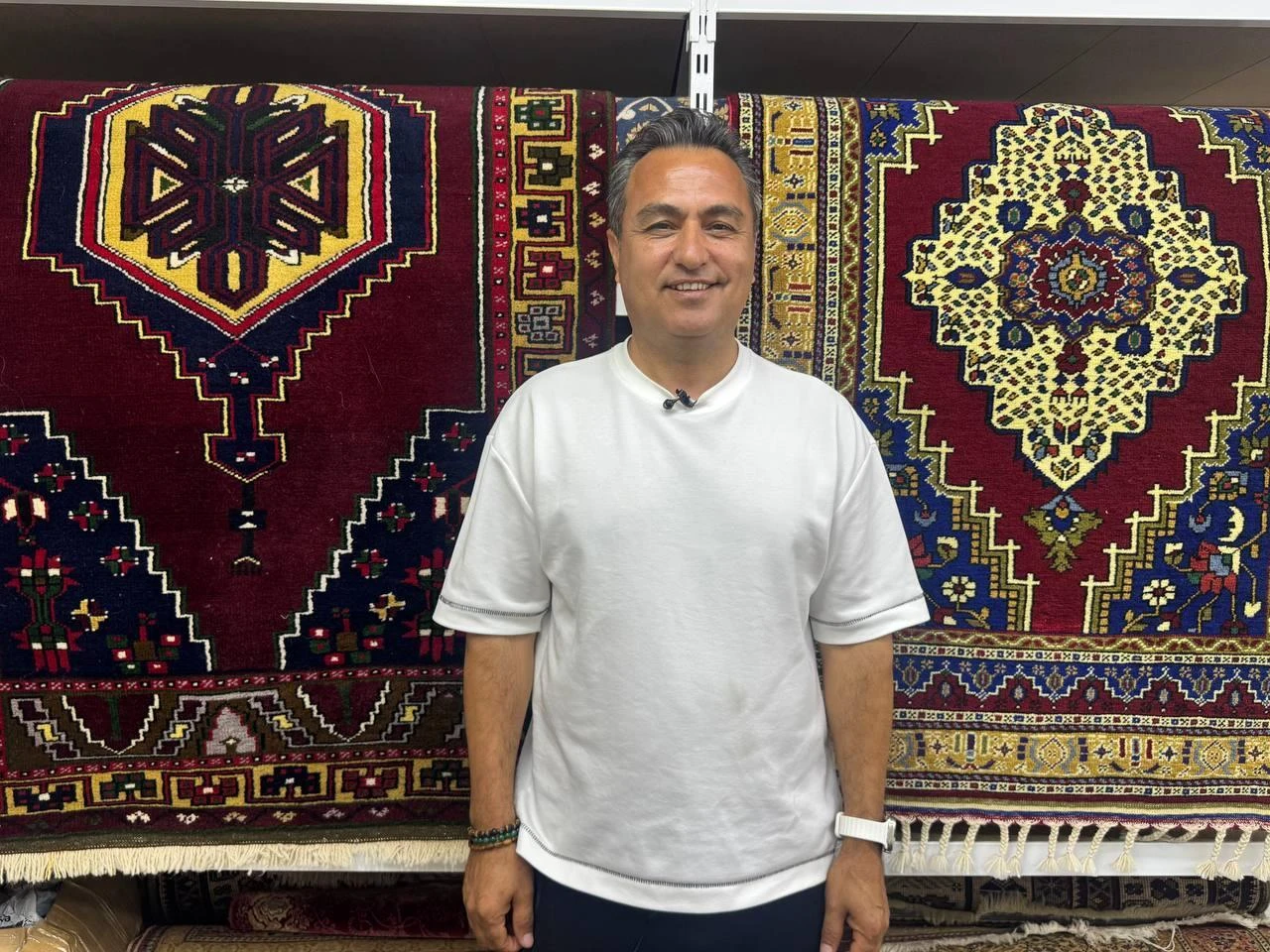
Bayrakdar, who runs a carpet restoration workshop in the Halicilar Carsisi, a historic covered bazaar in Fatih, a district on the European side of Istanbul, is set to begin restoring a carpet used at Ravza-i Mutahhara in Medina, the area between the Prophet Muhammad's tomb and pulpit where pilgrims performing Hajj and Umrah pray.
He said correspondence with officials had initially suggested the carpet would come from a palace or royal family, but it was later identified as belonging to Yesilyol.
Bayrakdar has spent 39 years restoring antique carpets sourced from around the world, returning them to their original condition, and receives orders from clients based outside Türkiye.
Bayrakdar arrived in Istanbul in 1987 from Aksaray, a city in central Türkiye, intending to visit the city. He decided to stay and began working as an apprentice in the bazaar's carpet weaving and repair trade while still in secondary school. He later became the owner of the workshop where he trained.
Over the course of his career, Bayrakdar has restored carpets for royal families and collectors in multiple countries and has attended exhibitions in Japan, China, South Korea and several European countries at clients' invitation.

Among the carpets in his workshop is one woven in the 18th century at Feshane, a former imperial textile factory in Eyupsultan, an Istanbul district, for the Ottoman palace.
Bayrakdar said the piece combines silk with metal thread made from soft copper, a technique he described as one of the rarest in the world, and that its borders contain woven poems dedicated to the Ottoman family.
The restoration has been underway for three years, with one to two months of work remaining before the carpet is returned to its owner.
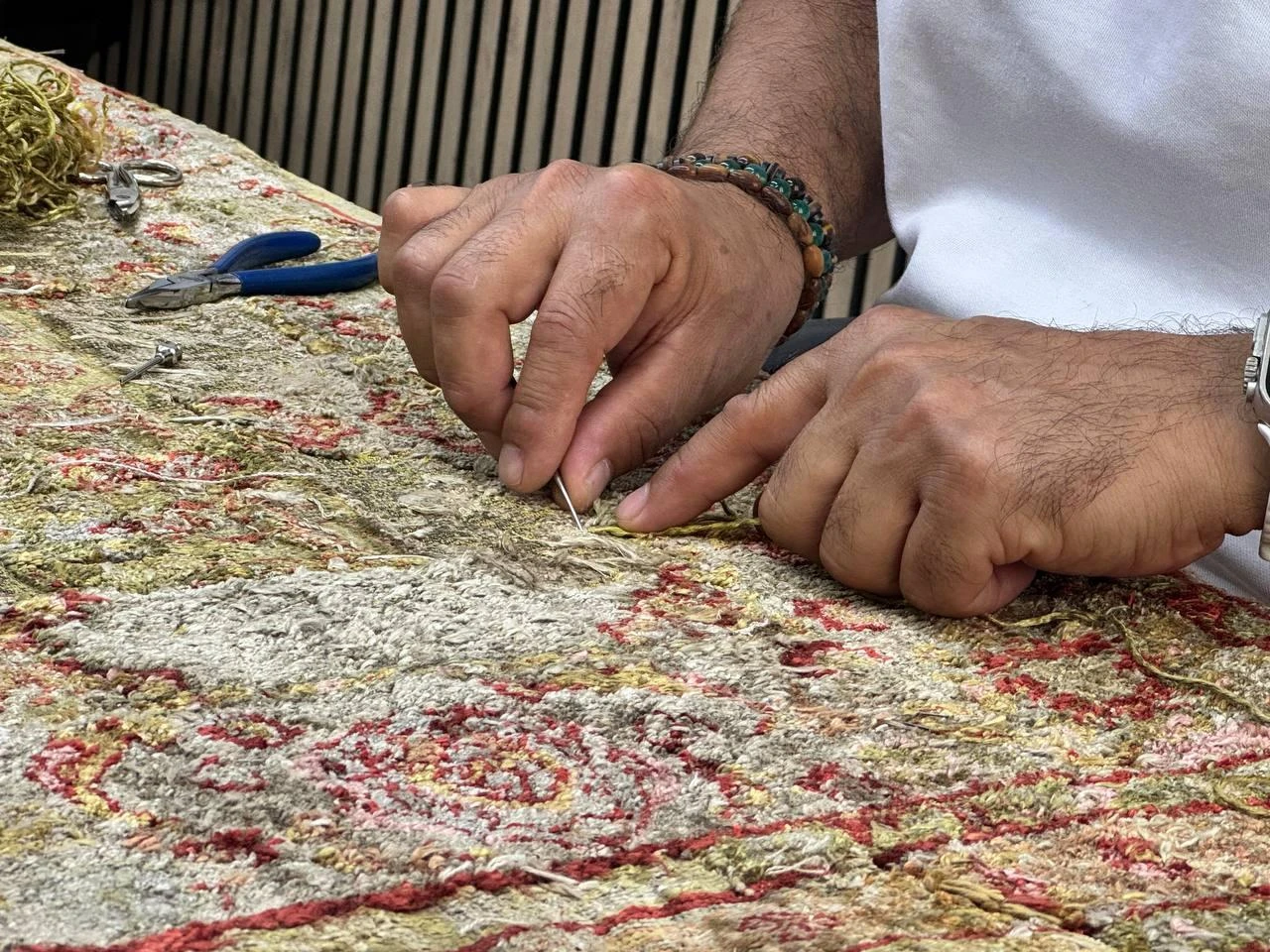
According to Bayrakdar, carpets older than 200 years are rarely repaired, as the process carries a level of risk comparable to heart surgery on a 100-year-old patient, since aged fibers can disintegrate when pierced with a needle.
Most of the carpets in his workshop are between 100 and 150 years old and handwoven. Repair timelines vary by a carpet's age and craftsmanship rather than by choice, he said, citing a 2-square-meter carpet requiring roughly five months of work by two people, compared with a 150-year-old Iranian Melayer carpet of larger size that his workshop completed in two weeks.
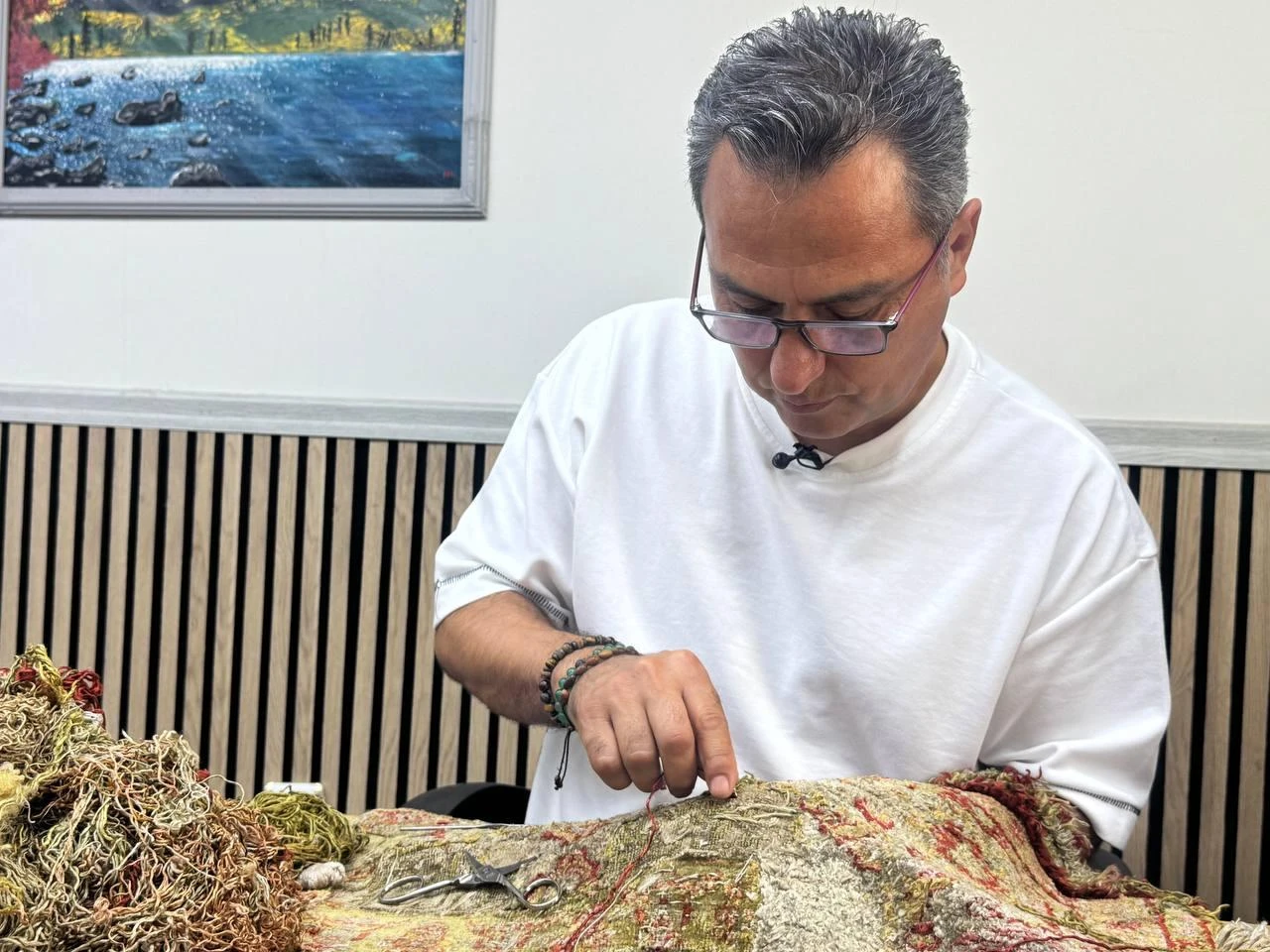
Bayrakdar recalled restoring a carpet described to him as the world's finest, containing 1,650 knots per square centimeter compared with a standard of four. He said the work, carried out using a magnifying lens, resulted in a burst blood vessel and swelling in his left eye.
He also described restoring an Ottoman-era silk carpet, approximately 10 square meters in size, that had been made for the palace of Malaysia's King Muhammad V, calling it one of the carpets he has not forgotten.


 Set as preferred source
 Set as preferred source


 6 min read