Newsletters


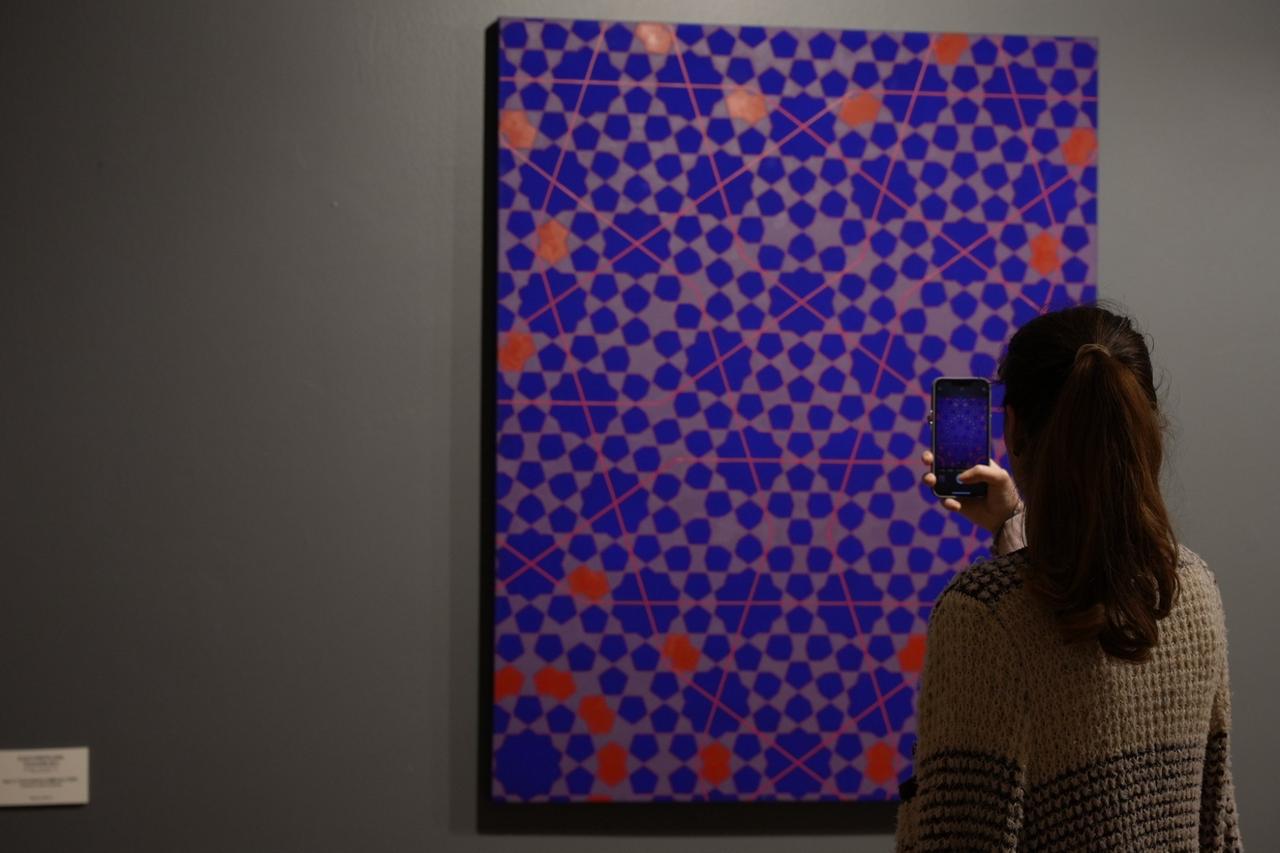


A Turkish artist is exploring the mathematical patterns found in centuries-old Islamic architecture in a new solo exhibition in Istanbul that blends art, math and science.
Mehmet Sah Maltas’s show, "Quasi-Crystalline Manifestations II," opened at Kadirga Art Galleries and features works inspired by geometric designs that never repeat at regular intervals yet remain highly ordered.
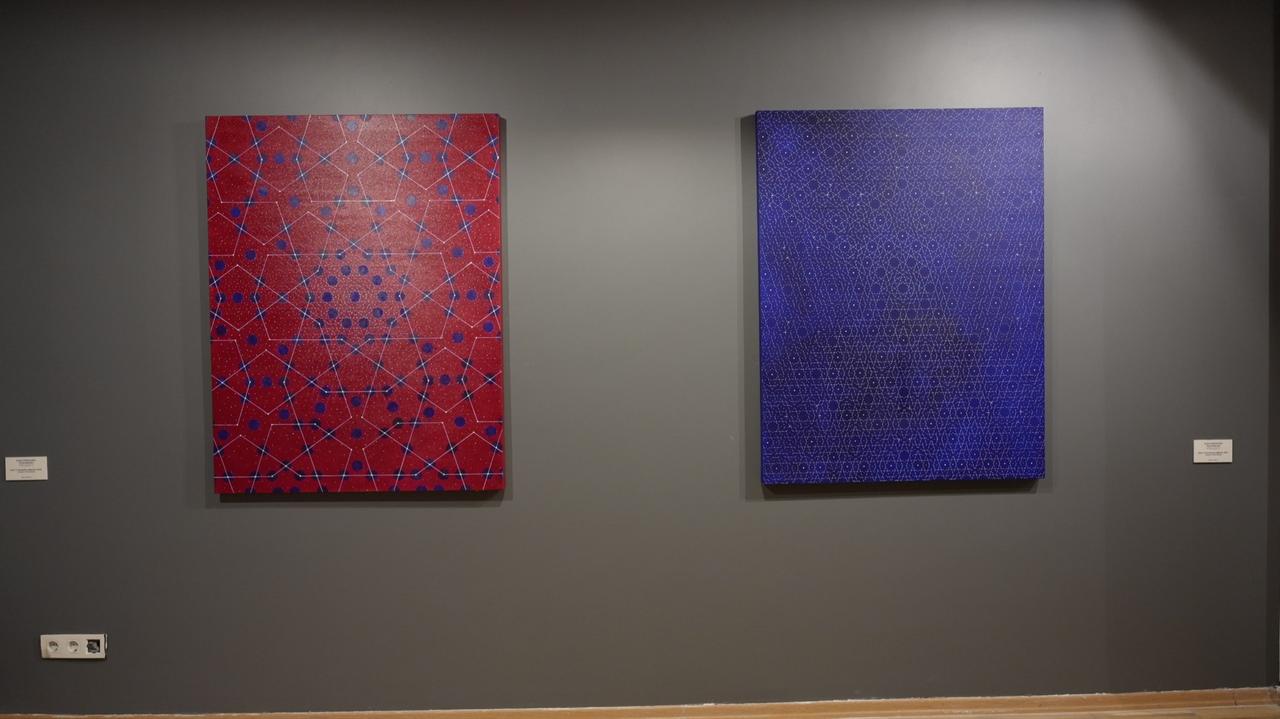

The exhibition includes 16 works, among them five large pieces measuring 198 by 198 centimeters (78 by 78 inches), along with small preparatory sketches that show how the works developed.
Ten of the works were previously shown in Maltas’ 2022 Istanbul exhibition, "Quasi-Crystalline Works," which is why the new show carries the second in its title.
Two large pieces, "Work 14" and "Work 15," were made in Urbino, Italy, and displayed there as part of the "Metaverso Raffaello" events.
They are being shown in Türkiye for the first time.
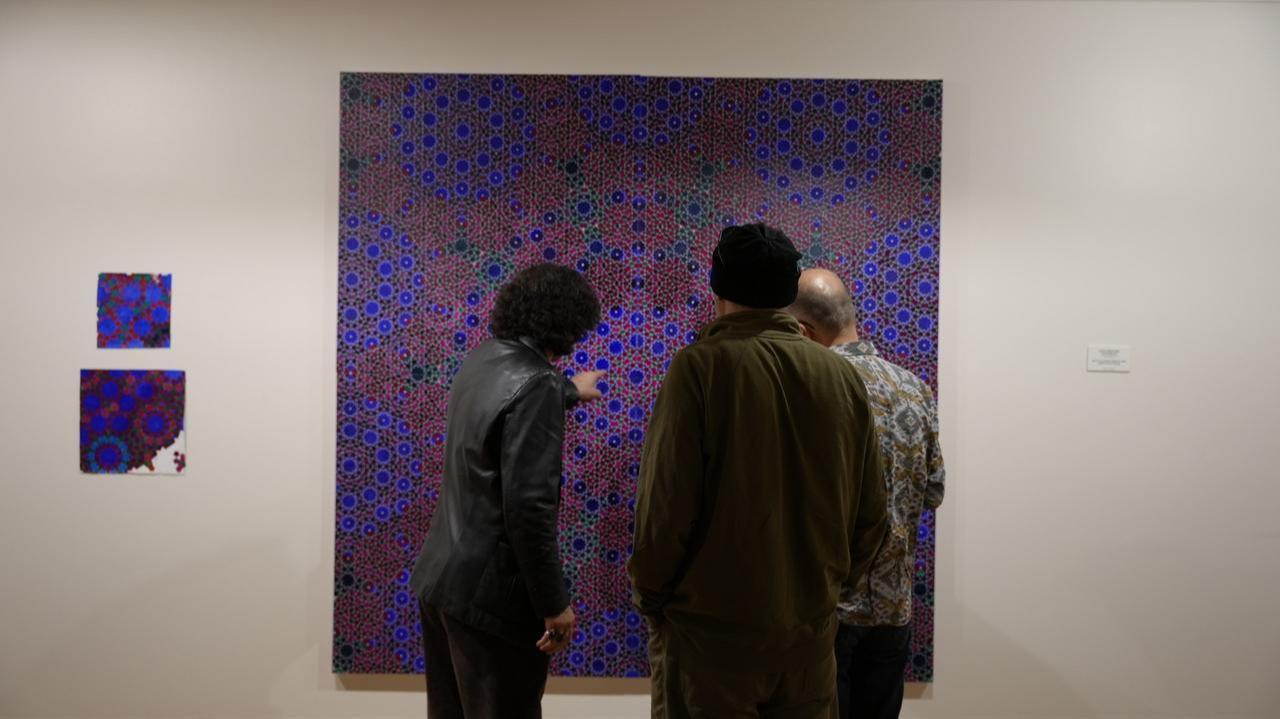
Maltas said the term "quasi-crystal" comes from science. He pointed to a research paper by Peter Lu and Paul Steinhardt on medieval Islamic architecture, which used the word to describe tile patterns that do not repeat periodically but are still tightly structured.
"Most of my works are based on these pattern systems and their structural foundations," Maltas said.
In these systems, he explained, larger tile units are built from smaller ones through a process known as subdivision.
He chose the Turkish word "tezahur," which means appearing or coming into view, because he wanted to give artistic form to his mental images and feelings starting from a scientific and mathematical idea.
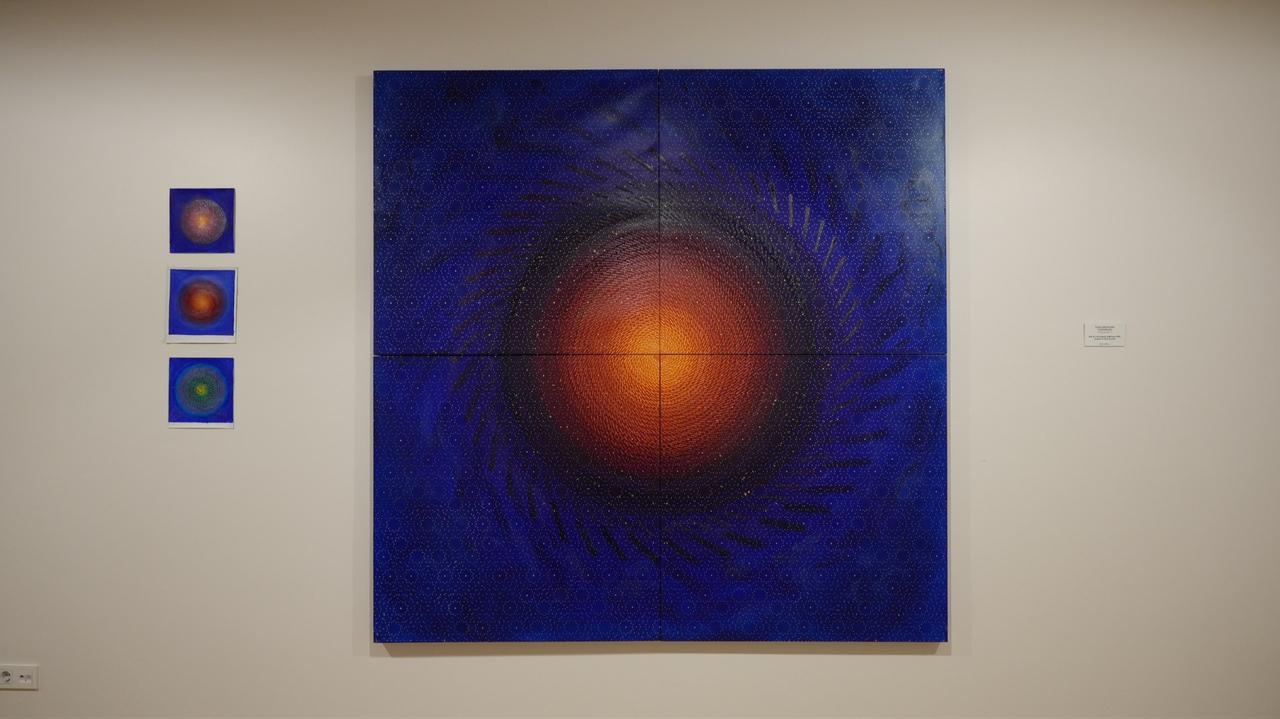
Maltas said the geometric patterns used in Islamic architecture centuries ago reflect an advanced grasp of mathematics.
He noted that some drawings in the Topkapi Scroll, along with the geometric tilings of Islamic architecture, have drawn scientific study, and that the patterns resemble tiling systems developed by British physicist Roger Penrose.
"These systems prove how advanced the mathematical understanding of that era was," Maltas said.
He added that it inspired him to see the tiling systems used in Islamic architecture applied in contemporary science to represent the geometry of newly discovered crystals.
The exhibition is open from 10 a.m. to 6 p.m. every day except Monday and runs through Jan. 15, 2027.


 Set as preferred source
 Set as preferred source



 1 min read