Newsletters


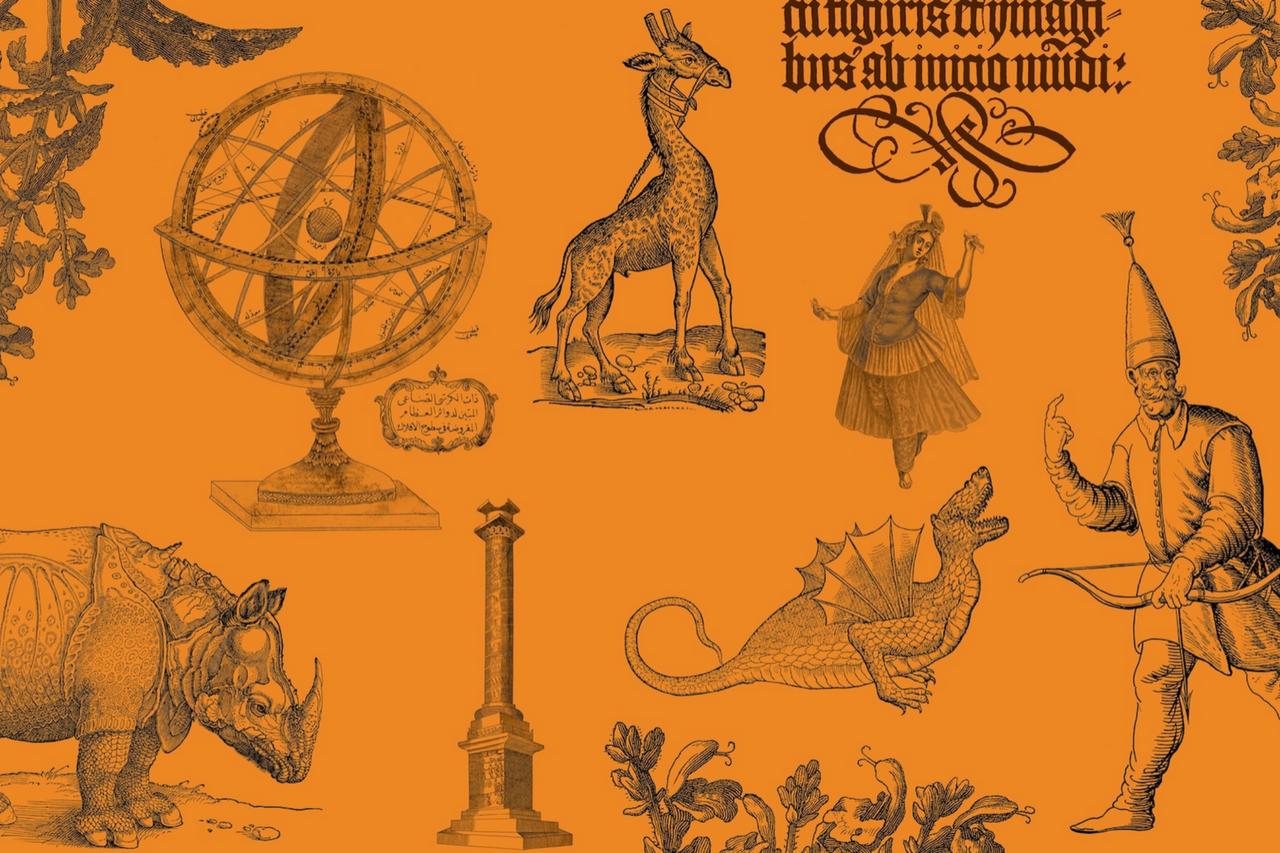


Mesher, the Istanbul art space on Istiklal Avenue in Beyoglu, has opened a new exhibition that follows five centuries of journeys made through Ottoman lands through books, maps, paintings and objects.
The exhibition, titled “Ars Apodemica,” referred to in Turkish as “Seyahat Sanati,” brings together more than 300 works dating from the late 15th century to the first quarter of the 20th century.
Prepared with works from the Sadberk Hanim Museum and the Omer Koc Collections, it opened with a press preview this week and will remain on view until May 23, 2027.
Rather than treating travel only as physical movement from one place to another, the exhibition focuses on travel writing and visual records as deliberate acts of selection, observation and documentation.
The show traces journeys by travellers, diplomats, envoys, religious figures, statesmen and others whose paths crossed Ottoman territories.
The exhibition was curated by Makbule Merve Uca from the Sadberk Hanim Museum, while Sadberk Hanim Museum Director Hulya Bilgi coordinated the project.
Organised as part of Koc Group’s 100th anniversary program, the exhibition follows thematic sections rather than a strict chronology. Visitors move through subjects including “curiosity,” “faith,” “diplomacy,” “war,” “trade,” and “tourism,” with each section examining why people travelled and what kinds of material traces their journeys left behind.
Among the works on display are pieces by Albrecht Durer, Jacopo Ligozzi and Louis Francois Cassas, alongside travel books, Istanbul views, diplomatic gifts, maps and visual sources documenting the Ottoman world.
Paintings showing the arrival of foreign envoys and objects displayed in the war section are among the elements that stand out in the exhibition’s narrative.
One of the most visible details appears before visitors even enter the exhibition.
A giraffe head looking out from Mesher’s window onto Istiklal Avenue draws attention from the street, while the rest of the animal appears inside the exhibition.
The detail refers to a period when abstract measurements such as meters and kilometres had not yet become standard. Travellers used exotic animals and imagined creatures to prove how far they had gone. For a European observer, depictions of a rhinoceros, giraffe or dragon could function as a marker of distance, unfamiliarity and wonder.
The exhibition also includes a striking account from the 1530s, when a delegation arriving in Ottoman lands was tasked with transporting an elephant from Tabriz for a ruler. After the animal lost its owner on the road to Aleppo, it reportedly fell into “melancholy” and died.
A physician in the delegation performed an autopsy and recorded his findings, making the episode an example of early scientific curiosity as well as the emotional and physical risks embedded in long-distance travel.
“Ars Apodemica” can be visited at Mesher in Beyoglu until May 23, 2027.


 Set as preferred source
 Set as preferred source


 3 min read