Newsletters


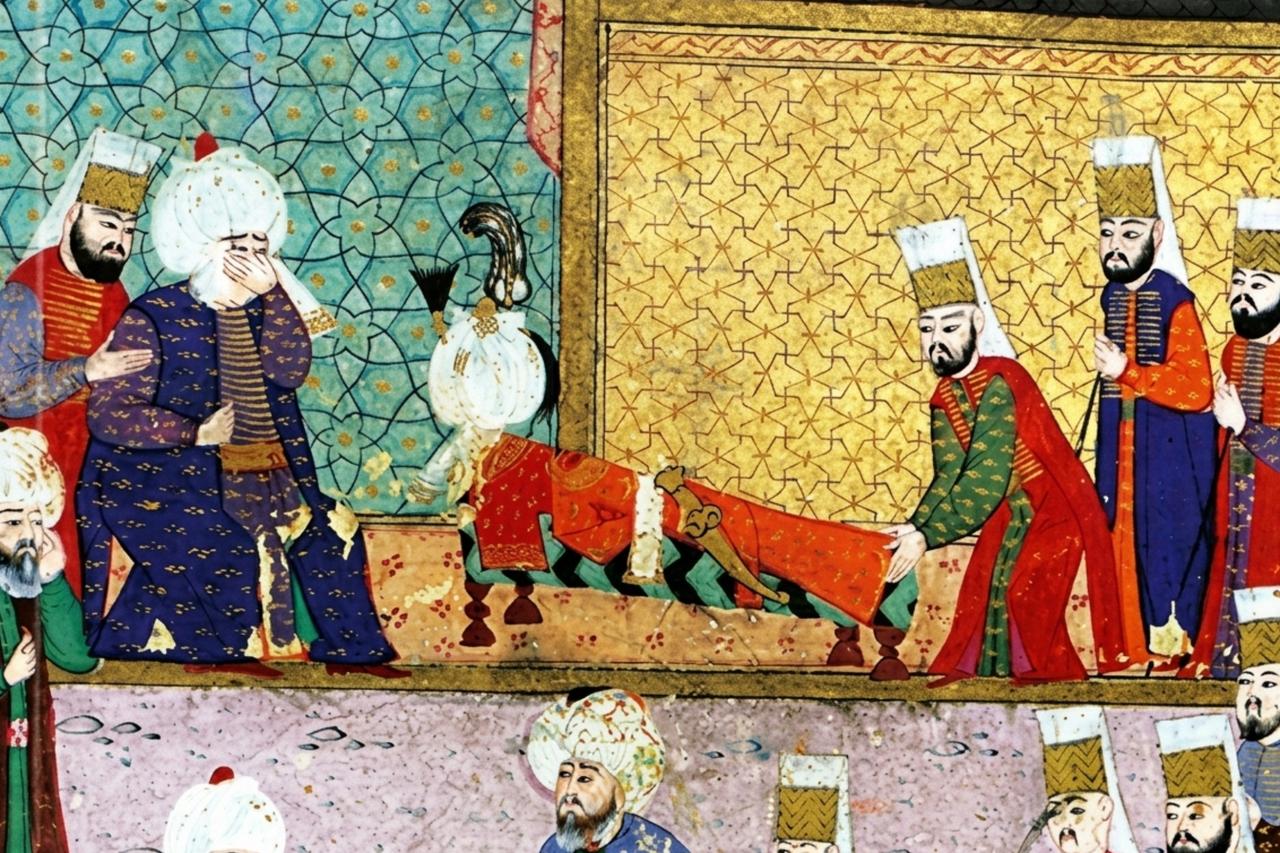


The execution of Sehzade Mustafa in 1553 remains one of the most debated moments of the Ottoman Empire, not only because of its dramatic nature, but also because historians continue to disagree on why Sultan Suleiman I ordered the death of his own son. While traditional narratives present the event as a palace conspiracy, more recent interpretations suggest a deeper political logic tied to the structure of Ottoman rule.
For centuries, both Ottoman chroniclers and later historians have largely agreed on one explanation: that Sehzade Mustafa fell victim to a calculated plot orchestrated by Hurrem Sultan and Rustem Pasha.
According to this widely accepted account, Hurrem Sultan sought to secure the throne for one of her own sons, while Rustem Pasha, whose political future depended on that outcome, worked to undermine Mustafa. The narrative holds that the prince was portrayed as a rebel in the eyes of his father, leading Sultan Suleiman I to believe that execution was necessary.
This interpretation has been reinforced in literature, poetry and even European drama, where Mustafa is often depicted as an innocent and talented heir betrayed by court politics. Some historians have also linked the event to a broader decline, suggesting that the empire had begun to lose its earlier dynamism after 1553.
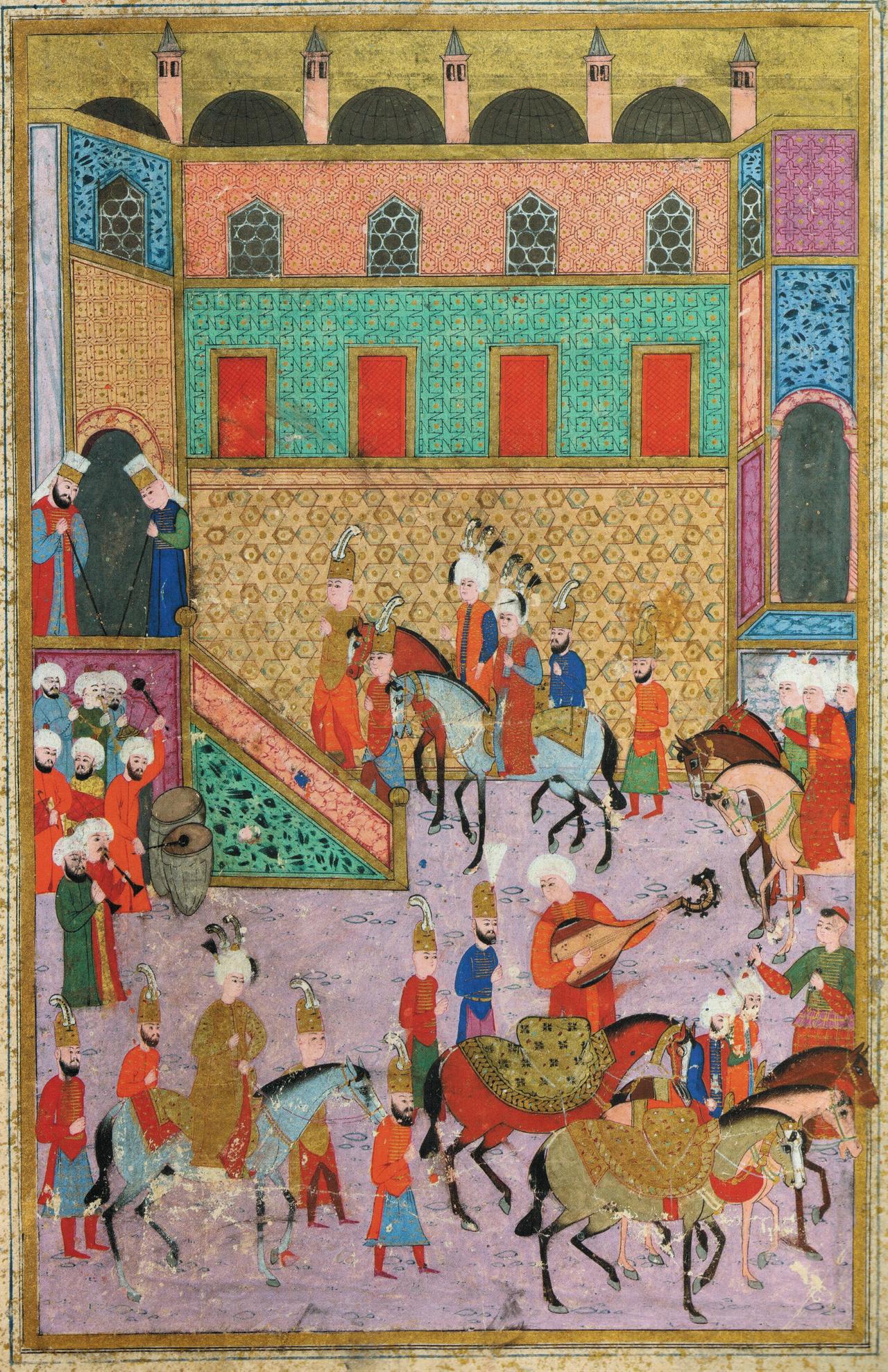

However, an article challenges this simplified view by placing the event within the broader framework of Ottoman succession. In this system, sovereignty was not limited to a single heir; instead, all male members of the dynasty had a legitimate claim to rule.
Rather, princes competed, often building alliances and support networks while serving as provincial governors. This competition could, and frequently did, end in violence, including fratricide, which had become an accepted political practice within the dynasty.
From this perspective, Mustafa was not merely a victim. He was also an active participant in the struggle, cultivating support among influential groups, including the Janissaries, the empire’s elite infantry corps.
A growing body of scholarship suggests that Sultan Suleiman I’s decision may have been driven less by deception and more by fear of losing control. Mustafa’s popularity was not limited to the military; he was admired across different layers of Ottoman society, which made him a credible alternative center of power.
According to this interpretation, the critical issue was not whether Mustafa planned an open rebellion, but whether his growing support could undermine the authority of a still-living sultan. The same article points out that when soldiers began to act as though Mustafa was the future ruler, the balance of legitimacy started to shift.
In this reading, Sultan Suleiman I’s action was aimed at restoring that balance. By eliminating Mustafa, he reasserted his authority and prevented the emergence of a rival power base within the empire.
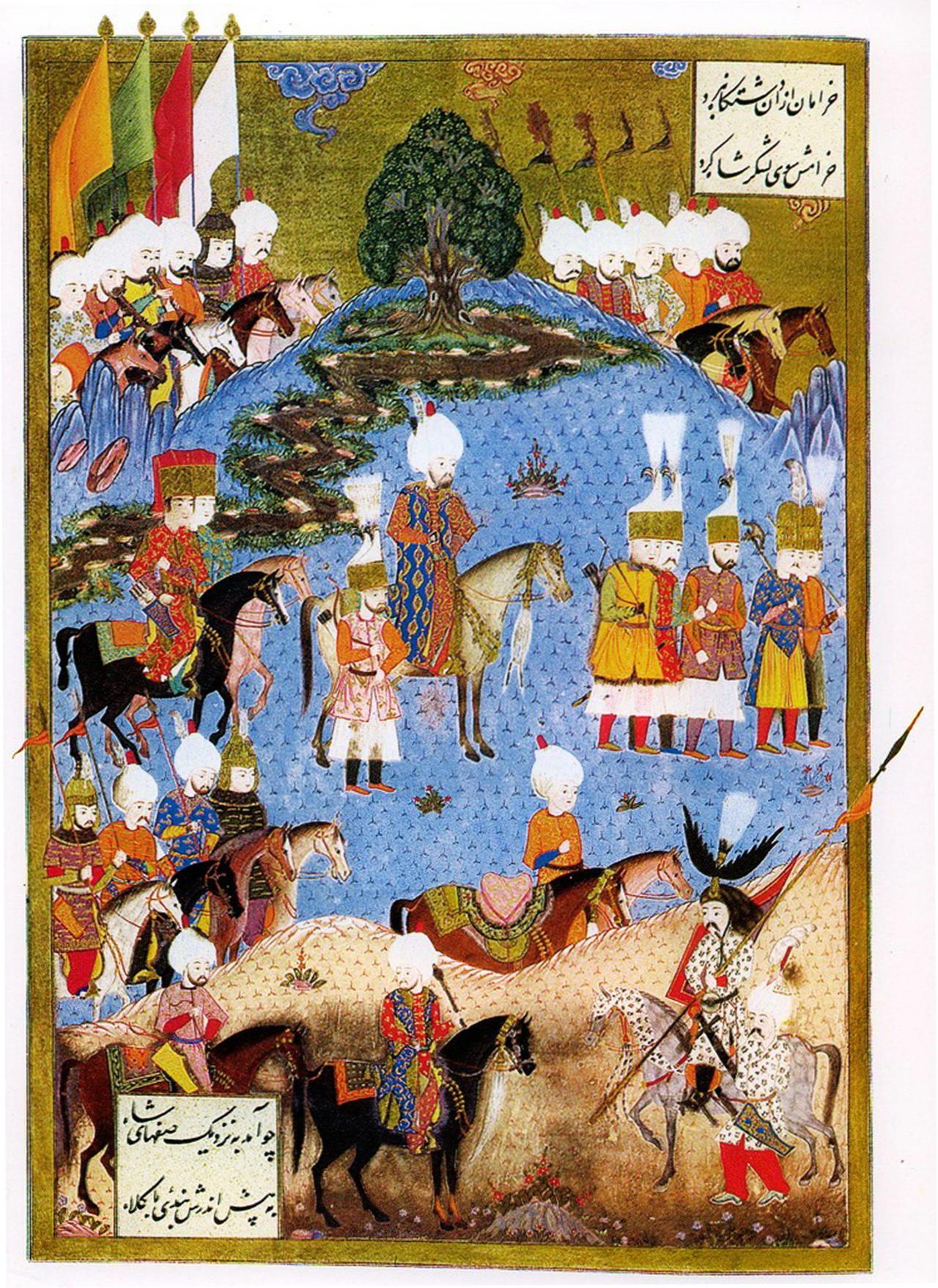
The situation escalated during the 1553 campaign against the Safavids, when Mustafa was summoned to join the imperial army. Despite warnings, he obeyed the order and entered his father’s camp, where he was executed.
Some sources cited in the article describe how Janissaries openly expressed their loyalty to Mustafa, even attempting to visit him against orders. When the prince accepted their gestures of allegiance, this may have been interpreted as a political act rather than a simple sign of popularity.
Certain historians argue that this moment marked a critical shift: loyalty, which should have been directed exclusively toward the sultan, appeared to be transferring to the prince. In a system where authority depended heavily on personal allegiance, this could be seen as a direct threat to the ruling order.
The article ultimately does not fully reject the role of Hurrem Sultan and Rustem Pasha, but it places their actions within a larger political context. Rather than portraying them as the sole architects of Mustafa’s death, it suggests that all actors were operating within the expectations and pressures of the Ottoman system.
This leads to a more nuanced conclusion. Some historians continue to view the execution as a tragic result of manipulation and court politics, while others interpret it as a calculated move by Sultan Suleiman I to maintain control over a fragile dynastic structure.
What makes the execution of Sehzade Mustafa enduringly significant is not only the event itself, but the way it reflects the inner workings of Ottoman power. It reveals a system where legitimacy, military support and dynastic survival were closely intertwined, and where even a beloved prince could become a liability.
As historians continue to revisit the episode, the question remains open: was Mustafa a victim of intrigue, or a casualty of a political system that left little room for shared power?


 Set as preferred source
 Set as preferred source


 1 min read
 1 min read