Newsletters


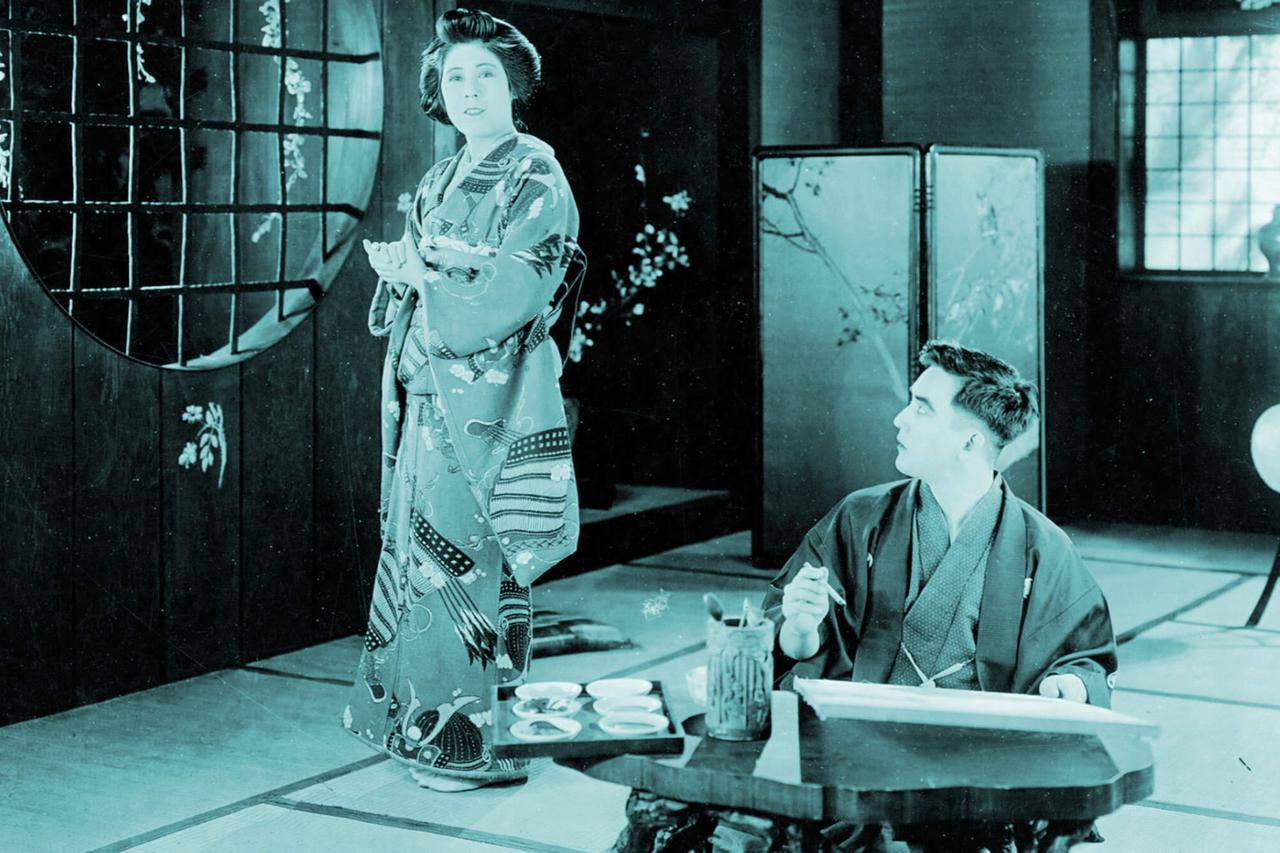


Istanbul Modern Cinema is hosting Silent Film Days from April 2 to 5, presenting a 13-film program co-curated with Amsterdam's EYE Filmmuseum and curator Elif Rongen Kaynakci.
The program spans works from 1910 onward, drawing together early cinema's distinct aesthetic and thematic directions, from images of labor and production to avant-garde experiments abstracting nature, and from early 20th-century fashion to productions featuring underwater sequences.
Among the standout films is Robert Wiene's "Raskolnikov" (1923), which combines the visual aesthetics of German Expressionism with a naturalistic approach to performance.
Brazilian director Mario Peixoto's "Limite" (1931), shot when Peixoto was 22, is considered one of the most striking avant-garde works in cinema history.
Mikhail Kaufman, brother of Dziga Vertov, presents "In Spring" (Vesnoi, 1929), a lyrical city symphony dedicated to Kyiv.
Muhsin Ertugrul's "Tamilla" (1924), filmed during his time at the Ukrainian Photo Cinema Administration, returns to public view 92 years after it was made.
This year's theme: Stencil color in early cinema
The event's theme centers on the use of stencil coloring in early film. Three restoration-focused programs, "Fantastic Flowers," "Catwalk Cinema" and "Cyrano de Bergerac" (1925), are presented with an introduction by Elif Rongen Kaynakci. Seven of the 13 films are accompanied by live music performances.
The program also includes the Türkiye premiere of "The Postman" ("Postchi," 1972), directed by Dariush Mehrjui, a recently restored film considered one of the founding works of the Iranian New Wave. Its inclusion draws a connection between early silent cinema and 20th-century modernist filmmaking.
Full program


 Set as preferred source
 Set as preferred source


 2 min read