Newsletters


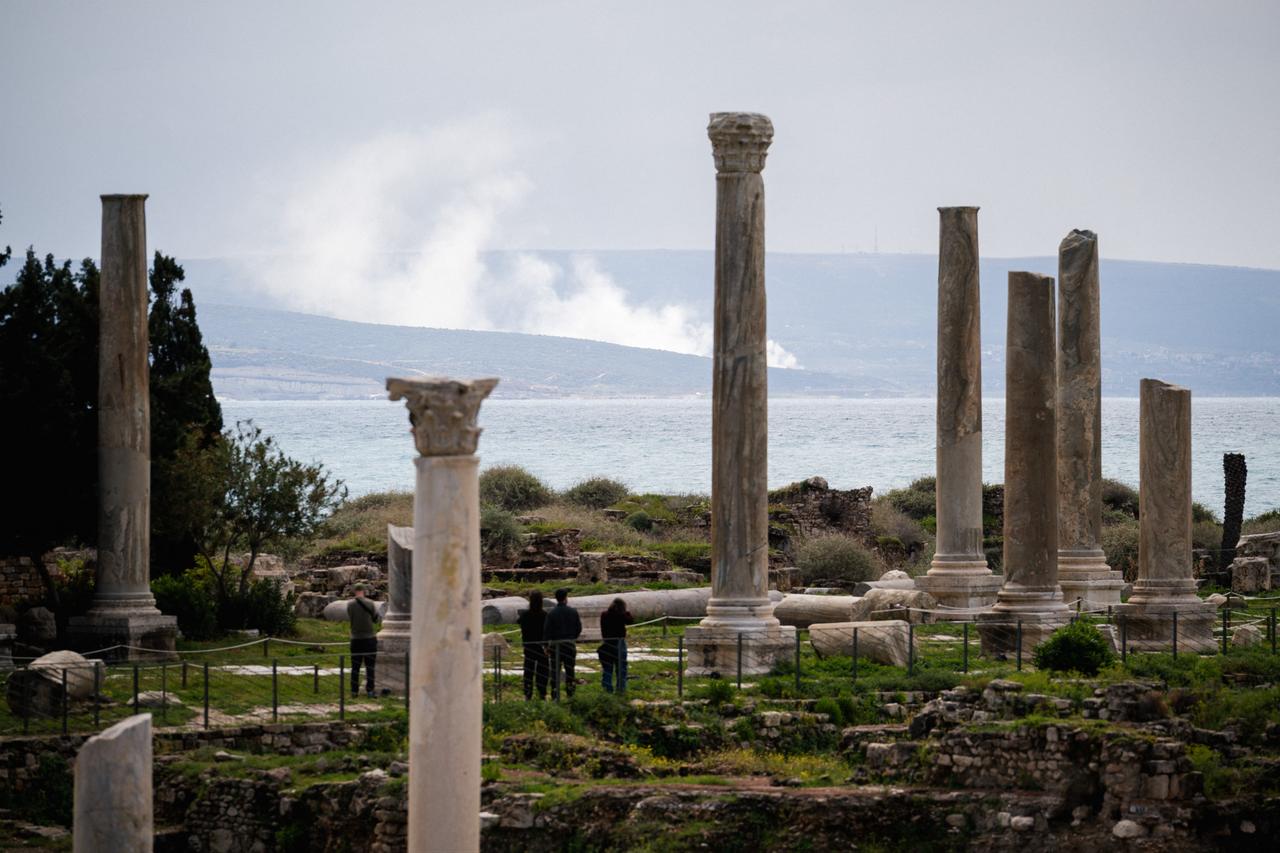


UNESCO has granted provisional enhanced protection to 39 cultural properties in Lebanon following an extraordinary session of the Committee for the Protection of Cultural Property in the Event of Armed Conflict, convened at Lebanon's request.
The United Nations Educational, Scientific and Cultural Organization (UNESCO) said the 39 sites now benefit from the highest level of legal protection against attack and use for military purposes.
Non-compliance with these measures would constitute serious violations of the 1954 Hague Convention and its 1999 Second Protocol, and could result in criminal responsibility for the parties involved.
In addition to the enhanced legal status, the meeting approved more than $100,000 in international financial assistance for emergency operations on the ground.
The protected sites are set to receive technical and financial support from UNESCO to reinforce legal protections, improve risk assessment and management, and provide additional training for cultural professionals and military personnel.
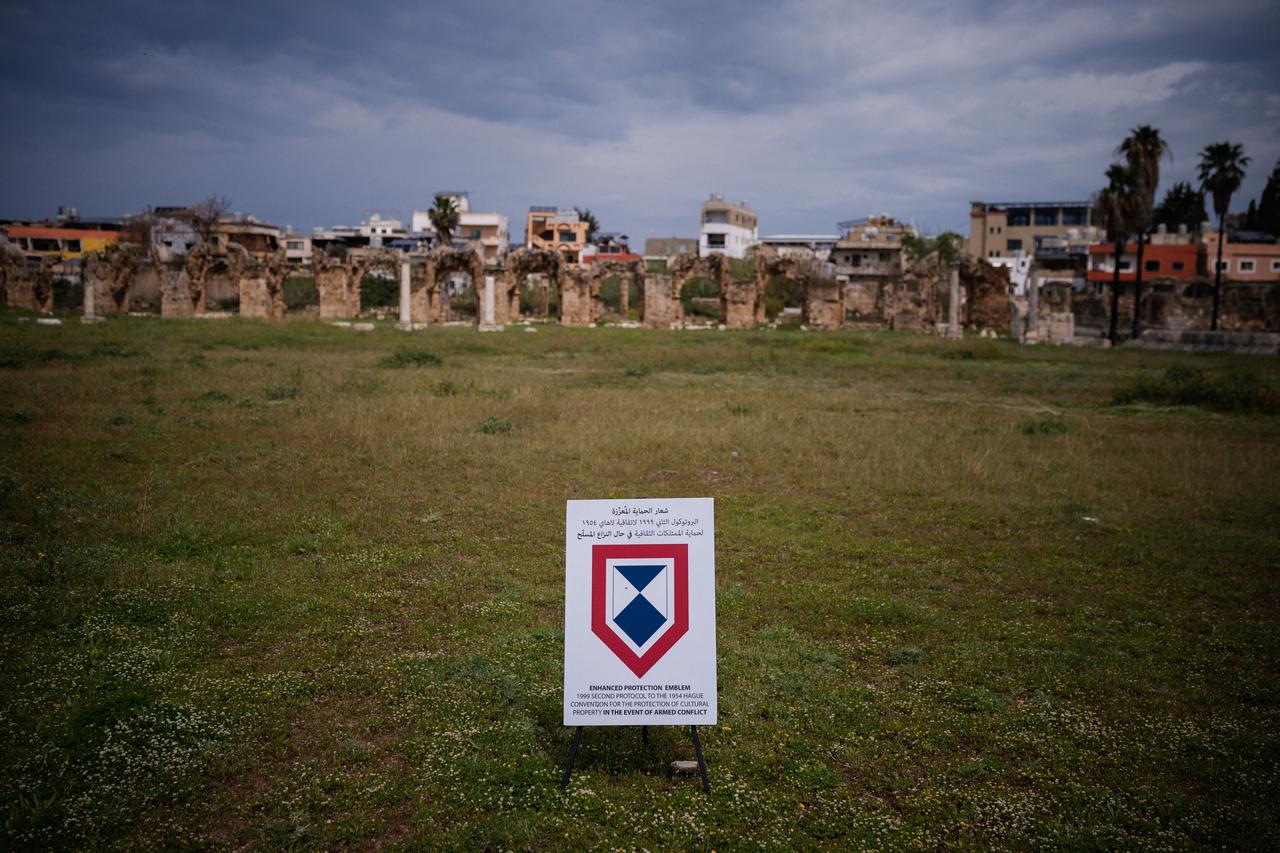

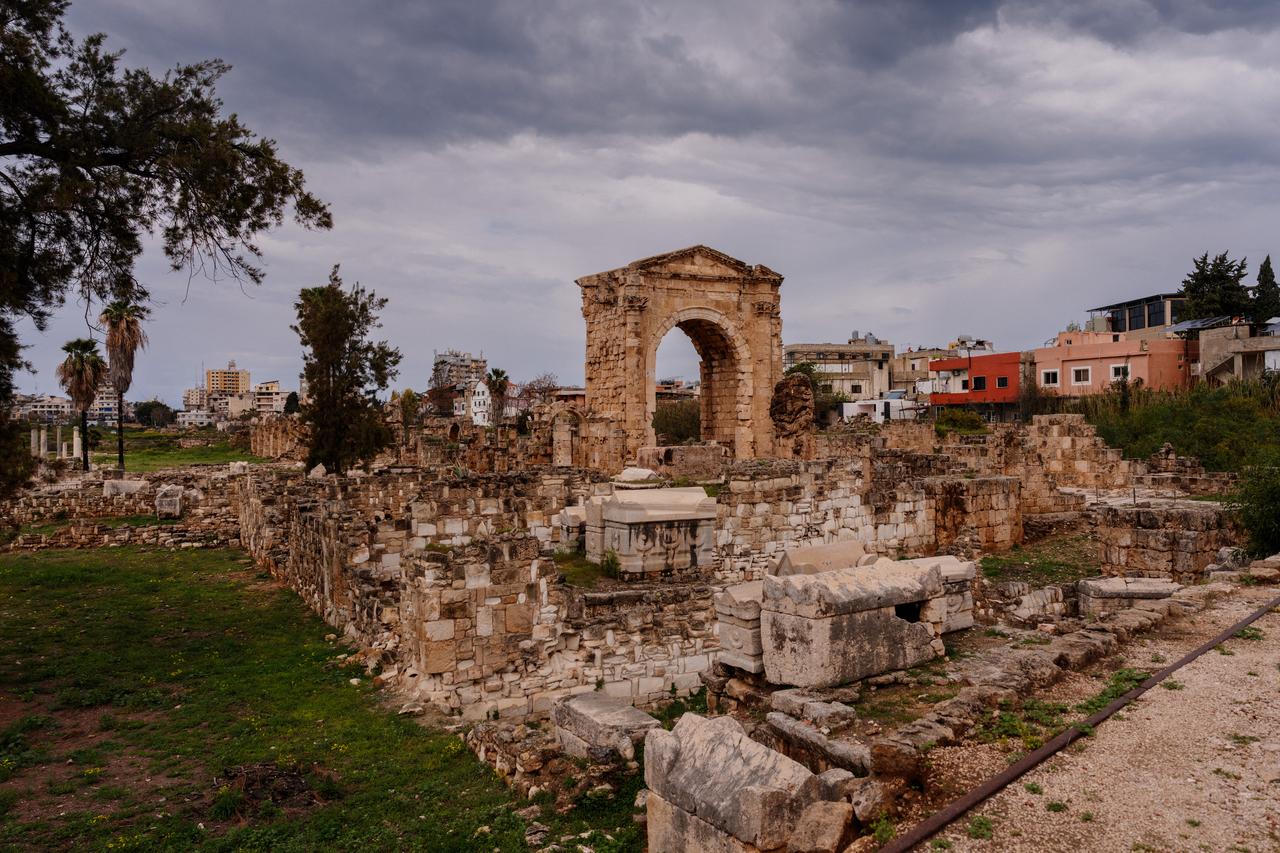
UNESCO has confirmed damage to the city of Tyre in Lebanon, inscribed on the World Heritage List in 1984, as well as to cultural properties in neighboring countries.
The organization said it has been conducting satellite monitoring of historical and heritage sites in partnership with UNITAR/UNOSAT, the United Nations Satellite Centre, to assess the state of conservation and any damage incurred.
Since the outbreak of hostilities, UNESCO said it has been working closely with Lebanon's Ministry of Culture and the Directorate General of Antiquities to support the secure storage of archaeological collections and museum assets.
UNESCO's Assistant Director-General for Culture, Lazare Eloundou Assomo, said:
"Cultural heritage must be protected. It is the backbone of people's identity, trust, and hope, and it carries the promise of peace and recovery. When heritage is destroyed anywhere, moral standards are undermined, social cohesion is eroded, and trust and resilience are jeopardized. It is time to renew our commitment to protect culture, for the past, the present, and the future of all peoples."
The organization said it remains ready to provide further expertise or assistance and reminded all parties involved of their obligations to protect cultural and natural heritage, including in the event of armed conflict.


 Set as preferred source
 Set as preferred source


 2 min read