Newsletters


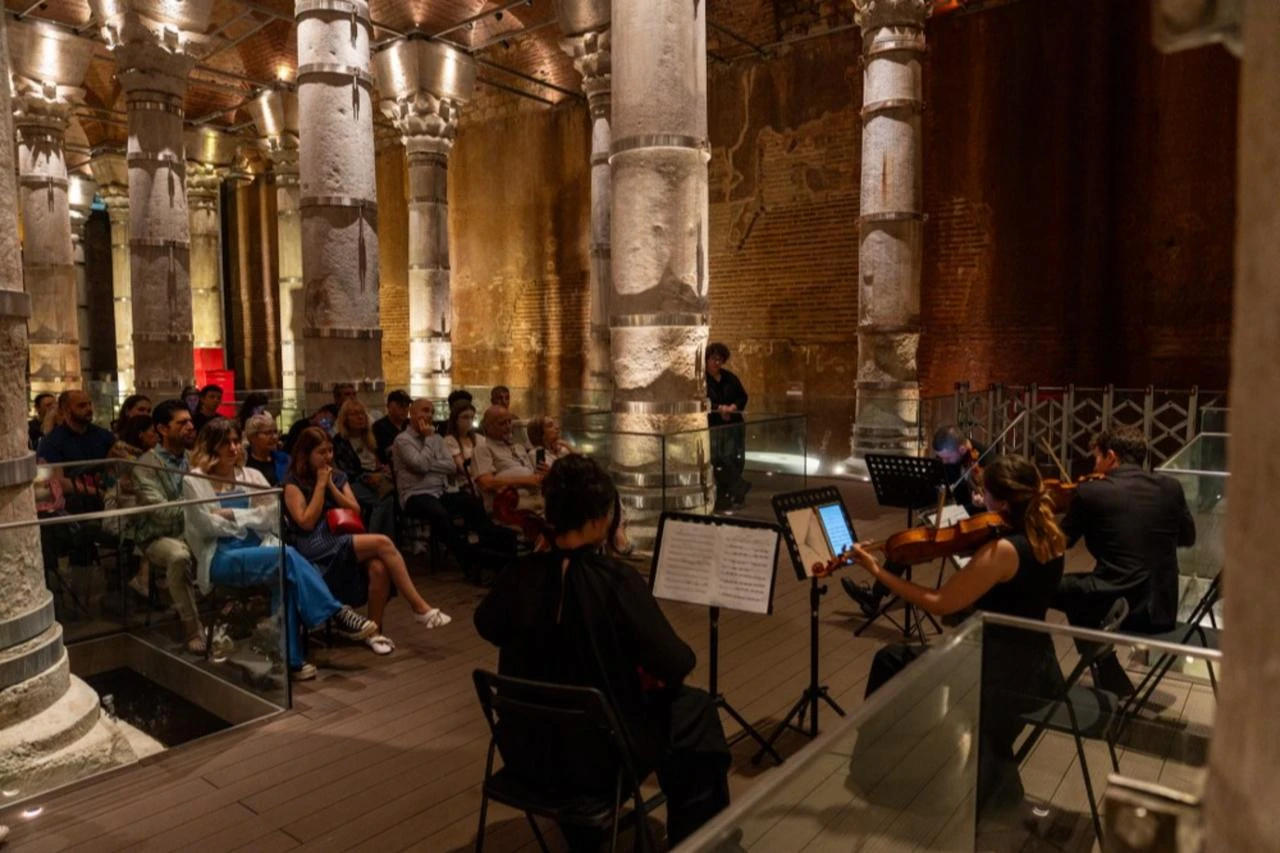


Istanbul's historic Serefiye Cistern will bring together live music and ancient architecture through the "Derinden Gelen Sesler," or "Sounds from the Depths," concert series, featuring tango and Baroque performances from July 24 to Aug. 2.
Organized at the 1,600-year-old underground structure operated by the Istanbul Metropolitan Municipality (IBB), the program will present six concerts ranging from Argentine and Turkish tango classics to compositions associated with the Baroque period.
The series will start on July 24 with "Argentine Tango Classics," performed by Ertugrul Senturk.
Senturk will return alongside Ali Suat Tukel on July 25 for "Nuevo Tango: Piazzolla and After," a program focusing on the musical direction presented by Astor Piazzolla and later tango works.
The tango program will wrap up on July 26 with "Turkish Tango Classics," performed by Senturk, Ceylan Gurkan and Recep Kaan Kar.
The second part of the series, titled "Masters of Baroque Music," will open on July 31 with Fernur Topcu's "A Baroque Night."
Atiye Eskiza will perform Baroque violin works during "Baroque Melodies of the Golden Age" on Aug. 1.
The concert series will come to an end on Aug. 2 with "Baroque Breezes," featuring violin and viola performances by Furkan Cicim and Dogukan Celikbilek.
Tickets for all performances will be available through kiosks located at the museum entrance.
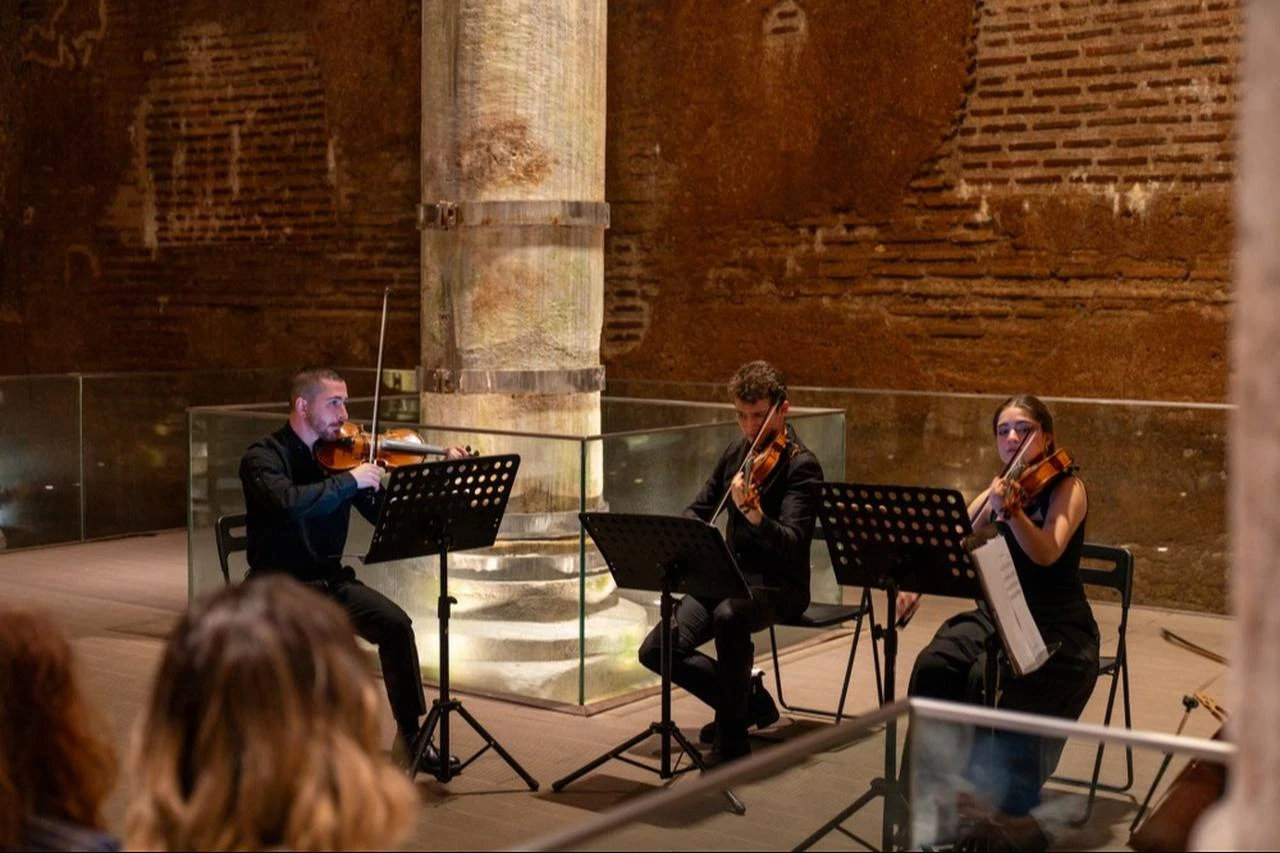

Located on Istanbul's Historic Peninsula, the Serefiye Cistern is one of the city's earliest surviving water structures. Although the building has no inscription identifying its construction date, its architectural characteristics indicate that it was built during the reign of Eastern Roman Emperor Theodosius II, who ruled between 408 and 450.
The underground reservoir was created at a time when Istanbul relied on open and enclosed cisterns to store water because of its limited natural resources, growing population and vulnerability during sieges.
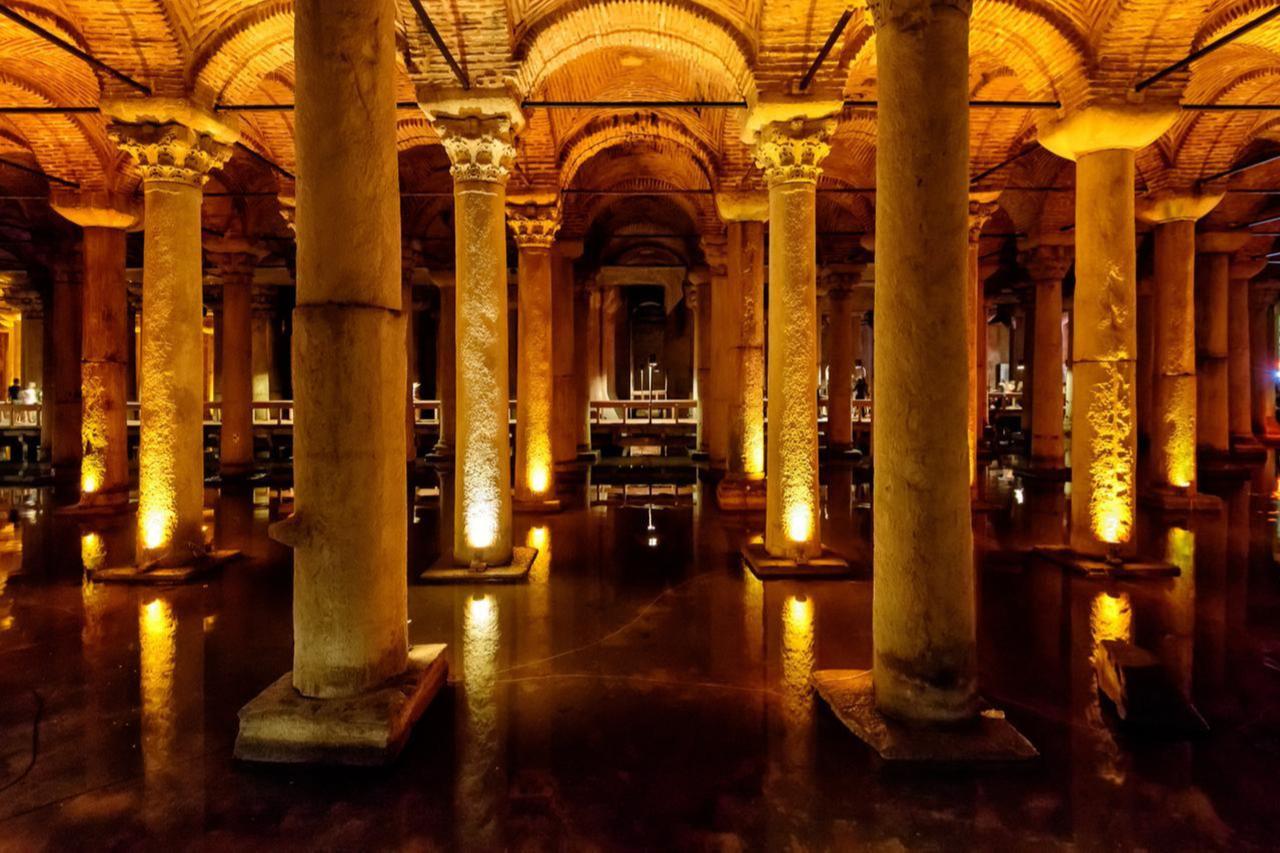
Covering an area of approximately 24 by 40 meters (78.74 by 131.23 feet), the structure features a vaulted ceiling supported by 32 columns. Its carved Corinthian-style capitals, decorated with acanthus leaves, were made from marble brought from Marmara Island.
The cistern's inner walls were covered with waterproof plaster, while its curved corners and thick walls were designed to withstand water pressure.
Municipal buildings later rose above the structure, including a property that served as an Istanbul municipality building from the early 20th century. The cistern was brought back to light after later additions were removed in 2010 without damaging the historic monument.
Its original floor and well-preserved marble capitals distinguish it from many other Byzantine-era underground structures in Istanbul. The surrounding area was subsequently turned into an archaeological park, while visual installations inside the cistern now bring together references to Istanbul's Byzantine and Ottoman periods.


 Set as preferred source
 Set as preferred source


 1 min read
 1 min read