Newsletters


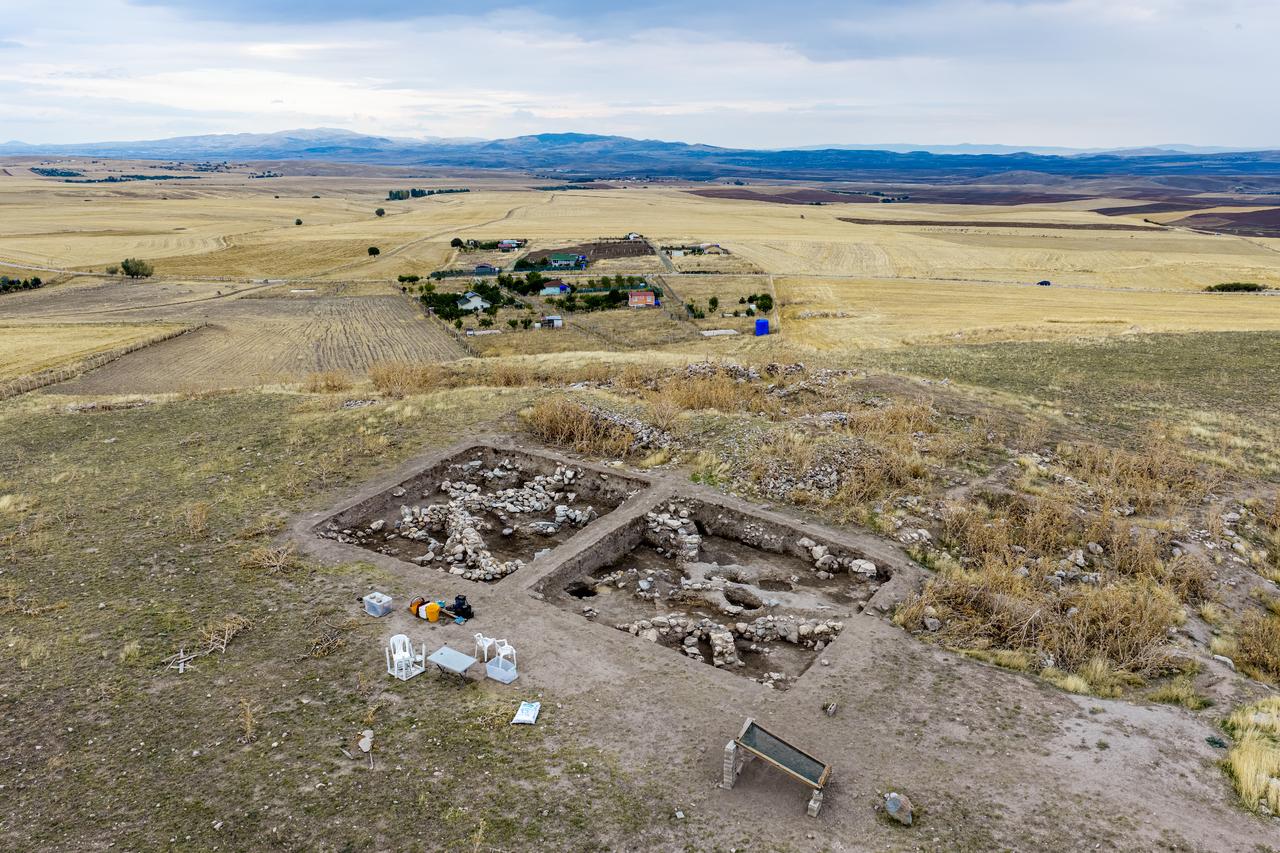


Archaeologists excavating the 5,000-year-old settlement of Kulhoyuk in Ankara's Golbasi district have uncovered a 66-million-year-old marine fossil alongside 4,000-year-old plant remains that researchers believe could provide new clues about Hittite medicine and the region's natural history.
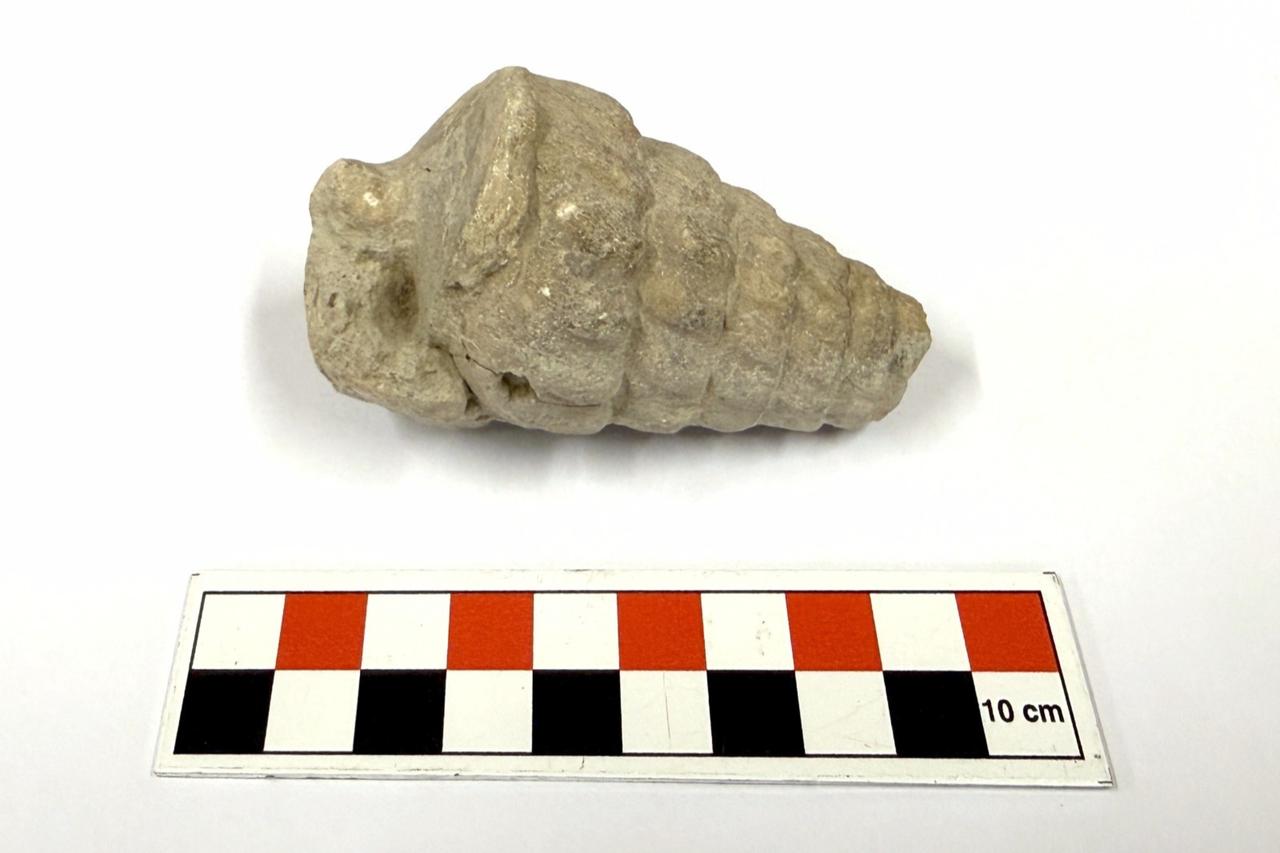
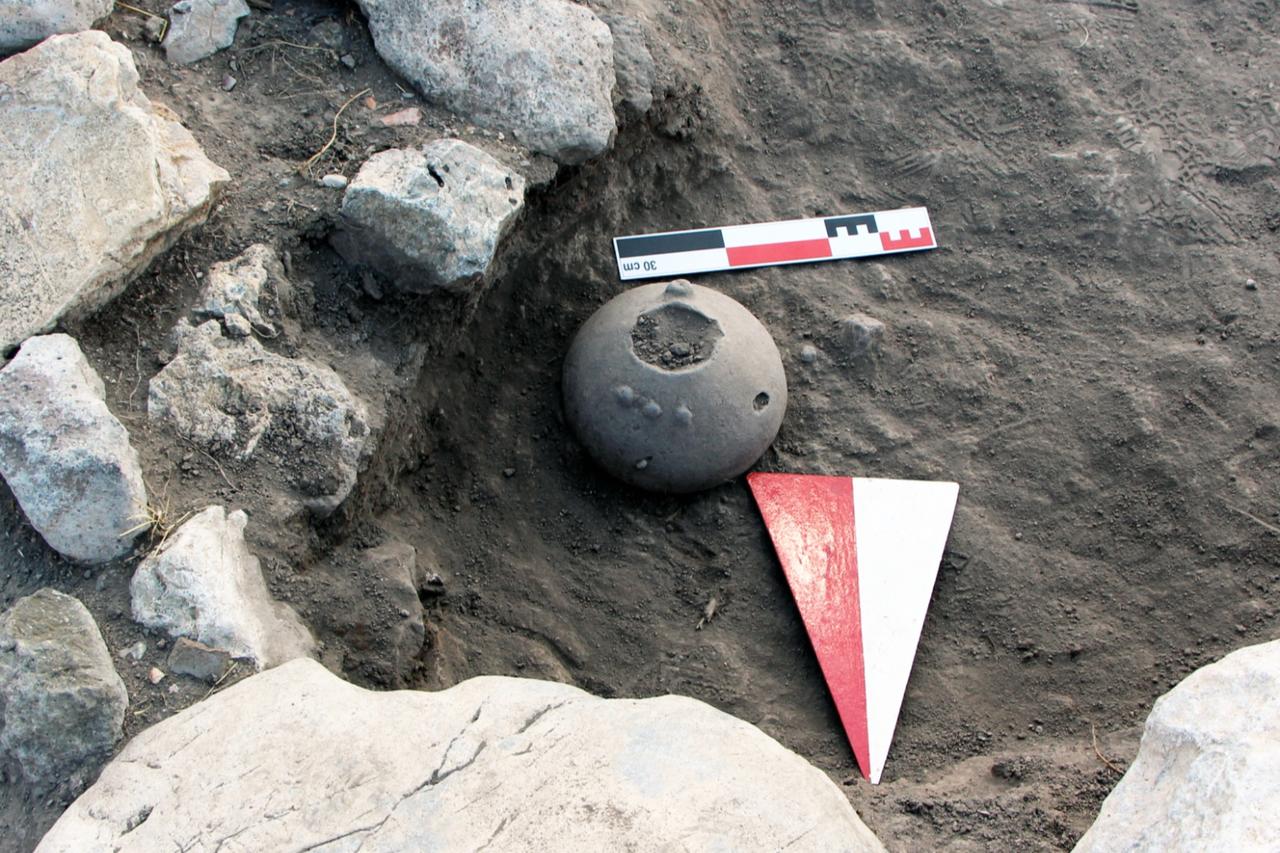
Excavation director Derya Yilmaz Tekin, an associate professor at Ankara University, said the fossil belonged to a snail-like marine creature classified as Gastropoda, while botanical remains recovered from a Hittite-period vessel included what researchers identified as the oldest known seed of the "love flower."
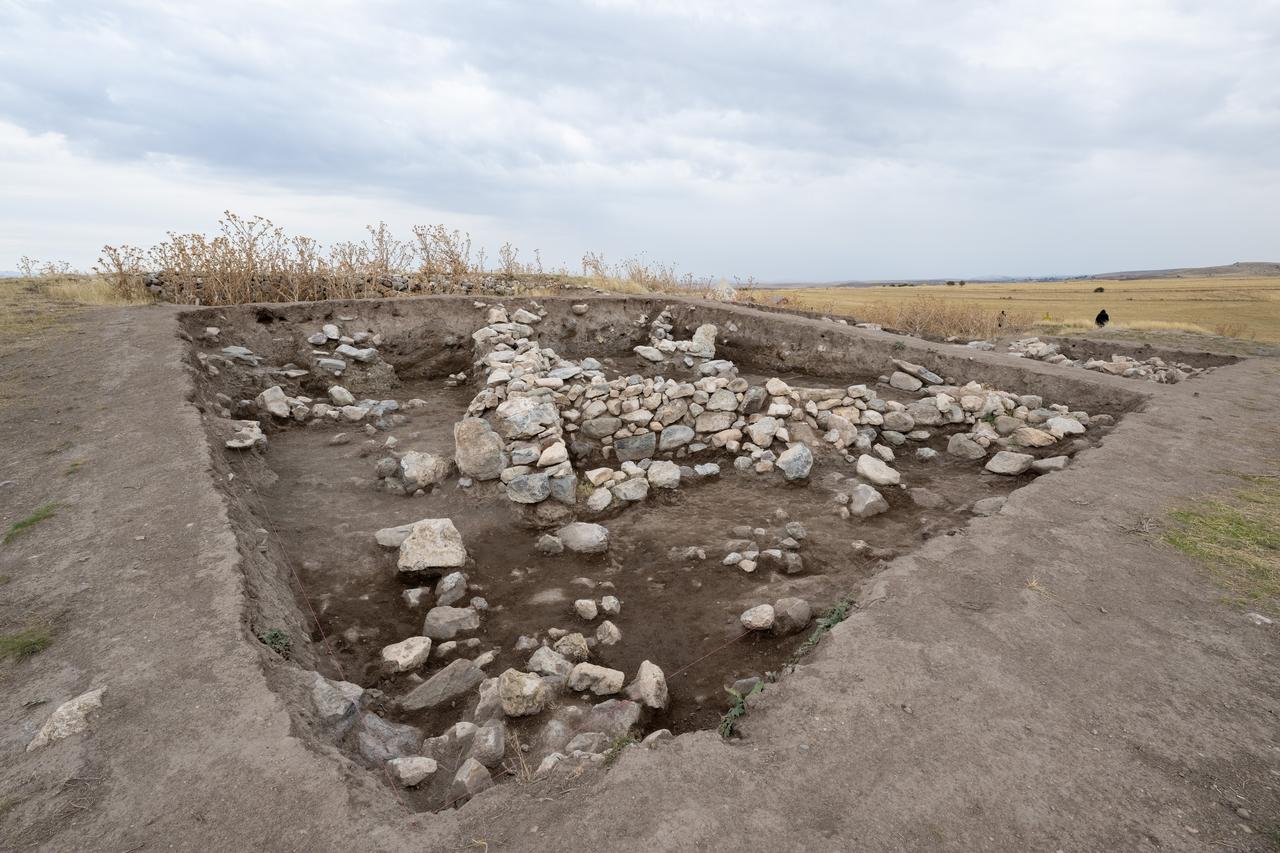

The botanical samples were recovered from a round vessel found inside a room belonging to a Hittite-period structure. Archaeobotanist Emel Oybak Donmez of Hacettepe University's Biology Department examined the material and identified the ancient seed.
Researchers are now looking into how the plant remains may have been used by the settlement's inhabitants, drawing comparisons with cuneiform records showing that the Hittites used certain plants for medical purposes.
Tekin said the team had recovered numerous seeds during the excavations and was matching them with the archaeological contexts in which they were found.
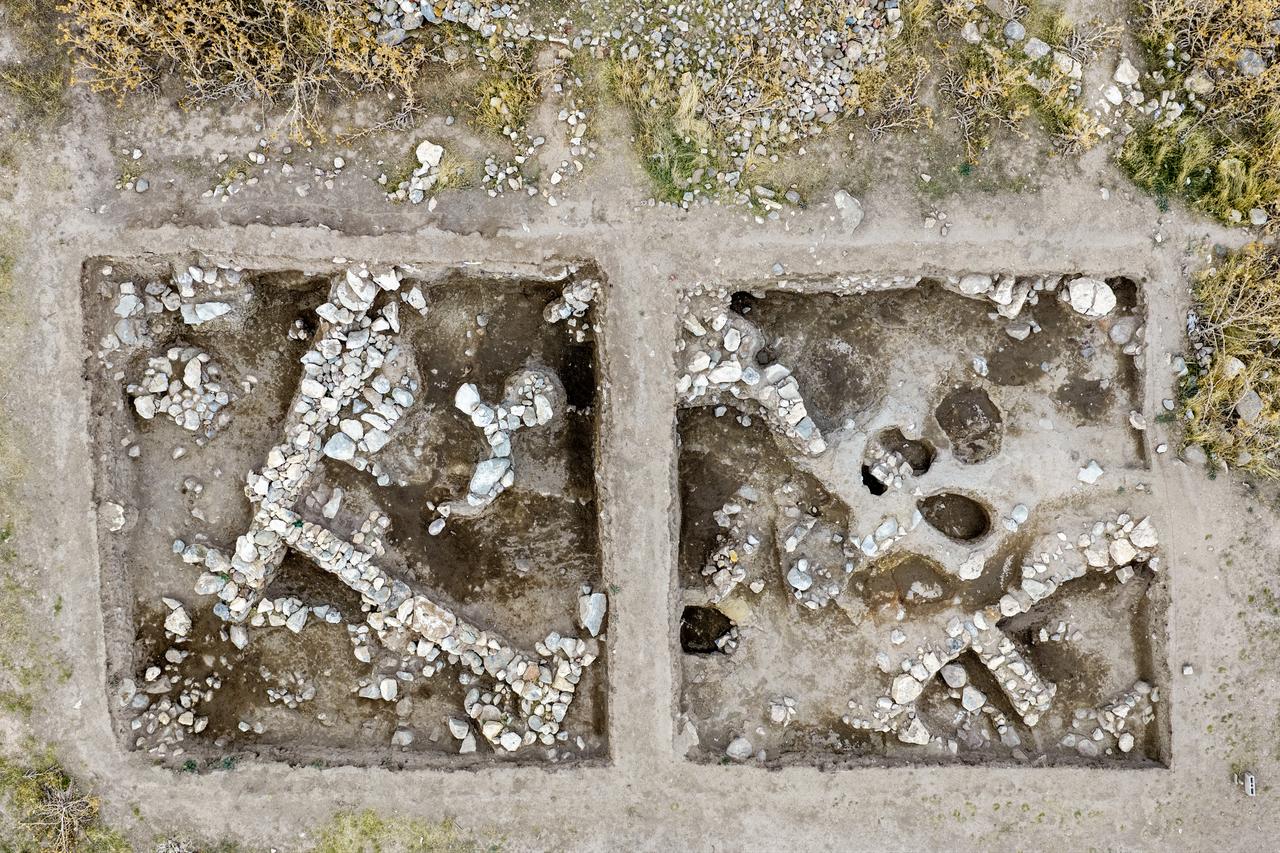
"We think some of these botanical remains may have been used for treatment. We will launch a new study. The project is still at the development stage. In particular, the study will focus on whether these plants were used in connection with Hittite medicine and pharmacy," she said.
Tekin stressed that researchers still do not know why the seed was placed inside the vessel, meaning its precise function remains under investigation.
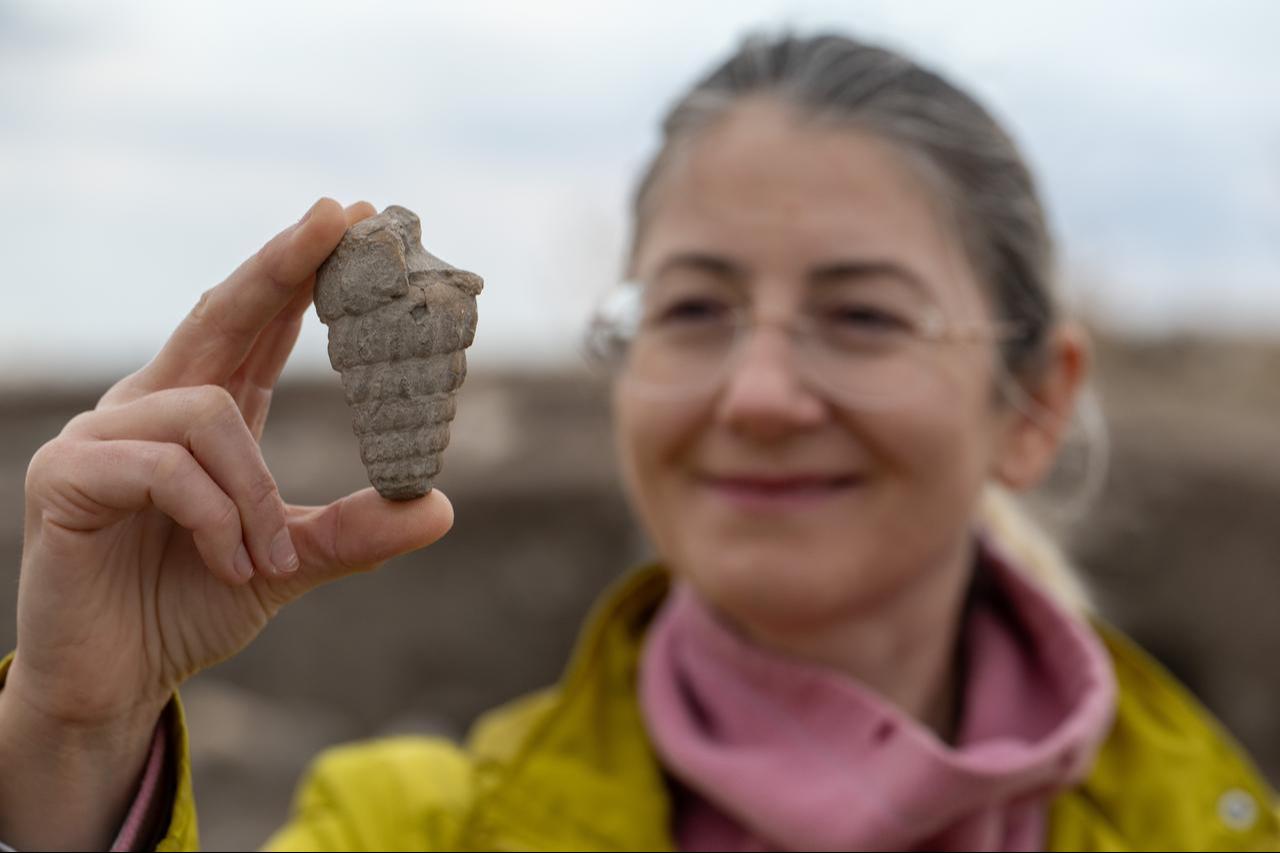
The fossil, meanwhile, represents a much older chapter in Central Anatolia's history. Tekin said a sea known as the Tethys once extended across areas including Central Anatolia around 200 million years ago, and the fossil belonged to an organism that lived during the later stages of that marine environment.
Its discovery inside an archaeological layer was particularly notable because the fossil itself is geological rather than archaeological.
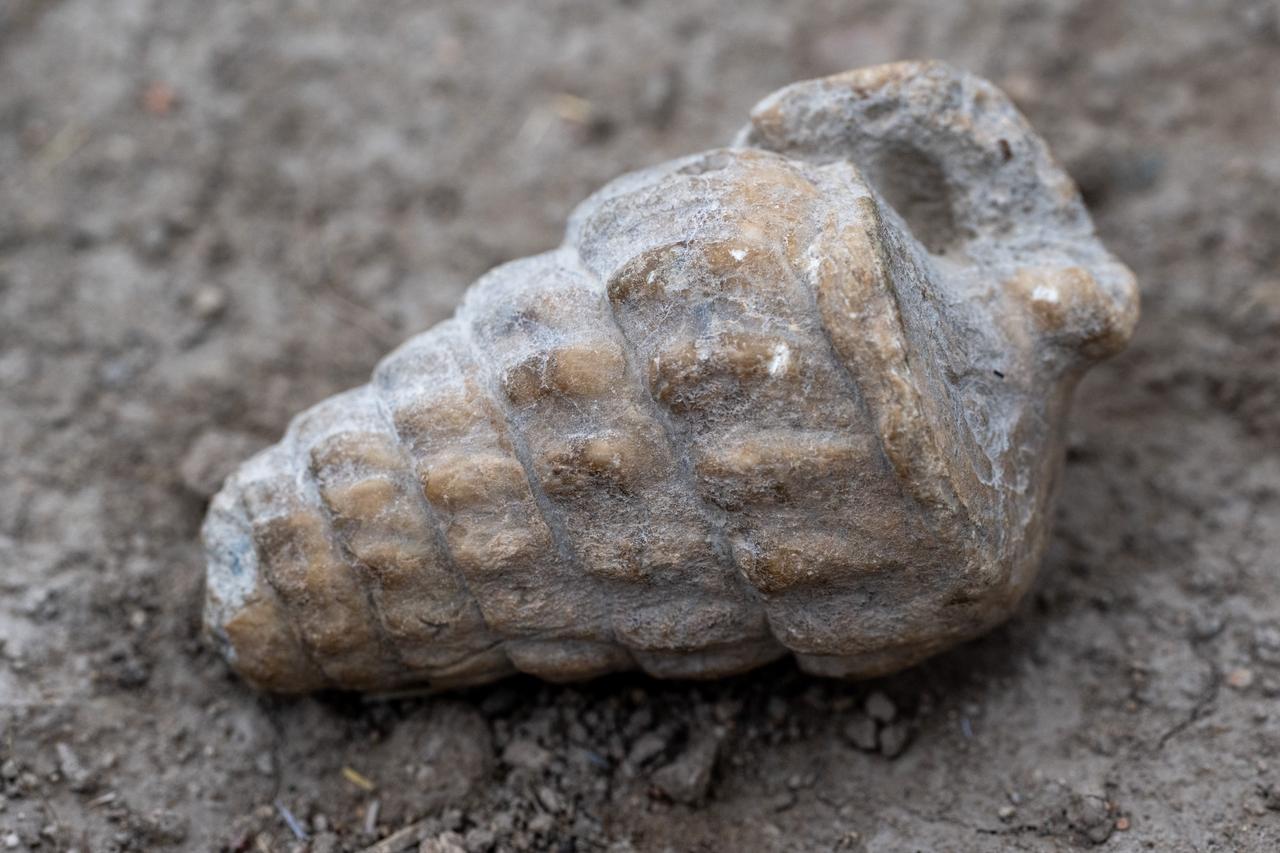
"We think the inhabitants of Kulhoyuk probably brought the fossil to the settlement," Tekin said.
Similar fossils have previously been reported around Polatli, according to Tekin, while the excavation team has also drawn on the work of paleontology specialists while assessing the fossil's origin.


 Set as preferred source
 Set as preferred source


 1 min read
 1 min read