Newsletters


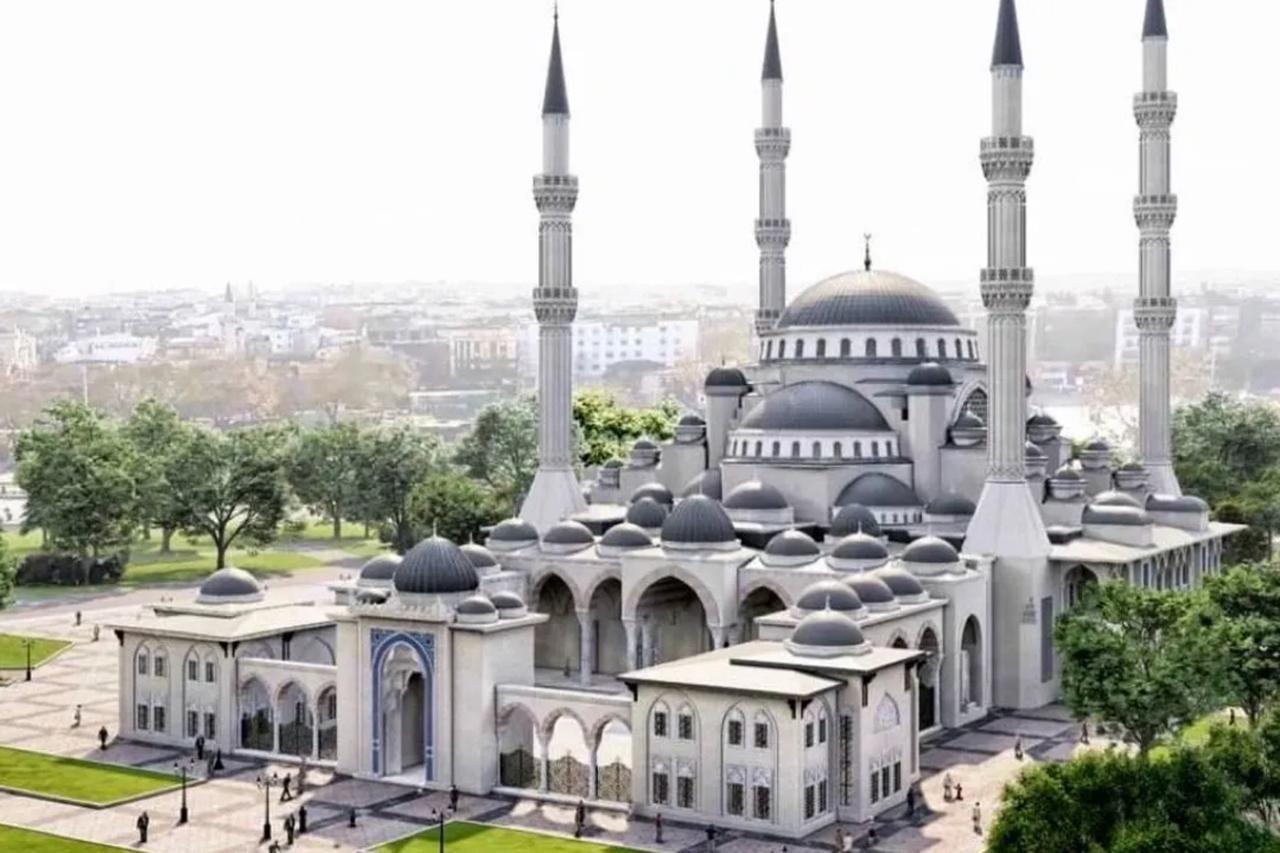


The mosque planned for Istanbul’s Kadikoy district continues to stir debate, not only on ideological grounds, but also over its architectural style. Expected to become a new element of the city’s skyline, the structure has become the center of an ongoing design controversy.
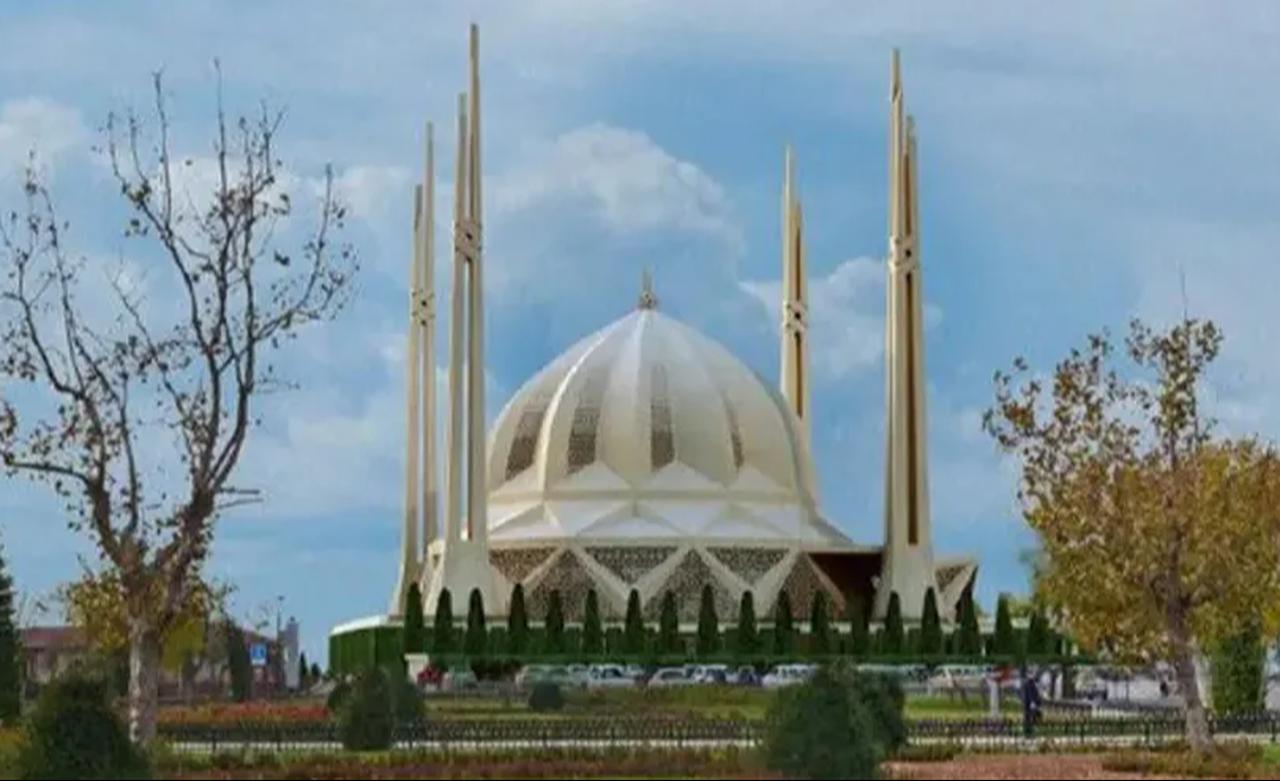
A formal protocol for the long-discussed “Kadikoy Rihtim Grand Mosque” was signed last week. While earlier plans envisioned a modern design, a new proposal reflecting a more traditional style has now been shared with the public. However, questions about its originality have also emerged.
Some architects argue that the mosque should follow the Ottoman architectural tradition, while others advocate for a modern design shaped by its urban context. A third perspective suggests combining the two, creating a mosque rooted in tradition but expressed through an original architectural language.
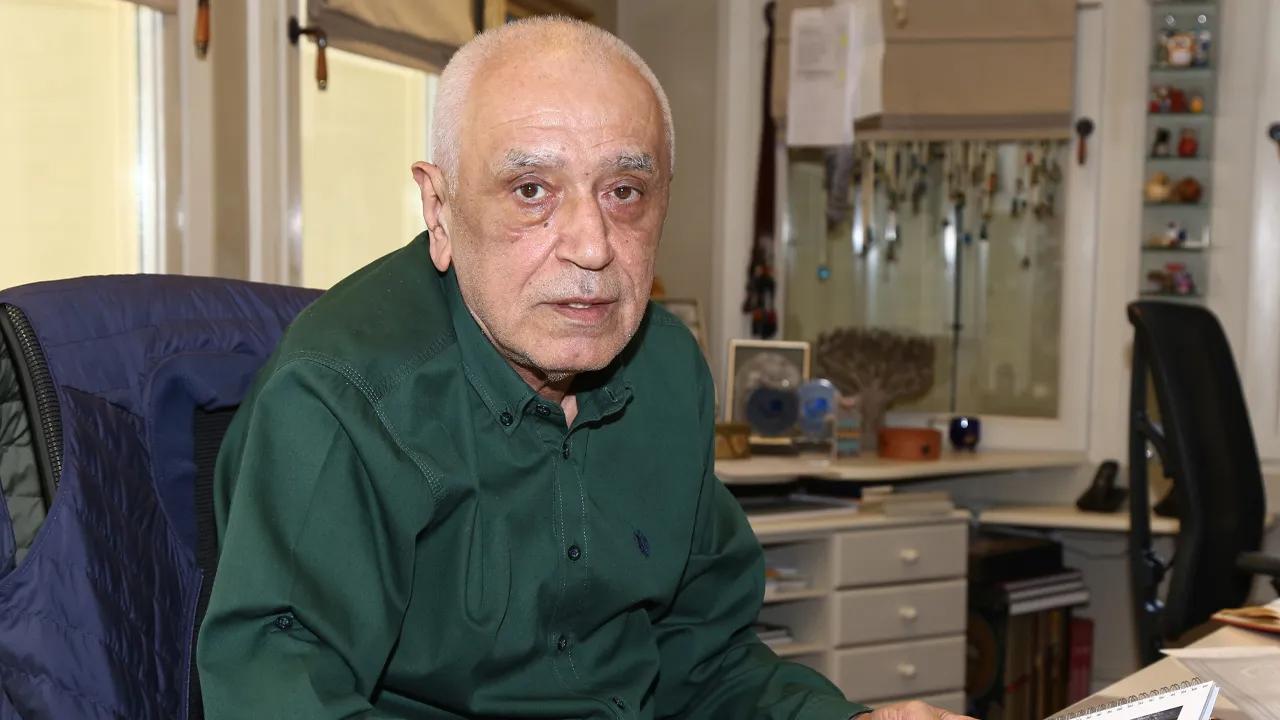

Architect Sinan Genim argues that monumental structures convey messages about the power and identity of the state.
“There is no point in reproducing old mosques in reinforced concrete,” Genim says. “Ottoman mosques reflect the messages of their own centuries. A mosque built today should reflect the spirit of our time, and that requires a modern design. Ideally, it could even be made entirely of glass or metal. The design process must be taken very seriously, perhaps even through an international competition.”

Architect Mahmut Sami Kirazoglu emphasizes that designing a traditional mosque requires a deep understanding of classical precedents.
“We do not yet know the final plan,” he notes, “but based on the visuals shared, it does not appear sufficiently original, it resembles the Sultanahmet Mosque. A more original design could still be achieved within the traditional framework. For instance, the number of domes could be reduced, and modern techniques could be incorporated.”
Kirazoglu also warns that constructing a mosque along the waterfront requires careful planning, particularly regarding traffic and urban impact.
Calling for a balanced architectural approach, Kirazoglu adds that Türkiye has struggled to create a meaningful transition between tradition and modernity.
“Unfortunately, among mosques built in the last century, there are very few that could enter art history books,” he says, adding that some recent examples fail to honor the legacy of classical masters.
Architect Serkan Duman points out that mosques built in the Ottoman style are widely constructed and admired around the world.
“Today, when people think of a mosque, they often envision an Ottoman mosque,” Duman says. “This is something to take pride in. However, it is also troubling that we have not been able to develop the architectural language our ancestors created with stone, instead imitating it with reinforced concrete.”
According to Duman, building the Kadikoy mosque in the Ottoman style would be a safer choice, as it reflects a widely accepted architectural language.
Duman stresses that if a traditional design is chosen, it must be authentic in material and construction.
“If it is stone, then it should truly be stone, not an imitation,” he says. “At the same time, features such as passive climate control, solar energy, and water harvesting should be considered. The building should also meet the spiritual and practical needs of today’s users.”
He also criticizes the broader architectural landscape, arguing that both modern and traditional mosque designs often suffer from inconsistency and lack of coherence.
“In modern projects, architects sometimes compete to impose their personal vision, leading to meaningless results,” he says. “In traditional designs, we often see a collage of historical elements mixed with arbitrary additions. Neither approach produces a truly meaningful outcome.”


 Set as preferred source
 Set as preferred source


 3 min read