Newsletters


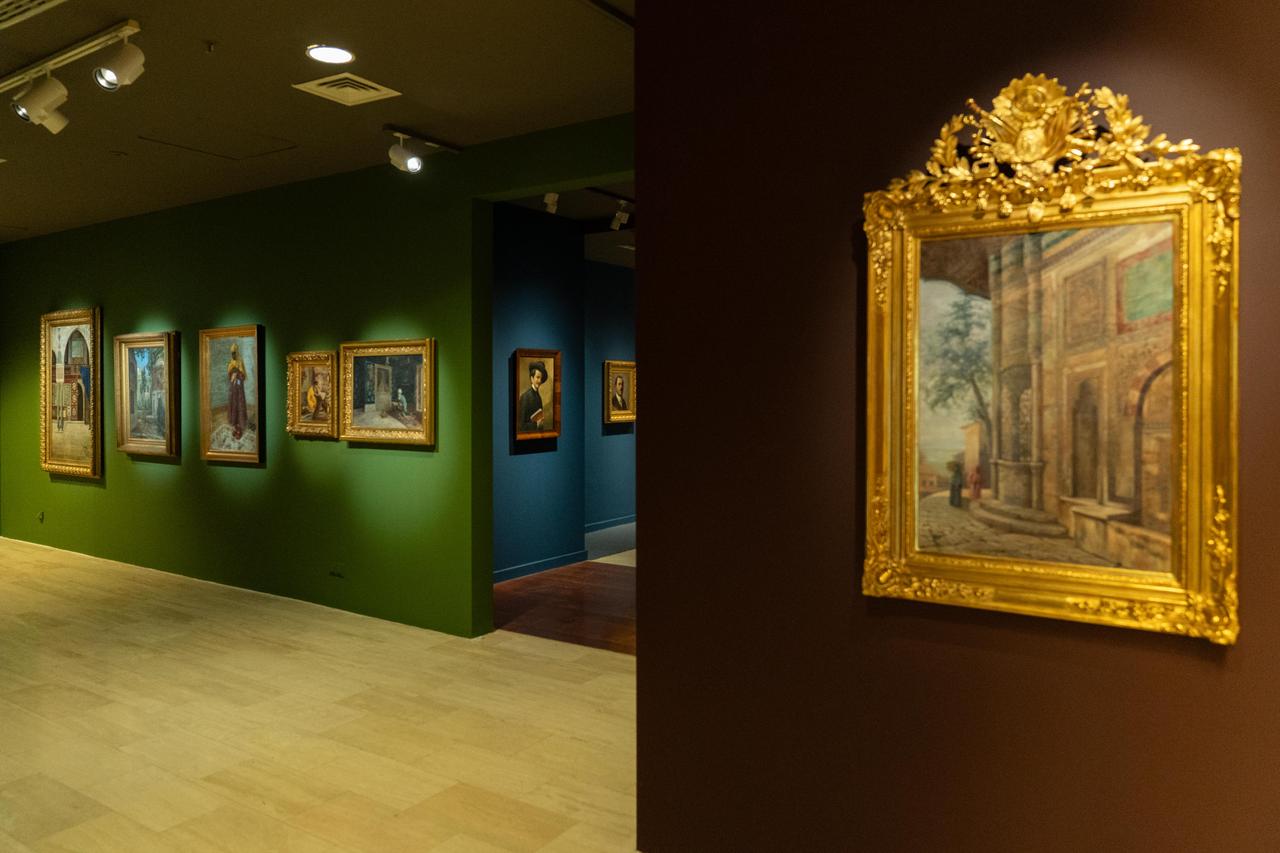


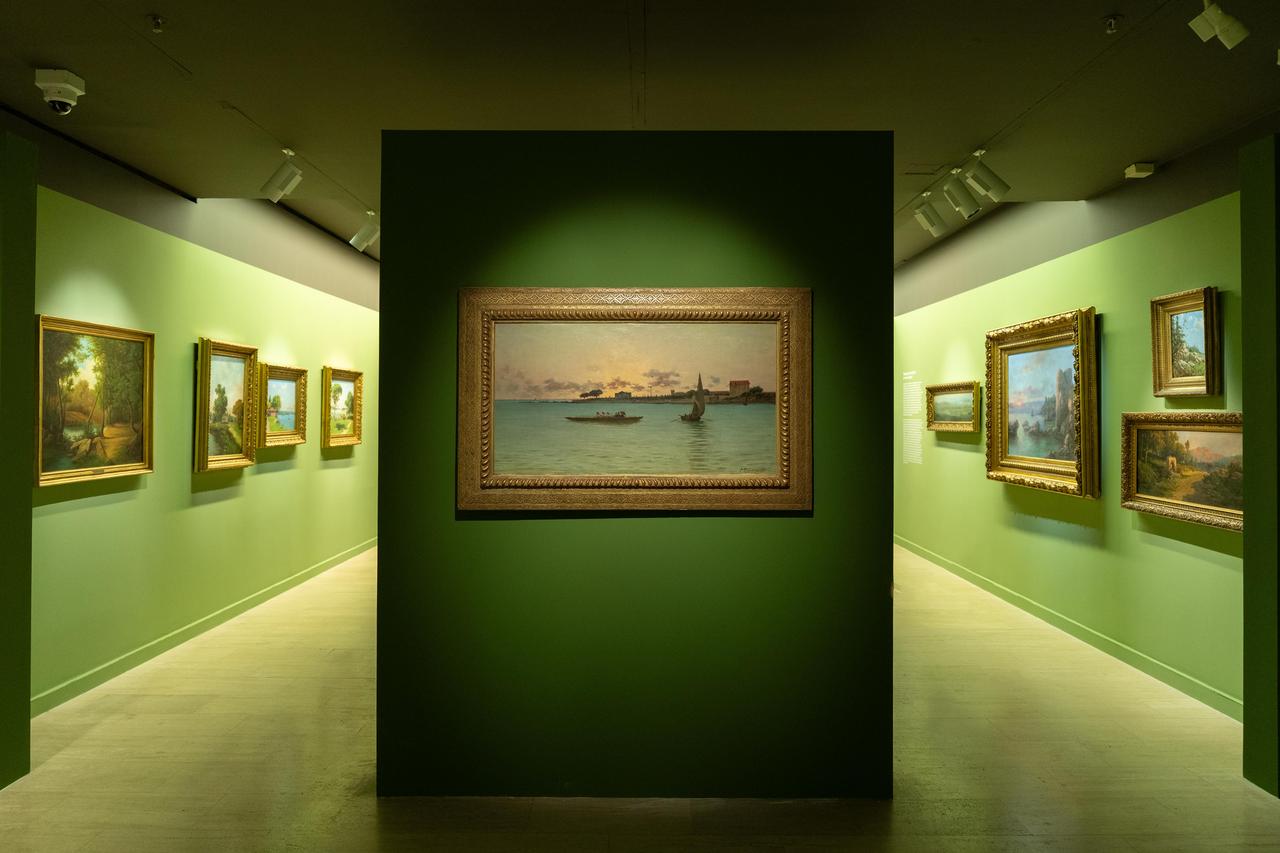
The Sakip Sabanci Museum has reopened its painting collection to the public with an updated selection, offering a comprehensive look at the evolution of Turkish painting from the late 19th-century Ottoman period to the early decades of the Republic in the 20th century.
According to a statement from the museum, the collection, originally formed by Sakip Sabanci in the 1970s, has expanded over time through new acquisitions and long-term loans. It is now presented in the museum’s modern galleries with the support of Sabanci Holding.
The renewed selection brings together works by major figures such as Osman Hamdi Bey and Fikret Mualla, alongside a wide range of artists who shaped Turkish painting across different periods.
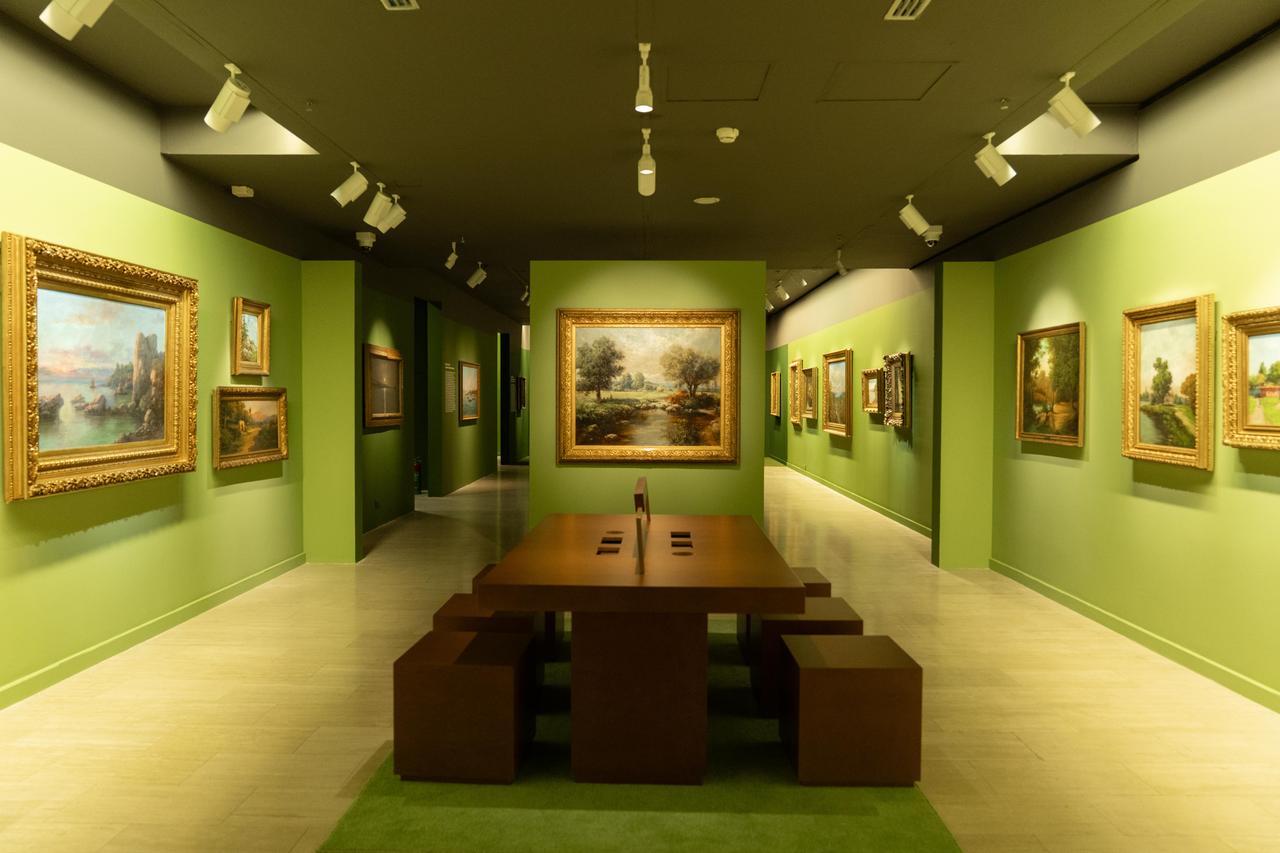

The exhibition spans a broad historical timeline, covering the final decades of the Ottoman Empire in the 19th century and the transition into the early years of the Republic of Türkiye in the 1920s and 1930s.
It presents more than paintings alone. Visitors can also view photographs, postcards, and archival documents that reflect the visual culture of the time. This expanded approach allows the collection to function not only as an art display but also as a historical archive.
The curatorial narrative follows the development of painting in Türkiye, beginning with its roots in military schools and continuing through the influence of the Ottoman court and the emergence of formal academic training in art.
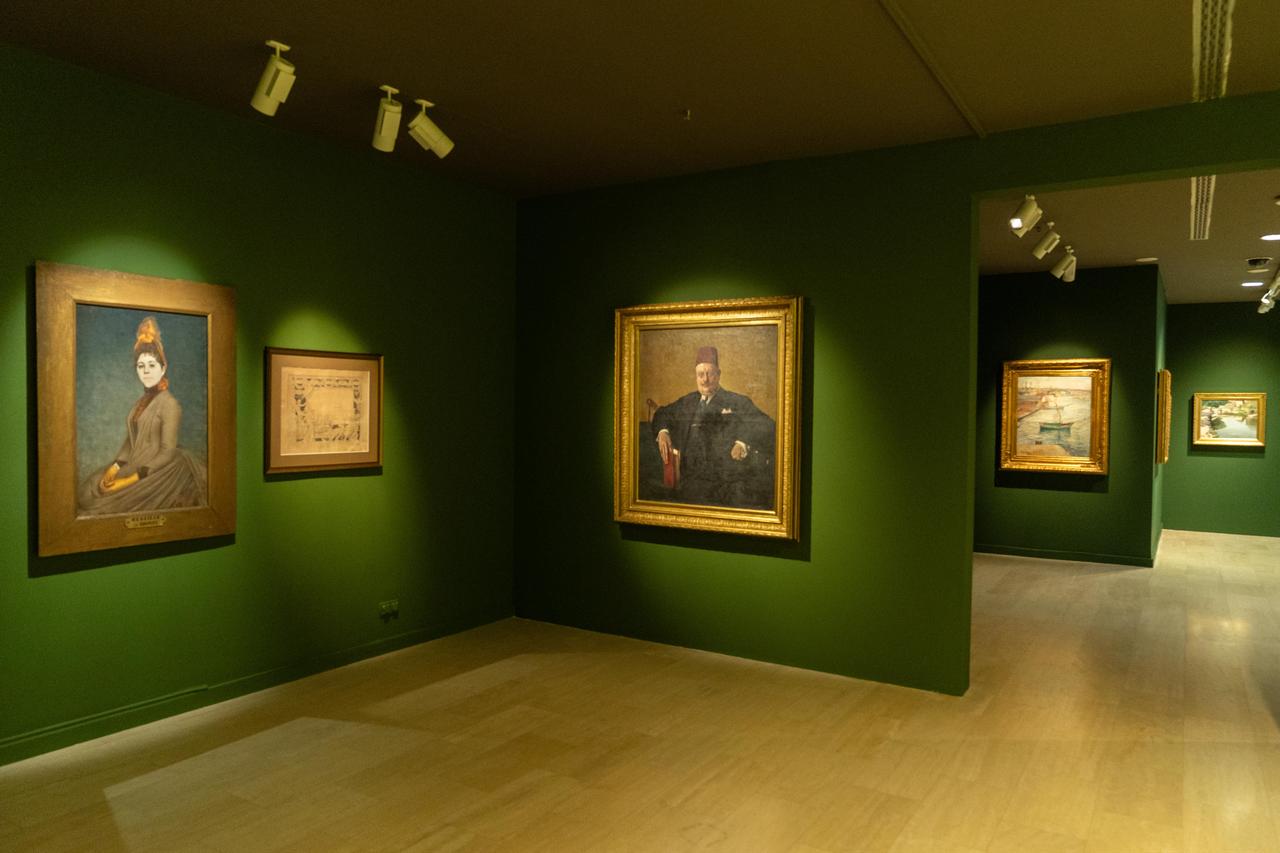
The collection includes prominent 19th-century Ottoman painters such as Seker Ahmed Pasa, Suleyman Seyyid, Halil Pasa, Huseyin Zekai Pasa, and Hoca Ali Riza.
It also features early 20th-century artists who contributed to the formation of a modern art environment, including Ibrahim Calli, Hikmet Onat, Avni Lifij, Nazmi Ziya Guran, and Mihri Musfik.
Modern Turkish painting is represented through works by Fikret Mualla, Hale Asaf, Nurullah Berk, Nuri Iyem, and Selim Turan, reflecting a range of artistic approaches and styles.
The exhibition also traces how international movements influenced local production. It highlights the presence of impressionism, expressionism, and cubism within Turkish painting, showing how these styles were interpreted in a local context.
The renewed selection draws on multiple sources beyond the museum’s core holdings.
These include:
These contributions broaden the scope of the exhibition and provide a more layered understanding of the period.
A dedicated section within the exhibition presents the museum’s work on conservation, research, and restoration.
This section introduces the scientific research initiative titled “Gorunenin Otesinde,” which focuses on the study and preservation of artworks. It offers visitors insight into the technical processes behind maintaining and understanding the collection.
The painting collection is now permanently displayed in Gallery -1 of the museum.
Other areas of the museum remain open to visitors, including the Atli Kosk and its garden, as well as the Decorative Arts Collection and the Book Arts and Calligraphy Collection. Temporary exhibitions continue to be held in Gallery -2 and Gallery -3.


 Set as preferred source
 Set as preferred source


 3 min read